
Experts debunk biggest myth around the gender pay gap

Despite some progress being made, the gender pay gap is unfortunately a factor that still remains within the UK workforce.
As per the UK government, the gender pay gap is generally defined as the 'difference between the median hourly earnings of men and of women, as a percentage of men’s earnings'.
However, the Fawcett Society, the UK's leading feminist charity, explained that it isn't about earning less because they work less, but rather the systemic inequality built into our economy.
To break it down, women tend to earn significantly less than men over their entire careers for a whole slew of complex, often interrelated reasons, such as differences in caring responsibilities, more women in low-skilled and low-paid work, or simply being unrepresented.
Advert
The Fawcett Society notes: "It’s illegal, but some women are still paid less than men for the same work. Discrimination, particularly around pregnancy and maternity leave, remains common, with 54,000 women forced to leave their jobs every year after becoming a mother."
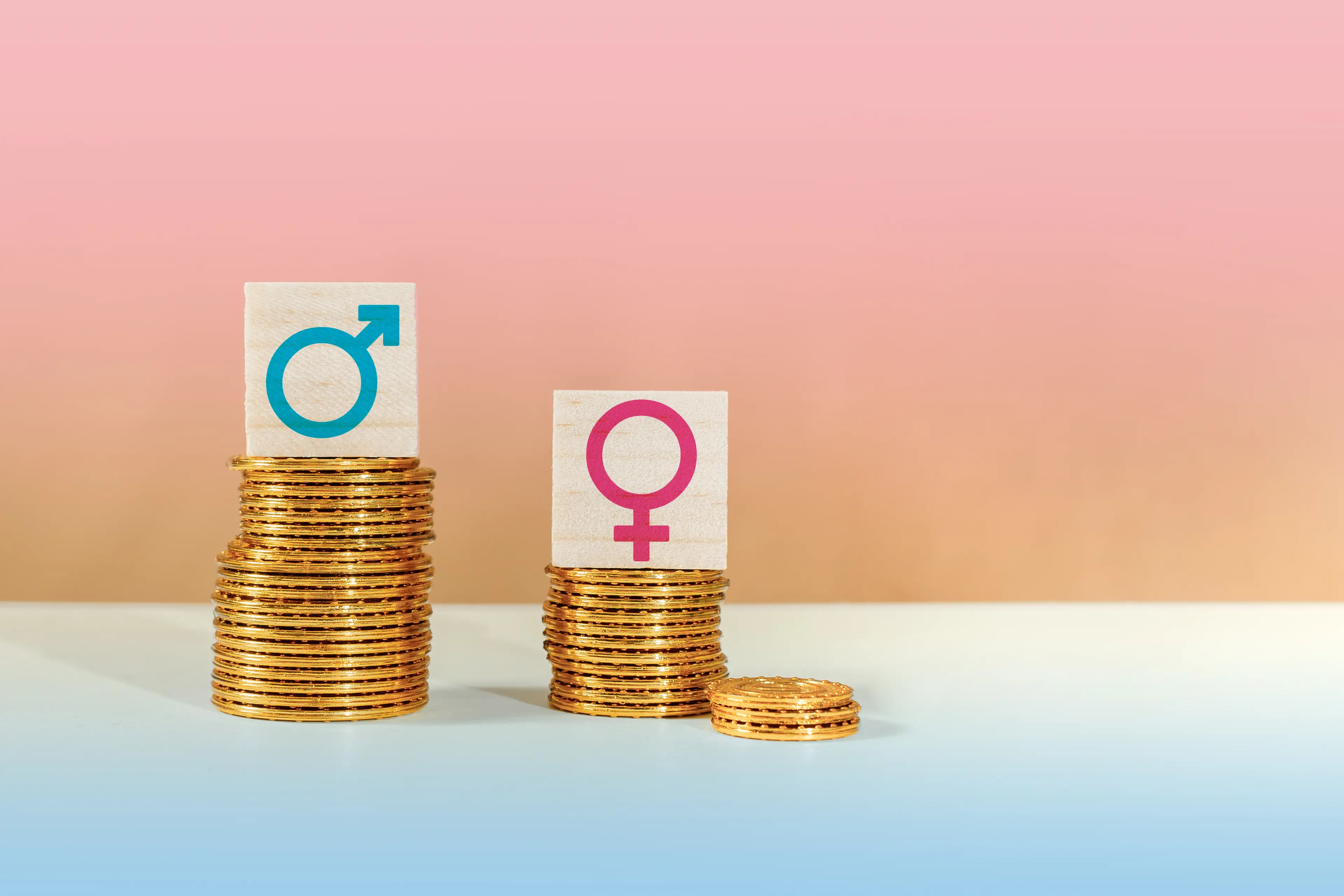
The gender pay gap has been in the media more than usual recently, since Saturday (22 November) was Equal Pay Day, a symbolic day dedicated to raising awareness.
With the day came some new statistics, including the shocking news that working women will effectively be unpaid for the last five weeks of the year.
No, your pay won't literally stop - but it's an easy way of understanding the recent data and the huge comparison between men and women.
Using data from the Office for National Statistics (ONS), the Fawcett Society calculated that the 2025 pay gap in Old Blighty currently stands at 10.9 per cent, but progress has stalled over the last five years.
Despite all of this, there are still sceptics who believe the gender pay gap doesn't exist, as one Twitter user penned: "The "gender pay gap" is fabrication. Men/women are paid the same for the same job," while a second quipped: "There is no gender pay gap. Different pay for the same job is illegal."
But as the Fawcett Society, as well as the UK government and other institutions, have pointed out and backed up with stats and facts, this is simply not true, as women lose out on thousands of pounds a year and the effects last a lifetime.

According to the charity, closing the gap would add a whopping £55 billion to women’s earnings each year.
Even the rise of artificial intelligence is affecting women, as biased hiring tools are trained on past recruitment data, so if men were favoured before, AI learns to keep it that way.
Fawcett is calling for:
- Strengthen, not dilute, flexible working measures through the Employment Rights Bill consultation process, such as introducing a flexible advertising duty
- Introducing legal pay transparency measures, giving women the ‘right to know’ what male counterparts earn and ending salary history questions at interview
- Increasing pay in undervalued and female-dominated sectors, such as adult social care and early childhood education and care
- Take steps to consider the impact of the rapid adoption of AI on women, through recruitment bias, job loss and occupational segregation.
 Madison Burgess