
Gender pay gap explained as women across the UK 'stopped being paid' this week

The gender pay gap.
It's a phrase I'm sure many of us have heard of at least once in our lives. And, you may have seen it in a few headlines recently, given that women across the UK 'stopped being paid' this week due to it.
No, we don't literally mean that women are going without money for the remaining five weeks of this year. But it's an easy way of understanding recent data from the Office for National Statistics, which has shown that the 2025 pay gap in the United Kingdom currently sits at 10.9%.
Equal Pay Day, which is the symbolic day dedicated to raising awareness of the gender pay gap, fell on Saturday (22 November).
Advert
While the illuminating statistics clearly prove shocking to some 'sceptics' out there who refuse to educate themselves on what we actually mean by the gender pay gap, they expertly outline just how far into the year the median woman must work in order to have earned what the median man had earned the entire previous year.
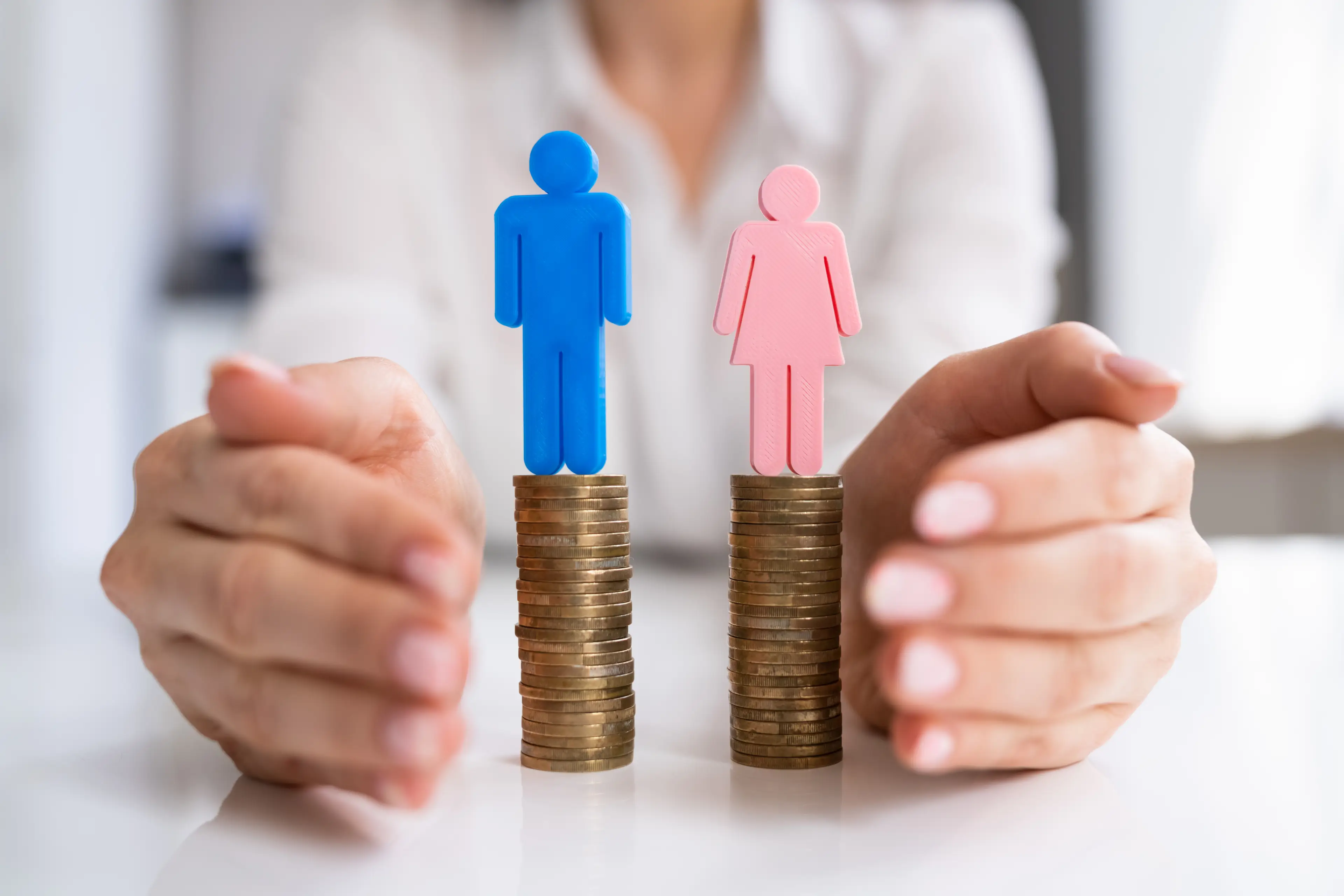
What is the gender pay gap?
Well, in short, the gender pay gap reflects inequalities and discrimination in the labour market that mostly affect women.
I'll repeat that: the gender pay gap isn’t about women earning less because they work less. It’s about systemic inequality built into our economy.
And, no, it is not the same as 'equal pay', which means men and women are paid the same for the same job.
Women earn significantly less than men over their entire careers for complex, often interrelated reasons.
Such reasons include:
- Differences in caring responsibilities
- More women in low-skilled and low-paid work
- Outright discrimination
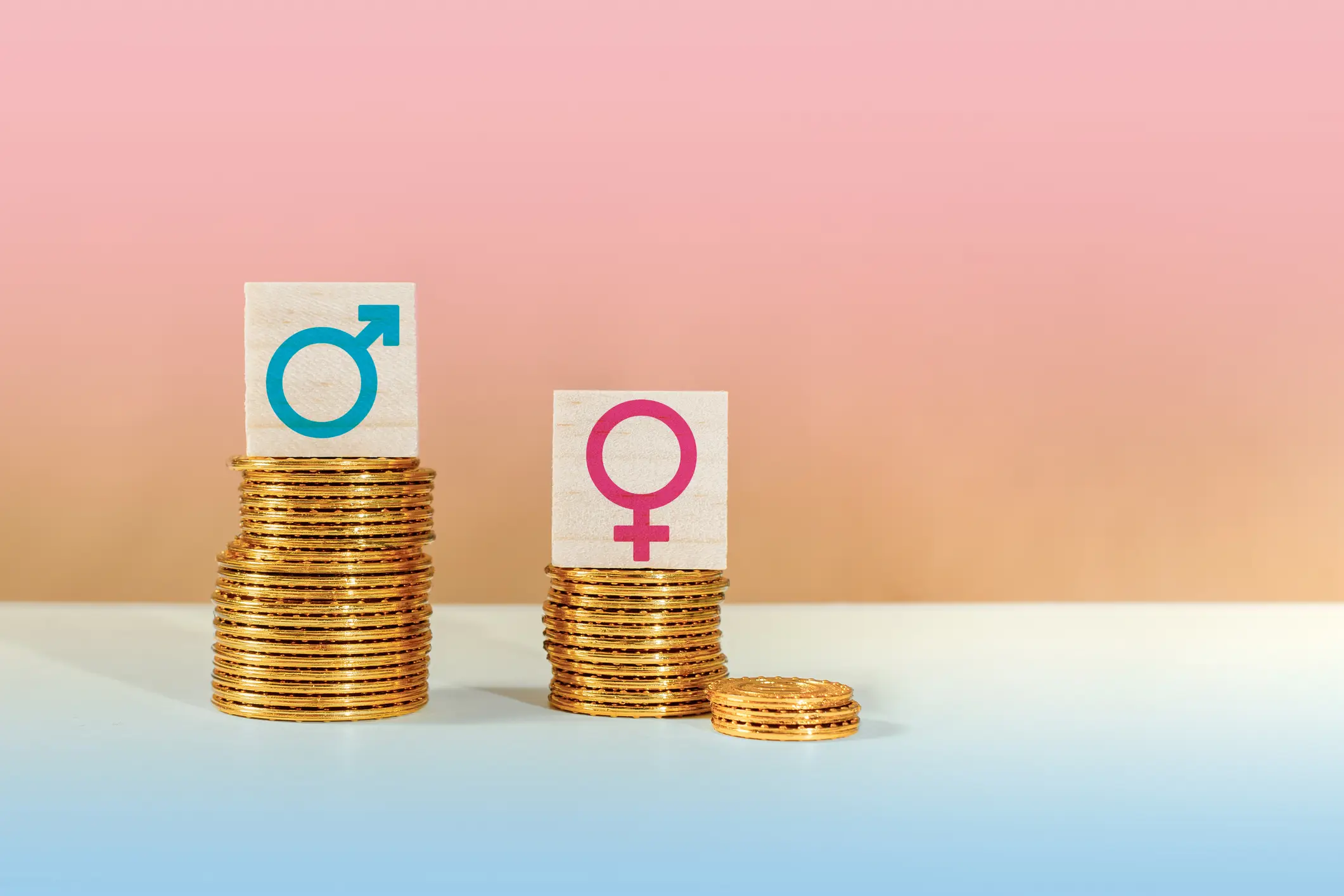
What causes the gender pay gap?
There are several big causes of the gender pay gap, with the first, as we say, being discrimination.
"It’s illegal, but some women are still paid less than men for the same work. Discrimination, particularly around pregnancy and maternity leave, remains common, with 54,000 women forced to leave their jobs every year after becoming a mother," the Fawcett Society notes.
Secondly, there's the issue surrounding unequal caring responsibilities.
The Fawcett Society explains that women play a greater role in caring for children, as well as for sick or elderly relatives. As a result, more women work part-time, and these jobs are typically lower paid with fewer progression opportunities.
Thirdly, it's important to note the impact of a divided labour market.
Women are still more likely to be in low-paid and low-skilled jobs, affecting labour market segregation. According to the Fawcett Society, 80% of those working in the low-paid care and leisure sector are women, while only 10% of those in the better-paid skilled trades are women.
And, lastly, it is men who are in the most senior roles.
Men make up the majority of those in the highest-paid and most senior roles – for example, there are just 10 female Chief Executives in the FTSE 100, according to a report seen by The Guardian.
Due to the gender pay gap, women lose out on thousands of pounds a year, and the effects last a lifetime.
That’s money not going into homes, communities, or local economies. And, for Black and minoritised women, disabled women and mothers, the gap is even wider.
And, not that you should need another reason to be outraged over the systematic inequality, as it's not just women who are affected, as the whole UK is missing out on growth, with the charity noting that closing the gap would add £55 billion to women’s earnings each year.
Topics: Money, Life, Explained, Jobs, Social Media, Politics, UK News, News
 Rhiannon Ingle