Intimacy coordinator on some of TV's steamiest scenes talks about what has been quietly banned

An intimacy coordinator has revealed the one type of sex scene that would never happen today, as she pulled back the curtain about what it’s really like having one of Hollywood’s most divisive jobs.
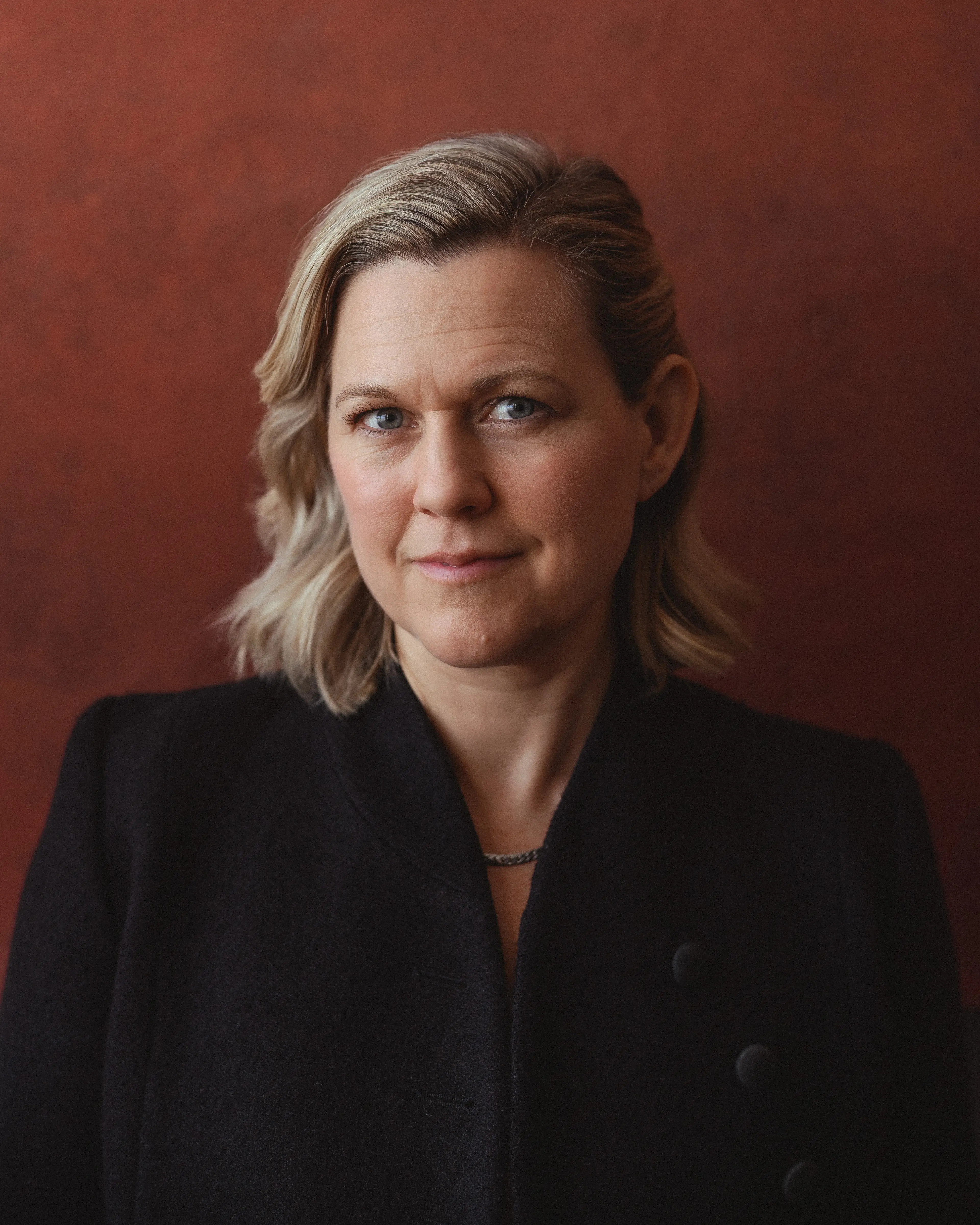
Tyla spoke with Lucy Hind, 44, who has worked as both an intimacy coordinator for screen and an intimacy director for stage since 2021, and wants to squash the ‘mysticism’ around the profession, which is essential for making sure actors feel safe and comfortable when shooting X-rated scenes.
Lucy has worked on productions in the West End, as well as leading British organisations such as the National Theatre, The Donmar, The Almeida, the Barbican, and the Old Vic. Her on-screen credits include titles for Apple TV and the BBC, and she has worked with big-name actors including Cush Jumbo, Sandra Oh, and Rosamund Pike.
For those who are unfamiliar, an intimacy coordinator helps advocate for actors, put boundaries in place, and choreographs and oversees scenes with simulated sex and nudity.
Advert
The job was created on the back of the #MeToo movement in 2017, which brought awareness to the issue of sexual harassment and abuse of women in the workplace, which was, sadly, especially prolific in the world of film and TV.
However, in recent years, the role has found itself becoming a point of misunderstanding and debate, with some A-List actors sharing less-than-positive stories and depicting the job as unnecessary.
Gwyneth Paltrow said she asked hers to ‘step back a little bit’ while filming Marty Supreme, and Jennifer Lawrence declared she simply didn’t need one with Robert Pattinson in Die My Love, as, in her words, he ‘is not pervy’.
Hitting out at the mixed opinions, Lucy told Tyla: “My job isn't to be the police. I always say when I come in, really importantly, I'm not here to be the police.
“I'm not here to make people feel more uncomfortable than they should do. My job is to make sure people want to come back to work the next day.”
The expert explained how she’s been in the awkward situation ‘many times’ where an actor or director is telling her she isn’t needed, but has stuck around to ‘show how she’s going to add value’.
“I go into a room, and they say, ‘I don't need you,’ and then by the end of the day, they're telling me their horror stories of things they experienced. And usually they say, ‘God, I wish you were here when I was younger,'" she admitted.
The sex scene that will never make a comeback
Lucy revealed the one sex scene that, thanks to the introduction of intimacy coordinators and safer protocols, would ‘never happen again’.
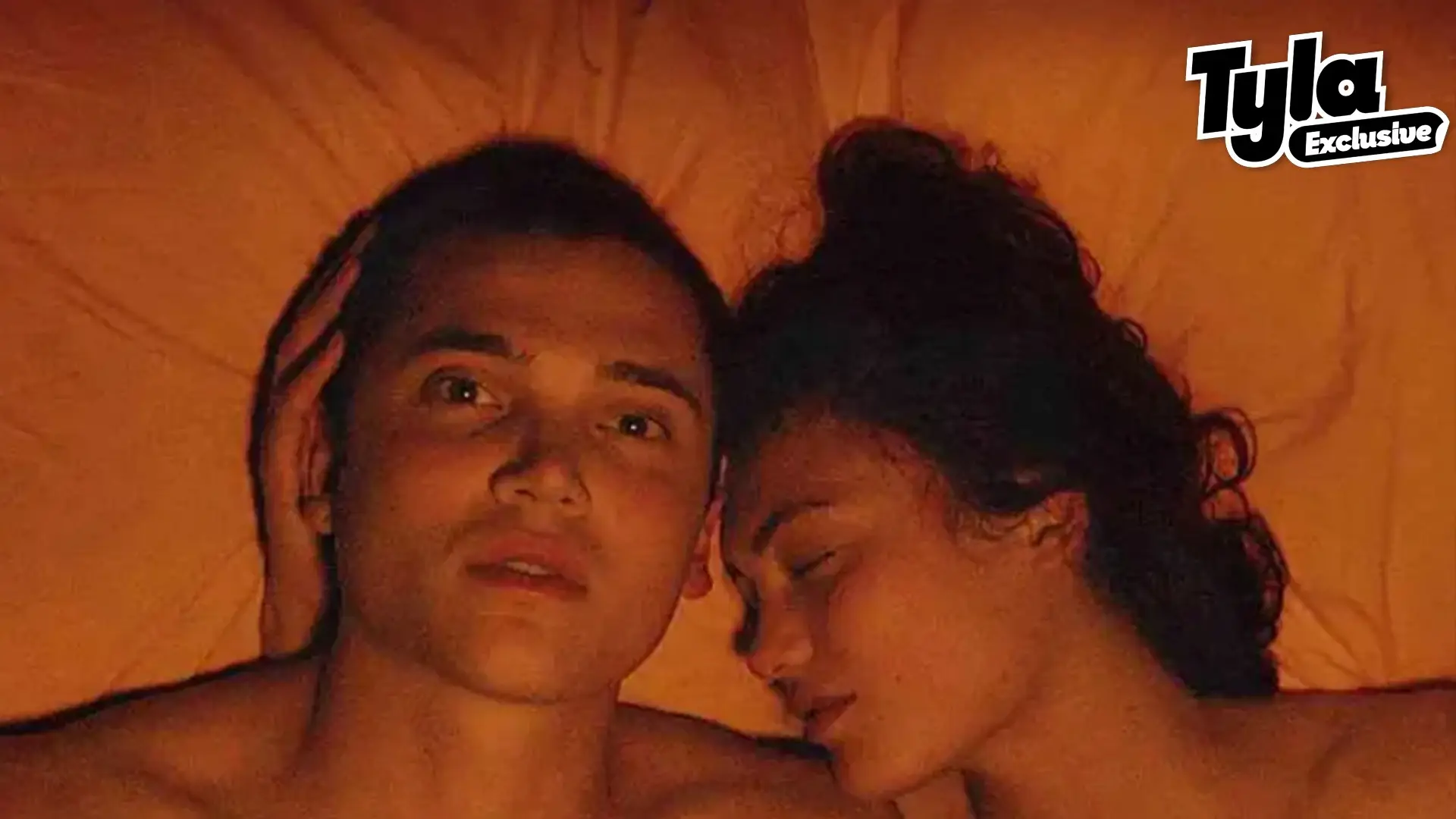
We’re talking about unsimulated sex, which, if you’re not familiar, is where actors opt for the real thing, rather than strategically placed camera angles and modesty garments.
You’d be shocked by the number of early 2000s movies that feature actual sex - The Brown Bunny (2003), 9 Songs (2004), Love (2015), and Intimacy (2001) to name just a few.
As for whether this would be a reality today, Lucy declared: “Definitely not. The unions would get so involved, and your agent.
“It depends, of course. Are people represented? Do they have agents? Are there lawyers involved? What budget film is it? But it would definitely not be considered anymore, 100 per cent.”
The backlash comes ‘from a place of privilege’
Hitting out at the unfair backlash against the role, Lucy explained that there are usually two reasons that people feel like they don’t need an intimacy coordinator.
She told Tyla: “One, they come from a place of privilege, where they've never been in a position that they've ever felt like they didn't have a voice or couldn't say anything.
“And that is often - of course, speaking in massive generalisations here - that is mostly the male presenting actors in our industry.
“But also anybody in a position of power or status. If you are a very famous actor, you can say, I don't want to do that. If you're not, you can't.”
Secondly, Lucy outlines that often, those who are at first skeptical of intimacy coordinators grew up in a filmmaking world that looked entirely different, before the #MeToo era.
She said: “I think, especially for women who didn't have access to this, and women, female presenting actors, and male, actually. You'd be surprised how many male-presenting actors - it's not actually a divide in terms of who experiences more assault or harassment at work.
“It's actually to do with the power in the room, and a lot of those women, especially, have grown up having to put up with that, and it's become normal. And also they've gone, ‘Well I'm fine now,’ and I imagine they've put it somewhere, they have put it, hid it away, and gone, 'I don't have to deal with that anymore,' or 'I know how to deal with that,' and bringing someone in just slows down their process."
Adapting to change
Lucy explained that it’s also to do with a difficulty in adapting to change, which she understands can be hard.
She explained: “If you know how to do something well, it’s very hard when someone comes in and goes, 'Oh no, we're doing it like this now.' I get that.
“That is really, really hard, especially if you are making lots of films and you're doing lots of work, and you have your system of how you can do it well, especially with something that's so vulnerable.
“You don't want someone coming in and then talking to you about how you feel. And actually, I put this somewhere in my head that I could just get on with it. I don't want you to crack that open’. And then I always ask, what's underneath that?
"And a lot of that is fear. A lot of that is change. A lot of that is wanting to feel like they're in control, and I get all of that as well, and I think that's why it's always useful when I come in, and I go, 'I'm not here to make this worse for you. I only want to be useful to you and your process’."
How the role has changed sex on screen
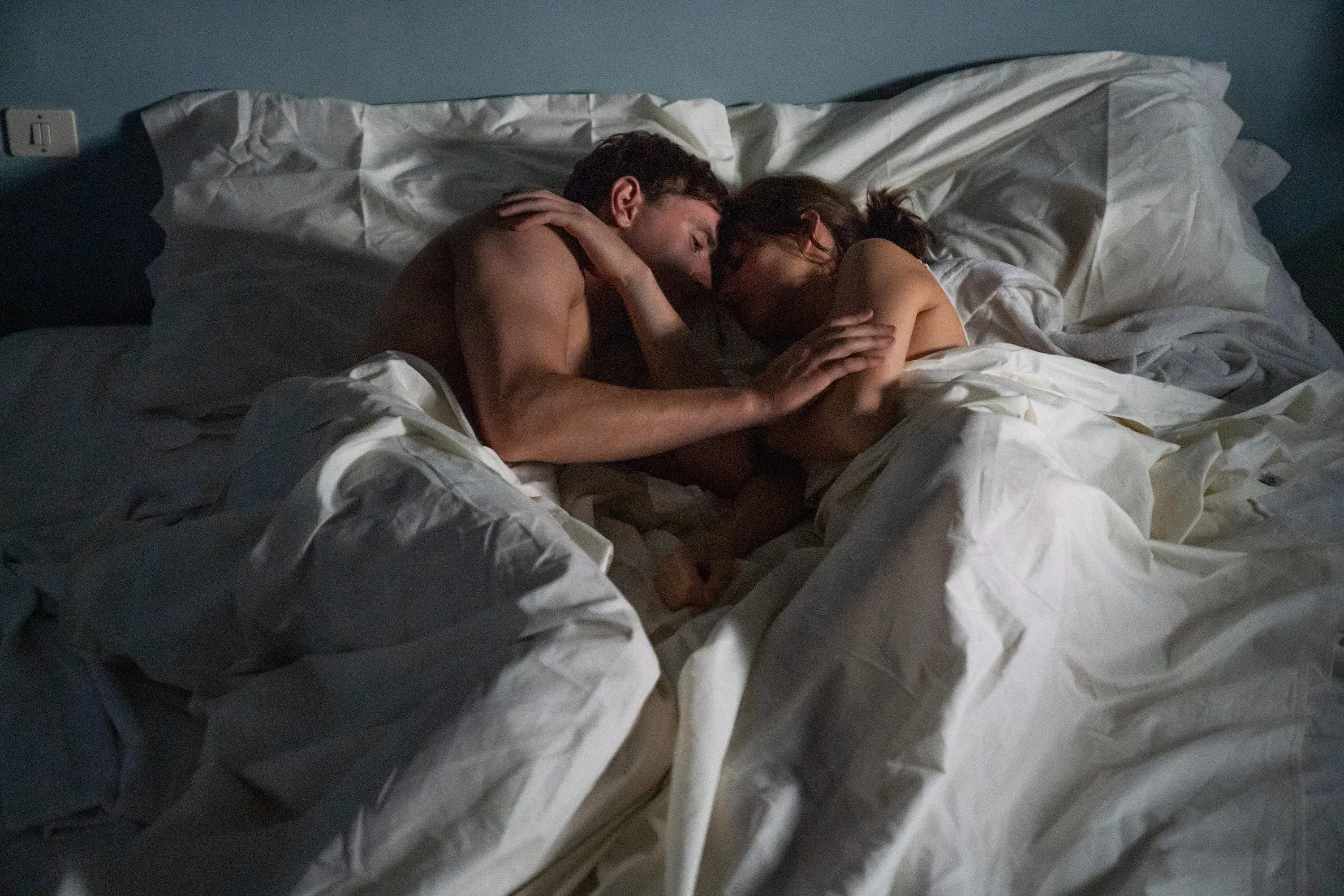
All you have to do is watch shows like Heated Rivalry and Bridgerton to see with your own eyes the impact that intimacy coordinators have had on the way sex is depicted on screen.
Lucy highlighted that so much in the past was ‘made for the male gaze, and through a male lens,’ which is something that’s slowly being improved.
She lauds shows like Normal People for being ‘so revolutionary in the way that the intimacy was depicted and made’.
“I really love how intimacy now, we're moving towards telling intimate parts of the stories through a female lens, through a female gaze, and that's really exciting,” she gushed, questioning, “How do we look at pleasure? How do we look at human bodies' interaction? In a way that can tell the story differently and appeal to a broader audience.
“The female gaze is also about who’s leading. There’s definitely more thought put into the choreography. It’s not just stage one, stage two, and stage three. It’s about touch, it’s about slowing down, it’s about shapes.
“And also, it’s real. I think it’s much more real in terms of its messiness and its awkwardness and its vulnerability, rather than something that is slick and effective and works, and like a direct line to a climax.”
She added: “It’s about centring female pleasure in a different way that isn’t just penetration, and that is really fun to think about in terms of how we absorb media and then how that is informing, it's a self-perpetuated cycle.”
Topics: Life, Real Life, Tyla Exclusive, Sex and Relationships, TV And Film, Entertainment
 Madison Burgess