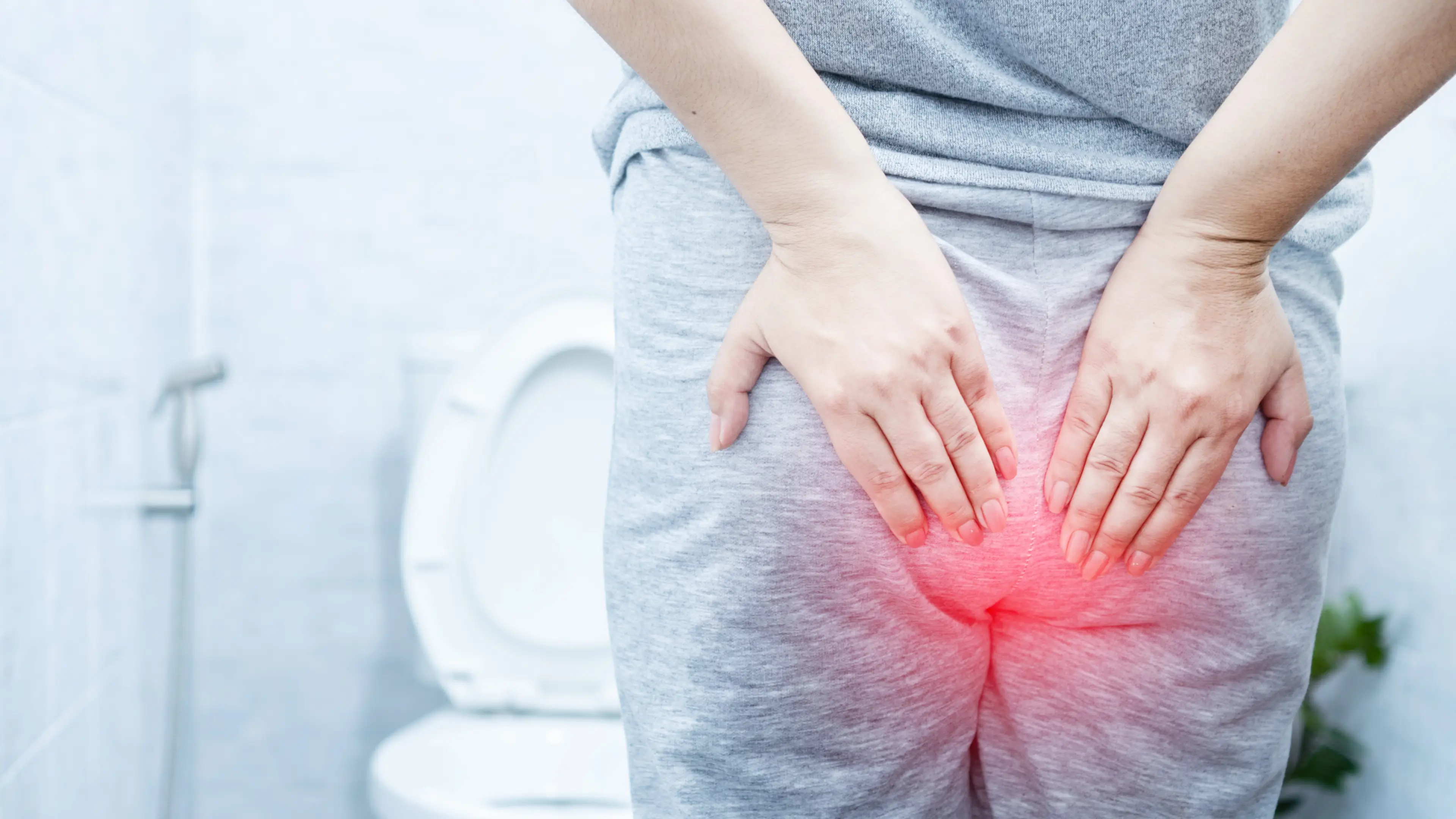
‘Booze butt’ is gross side-effect of alcohol - doctor shares how to avoid it

Dry January is now in full swing for millions of Brits - but, for various reasons, not everyone has decided to hop aboard the 31-day sober train.
If you’re still partaking in the odd tipple this month, or have vowed to uphold your sacred post-work glass of vino, then you should be aware that you may be at risk of developing a severe health issue if you take it too far.
This condition is colloquially known as ‘booze butt’, and honestly? It can be just as unpleasant as its name suggests.
When you wake up from a heavy night of drinking alcohol, you’re likely to experience a pounding headache, nausea, dry mouth, a dicky tummy, and possible dehydration.
Advert
These feelings signal that you are suffering from the dreaded hangover, typically meaning you may have drunk way too much the night before.
For some people, a hangover can last just a few hours. The unluckier of those among us, though, are likely to face the crippling side effects for up to a day or more.
As well as the usual symptoms, some of us who’ve guzzled gin, beer, and other alcoholic cocktails may experience diarrhoea, according to Oklahoma-based gastroenterologist Andrew Black.
The expert recently explained to Men’s Health that diarrhoea occurs because booze can irritate the lining of your intestines. This irritation causes muscle contractions to be stronger and more frequent, triggering an intense urge to use the restroom.
Unfortunately, your intestines don’t stand a chance of absorbing extra water and nutrients if your contractions are rapid, with the result being watery, loose stools.
The outlet reported that, on top of your bowels becoming overly active, alcohol can cause your faeces to remain in its pre-dehydrated state.
“Thus there is a triple whammy—too much fluid exiting, too little being absorbed, and the gut working overtime to push things out the door,” Black confirmed.
It also doesn't help that most alcoholic drinks have a ton of sugar, with a glass of red wine containing a gram of sugar, according to The Centre for Gastrointestinal Health. To compensate, your digestive system increases intestinal fluid volume to dilute.
If you don’t want to experience ‘booze butt’ this month, then there are some ways you can combat the risk.
The first is to make sure that you don’t drink more than two alcoholic beverages per day, said the doctor. This is because the more you drink, the worse the diarrhoea.
Secondly, you should guzzle water in between alcohol to keep your body hydrated. Finally, make sure you eat some food before you start supping.
Johns Hopkins University explained that having something in your stomach slows the rate at which alcohol reaches the small intestine. This in turn helps to taper absorption to a pace ‘that your body can more easily manage’.
Consuming food when drinking alcohol increases the rate of alcohol elimination from the bloodstream by 25-45 per cent, the agency added.
The best options include foods that provide a balanced mix of protein, fat, and carbohydrates.
How to cut down on alcohol
Alcohol Change UK has a checklist to help those who want to drink less in 2026.
Their handy tips include scheduling a few alcohol-free days per week, setting a limit on how much you’ll consume on nights out, and reminding you that it’s okay to decline beverages.
For more information, see the Alcohol Change UK website.
Please drink responsibly. If you want to discuss any issues relating to alcohol in confidence, contact Drinkline on 0300 123 1110, 9am–8pm weekdays and 11am–4pm weekends for advice and support.
Topics: Health, UK News, Alcohol, Food and Drink
 Ella Scott