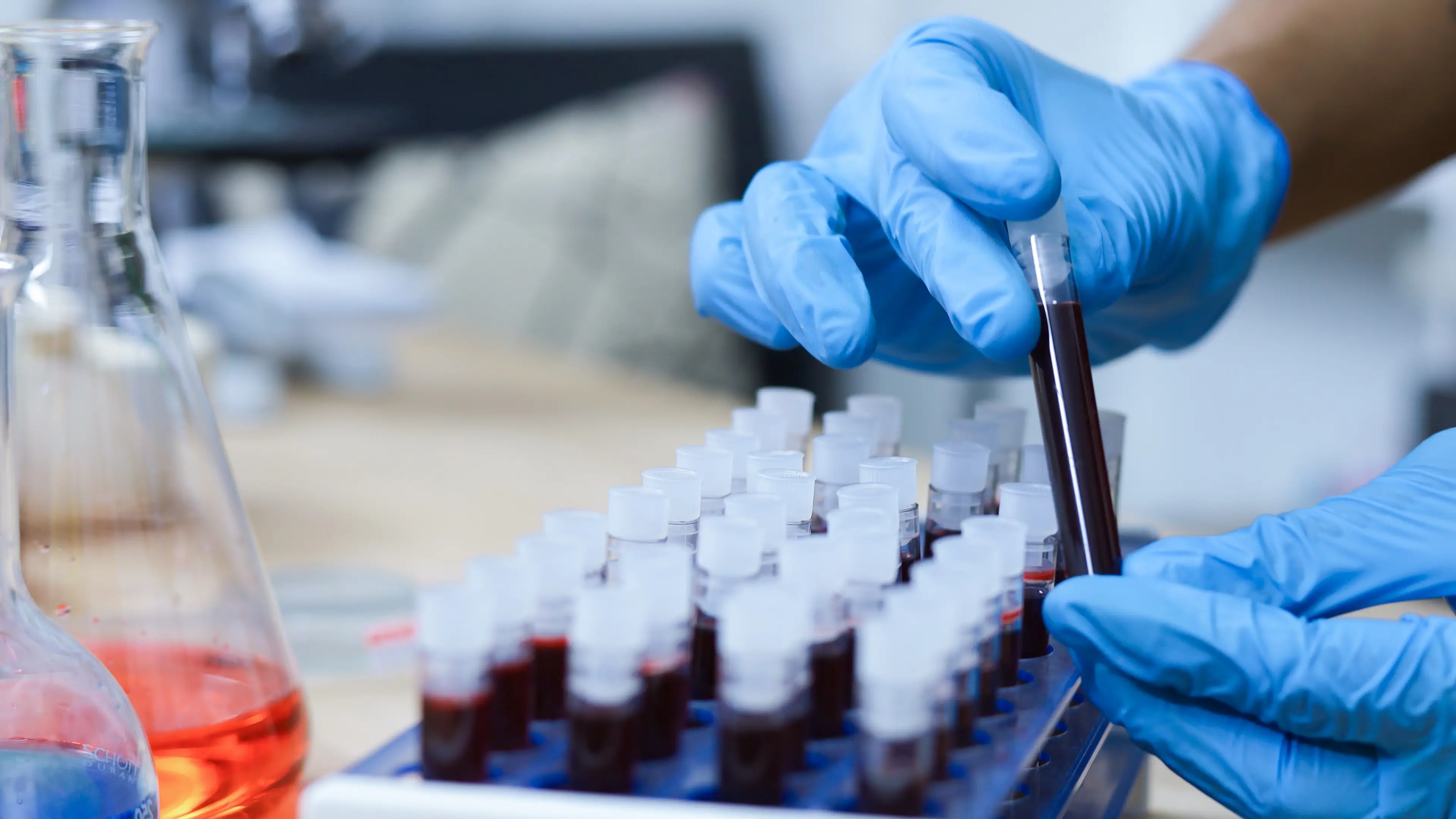
Experts discover some people with long Covid have abnormalities in their blood

While for some people, Covid-19 may feel like a thing of the past with all the mask-wearing, quarantine and panic toilet-roll-buying that came with it, it's still as prominent as ever for others, who have unfortunately been struggling with the symptoms of long Covid for years now.
The World Health Organisation officially declared the Covid-19 outbreak a pandemic in March 2020, but five years down the line, many people are still experiencing debilitating health issues.
As per the NHS website, long Covid, sometimes called post-Covid syndrome, happens when the symptoms of Covid-19 last longer than 12 weeks.
The most common symptoms are listed as being: feeling extremely tired (fatigue), shortness of breath, joint pain and aching muscles and problems with your memory and concentration, also called brain fog.
Advert
However, there is a very long and varied list of other symptoms, including everything from hair loss to skin rashes.
And now, in the latest update on the matter, scientists have discovered strange clots and immune system changes in the blood of patients who have long Covid and such research could lead to new treatments to cure the medical condition.
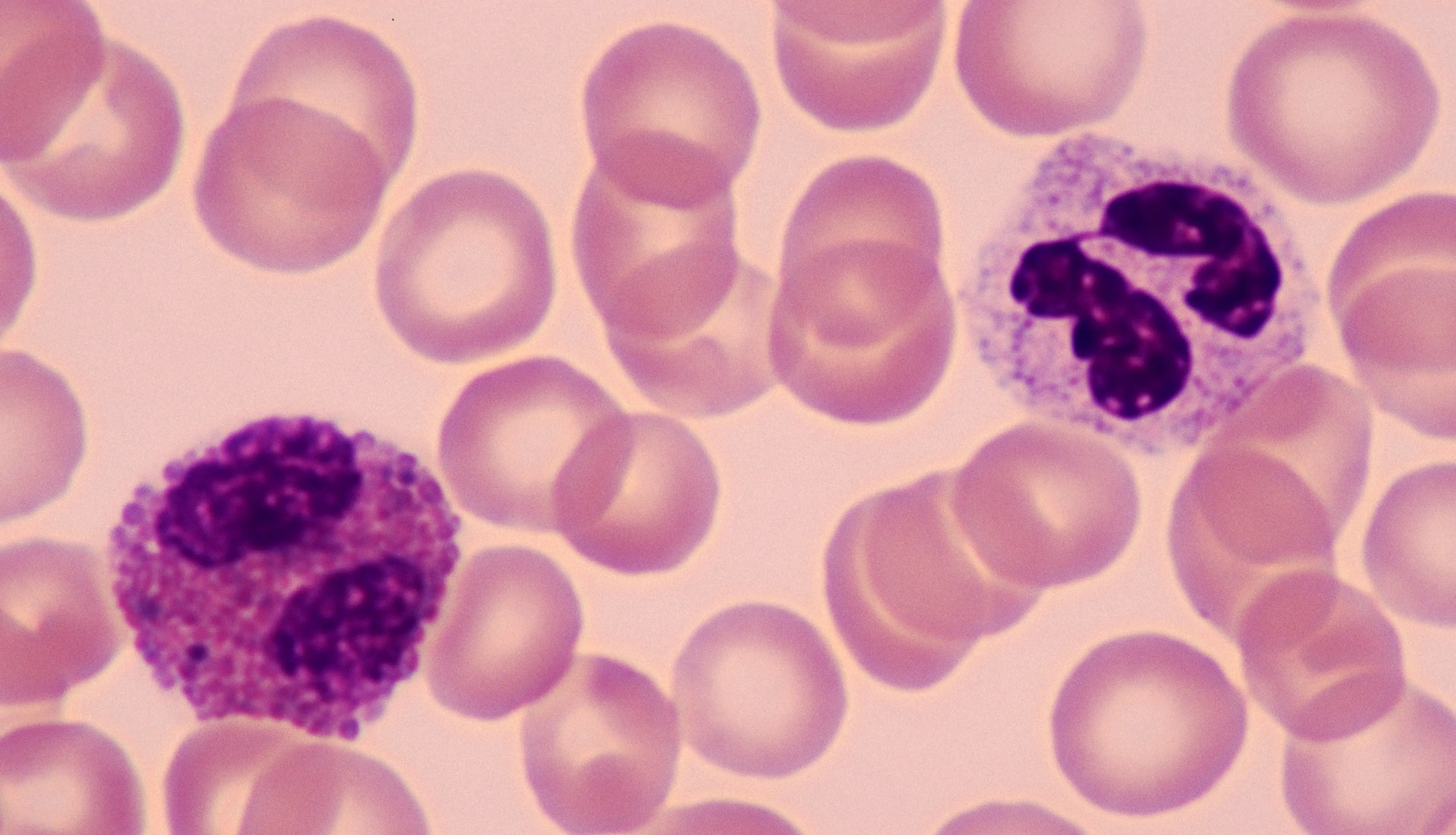
The cause of long Covid has been unclear, but scientists have now identified underlying interactions in long Covid patients between tiny clots in their blood called microclots and changes to white blood cells called neutrophils that could possibly explain the condition.
Neutrophils release DNA to form neutrophil extracellular traps (NETs) - AKA structures that trap pathogens.
Both microclots and NETs appear to interact in long Covid patients; this interaction may trigger persistent inflammation and clotting that exacerbate and prolong Covid-like symptoms, scientists say.
Researchers found that microclots in these patients are larger and harder to break down in long Covid patients when compared to healthy patients.
"This finding suggests the existence of underlying physiological interactions between microclots and NETs that, when dysregulated, may become pathogenic," said Alain Thierry, an author of the study from the Montpellier Cancer Research Institute in France.
Additionally, Resia Pretorius, another author of the study, added that the interaction between microclots and NETs could be making these tiny clots more resistant to being broken down by the body’s natural clot-breaking process, and promoting their persistence in circulation.
The process could drive ongoing symptoms and blood vessel issues seen in long Covid patients, she explained.
"We suggest that higher NETs formation might promote the stabilisation of microclots in the circulation, potentially leading to deleterious effects which contribute causally to the long Covid syndrome," scientists wrote in the study published in the Journal of Medical Virology.
The research offers a new explanation for long Covid symptoms and points to new treatment possibilities so that hopefully, one day, long Covid will be a thing of the past too.
Topics: Coronavirus, Covid-19, Explained, Health, Life, News, World News, Science
 Rhiannon Ingle