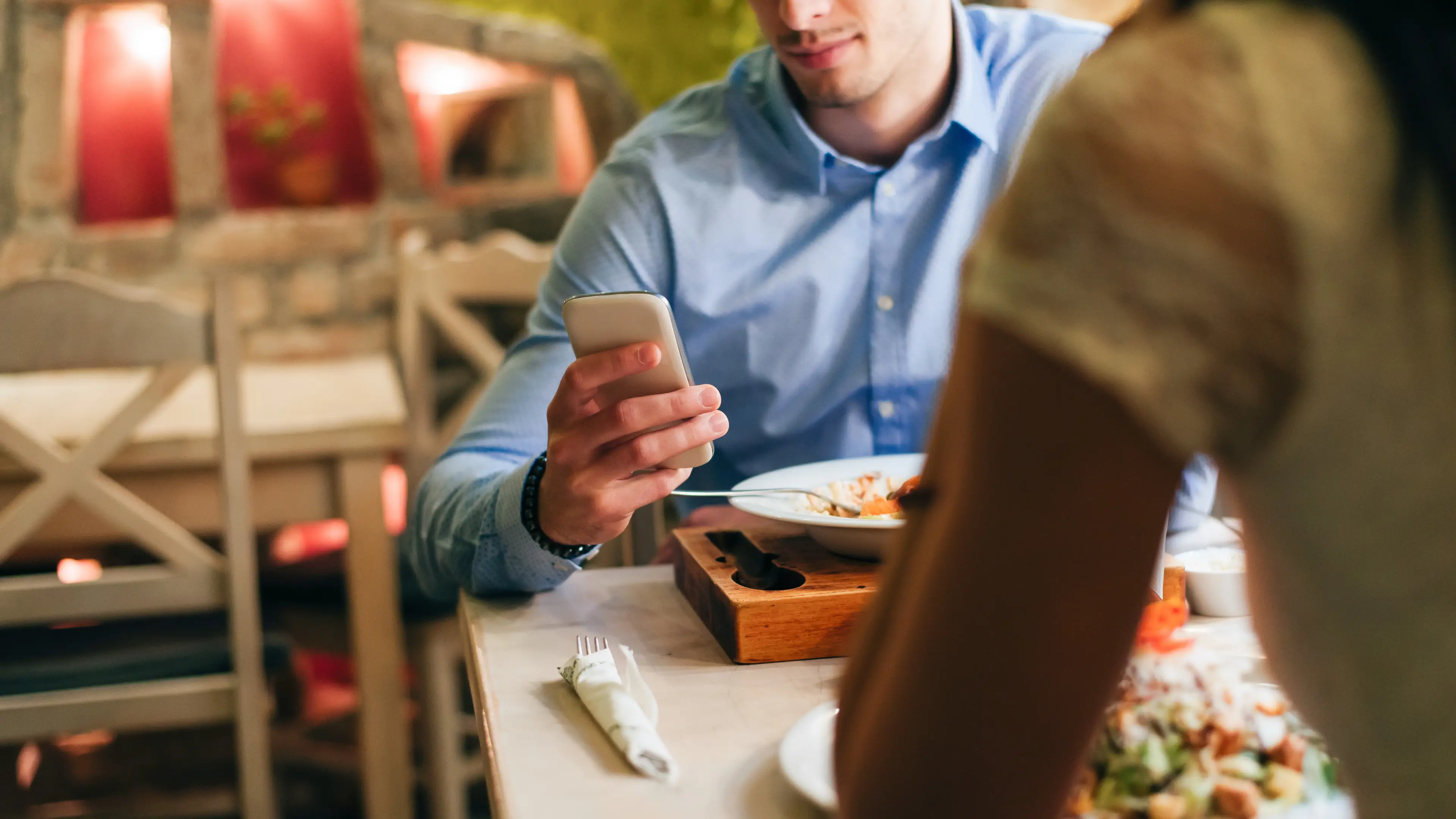
'Phubbing' leaves restaurant staff furious as new trend takes over hospitality industry

Hospitality leaders are speaking out against 'phubbing', slamming the trend as 'incredibly rude'.
The term is a Gen Z-friendly little blend of the words 'phone' and 'snubbing'.
It describes a person being so enraptured by the content appearing on their mobile phone that they're out of tune with the goings on in the world surrounding them, much to the dismay of others.
Computers in Human Behaviour Reports officially defined 'phubbing' last year as 'being absorbed in one's smartphone while in the presence of others and neglecting interpersonal communication'.
Advert
And with a recent Music Magpie study revealing that the average person is subjected to a staggering 146 notifications per day (almost one every 10 minutes), it's really no surprise that youngsters are transfixed by their telephones.

The prevalence of the trend within the hospitality industry was likely further heightened by the Covid-19 pandemic, when restaurants and bars installed 'order at the table' apps to prevent staff coming into close contact with customers.
While many establishments quickly disposed of these handy health hacks when restrictions eased up, food and drink workers say 'phubbing' has lingered on to the point that they're totally blanked by customers on a daily basis.
Rouz G Habibi, who owns More Munchies, a cafe in West London, told SumUp recently: "They walk in on their phones, order on their phones, sit down on their phones. They don’t even look up when you’re serving them.
"I find it very rude and, honestly, quite sad."
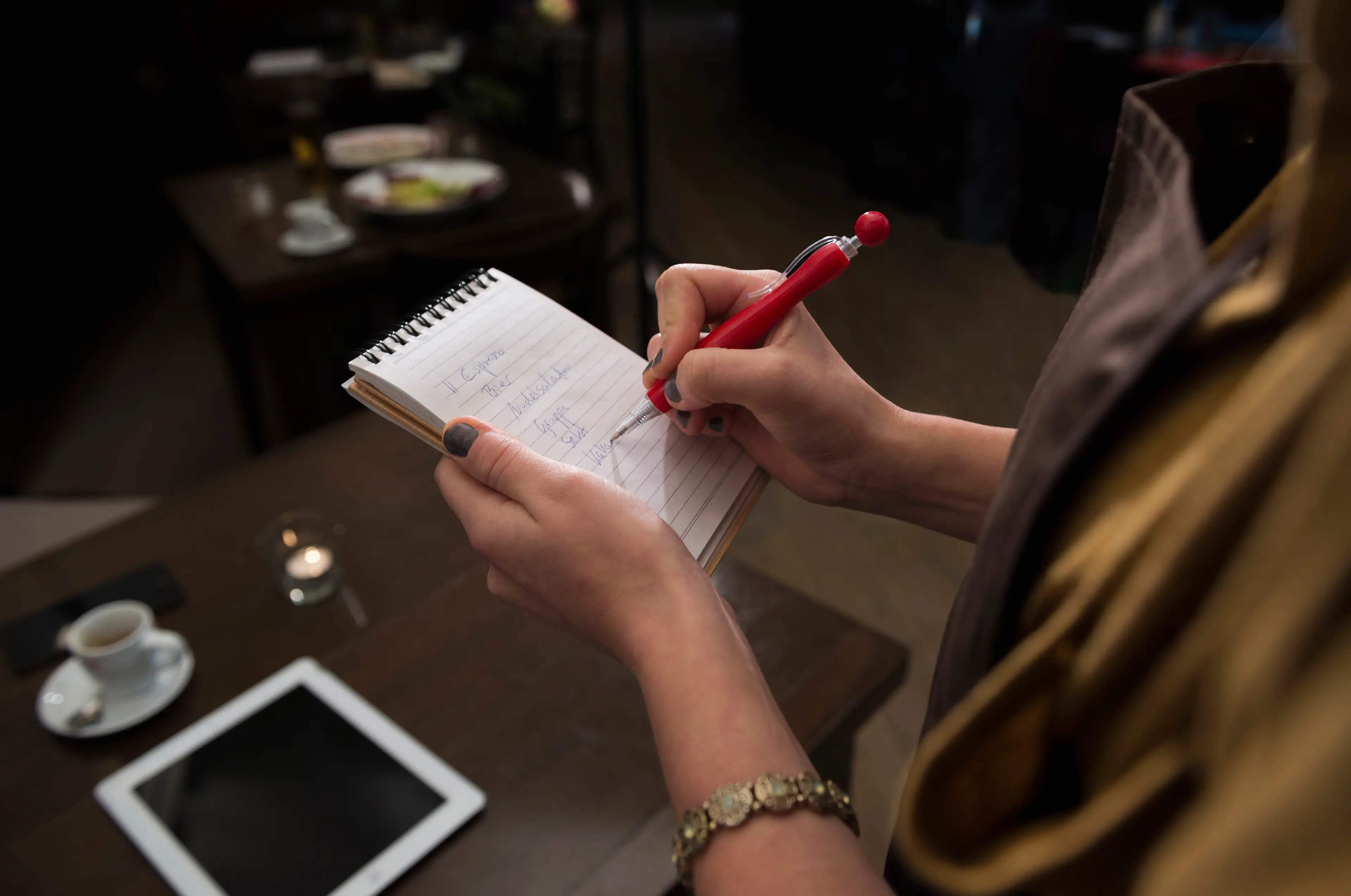
Beverly Botha, who runs The Travelling Cupcake in Hampshire, agreed, claiming it's becoming 'more and more common' for customers to glue their eyes to their phone screens when ordering, as opposed to conversing with a member of her staff.
"As a business owner, I really do understand," she told Metro. "I have to be on my phone so much, so I do get it. But if I’m speaking to a human being in front of me, I always try and make a point of not being on my phone."
Asked what advice she'd give to a self-confessed phone addict, University College London professor Dr Kaitlyn Regehr said they should always keep their eyes and attention on someone paying them the same respect in hospitality venues.
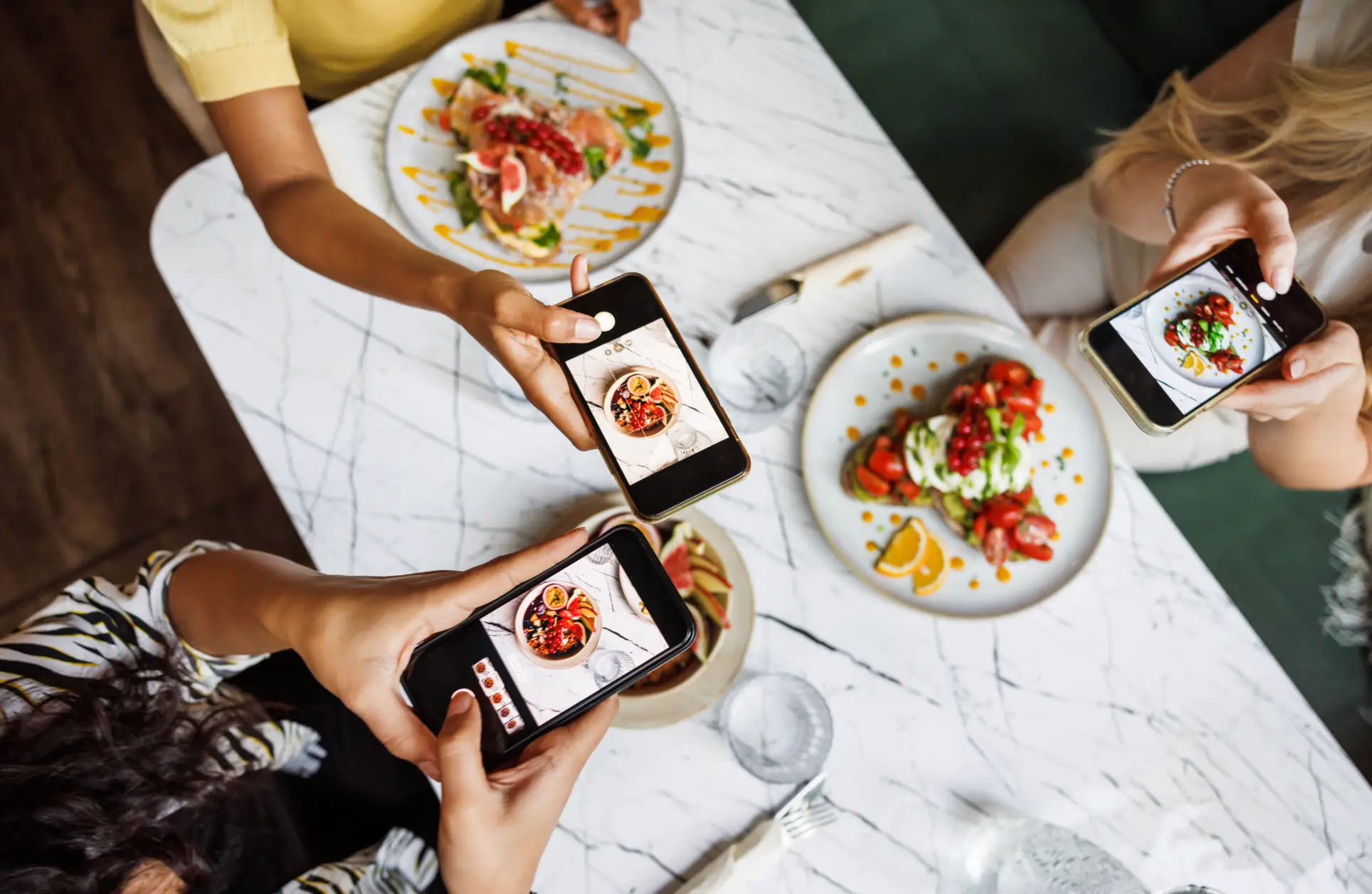
Appearing on BBC's Women’s Hour, she said that even vocalising that you're busy - such as telling your server that you're handling a crisis at work, or replying to a babysitter - can help the person on the receiving end to 'stop feeling ignored'.
She emphasised: "And it keeps you accountable, because you're less likely to drift into other apps or endless scrolling."
Topics: Technology, Food and Drink, True Life, Life, Real Life, iPhone
 Rhianna Benson