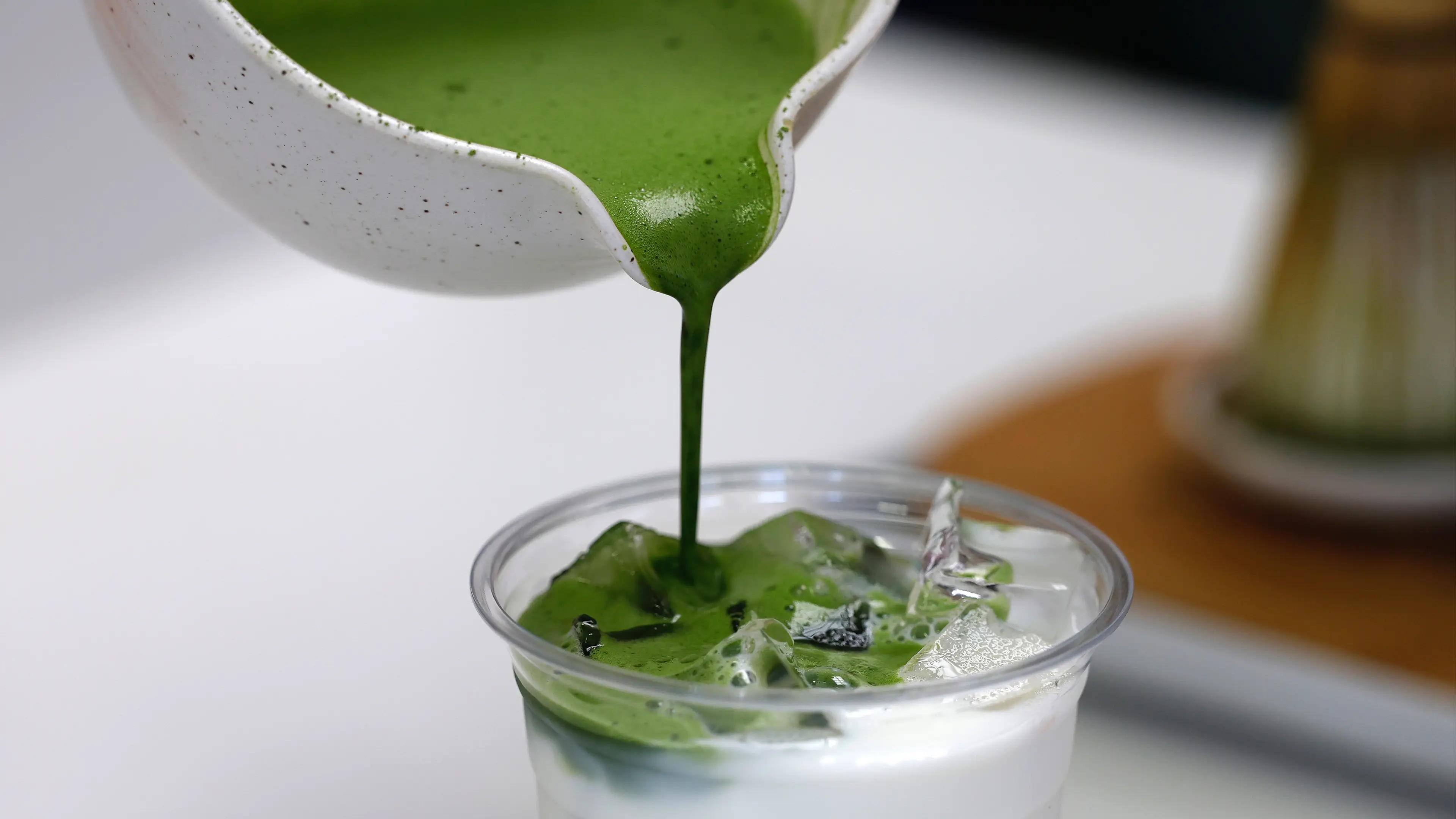
‘Matcha mouth’ explained as dentist issues ‘worrying’ warning over popular drink

Matcha seems to be everyone’s favourite coffee alternative, but drinking it daily may be causing havoc with your mouth health, an expert has revealed.
The green tea variation, famed for its unique umami flavour, is high in antioxidants, may support immune function, improve skin health, and increase beneficial gut microbes, as per various studies.
As well as providing a higher concentration of vitamins, minerals, and fibre than other brewed teas, matcha may support weight management and boost brain health, according to BBC Good Food.
However, people are being warned that there can be too much of a good thing, with experts expressing concerns over something called ‘matcha mouth’.
Advert
Dr Onkar Mudhar, a dentist and content creator, has described the so-called phenomenon as ‘actually pretty worrying’, as per Indy 100.
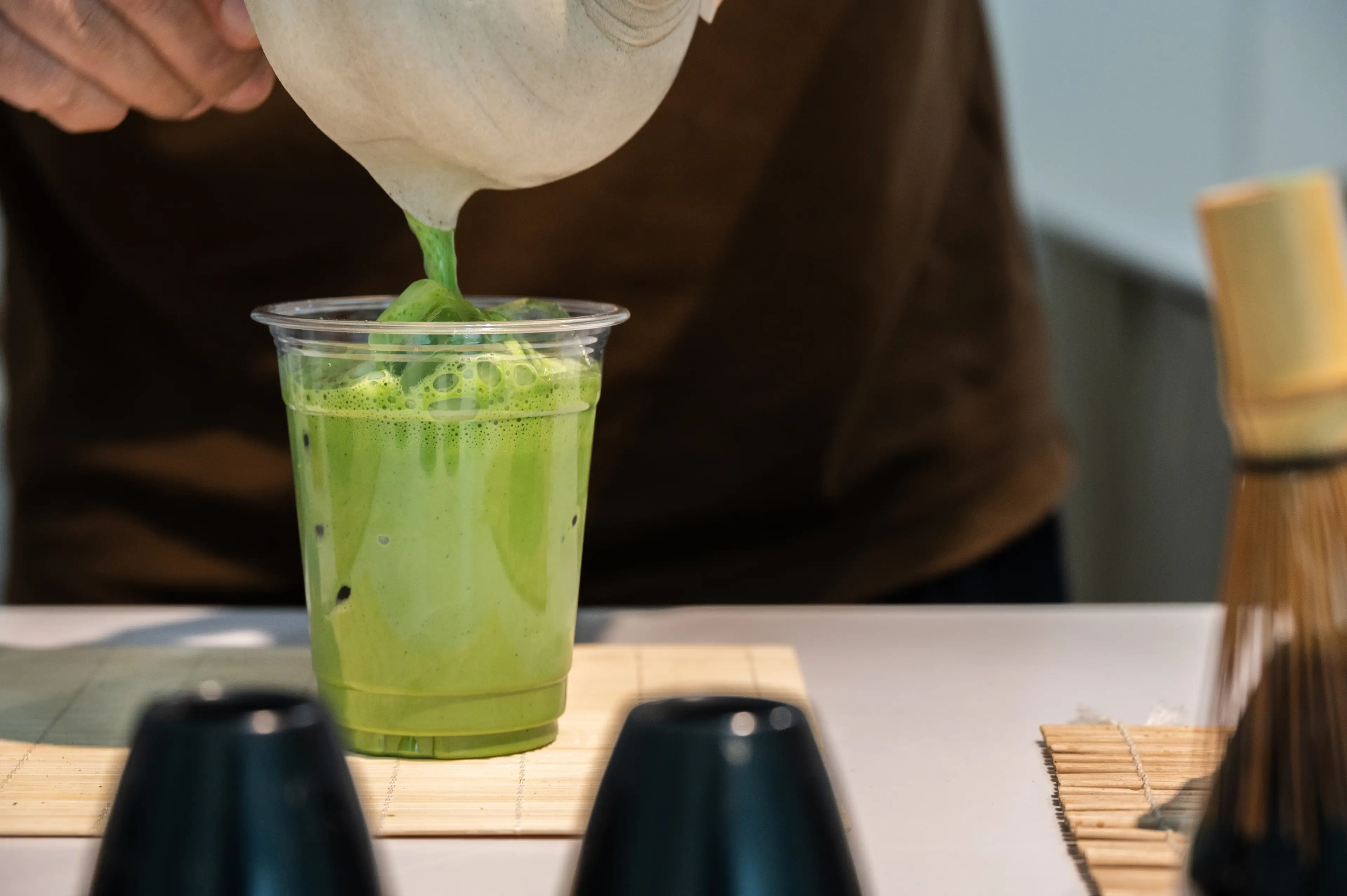
He reasoned that ‘matcha mouth’ occurs because most of the beverages being flogged out of trendy cafés in the UK aren’t as healthy as they first appear.
In fact, so many of them are pumped full of sugar, which can ‘increase attacks’ on our teeth.
According to Bupa UK, sugar is the number one enemy of teeth as it has the ability to corrode the tooth enamel, causing holes known as cavities.
"'Healthy' drinks do mislead the general public into thinking that there's no risk associated with them", Dr Mudhar announced.
"Being seen with a matcha or a trending drink on social media is part of the appeal.”
Anyone who is drinking matcha once a week as part of a healthy diet, consumes plenty of water, and routinely brushes and flosses is probably not at risk of ‘matcha mouth’.
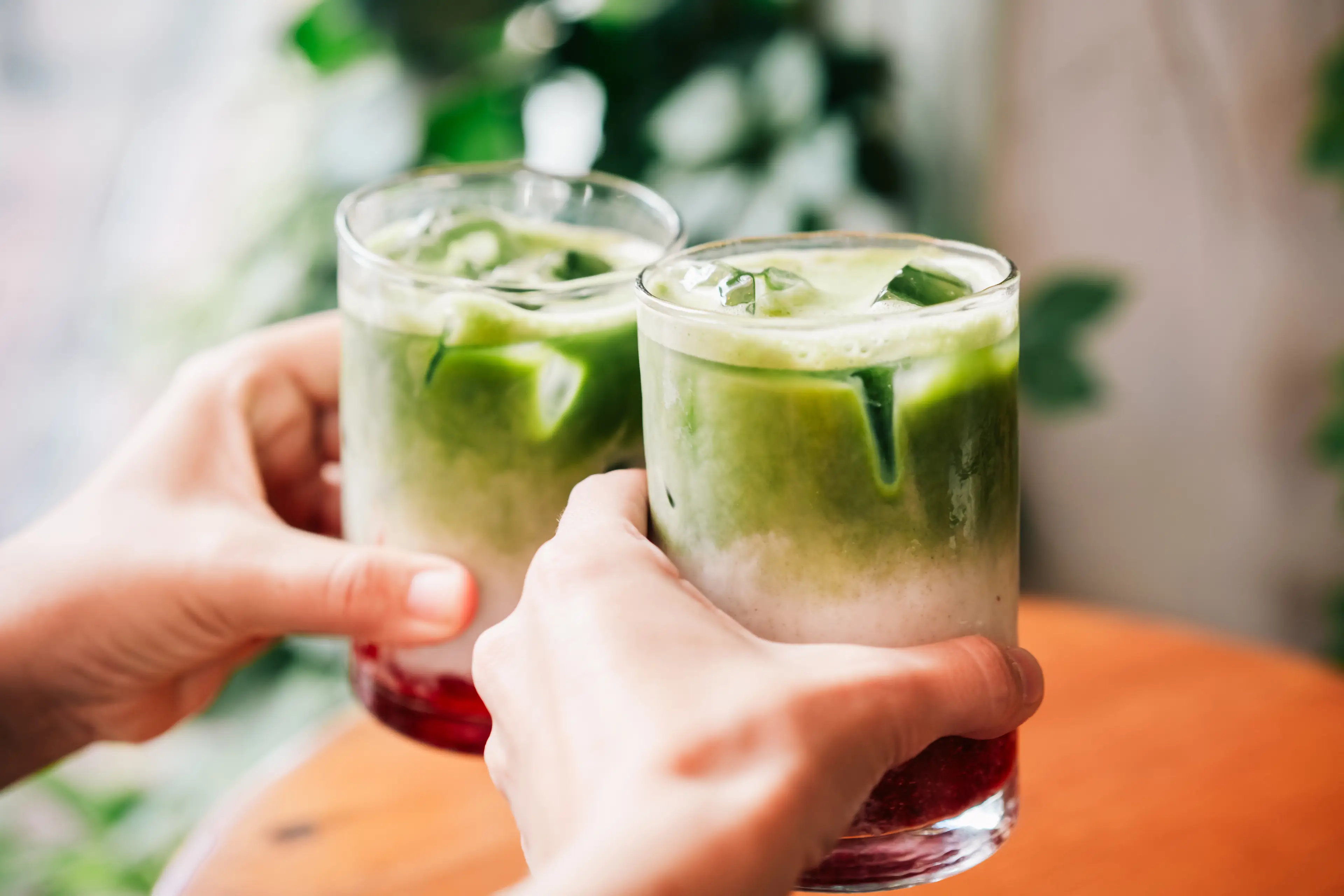
“But, if you’re someone who already has sub-optimal oral hygiene, you don’t visit the dentist, you don’t floss, you brush once a day, you have a high sugar diet already, and you’re having multiple of these sweet drinks … you’re going to develop more cavities,” the expert claimed.
Thankfully, the threat can be avoided by limiting how much sweetened matcha you drink and by selecting sugar-free syrups and foams.
Of course, sugar-free does come with its own risks, as other chemicals are substituted into sugar-free alternatives.
So, if you’re not keen, another way you can avoid the dental threat is by drinking your matcha all at once and rinsing your mouth out with water once you’ve finihsed.
According to the doctor, this will help to ‘neutralise any of the sugar in the mouth’.
Last year, Dr Suzanne Wylie, who works as a GP and medical adviser for IQdoctor, told Tyla that matcha drinkers can suffer from a dry mouth.
"Patients sometimes report that drinking matcha leaves their mouth feeling unusually dry, and it is understandable that this might be mistaken for dehydration.”
She said that this may occur because of the ‘astringent qualities’ of the drink.
“The powdered green tea is particularly rich in polyphenols, such as tannins, which interact with proteins in the saliva.
"When this binding occurs, the saliva temporarily loses some of its lubricating effect, which produces that characteristic dry or puckered sensation."
To avoid dryness, it’s advised you make your matcha with water, cows milk, or another alternative.
"Preparing matcha with milk or a milk alternative may also soften the effect, as proteins in milk bind some of the tannins before they can affect the mouth,” Dr Wylie added.
Topics: Health, Food and Drink, Advice
 Ella Scott