New AI tool can detect 'silent killer' five years before it develops

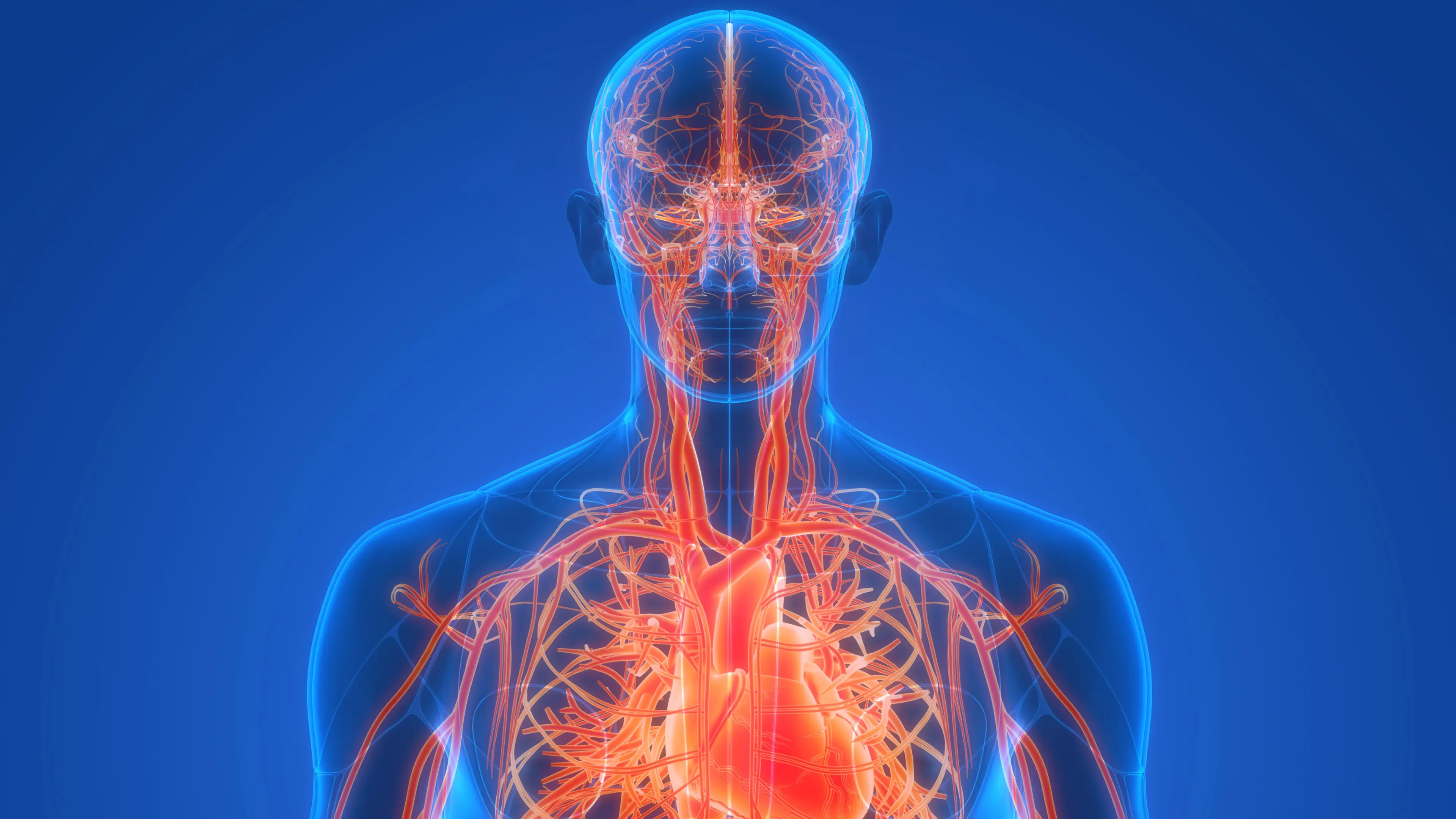
Groundbreaking new AI technology can predict a person’s risk of heart failure five years before it develops, a new study has claimed.
In the UK, there are more than eight million people living with a cardiovascular disease, and they cause over a quarter of all deaths in the country - that equates to an average of 460 deaths each day or one every three minutes.
Issues with the heart, as well as high blood pressure, have been dubbed 'silent killers' because they can go undetected without symptoms for a long period of time.
However, the new research suggests that with the help of artificial intelligence, doctors could try to prevent heart failure from developing or manage the condition in itsnew earlier stages.
Advert
Now, we know that AI can be controversial, and while some people are all for it, others are more sceptical - but when it comes to health, it appears to be making waves in the field.
Researchers from the University of Oxford have developed a pioneering tool that examines routine heart CT scans to identify textural changes in the fat around the heart.

These changes indicate the heart muscle underneath is inflamed and unhealthy, and crucially, they cannot be spotted by doctors through any routine medical imaging tests, the British Heart Foundation confirmed.
So, essentially, the AI analysis can warn doctors when a patient is at high risk of heart failure, which is when the heart is unable to pump blood around the body properly.
The technological tool has been trained and validated on 72,000 patients across nine NHS Trusts in England who had cardiac CT scans between 2007 and 2022.
The new study, which has been published in the Journal of the American College of Cardiology, found that those deemed to be in the highest risk group were 20 times more likely to develop heart failure than those in the lowest risk group.
Researchers found that the high-risk patients had a one in four chance of developing heart failure within five years, so as you can imagine, doctors getting this information early could be life-saving.
The AI tool's algorithm was found to predict the risk that a person would develop heart failure in the next five years with an impressive 86% accuracy.
Additionally, the BHF, which funded the study, said that until now, there has been no way to accurately predict who may develop heart failure this way.
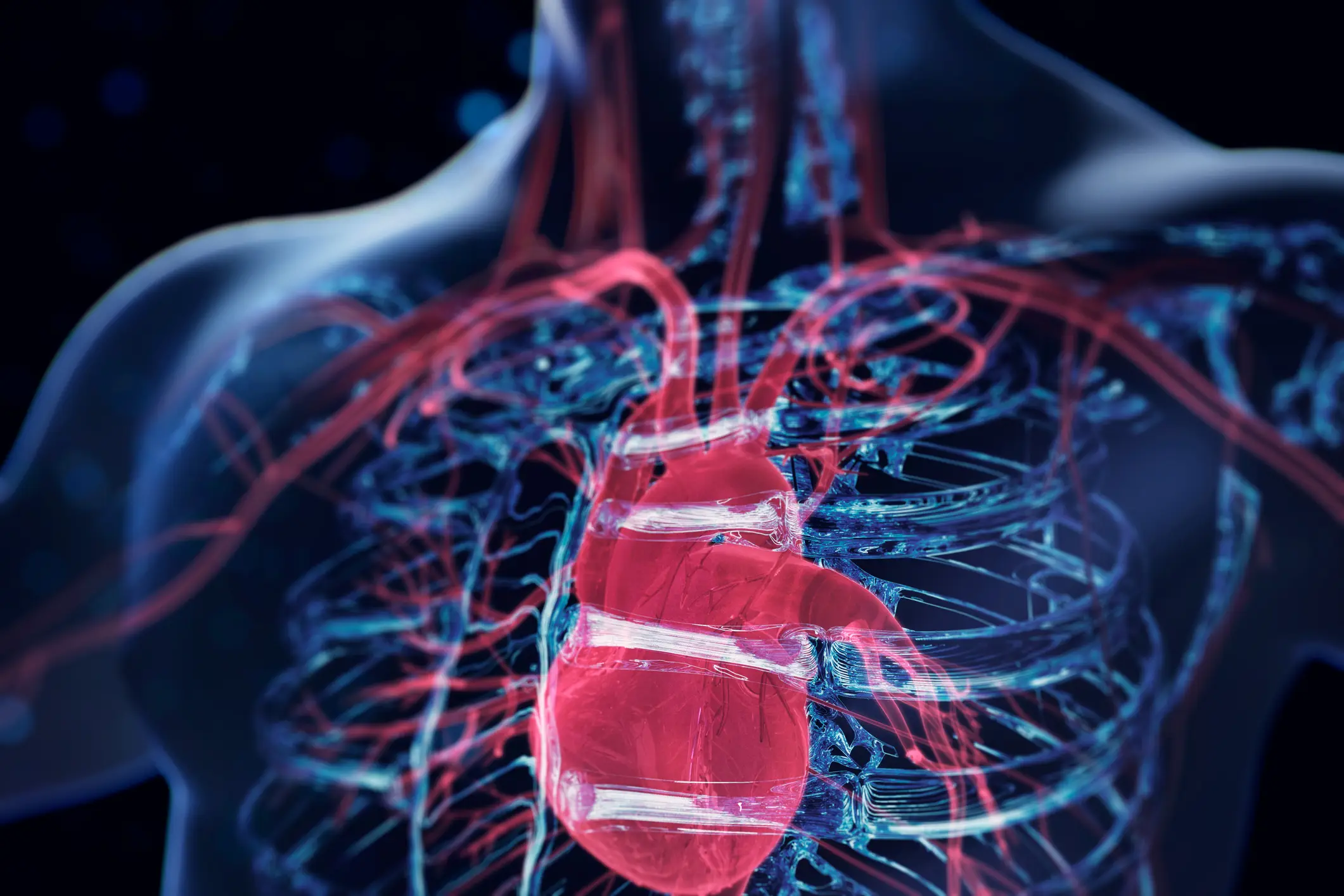
It said that researchers are now looking to roll the tool out across the NHS.
Dr Sonya Babu-Narayan, clinical director at the British Heart Foundation, said: "Heart failure is consistently diagnosed too late, sometimes only when a patient is admitted to hospital.
"Late diagnosis may mean patients already have severe damage to their heart muscle, which might have been avoided."
She urged: "This tool could help doctors spot heart failure earlier, by monitoring more closely those at highest risk.
"Early heart failure diagnosis is crucial – it means doctors can better manage someone’s condition, which gives them a fighting chance of living longer in better health.
"This study demonstrates the power of harnessing technology to unlock improvements in cardiovascular care."
Topics: Artificial intelligence, NHS, Health, News, UK News, World News
 Madison Burgess