Everyday phrases you didn’t realise have racist origins

It turns out that a shocking amount of 'normal' every day phrases came from racist origins.
Sentences you've probably uttered without blinking an eye come from shocking roots.
Most of us don't to say anything hurtful or racist knowingly, but it seems that the etymology of much of our language and popular turns of phrase have a questionable history.
Now that we mention it, some of them might seem glaringly obvious and hiding in plain sight, while with others the connotation is long gone.
Advert
Language is something that constantly changes and evolves with time, and each generation creates new slang.
If you've got kids or teenagers in your house, you're probably infuriatingly familiar with the 'six, seven' trend, or by the time you've learned exactly what a 'skibidi toilet' is they've moved onto something else.
Many of these phrases have survived centuries and have lost all sense of their original meaning, so how many of these do you use?
Master bedroom
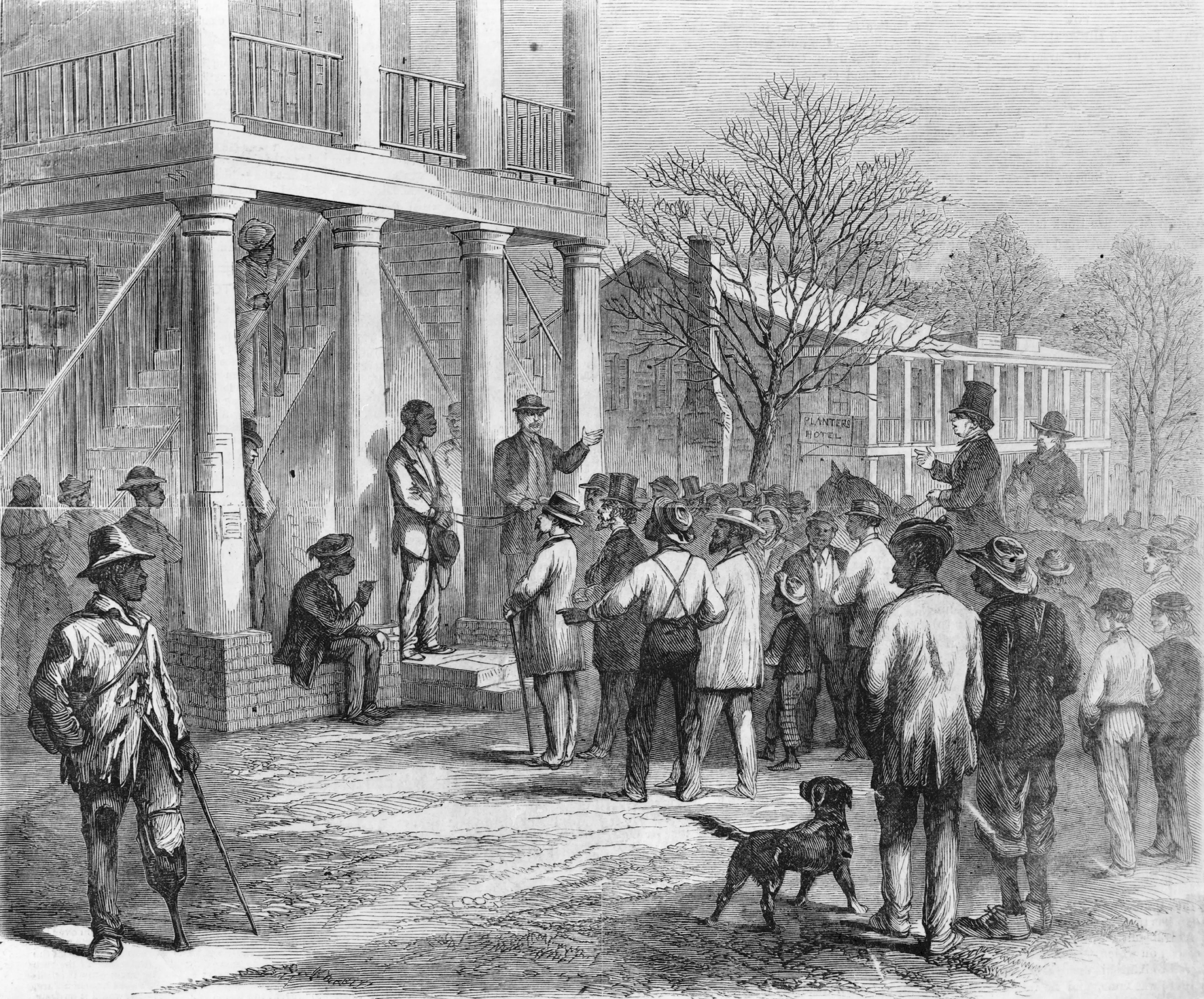
If you love browsing property websites for a house way outside your budget (guilty pleasure here!), chances are you'll have come across the phrase 'master bedroom', to signify the largest or main bedroom in the house.
According to a real estate blog, the phrase 'master bedroom' appeared for the first time in the 1926 Sears catalogue.
It was used to reference a Dutch colonial home, and the phrase described a large second floor bedroom with a private bathroom.
The idea of a 'master bedroom' became more popular in the wake of World War II, as working parents wanted a private space at home.
Many members of the real estate industry believe the term 'master' should be retired due to the slavery connotations, and should instead be replaced with 'primary'.
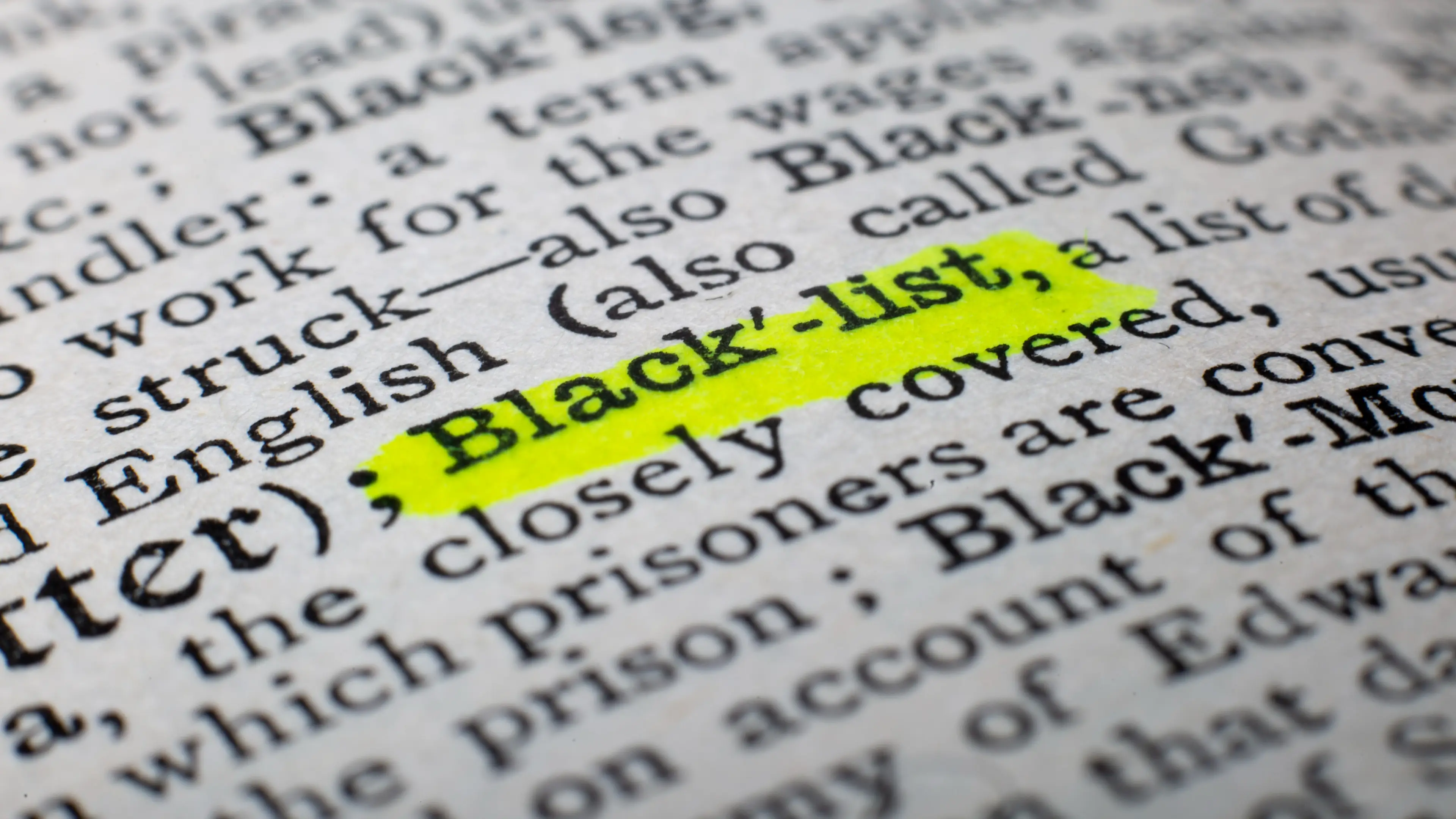
Blacklists
Blacklists and whitelists are phrases used in computer technology, to refer to a directory of information.
For blacklists, this can include email addresses, IP addresses or URLs that are blocked.
Whitelists are made up of things that are allowed, and many people argue has racial connotations of Black being negative and white being positive.
Many developers are now encouraging the use of 'blocklist' instead of 'blacklist' and 'allowlist' instead of 'whitelist'.
The National Institute of Standards and Technology recently said it would stop using any computer security terms with racist overtones such as 'blacklist'.
Cakewalk
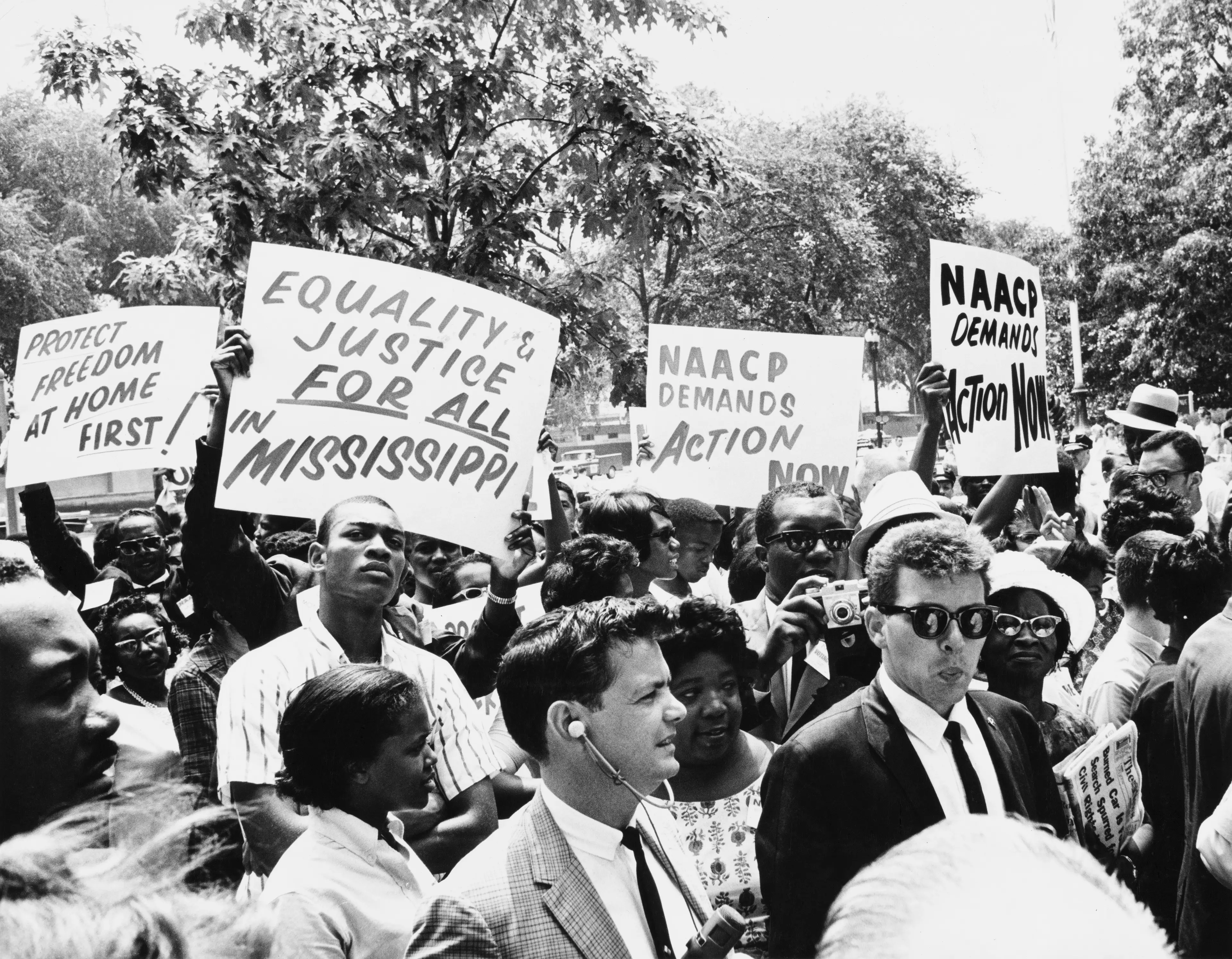
The term cakewalk in modern parlance is used to refer to an easy victory, or something that’s easy to do.
It was originally a dance which was performed by enslaved Black people on plantations.
It dates back to before the Civil War, and started out as mocking the way white people danced.
Slave owners also held contests making enslaved people dance for cake, and it was also popularised in minstrel shows.
Lynch mob
This is one of the phrases that hides in plain sight.
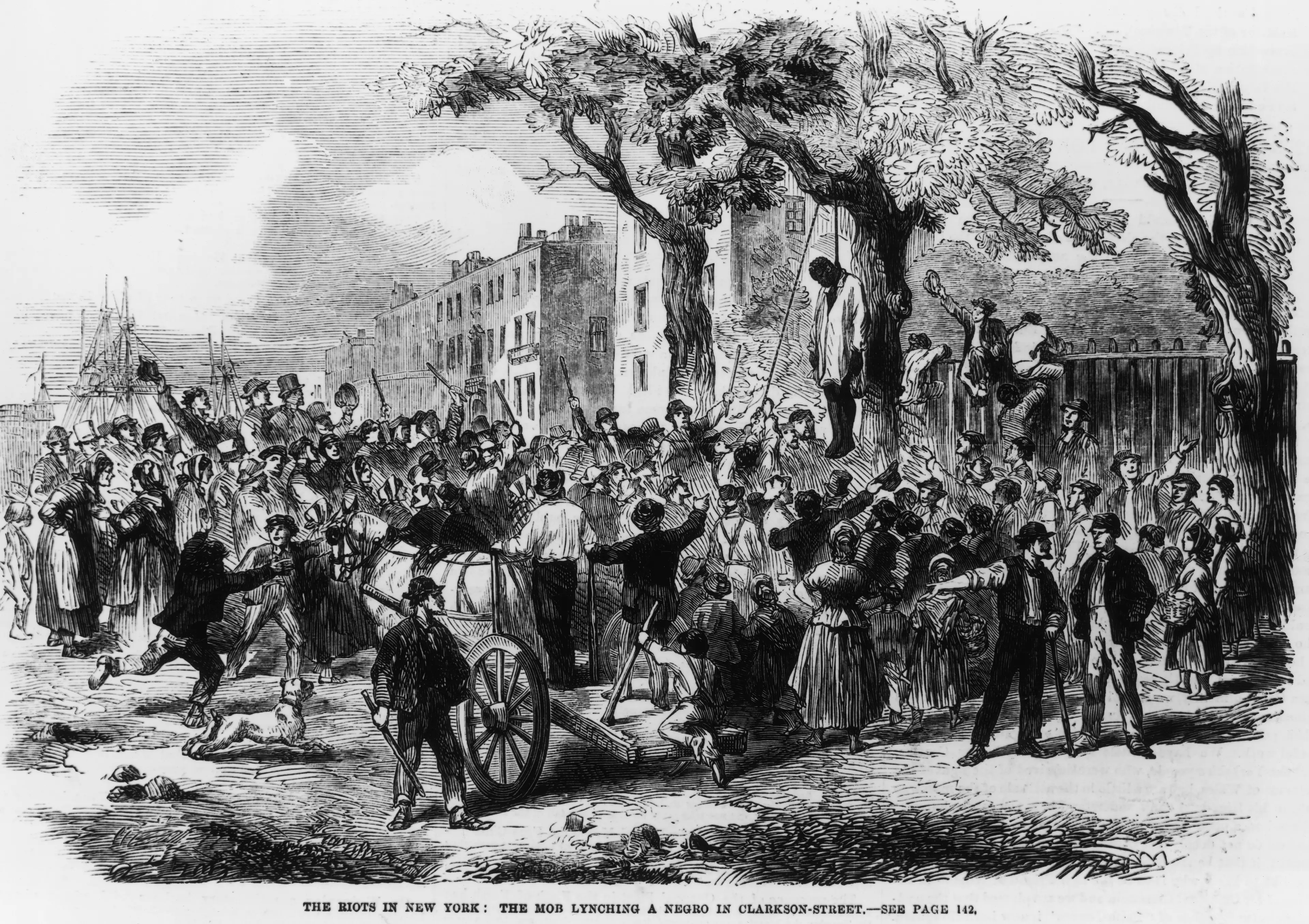
Nowadays, it's used to describe an 'unjust attack,' but lynch mobs were originally gangs of people would would attack, torture and often kill Black people.
The Equal Justice Initiative defines lynchings as 'hangings that inflict terror and are usually racially motivated', but the meaning has changed over time.
 Language evolves over time, so many seemingly-innocent phrases have a shocking past (Fotosearch / Stringer / via Getty Images)
Uppity
Uppity was originally used to describe Black people that slave owners thought weren't paying them enough respect.
Krystal Smalls is an assistant professor of anthropology and linguistics at the University of Illinois Urbana-Champaign, and said: “It was and remains an insulting way to describe a Black person because it suggests that they are ‘too big for their britches’ or are demonstrating a sense of dignity or autonomy they are not supposed to possess."
Barack and Michelle Obama and Meghan Markle have all been called 'uppity' by critics.
No can do
This phrase was used to mock Chinese immigrants for the way they spoke in the 19th century, and was making fun of their speech patterns when English wasn't their first language.
Another phrase with a similar history is 'long time no see'.
 Jen Thomas