tyla homepage
  • News
  • Life
  • TV & Film
  • Beauty
  • Style
  • Home
  • News
    • Celebrity
    • Entertainment
    • Politics
    • Royal Family
  • Life
    • Animals
    • Food & Drink
    • Women's Health
    • Mental Health
    • Sex & Relationships
    • Travel
    • Real Life
  • TV & Film
    • True Crime
    • Documentaries
    • Netflix
    • BBC
    • ITV
    • Tyla Recommends
  • Beauty
    • Hair
    • Make-up
    • Skincare
  • Style
    • Home
    • Fashion
    • Shopping
  • Advertise
  • Terms
  • Privacy & Cookies
  • LADbible Group
  • LADbible
  • UNILAD
  • SPORTbible
  • GAMINGbible
  • UNILAD Tech
  • FOODbible
  • License Our Content
  • About Us & Contact
  • Jobs
  • Latest
  • Archive
  • Topics A-Z
  • Authors
Facebook
Instagram
X
Threads
TikTok
Submit Your Content
Colorectal cancer warning signs in Gen Z and Millennials revealed by Yale doctor

Home> Life

Published 16:09 15 Apr 2026 GMT+1

Colorectal cancer warning signs in Gen Z and Millennials revealed by Yale doctor

Haddon Patel, MD, described the surge in colorectal cancer cases amongst under 50s as a 'clear uptick'

Rhianna Benson

Rhianna Benson

google discoverFollow us on Google Discover
Featured Image Credit: Getty Stock Images

Topics: Bowel cancer, Cancer, Health, Real Life, True Life, Advice

Rhianna Benson
Rhianna Benson

Rhianna is an Entertainment Journalist at LADbible Group, working across LADbible, UNILAD and Tyla. She has a Masters in News Journalism from the University of Salford and a Masters in Ancient History from the University of Edinburgh. She previously worked as a Celebrity Reporter for OK! and New Magazines, and as a TV Writer for Reach PLC.

X

@rhiannaBjourno

Advert

Advert

Advert

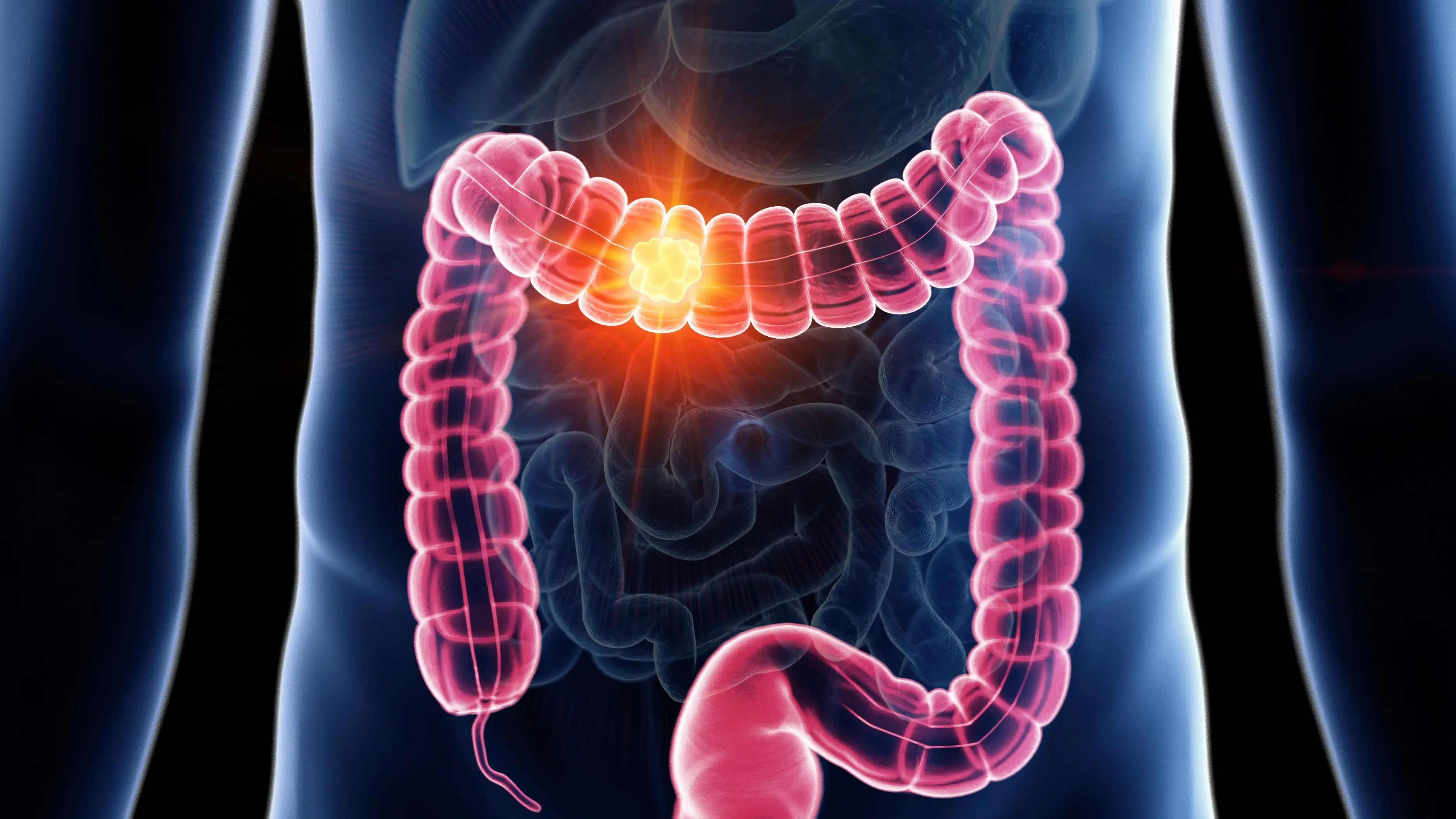
A doctor specialising in colon and rectal cancer at Yale University is raising awareness of the most overlooked indicators of the disease in under-50s.

Haddon Patel, MD, a colorectal cancer surgeon, noted the staggering surge in cases amongst members of the Gen Z and Millennial communities in recent years, describing it as a 'clear uptick'.

His comments come in light of the American Cancer Society publishing a study earlier this year, recording that deaths from colon and rectal cancers in this age group had risen by 1.1 per cent annually since 2005, making it the most common cause of cancer-related deaths after previously coming in fifth.

The steady rise in cases has led several health bodies, including the Preventive Services Task Force (USPSTF) and the Multi-society Task Force on Colorectal Cancer in the US, to campaign for colorectal cancer screenings to be brought forward.

Advert

Health bodies are campaigning for the colorectal screening age to be brought forward (Getty Stock Images)

These groups recommend screenings take place from the age of 45 - five years earlier than what is currently recommended - and continue periodically until the age of 75. The issue is, however, that many patients are being diagnosed at an even younger age than 45.

Patel cited a father-of-four in his 30s who recently received a colorectal cancer diagnosis, after he initially dismissed his rectal bleeding as the result of haemorrhoids. On another occasion, over a week-long period, the medic and his colleagues diagnosed seven patients with rectal cancer, the oldest of whom was 35 and the youngest, just 18.

With this in mind, Dr Patel believe an awareness of the most common, and frequently overlooked, symptoms is vital when it comes to arranging treatment.

According to Yale Medicine's official website, these include:

  • Rectal bleeding, blood found in a stool, or blood found in the toilet after using the bathroom
  • Stools being a different shape (pencil-thin) or colour (black or dark brown) than usual
  • Changes in bowel movements, whether this be a change in the frequency of movements, diarrhoea, constipation
  • Fatigue, low energy or tiredness
Fatigue is another common indicator (Getty Stock Images)

Dr Patel explained: "Even if you're in your 20s or 30s, you should get checked out if you have rectal bleeding, if you have any change in your bowel habits, any change in appetite (like feeling 'full' early), weight loss, or abdominal pain that is not explained."

He went on to emphasise that symptoms can vary between colorectal cancer patients - if may be that one patient endures watery stools, whilst another's are more solid than before.

"So, a mass in the right colon may go unnoticed, because the loose stool is able to move past any mass until it nearly or completely obstructs the bowel," he explained.

"So many patients are referred to me for treatment of haemorrhoids, but you need to make sure rectal bleeding is not something more serious, no matter how old the patient."

Choose your content:

5 hours ago
6 hours ago
  • Getty Stock Images
    5 hours ago

    End of the universe could happen a lot sooner than we thought, physicists now claim

    Hawking radiation could trigger the evaporation of the Milky Way's stars at a much quicker rate than first expected, triggering Armageddon

    Life
  • Getty Stock Images
    6 hours ago

    'Seagulling' explained as grim new dating trend sweeps over Gen Z

    We've all heard of ghosting and breadcrumbing, but what about seagulling?

    Life
  • Getty Stock Image
    6 hours ago

    STI and STD differences explained as sexual health experts fight stigmas

    Sexual health experts are attempting to raise awareness of the key differences to improve accuracy and remove harmful stigmas

    Life
  • Getty Stock Image
    6 hours ago

    Doctor reveals one lifestyle choice that can make your manhood shrink

    You may want to rethink your daily habits after reading this one

    Life
  • Bowel cancer risk in under 50s can be reduced by several lifestyle changes, doctor reveals
  • Cancer risk myths you should avoid listening to
  • Cancer diagnoses among Gen Z and Millennial women are surging - it's important to know the signs
  • Extremely rare type of cancer has quadrupled in millennials as 'tip of the iceberg' warning is issued