
Bowel cancer risk in under 50s can be reduced by several lifestyle changes, doctor reveals

A doctor has issued vital advice after new data revealed bowel cancer to be the ultimate cause of cancer-related death in individuals under 50.
Published earlier this year by the American Cancer Society, studies found that deaths from colon and rectal cancers in this age group had risen by 1.1 per cent annually since 2005, sending it from the fifth most common cause of cancer deaths to the top spot.
Taking to Instagram in light of the unnerving revelation, GP and TV star, Dr Amir Khan, reshared an interview he gave previously during an appearance on This Morning, where he discussed the most likely contributing causes to the rise in cases.
"We are seeing younger people being diagnosed with bowel cancer, right across the board - particularly in wealthier countries. We think that is because of several things that happen all throughout life, and it starts in childhood," he explained.
Advert

"We're seeing it in these generations more so now than we did in previous generations."
Issuing advice to viewers that fall into this category, Dr Khan suggested several preventable causes.
"It's exposure to ultra-processed foods, sugary drinks, being overweight, particularly in childhood," he listed what many doctors view as the most likely contributors to a rise in cases.
"Antibiotic use as well, in children, changes the gut microbiome and gets rid of some of those really helpful gut bacteria."
He continued: "Sedentary lifestyle - all of those things add up over time, and so we're seeing increasing younger people, under the age of 50, getting it.
"We're looking at research in air pollution and microplastics as well."
Scientists at the charity Bowel Cancer UK agree with Dr Khan that over half (54%) of all bowel cancers could be prevented by making some lifestyle changes.
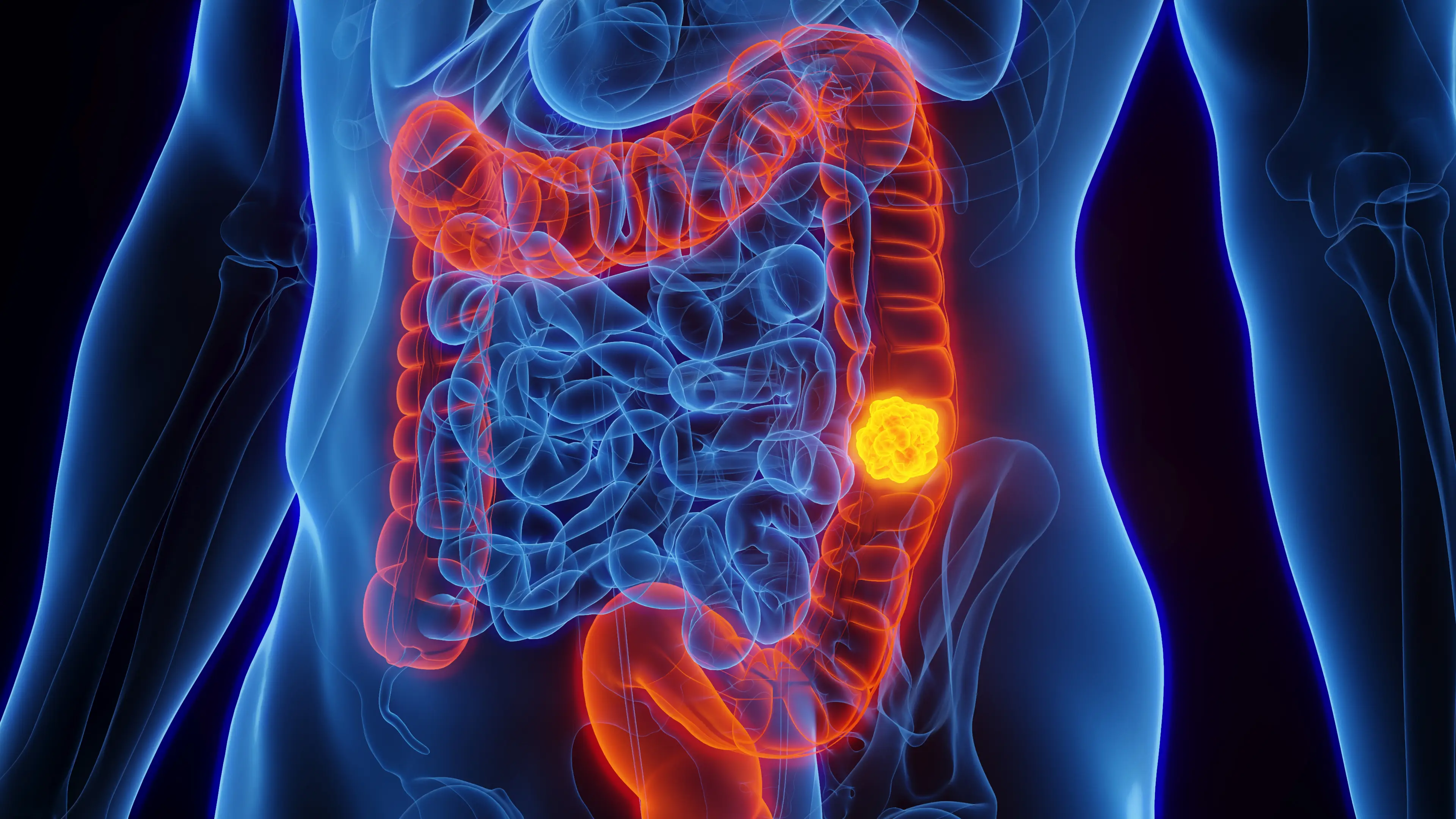
In terms of diet, their experts suggest staying on top of your 5-a-day, upping your intake of fibre and pulses, choosing wholegrain carbs, cutting out processed and sugary foods, keeping hydrated and avoiding high-fat snacks. It's also recommended that young people prioritise lean proteins like chicken, fish and tofu, as these help our body repair cells.
As Dr Khan emphasised, the charity also urged under-50s to work towards a healthy weight, possibly by referring to their BMIs, remaining aware of portion sizes and avoiding calorific meals and snacks.
Physical activity is also highly encouraged when it comes to lowering the risk of bowel cancer, with experts recommending at least 30 minutes of exercise five times a week. It's also advised that those who live sedentary lifestyles, possibly due to their office job, stand up and walk around regularly.
Both smoking and drinking have long been linked to an increased risk of developing cancer, including that of the bowel.

Those who partake in the former are more likely to develop polyps (non-cancerous growths) in the bowel, which could turn into cancer, while alcohol has been known to damage the cells that line the inside of the bowel.
According to Mayo Clinic, many people with colon cancer don't have symptoms at first, and when they do appear, they'll likely depend on the cancer's size and where it is in the large intestine.
Symptoms can include:
- A change in bowel habits, such as more frequent diarrhoea or constipation
- Rectal bleeding or blood in the stool
- Ongoing discomfort in the belly area, such as cramps, gas or pain
- A feeling that the bowel doesn't empty all the way during a bowel movement
- Weakness or tiredness
- Losing weight without trying

If you’ve been affected by any of these issues and want to speak to someone in confidence, contact Macmillan’s Cancer Support Line on 0808 808 00 00, 8am–8pm seven days a week.
Topics: Bowel cancer, Cancer, Health, Advice, NHS
 Rhianna Benson