
Scientists reveal true cause of death - it's not old age

The traditional belief that people can die from 'old age' following the gradual decline of their systems has been refuted by scientists.
Apparently, no matter how old a person ages - even if they make it past 100 - there's always a medical reason behind their death, according to a research team at the German Centre for Neurodegenerative Diseases.
According to their recent study, published in Genomic Press, what is often described as 'death by old age' is, in fact, a biological clock that occurs when specific diseases overwhelm the system.
On top of this, the team argued that several 'Hallmarks' of getting older - such as lingering dead cells, damaged DNA and tired chromosome caps - aren't killers in themselves.
Advert
Instead, they claimed these occurrences were symptoms of the deeper aging process, which is defined by a state of increased vulnerability to a series of diseases that do have the capacity to kill, like heart failure.
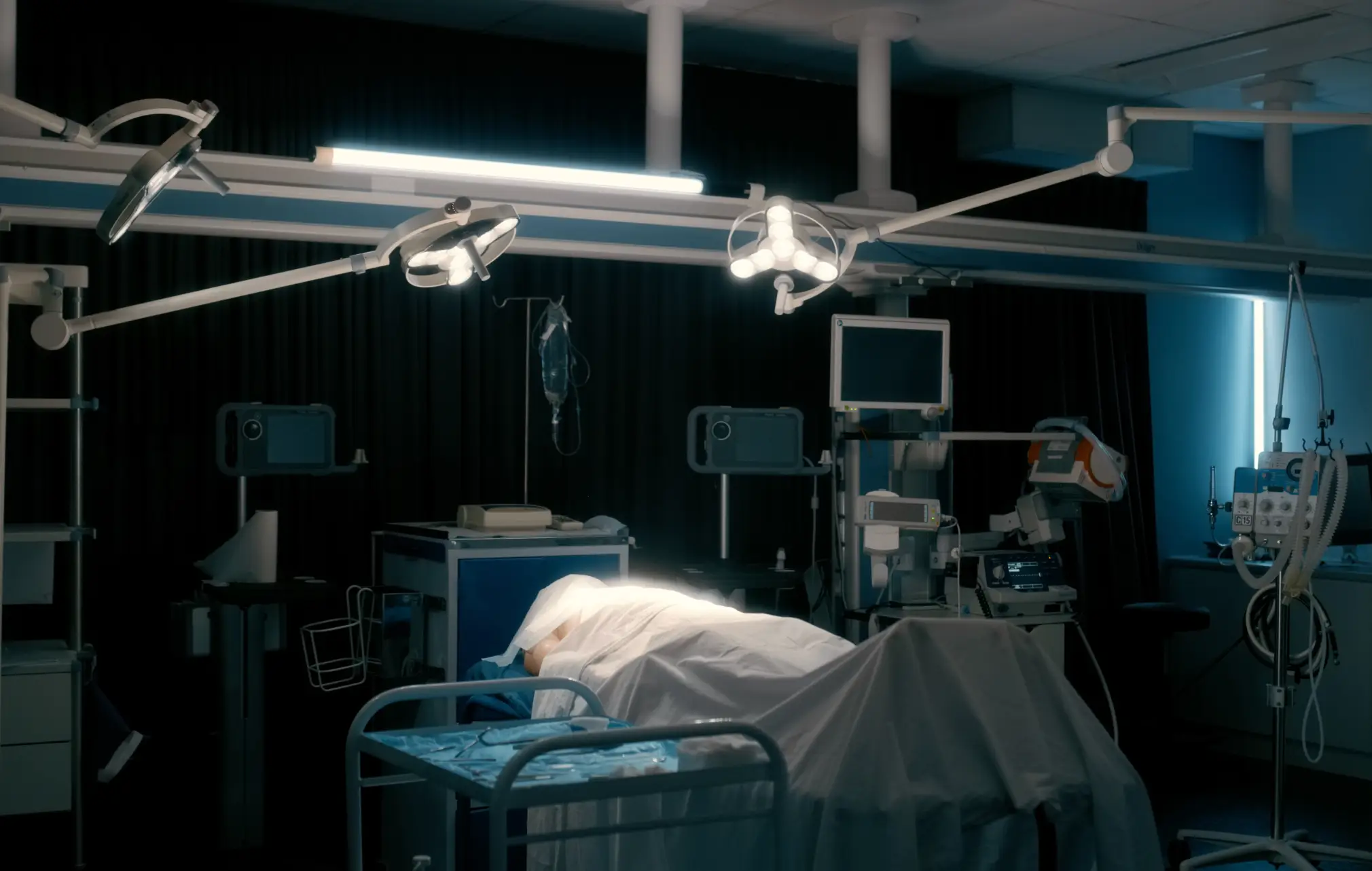
As part of the study, over 2,000 human autopsy reports were analysed by the group, who recognised the circulatory system as the primary point at which the body tends to fail.
This implies that, when we describe someone as having died of 'old age', we're most likely referring to death by either cardiovascular disease or heart attacks specifically - both of which tend to remain undiagnosed until autopsy.
Apparently, these conditions account for a staggering 39 per cent of all cases.
Arguably more staggering, however, is that within autopsies of centenarians, no one died of 'old age' - instead, almost 70 per cent succumbed to cardiovascular issues, a quarter died of respiratory failure, and smaller groups passed away as a result of other specific organ failures.
Heart attacks made up 39 per cent of these, general heart/lung failure made up 38 per cent, strokes made up almost 18 per cent, blood clots occurring in the lungs accounted for 10 per cent, whilst a major artery rupture accounted for just under 10 per cent.
These stats make up more than 100 per cent because some patients endured a combination of these issues.

In their study, researchers further write that autopsies are vital in 'correcting misperceptions' by relatives and physicians to offer a 'more accurate assessment of mortality and exposing the hidden burden of lethal disease'.
In terms of repercussions, researchers argue that their findings call into question the legitimacy of 'anti-aging' science, which promises to slow the ageing process.
Arguing that it might merely delay one particular disease, the team said in a statement (cited by The Daily Mail): "Aging research has long been shaped by assumptions that may not fully account for the complexity of the aging process. One of the most persistent assumptions is that extending lifespan equates to slowing aging."
They added, however: "Age-related mortality is often determined by a narrow set of life-limiting pathologies rather than by a generalised, systemic aging process.
"As a result, lifespan extension frequently reflects the delayed onset of specific diseases rather than a slowing of aging per se."
 Rhianna Benson