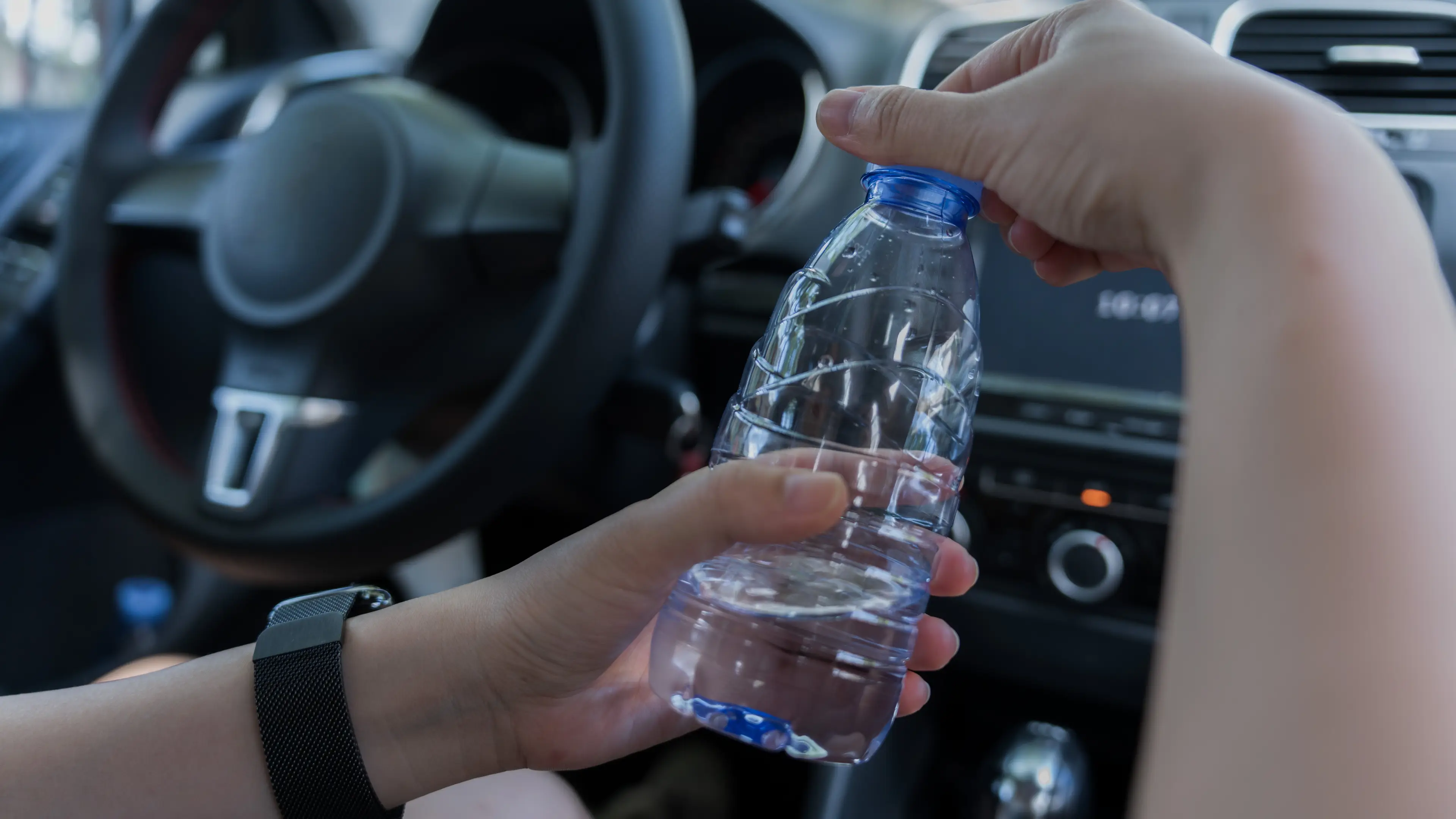
Hidden risk of drinking bottled water left in your car during a heatwave

We've all done it.
You head out on a warm day, grab a bottle of water, take a few sips, then forget about it completely until you spot it rolling around in your car a day or two later.
While it might seem harmless enough to pick it up and carry on drinking, experts say there could be a hidden downside to that sun-baked bottle sitting in your cup holder.
As temperatures rise during a heatwave, cars can become surprisingly hot in a matter of minutes.
Advert
According to the National Weather Service, the temperature inside a vehicle can increase by around 20 degrees in just 10 minutes, with direct sunlight and closed windows pushing it even higher.
The concern isn't usually about the water itself but more about what can happen to the plastic bottle when it's exposed to heat for long periods.
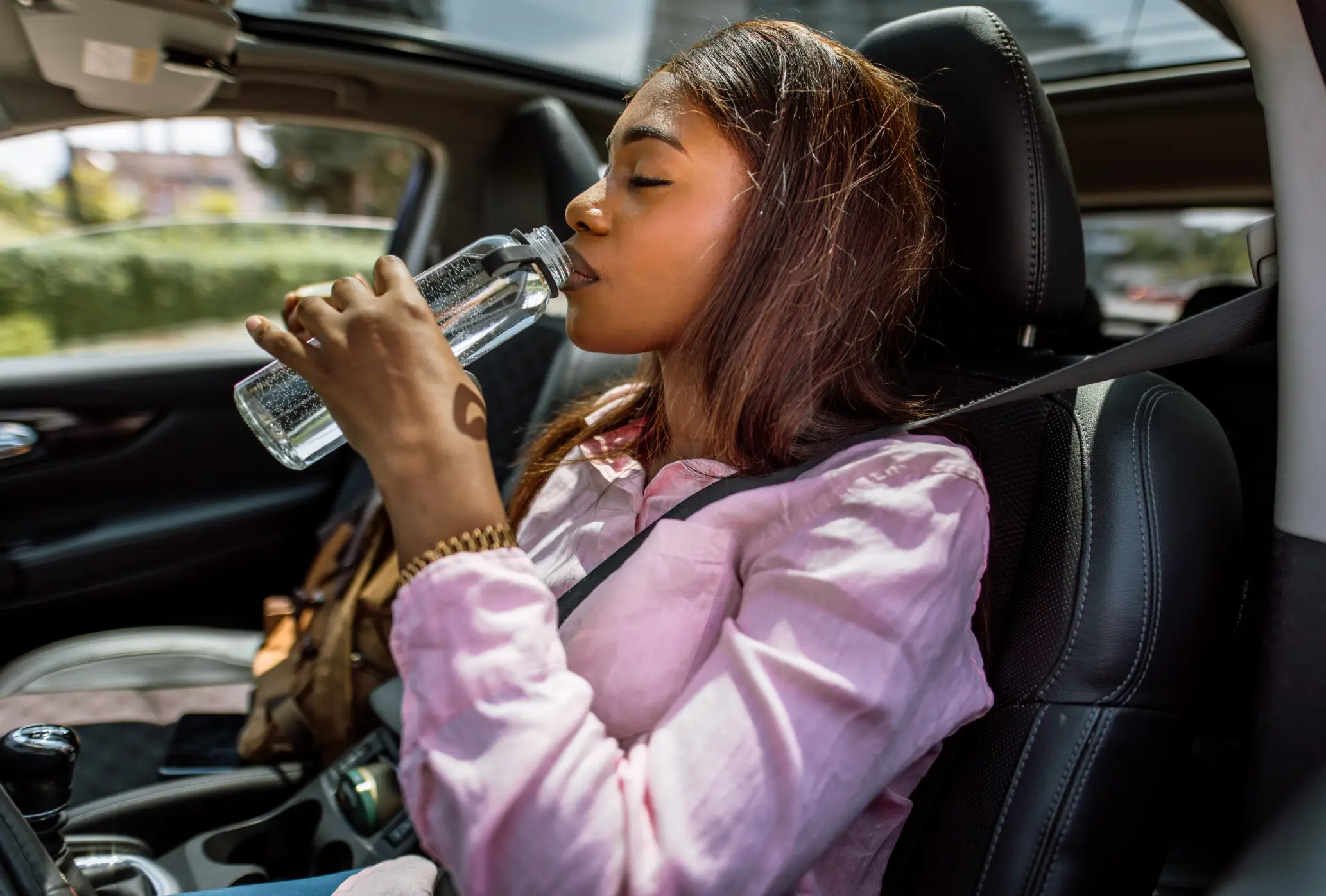
Recent research has highlighted growing concerns around microplastics - AKA the tiny plastic particles that can end up in food and drinks.
A 2023 study examining common plastics found that heat and UV exposure caused materials used in bottles and packaging to break down, releasing billions of microscopic plastic fragments into water.
Bottles stored in refrigerated conditions released almost none by comparison.
Scientists have also been looking at the chemicals that can leach from plastic when exposed to extreme temperatures.
Back in 2014, researchers investigated 16 brands of bottled water stored at 158°F (70°C) for four weeks.
The study detected higher levels of antimony, a substance classified as toxic by the Centers for Disease Control and Prevention, as well as bisphenol A (BPA), a chemical that has faced scrutiny for years over potential health concerns.
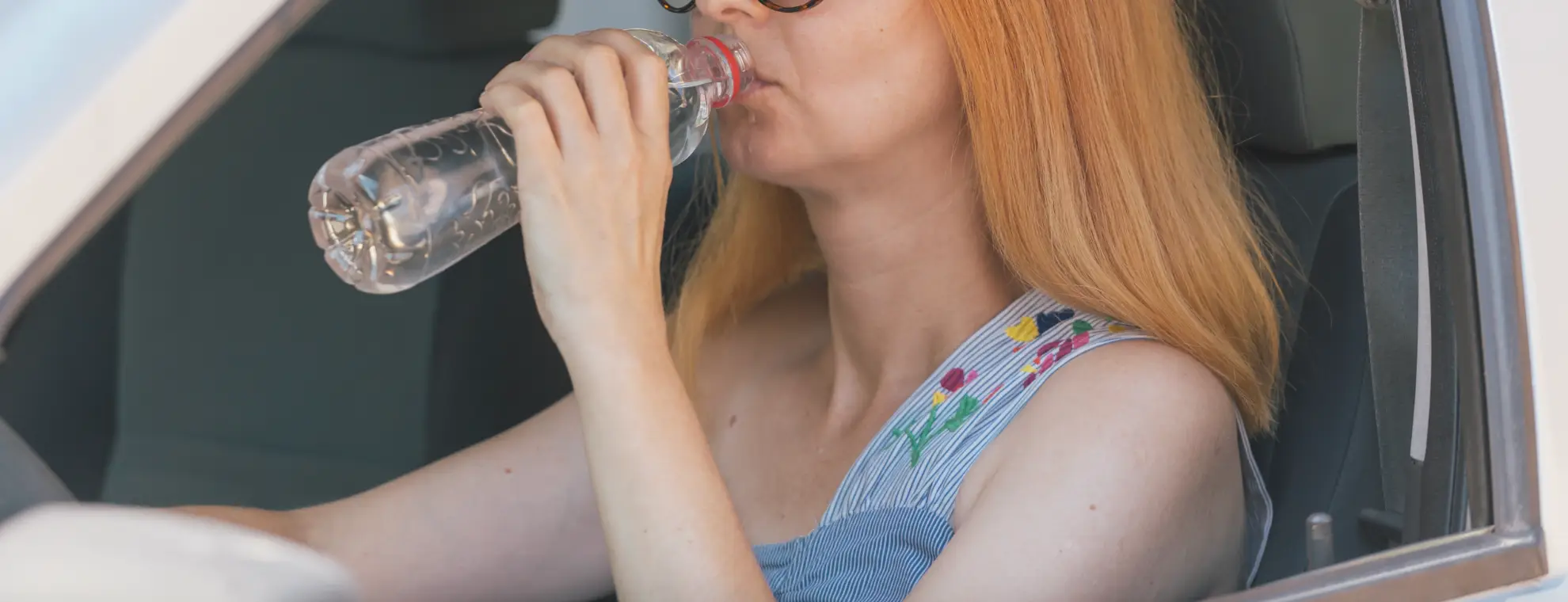
The researchers described the experiment as a 'worst-case scenario' for human consumption.
"If you store the water long enough, there may be a concern," soil and water science professor Lena Ma, and lead researcher on the study, noted at the time.
The team also advised people against leaving bottled water in a 'hot garage for weeks on end or in your car all day during the summer'.
That doesn't mean a bottle left in your car for a couple of hours is automatically unsafe.
Generally, sealed bottled water that has only been exposed to heat for a short period is still considered safe to drink, but the bigger issue comes when bottles are repeatedly heated and cooled, or left in extreme temperatures for days at a time.
Experts also recommend throwing bottled water away if the seal has already been broken, if the bottle appears warped or damaged, or if the water smells or tastes unusual.
 Rhiannon Ingle