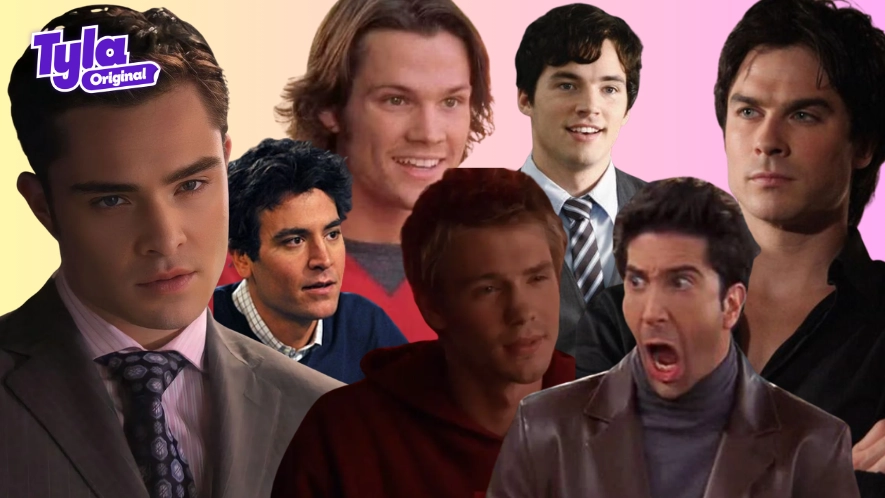
The TV characters Millennials had crushes on that are experts say are super problematic today

Remember when a man flipping his hair, wearing a leather jacket or sending a 'hey you' text was enough to have us kicking our feet and beaming at our Nokia brick phones?
We spent school nights staying up late to watch Gossip Girl, and fell hard for brooding, dark-eyed vampires, convincing ourselves that a man being jealous or even aggressive just meant he cared.
I don't know about you, but I couldn't wait for the day I'd be saved from a scary situation by a mysterious high-school heartthrob who just happened to be walking by, or have the nice guy and bad boy fight over my affection in the school cafeteria.
Looking back, it was sheer delusion. Obviously.
Advert
And don't even get me started on the grand romantic gestures I prayed would make up my future love story. A blue French horn? A declaration of love in the rain?
Back then, I was sold. Now, I cringe - but I guess that's why nostalgia is such an enigma.
Rewatching the television shows that shaped our innocent teenage years as fully grown adults can feel like opening an old diary and wondering what on earth we were thinking.
Because while we were busy swooning over the boyish cheekbones, the playful chemistry and the MSN messages, some of these male protagonists were displaying behaviour that would have our WhatsApp group chats lighting up with red-flag emojis today.
We're talking possessiveness dressed up as devotion, emotional manipulation passed off as romance, and men who seemed to believe that being attractive was a perfectly acceptable substitute for accountability.
Lynn Carratt, a London-based celebrity publicist and pop culture commentator, exclusively told Tyla: "For Millennials, characters like Chuck Bass, Dean Forester and Ross Geller weren’t red flags. They were the men we were supposed to fall in love with.
"Back in the 1990s and 2000s, television sold us a very particular idea of romance. The more complicated the man, the more romantic the relationship, and we absolutely bought into it."
But it's fascinating to look back at the fictional love interests we once considered the ultimate catch and ask ourselves whether we'd be quite so keen if they slid into our DMs now.
Carratt added: "Part of the problem was that television repeatedly confused obsession with devotion. We were encouraged to root for couples based on chemistry and dramatic storylines, rather than whether they actually treated each other well.
"We also need to remember that these programmes were created in a very different cultural climate. Conversations about emotional manipulation, coercive control, consent and healthy boundaries weren’t nearly as prominent in mainstream entertainment."
Here are seven Millennial heartthrobs whose behaviour deserves a serious review.
Chuck Bass - Gossip Girl
The expensive suits, the husky voice, the questionable morals - there's no TV crush more appropriate to kick things off with than Chuck Bass.
Because if there were an Olympic sport for overlooking small d**k energy just because a man looked good in a suit, this Gossip Girl character would have taken home the gold.
Played by British actor Ed Westwick, Chuck practically invented the brooding Upper East Side rich boy aesthetic, with his tailored coats, sly smirk and famously complicated on-off relationship with Blair Waldorf.
But let's take off the rose-tinted glasses for a moment, shall we?
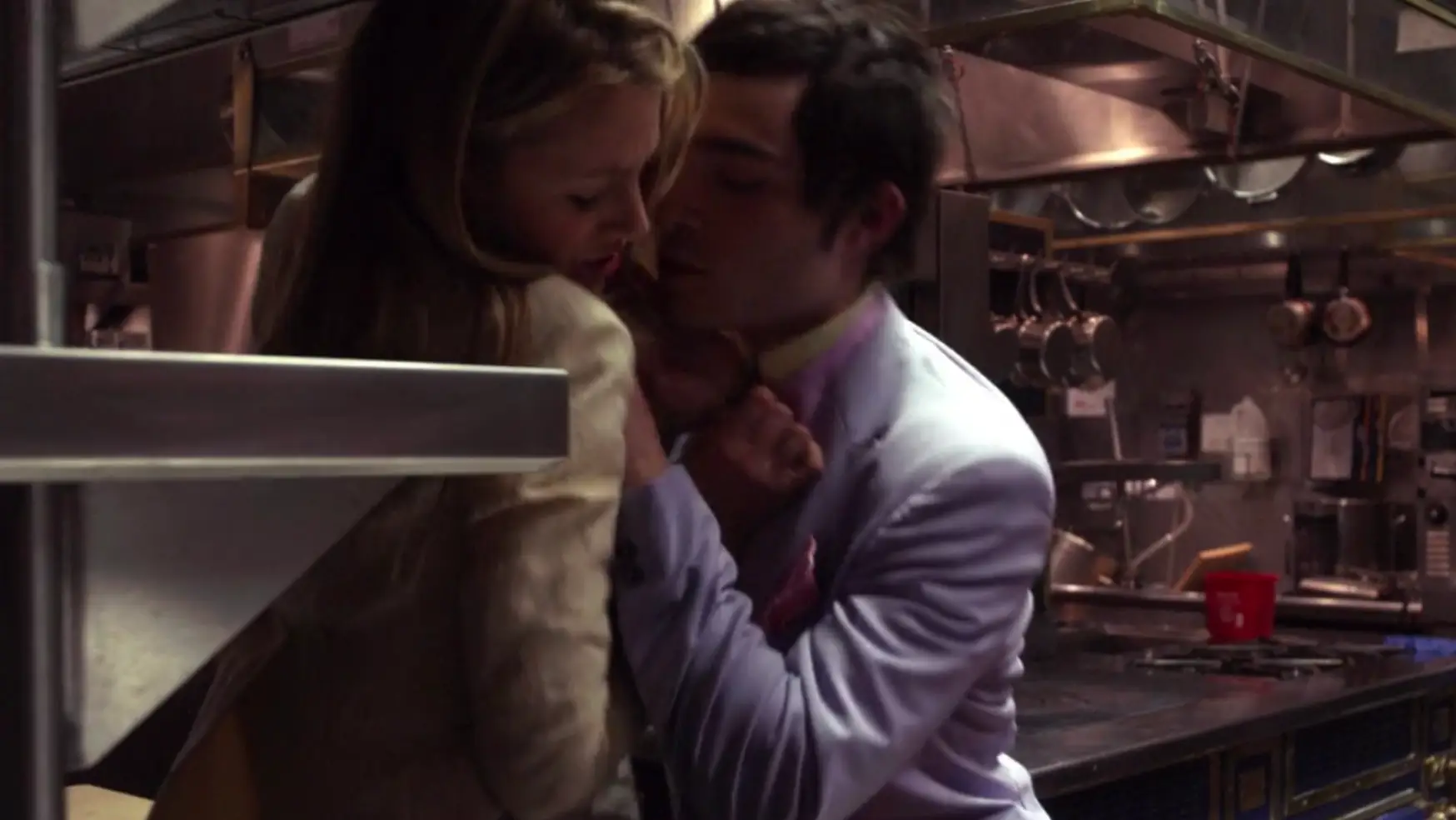
Because, realistically, Chuck's behaviour in the very first episode should have been enough to put us off. He makes unwanted sexual advances towards a drunk Serena van der Woodsen, then attempts to force himself on Jenny Humphrey.
And his treatment of Blair wasn't exactly a fairytale, either, despite his eventual status as a fan-favourite boyfriend.
After the pair sleep together in season one, Chuck cruelly humiliates her, making degrading comments that turn an intimate moment into an exercise in emotional cruelty.
Things get even darker in season three, when Chuck effectively trades Blair's sexual consent for control of the Empire Hotel, agreeing to his uncle Jack's demand that she sleep with him.
Then there's his volatile jealousy. In season four, an argument with Blair escalates into physical intimidation when Chuck punches a glass window beside her, leaving her injured by the shattered glass. And yet, we were still rooting for 'Chair'.
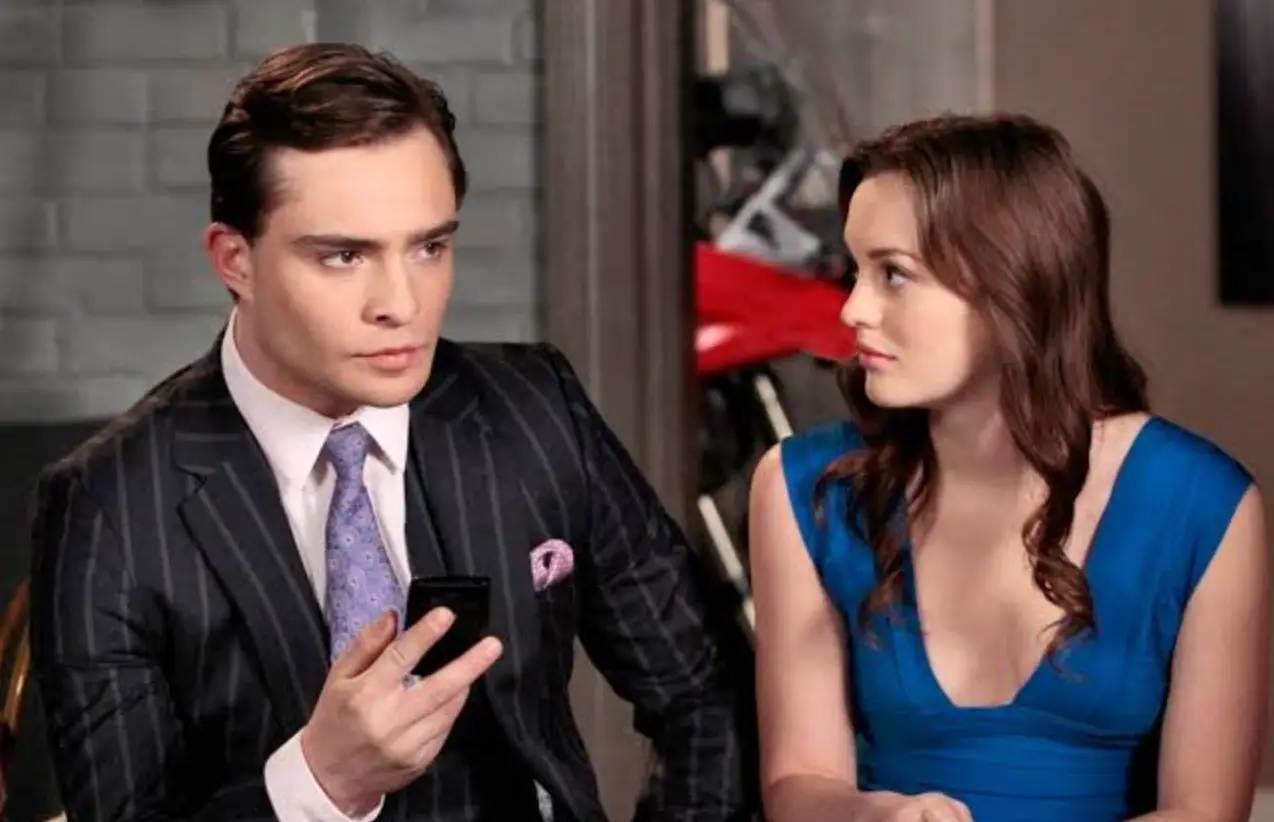
Let's be fair, though - Gossip Girl thrived on drama, and Chuck's chemistry with Blair was pretty undeniable. His vulnerability and difficult upbringing gave the character layers, while his occasional softer moments kept viewers invested in the possibility of change.
But here's my issue - I don't think a tragic backstory should be able to excuse harmful behaviour, and to me, chemistry isn't the same as compatibility.
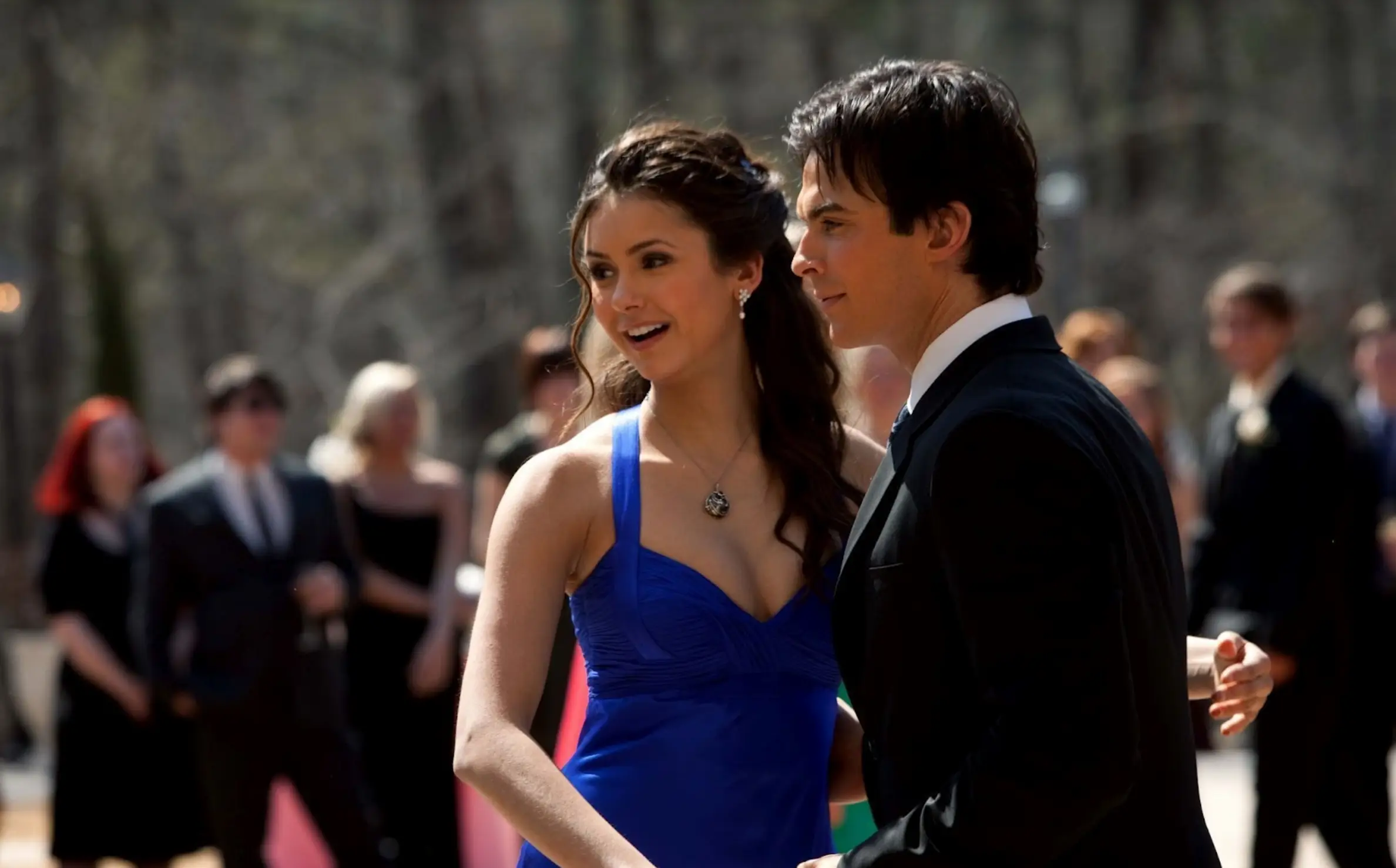
Damon Salvatore - The Vampire Diaries
He might have been a blood-sucking monster, but looking back, somehow Damon Salvatore's emotional availability was even more questionable.
Played by Ian Somerhalder, this immortal dreamboat had the sort of smirk that could make an entire generation forget how to form a coherent sentence. The leather jackets, the sarcasm, the hungry eyes - literally.
And with his complicated relationship with Elena Gilbert, Damon became the poster boy for the idea that the dangerous man might just need the right woman to bring out his softer side.
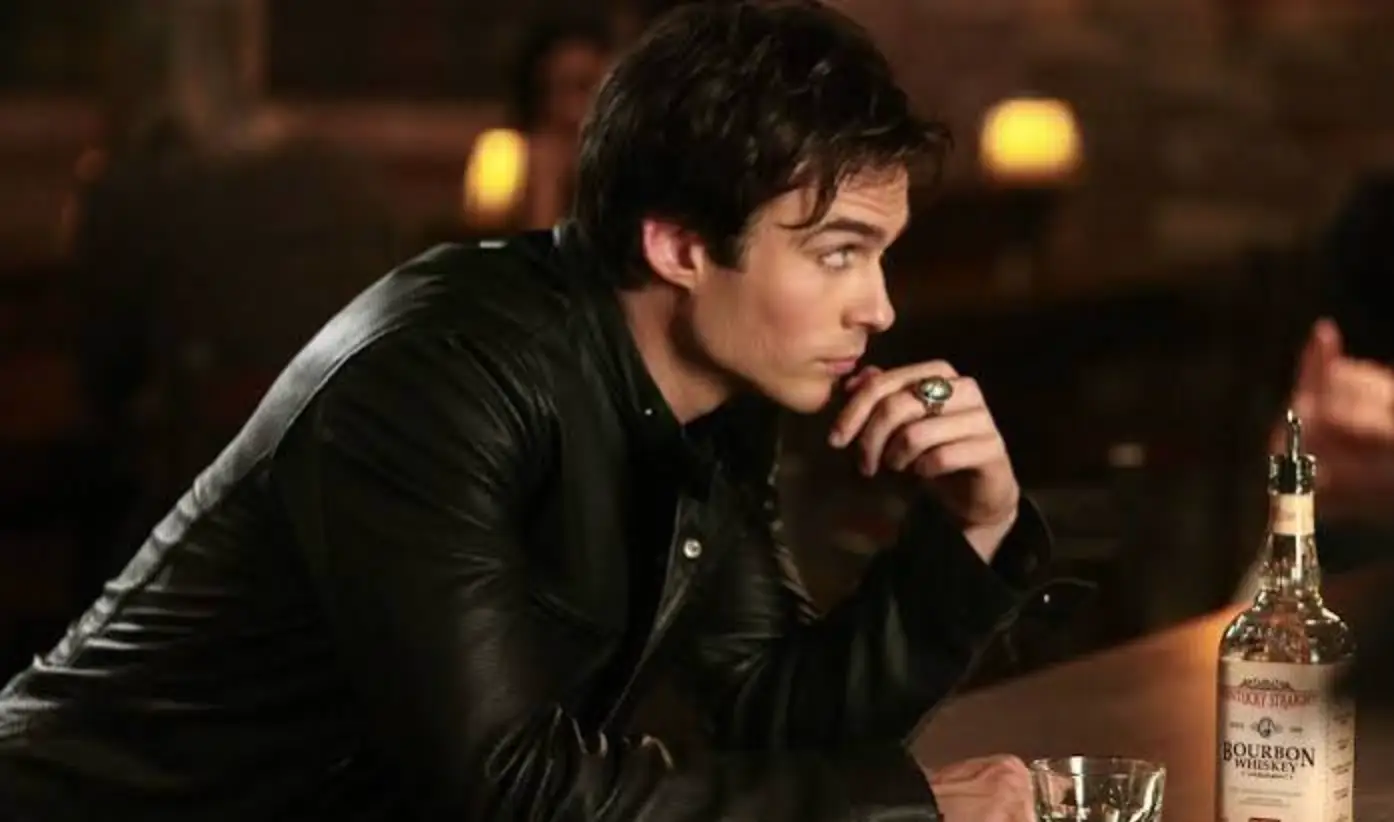
Unfortunately, his behaviour was considerably less swoon-worthy when we looked beyond the blinding jawline.
In season one, Damon uses supernatural compulsion to control Caroline Forbes, feeding on her and manipulating her memories. The ability to erase or alter someone's memories means Caroline cannot properly understand what is happening to her, let alone make an informed choice about it.
It's an especially disturbing example of how the show sometimes blurred the line between seduction and exploitation - but, of course, as kids, we didn't care about any of that.
Then, in season two, Damon takes rejection to an entirely different level.
After Elena makes it clear that she doesn't love him in the way he wants, he reacts by snapping her younger brother Jeremy's neck, as one does.
Thankfully, Jeremy survives because he is wearing a ring that protects him from supernatural death, but Damon doesn't know that when he attacks him, which makes his motives extremely problematic looking back.
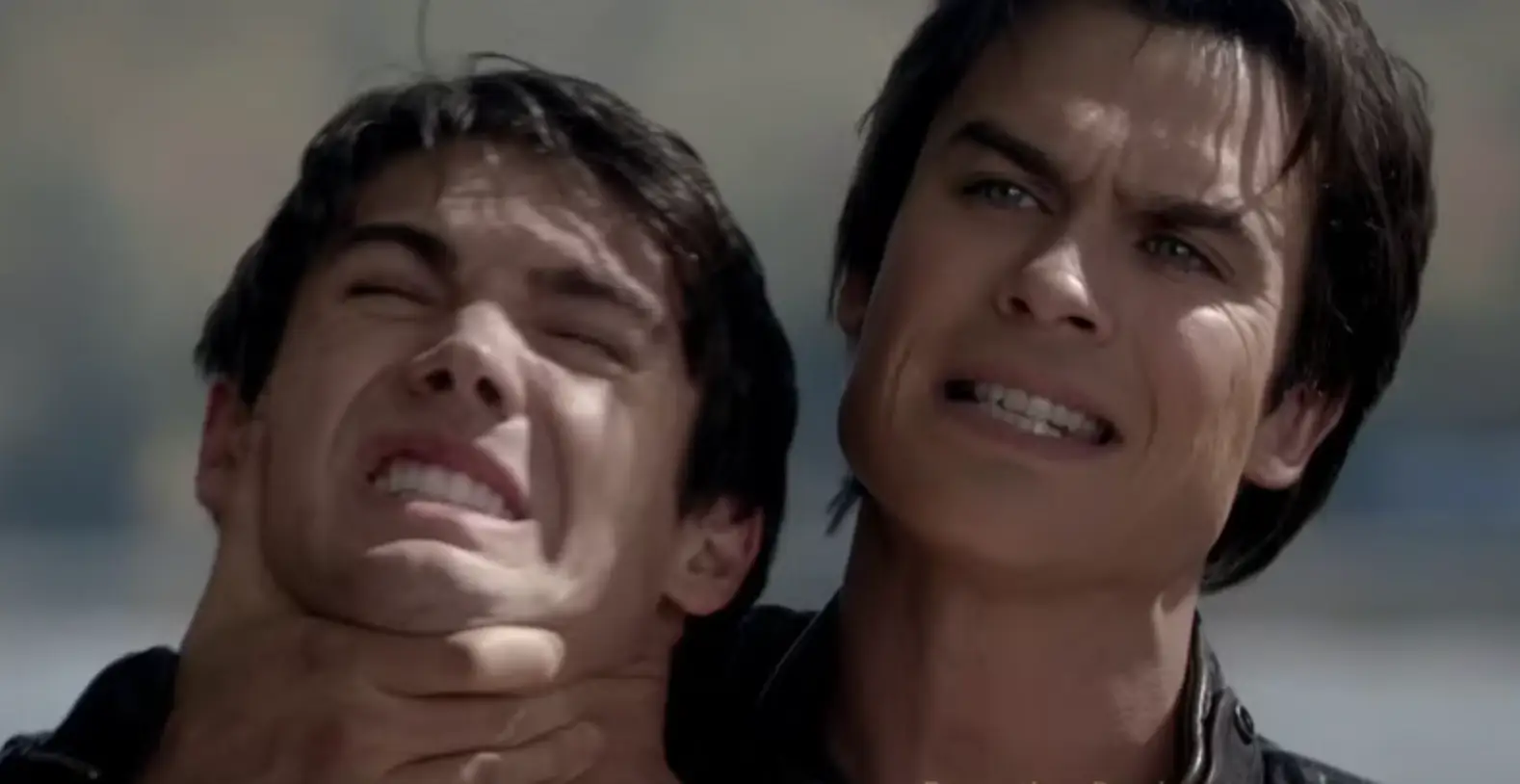
I mean, imagine being so unable to regulate your emotions that you turn someone else's rejection into a reason to hurt their family. That's not romantic jealousy - that's a terrifying response to not getting what you want.
And the issues don't disappear when Damon and Elena finally become a couple after he 'softens up' as the series draws on.
In season four, her transition into a vampire brings a supernatural sire bond that makes her unusually inclined to please Damon and follow his instructions.
Whatever the supernatural rules of the series, however, the underlying question is pretty serious - how can a relationship be equal when one person's behaviour is influenced by a bond that makes them want to please the other?
But that's precisely why he's worth revisiting, because being capable of tenderness doesn't cancel out cruelty, and loving someone doesn't give you ownership over them.
I know, who knew a show about vampires would be so deeply precarious?
Carratt noted of this theme: "Today’s younger viewers are growing up with a much greater awareness of these issues, partly thanks to social media, where relationships and questionable behaviour are constantly being dissected.
"Gen Z is also much more likely to question why women in these stories were expected to forgive terrible behaviour simply because a man was handsome, charming or had a difficult childhood."
Lucas Scott - One Tree Hill
He might have given the impression of a sensitive bookworm, but One Tree Hill's Lucas Scott wasn't always as innocent as he looked.
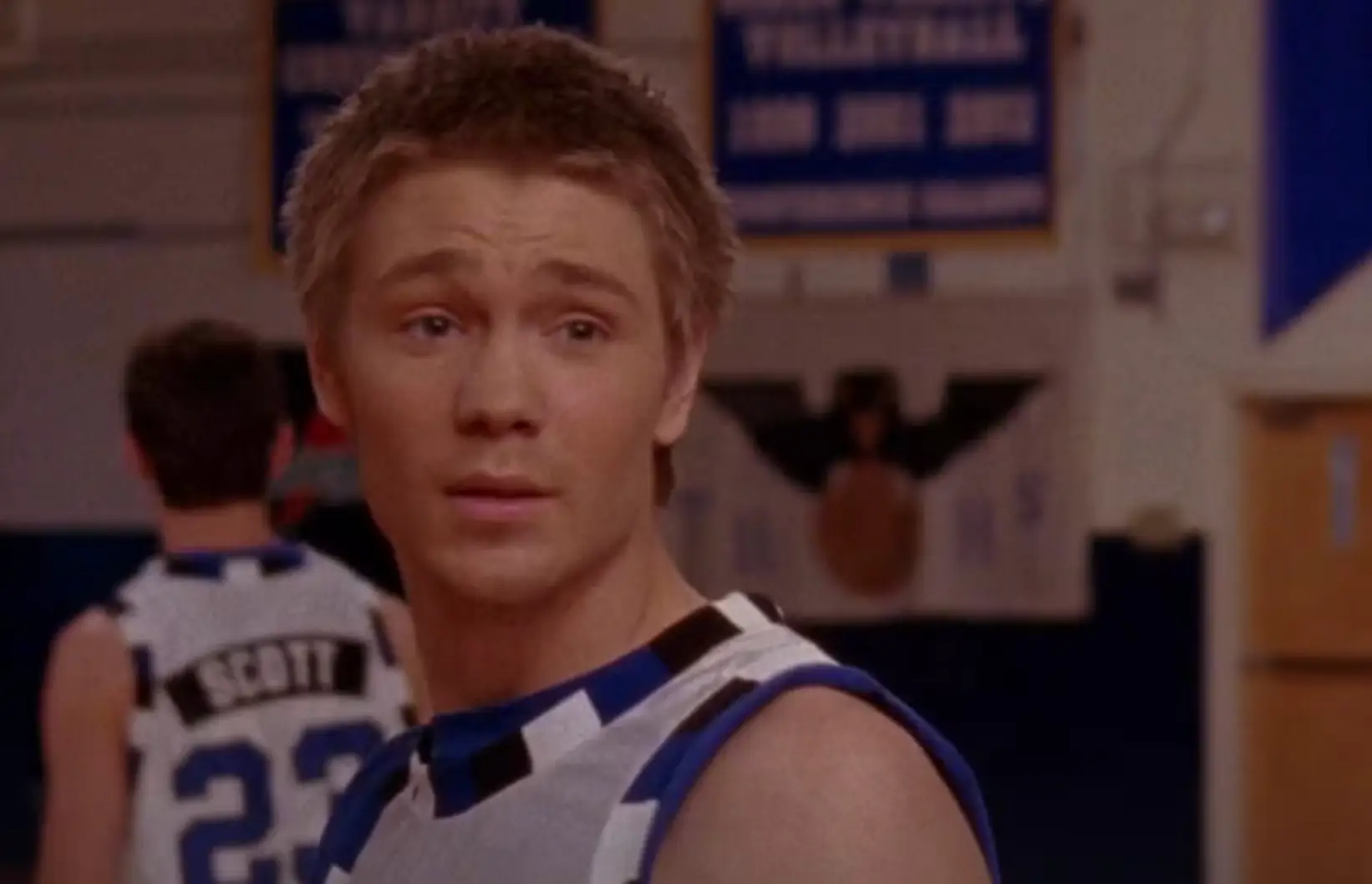
Played by Chad Michael Murray, Lucas was the ultimate early-2000s dreamboat - thoughtful, loved books, played basketball. He was 'different', especially when compared with the more openly arrogant men on the telly.
But, in retrospect, the sensitive-guy image deserves a little scrutiny.
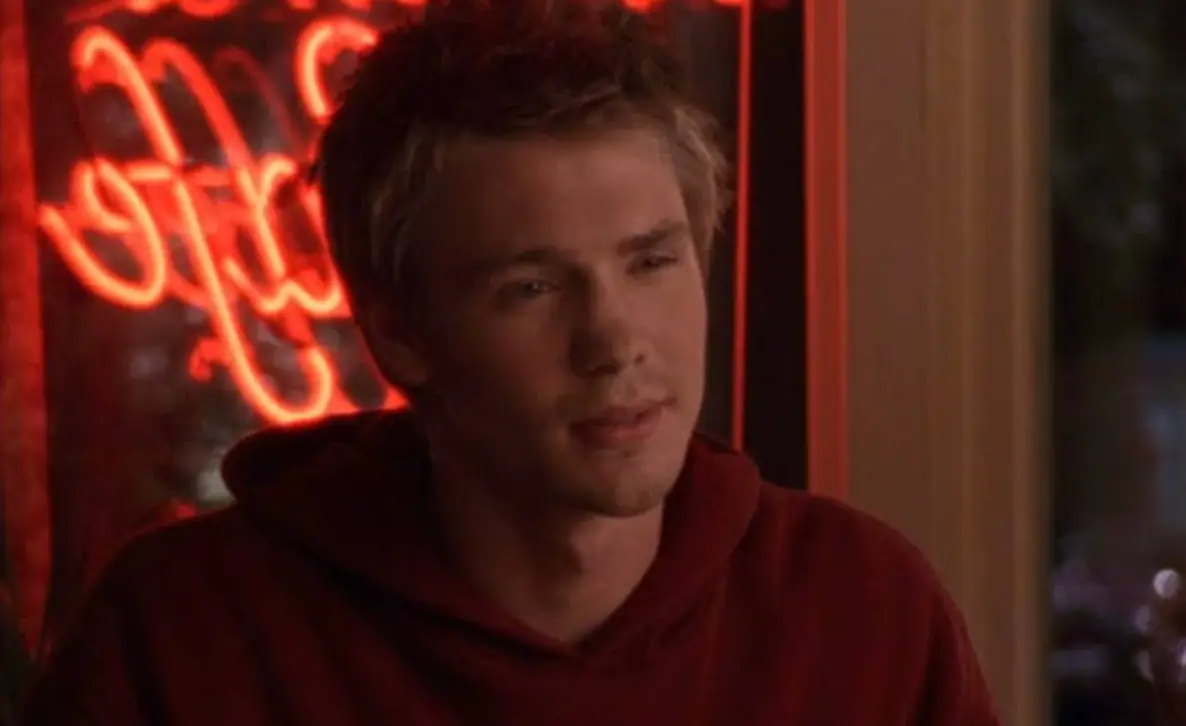
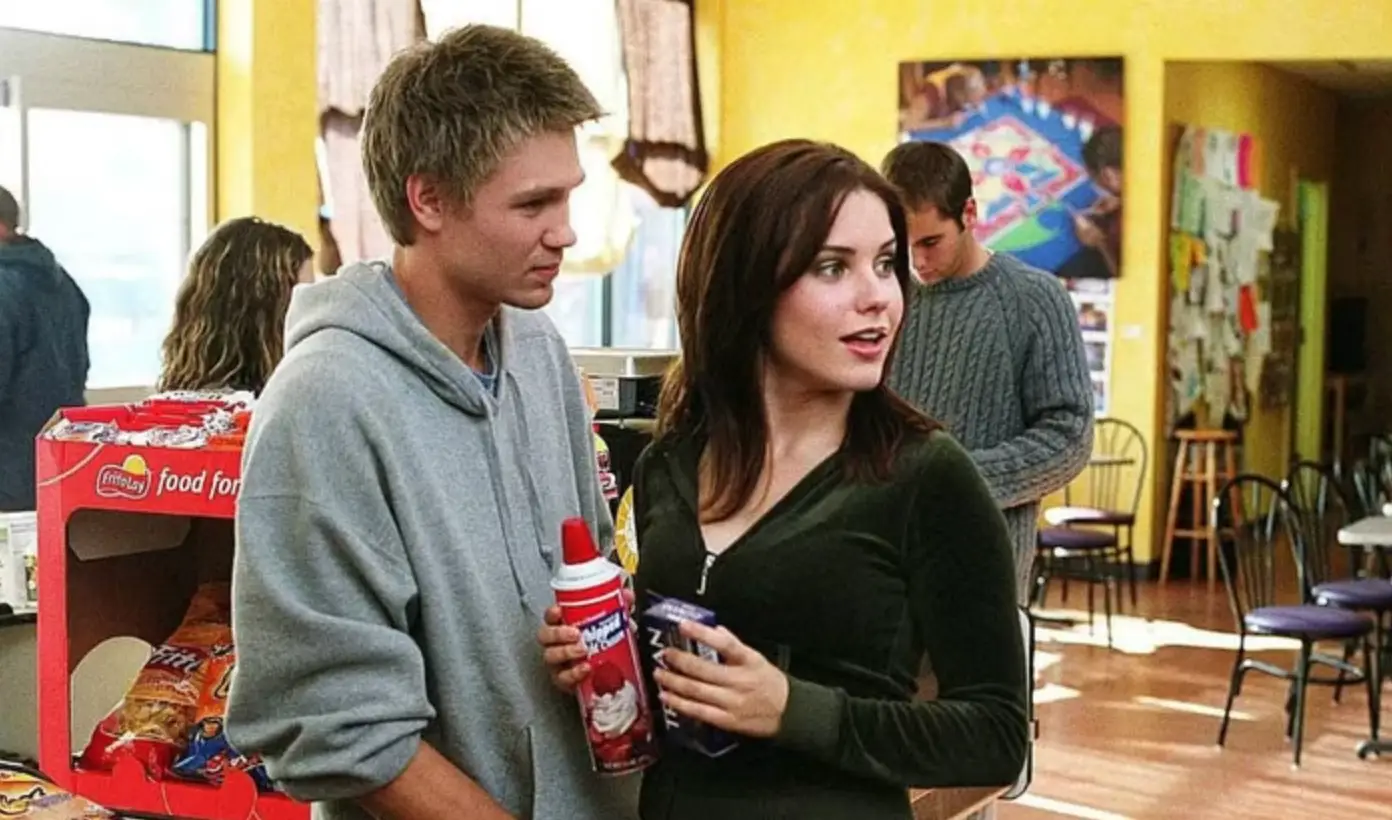
One of the biggest complications in Lucas's romantic life is his love triangle with Brooke Davis and Peyton Sawyer. He begins dating Brooke while still having unresolved feelings for Peyton, and he kisses Peyton while he's in a relationship with her best friend.
The problem isn't that he has complicated feelings. That happens, I get it. It's that his choices repeatedly hurt the people around him, while his earnest, brooding persona makes it easy to frame him as a conflicted romantic hero rather than someone who needs to be more honest.
Then there's Lucas's tendency to occupy the role of the thoughtful protector, often positioning himself as someone who sees the good in people, challenges bad behaviour and offers support when others are struggling. His relationship with his half-brother Nathan begins with Lucas challenging Nathan's behaviour, and his friendships frequently cast him as the moral compass.
But to me, Lucas is less an example of an overtly controlling boyfriend than a reminder that 'being deep' and having 'good intentions' doesn't automatically make someone a good partner.
Ross Geller - Friends
Now, as a die-hard Friends fan - who watched the show on the sofa on an almost nightly basis as a child, wedged comfortably on the sofa between her mother and father - this next one hurts me to say.
The character that once made me laugh the hardest has began to grate on me growing up.
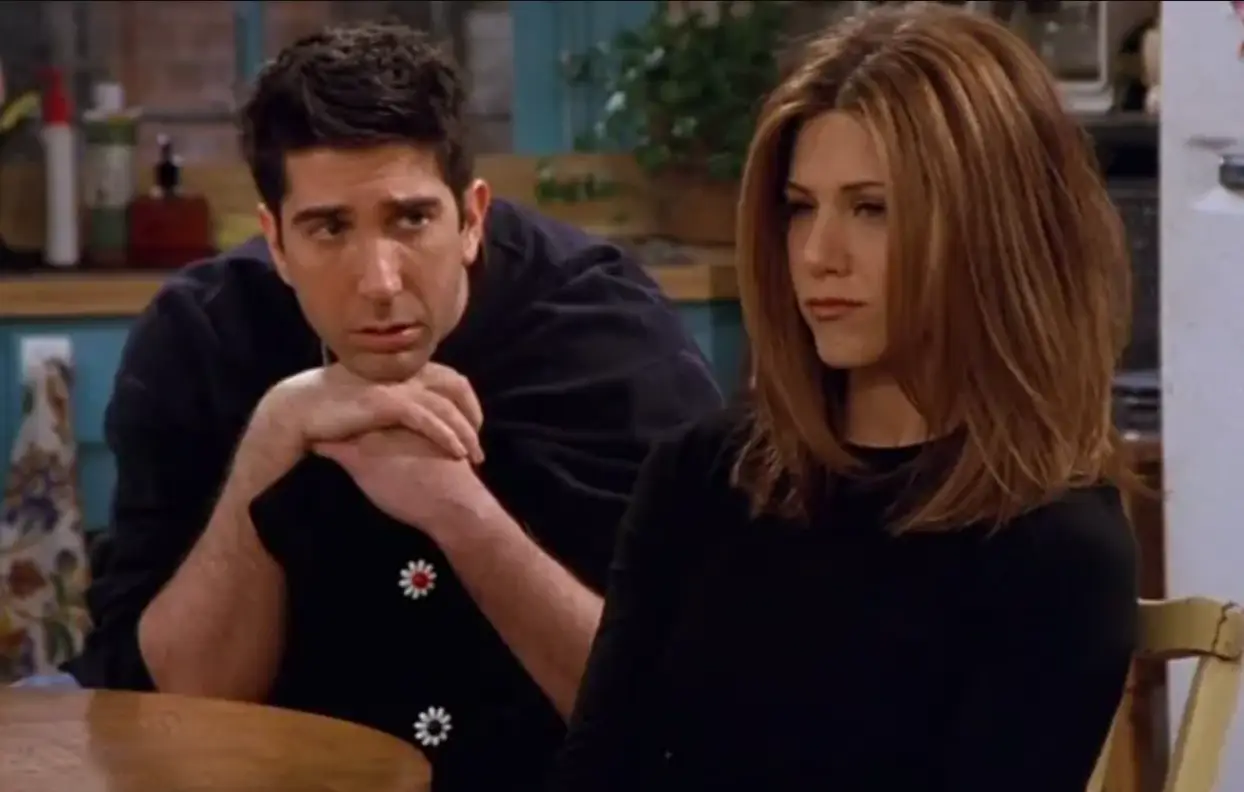
In my younger years, I saw Ross Geller and Rachel Green as TV's 'it' couple, and the playful 'will they, won't they' aspect of their tumultuous relationship seemed like something some to aspire to.
He was the awkward, intelligent palaeontologist who just wanted to find love, while she was the fashion-forward ex-prom queen with a choppy bob and Vogue wedged tightly under her arm.
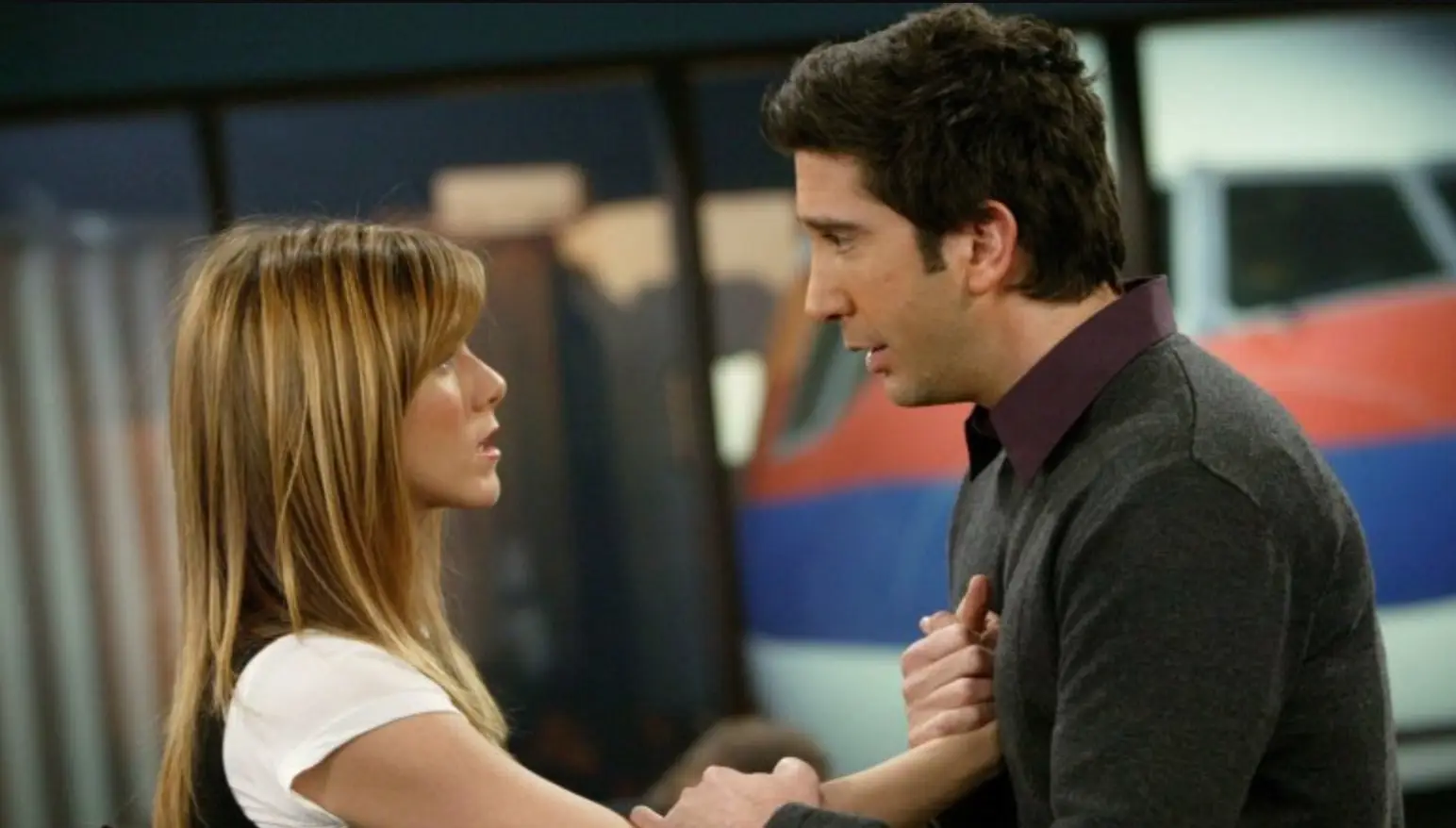
As I say, David Schwimmer's comic timing made Ross endlessly entertaining, but rewatching it back, the sitcom reveals a man whose insecurities could make life very difficult for the people closest to him.
And watching it recently through a grown-up perspective, I quickly realised that a lot of Ross' behaviour wouldn't swing in my own relationship.
Let's start with Mark.
When Rachel begins working closely with her colleague, Ross becomes increasingly jealous. He sends gifts and food to her office, interrupts her work and struggles to accept that she has a professional life outside their relationship.
His behaviour turns Rachel's exciting career opportunity into another source of conflict, as though her attention should be available to him whenever he wants it. Then comes the infamous break.
After Rachel suggests that they take a break from their relationship, Ross sleeps with Chloe, the copy-shop employee, that same night.
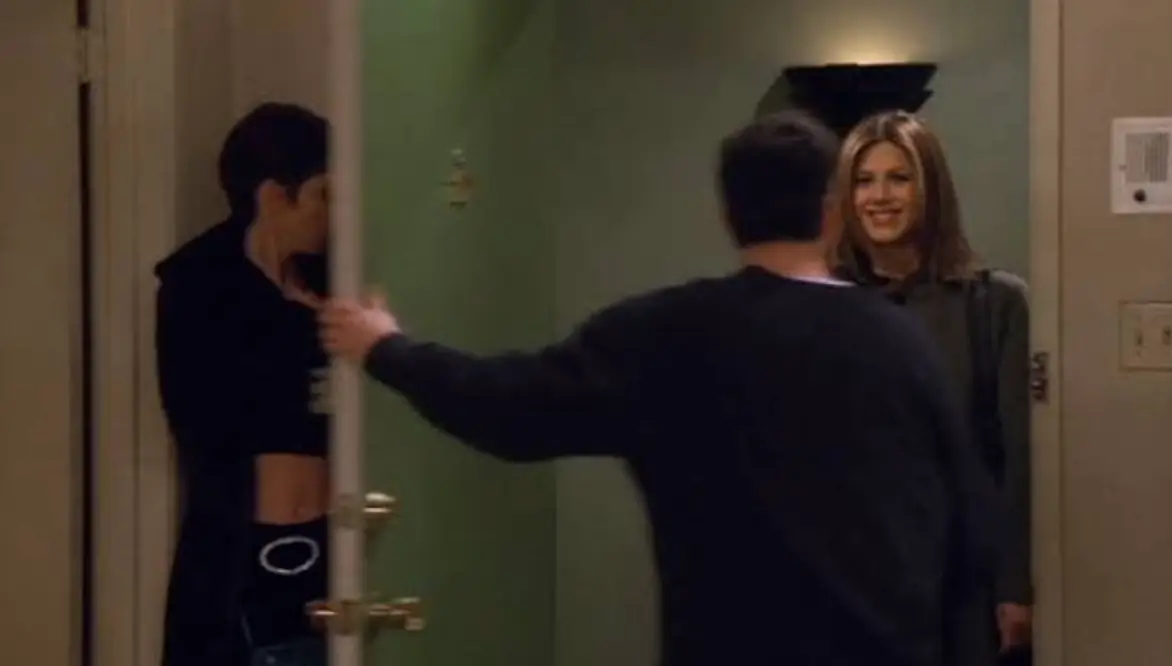
When he realises Rachel might find out, he scrambles to prevent the truth from reaching her, rather than owning up to his mistakes. Gross!
And Ross's insecurities aren't confined to romance.
In season nine, Rachel hires Sandy, a qualified male nanny, to help care for their daughter Emma - but Ross is uncomfortable with Sandy's sensitivity and nurturing personality, mocking his masculinity and questioning his suitability because he's a man who is good with children.
His wedding to Emily also provides a memorable example of his emotional indecision. Ross accidentally says Rachel's name during his vows, exposing unresolved feelings at one of the most important moments of his life.
It's played as a dramatic sitcom disaster - 'I, Ross, take the Rachel' - but Emily is the person who has to live with the consequences.
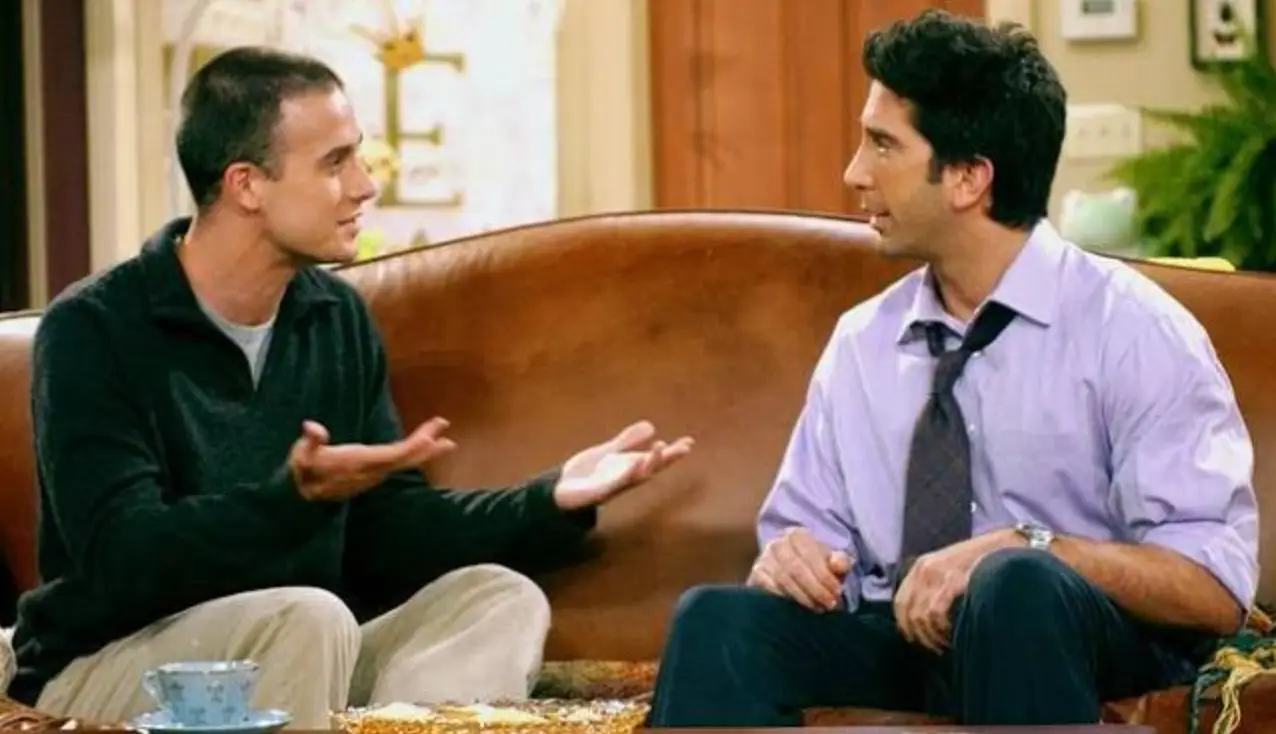
Ross isn't a monster - and, yes, he still makes me laugh - but being insecure doesn't give you the right to police a partner's working life, and being technically correct doesn't mean you've handled a situation fairly.
Ted Mosby - How I Met Your Mother
Of all the male love interests that have ever been splashed across my television screen, there's one I loathe most - a self-proclaimed romantic hero who sometimes forgot that other people weren't supporting characters in his love story.
The How I Met Your Mother character spent nine long seasons telling his children how he did just that - but a rewatch through a modern lens raises the question of whether Ted was the hopeless romantic he believed himself to be, or whether he became too obsessed with his own perception of romance?
Played by Josh Radnor, Ted is the man who wants the fairytale love story, the perfect wedding, the two gorgeous children and the happily-ever-after.
In the pilot, he tells Robin Scherbatsky that he loves her on their first date, then steals a blue French horn to impress her.
It's a memorable gesture, and Robin is touched by it - but looking back, it's an insight to Ted's problematic tendency to approach relationships as though they're scenes from rom-coms.
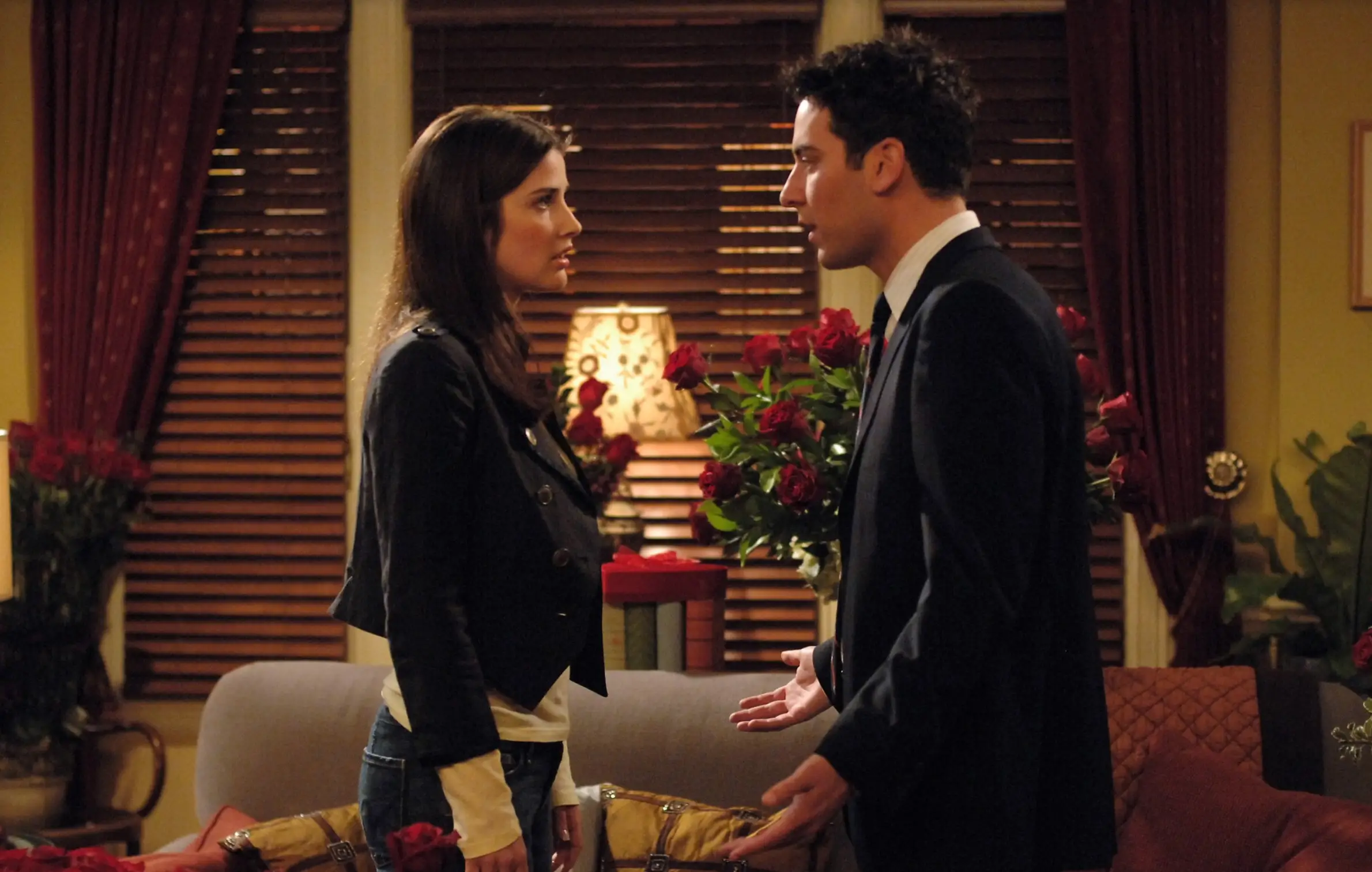
Later in the series, Robin is clear that she doesn't want the same traditional family life as Ted, after which their relationship repeatedly runs into this fundamental incompatibility.
Then there's Victoria. When Ted begins dating her, his unresolved feelings for Robin continue to undermine the relationship, and it's painful to watch.
Victoria eventually discovers that Ted has maintained an emotional connection with Robin and hasn't been honest about it. His desire to keep both possibilities alive damages the trust he has built with Victoria.
And while Ted often positions himself as the romantic, principled alternative to Barney Stinson's unapologetic womanising, he isn't immune to dishonesty or selfish behaviour himself.
My issue is he can judges other people's romantic choices while rationalising his own, happily seeing himself as the good guy.
Dean Forester - Gilmore Girls
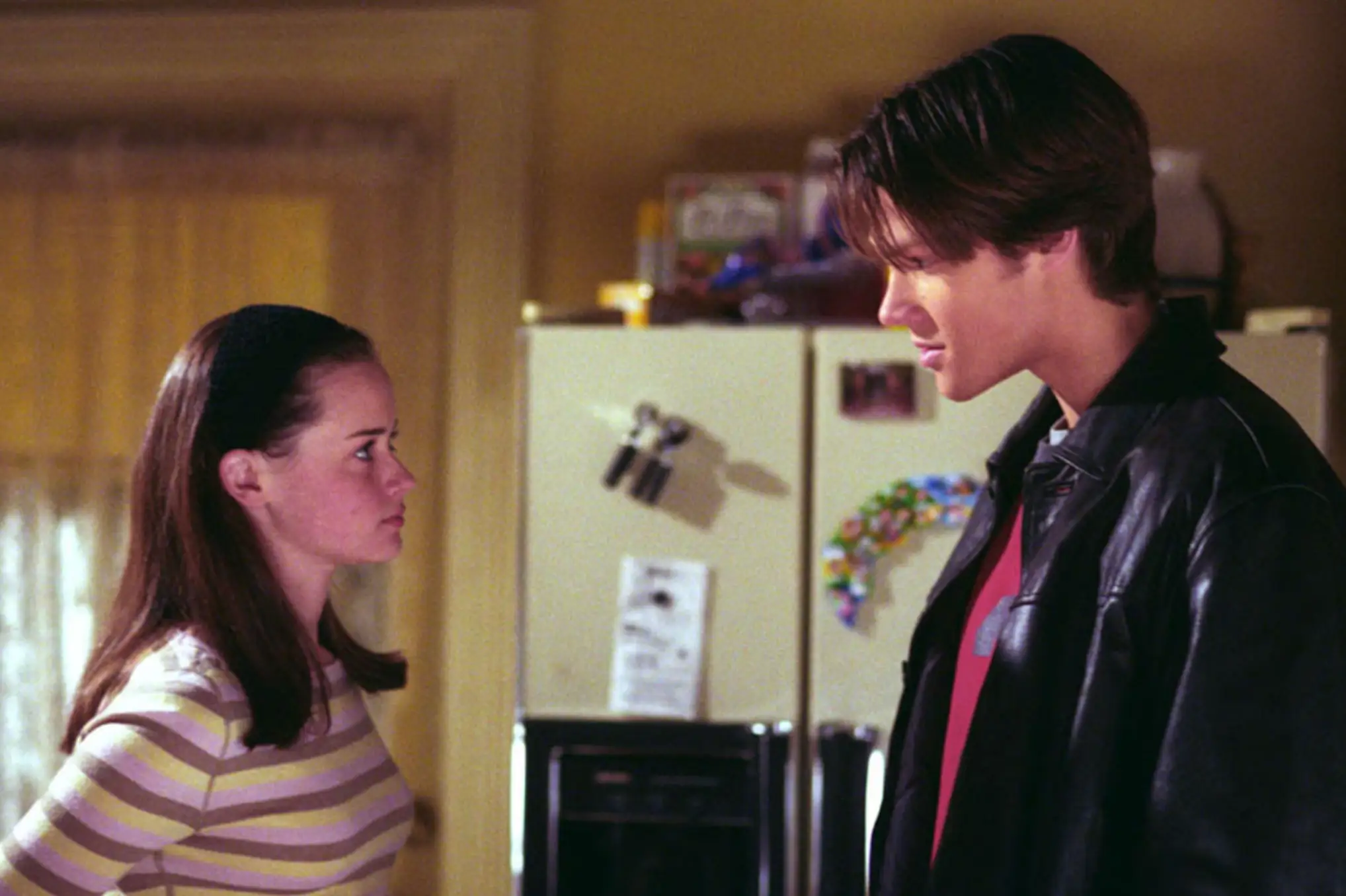
For a long time, Dean Forester was just the floppy-haired high schooler who built Rory Gilmore a car, watched old movies with her and seemed like the ideal first boyfriend.
Played by Jared Padalecki, he was dependable, attentive and part of the cosy Stars Hollow world that made Gilmore Girls so comforting.
But as Rory's ambitions grew, the cracks in their relationship became harder to ignore.
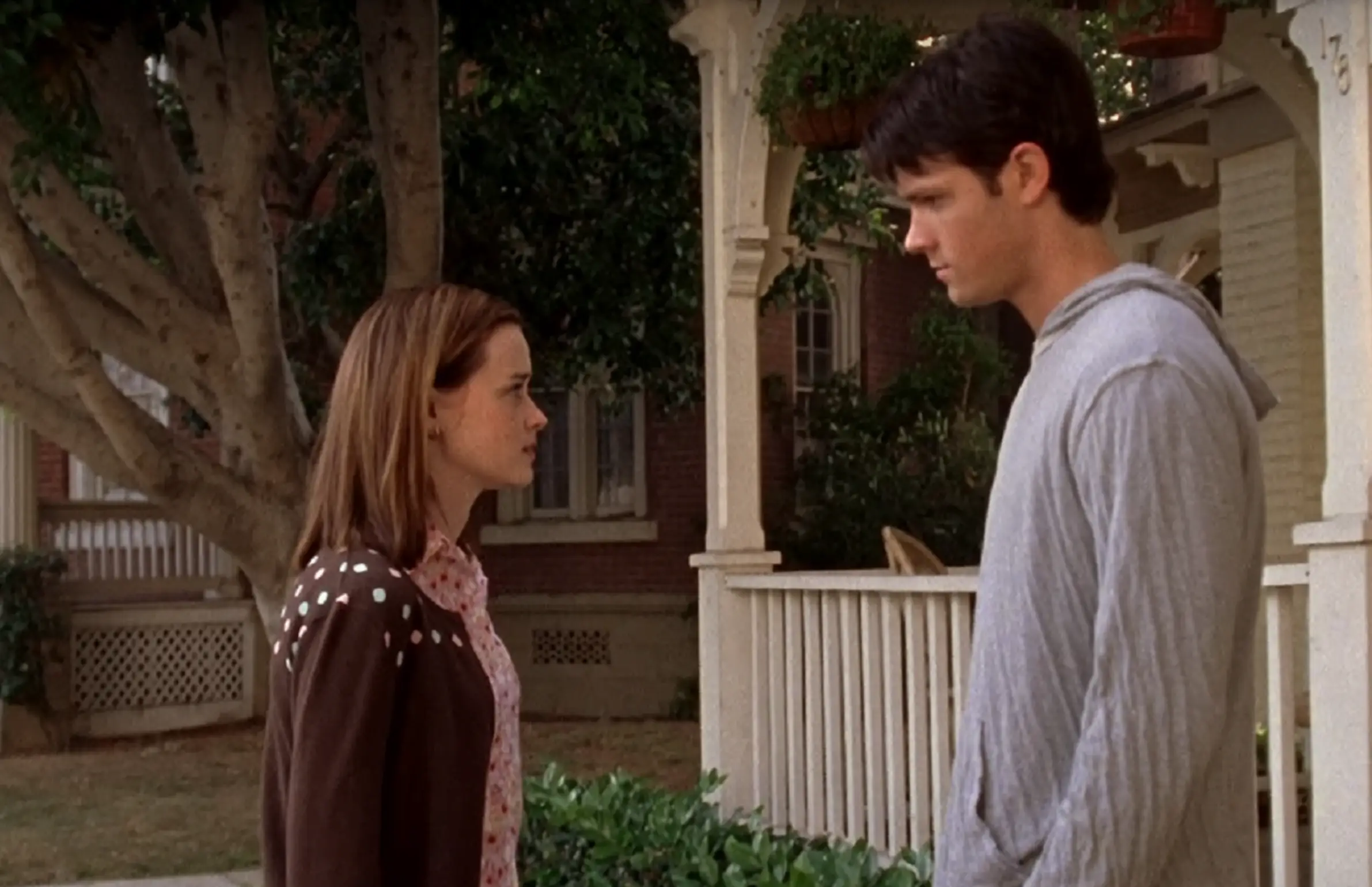
One early example comes when Dean tells Rory he loves her after a few months of dating. When she isn't ready to say it back, he becomes upset and breaks up with her. Rational, I know.
I get it, he was 17 and heartbroken - but the moment puts pressure on Rory to reciprocate before she's ready.
His jealousy also becomes increasingly apparent when Jess Mariano arrives in town.
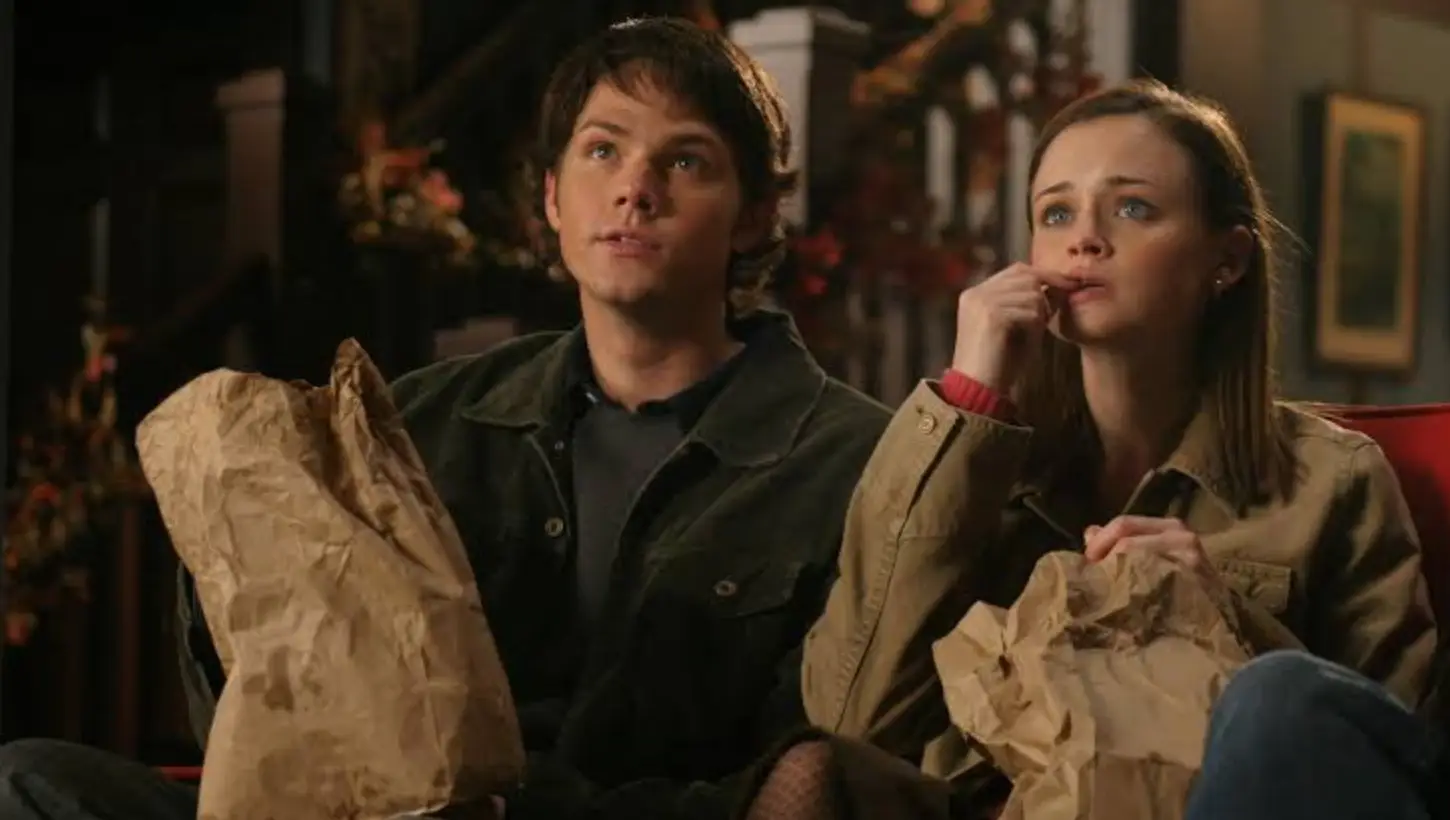
Later, Dean's repeated phone calls - including the infamous 14 messages he leaves for Rory - look less like sweet teenage devotion and more like an expectation that she should always be available to reassure him.
As Rory becomes more focused on Chilton, university applications and her future, Dean sometimes struggles with feeling secondary to her ambitions.
There's nothing wrong with wanting a quieter, more traditional life, don't get me wrong, but a relationship becomes difficult when one person's growth feels like a threat to the other. And often, that's when it's time to call it quits.
The biggest contradiction in Dean's wholesome image comes later, when he marries Lindsay but remains emotionally entangled with Rory. He ultimately sleeps with Rory while still married, betraying Lindsay's trust and trying to justify his actions by claiming his marriage was effectively over.
Dean isn't problematic simply because he prefers a conventional future - nor does his insecurity automatically make him a bad person.
It's the way his jealousy, emotional pressure and dishonesty affect the people around him that I just can't get on board with.
Ezra Fitz - Pretty Little Liars
Arguably the most overlooked red flag in young-adult television history, Ezra Fitz wasn't just problematic - he was a full-fledged criminal.
His relationship with Aria might have hit all the markers of the forbidden romance trope - the secret meetings, the stolen glances across the classroom, the different backgrounds.
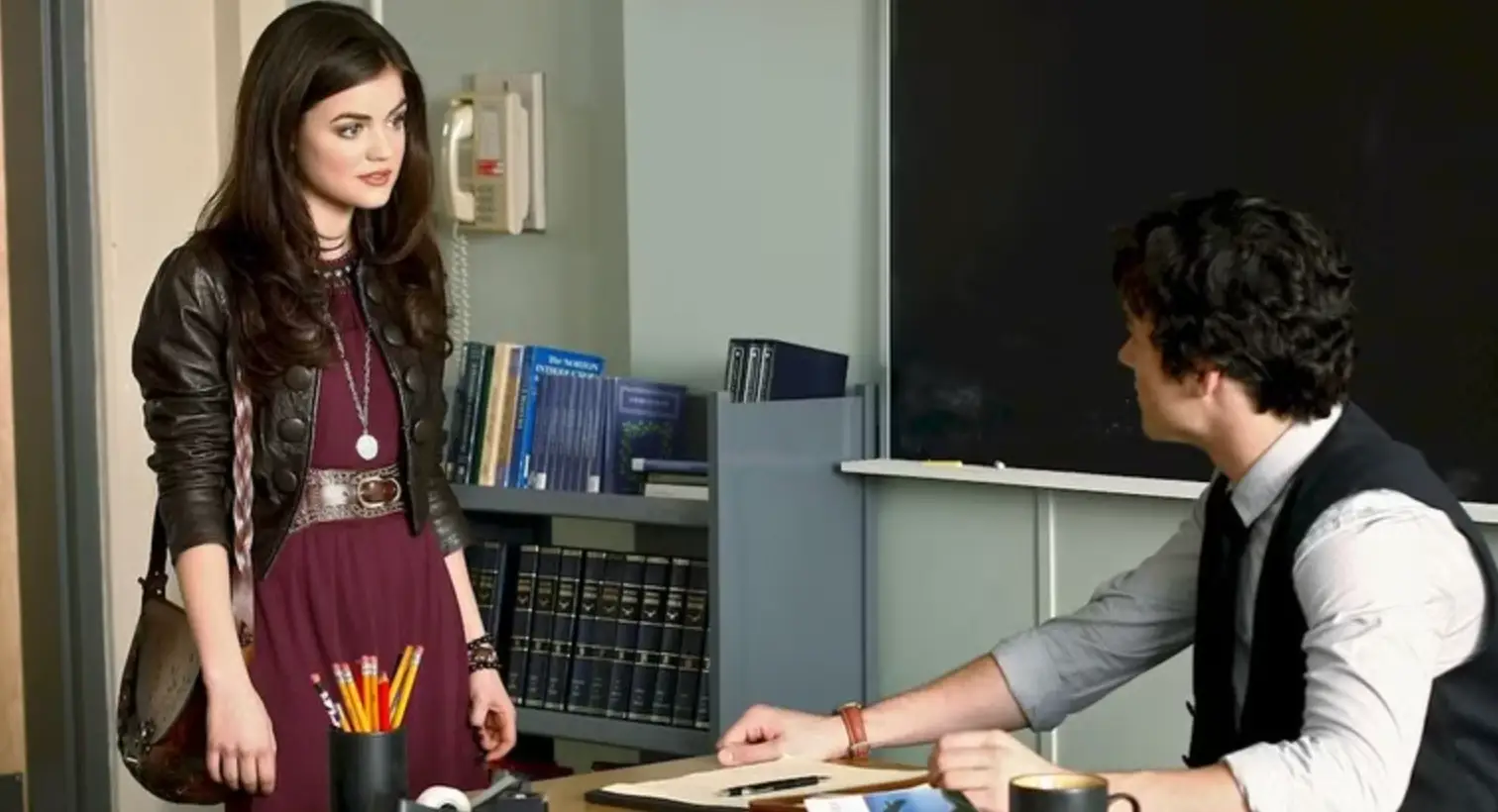
But all this seems less cute, however, when you force yourself to remember that he's actually her considerably older high-school English teacher.
Played by Ian Harding, Ezra somehow convinced an entire generation to root for a relationship that looks considerably more troubling when you take a step back, because Aria was just a teenager.
When the pair meet in the pilot, they flirt and kiss at a bar, only to discover the following day that Ezra is about to teach at her high school. Rather than drawing a firm professional boundary, however, Ezra eventually begins a secret relationship with his student.
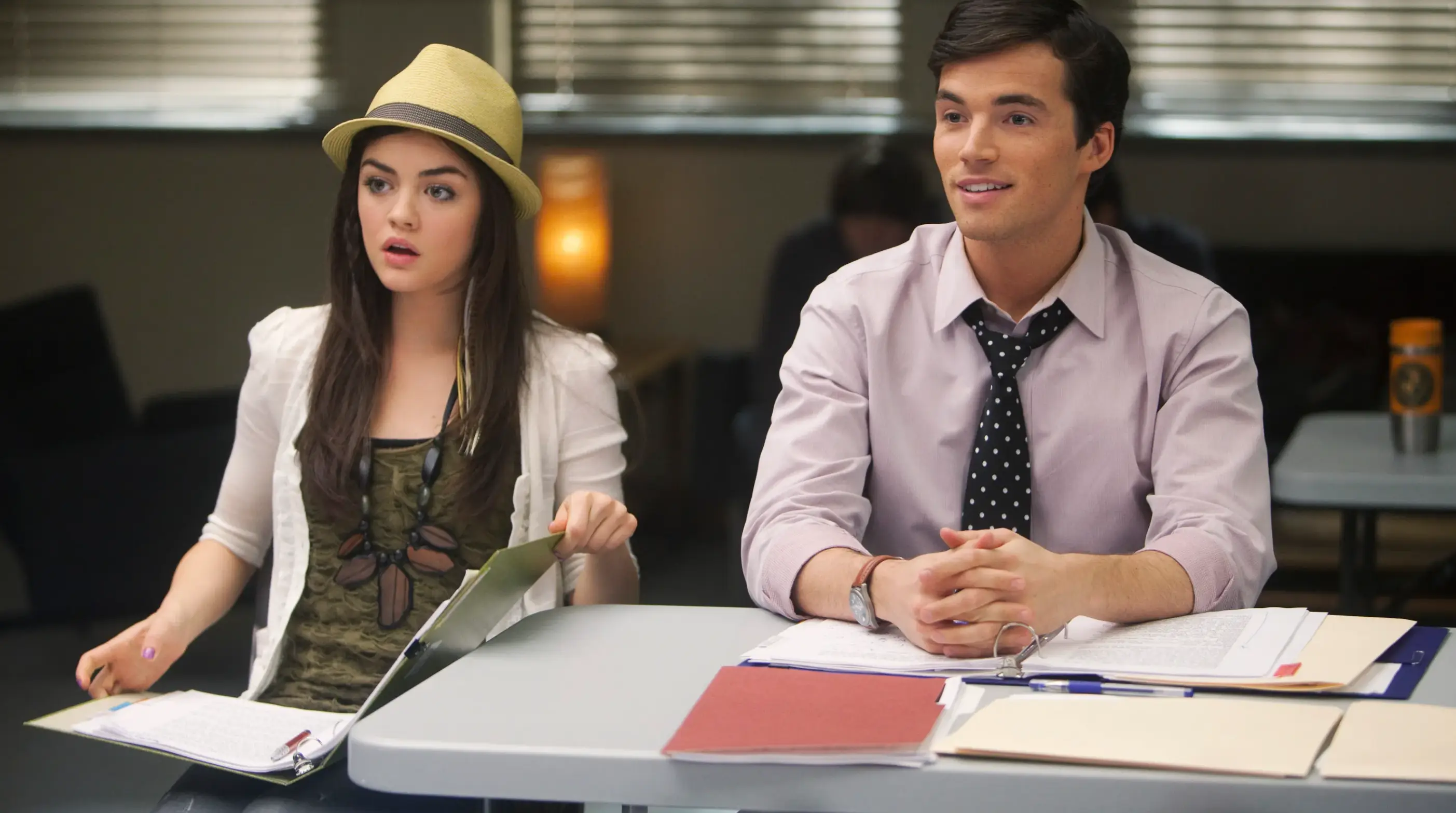
Throughout the series, however, the secrecy becomes part of the appeal, and their relationship is presented as something special that other people simply don't understand, with Aria and Ezra repeatedly finding ways to be together despite her parents' objections and the obvious professional conflict.
But the revelations in season four make things considerably darker.
Ezra is revealed to have been researching Alison DiLaurentis for a book, gathering information about her and the other girls. Aria eventually discovers his hidden surveillance setup, complete with photographs, notes and information tracking the Liars' movements and private lives.
The man who has been presented as her romantic confidant - who just so happens to be her considerably older teacher - has been concealing a significant agenda.
And how does the series ultimately resolve this relationship? With a wedding, of course.
After seven seasons of secrecy, betrayal and the teacher–student power imbalance, Ezra and Aria marry in the finale.
A time jump allows the story to move towards their happily-ever-after, but it doesn't erase the ethical questions raised by how the relationship began.
Of course, Pretty Little Liars was a heightened teen drama full of twists, secrets and deliberately outrageous storylines - but the way it romanticised Ezra and Aria is pretty eerie looking back.
Carratt concluded: "But nostalgia is powerful. Millennials can recognise that these characters were problematic while still having enormous affection for the programmes. Ultimately, I don’t think we’ve necessarily stopped loving complicated television characters.
"We’ve just become better at recognising the difference between someone who makes great television and someone who would make a terrible boyfriend."
Topics: TV And Film, Celebrity, Entertainment, Sex and Relationships, Real Life
 Rhianna Benson