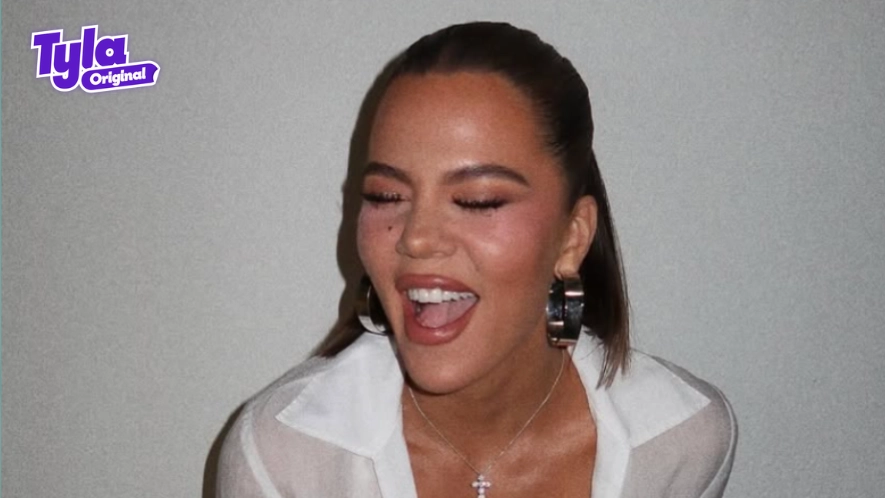
Khloé Kardashian's celibacy doesn’t concern anyone but herself

There's something deeply revealing about the way society reacts to a woman who says she isn't having sex.
Not that she doesn't want to have sex with someone specific, nor that she's struggling to find a partner. It's not even that she's waiting for marriage, recovering from heartbreak or making a religious commitment.
Sometimes, it's just that she's not having sex, full stop. In an ideal world, it would be that simple. But in reality, such a declaration sparks questions, concerned looks, and bouts of unsolicited advice, often disguised as concern.
There are suggestions that she needs to 'get back out there', and, inevitably, speculation about when she'll finally change her mind.
Advert
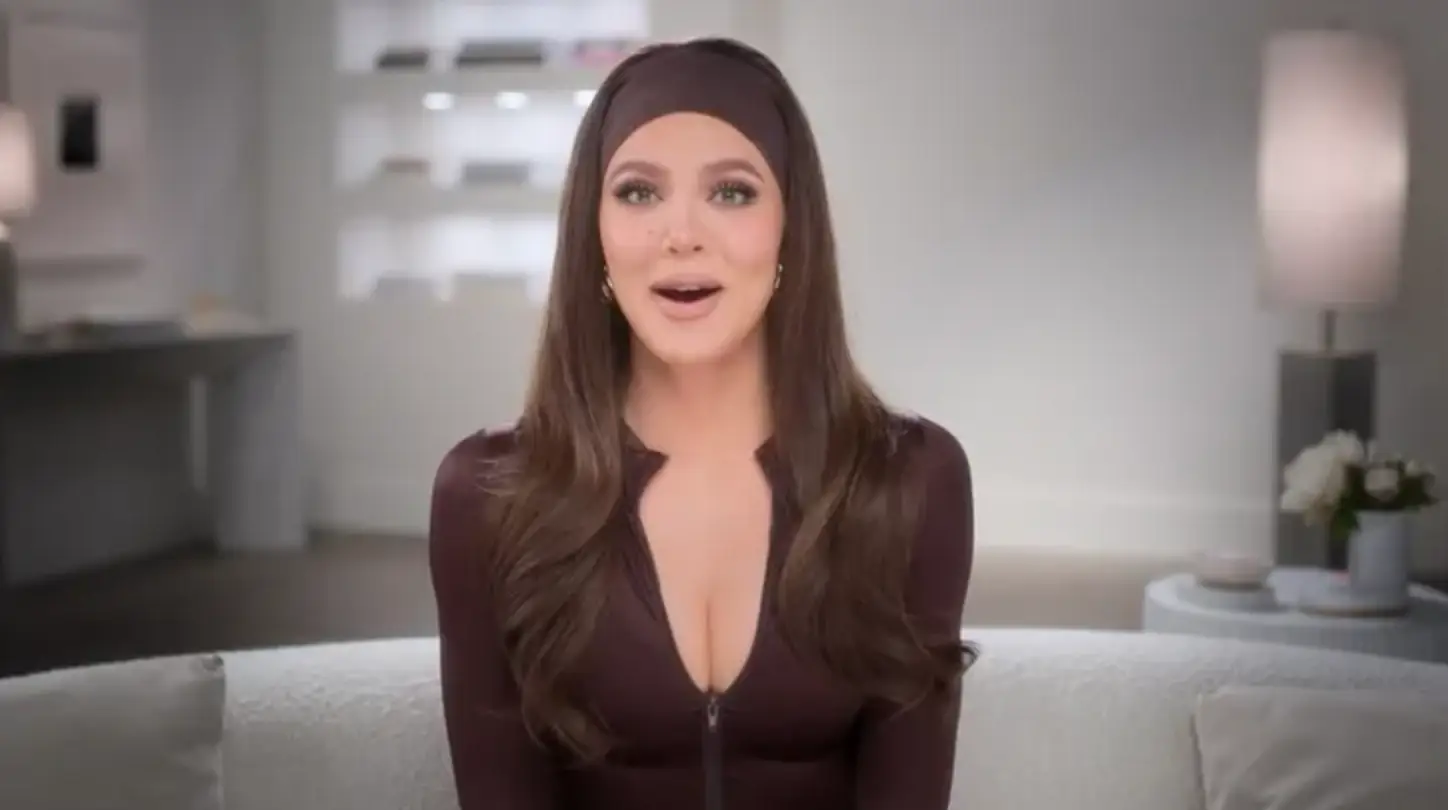
Take Khloé Kardashian, who revealed in the latest episode of The Kardashians that she hasn't had sex in four years.
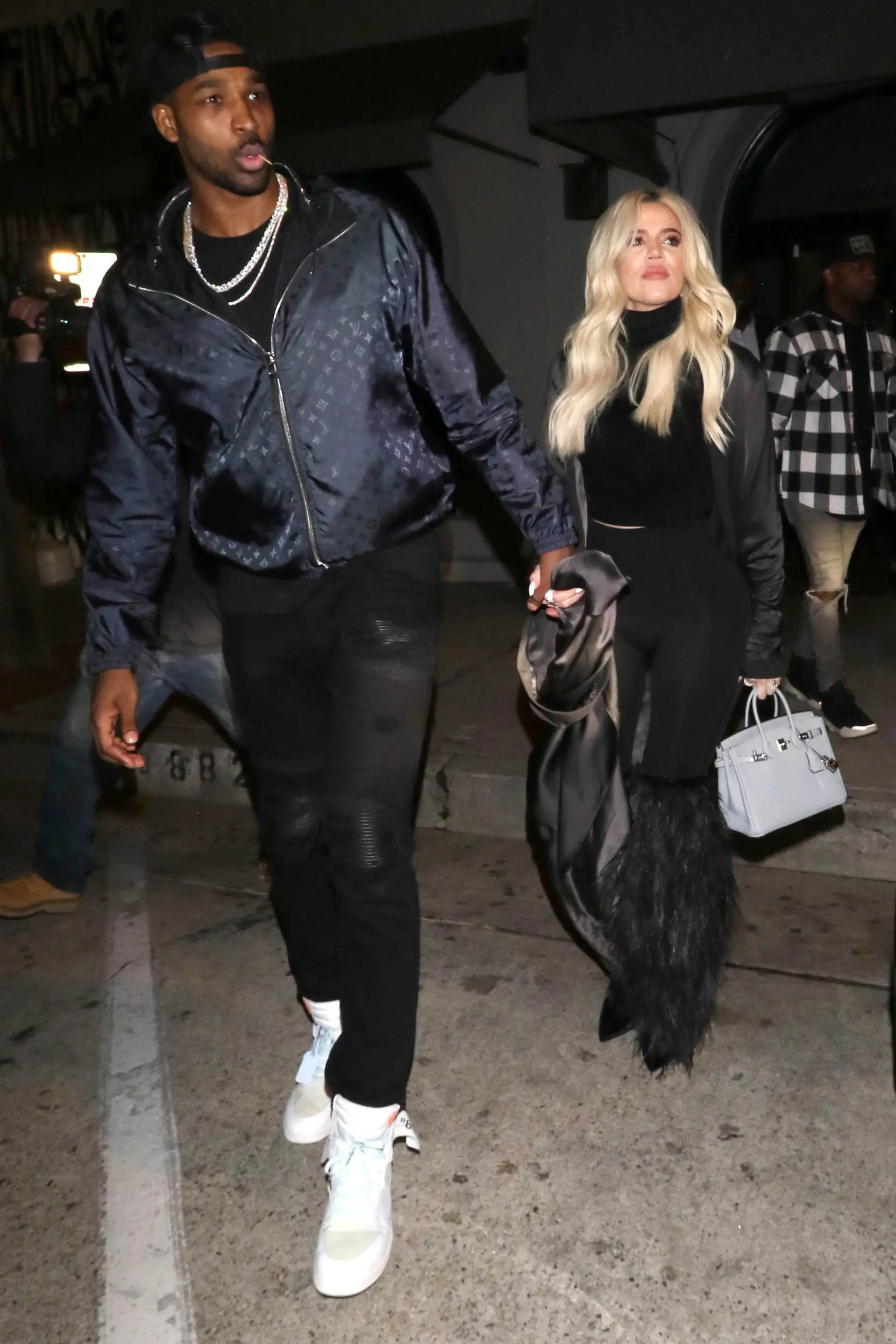
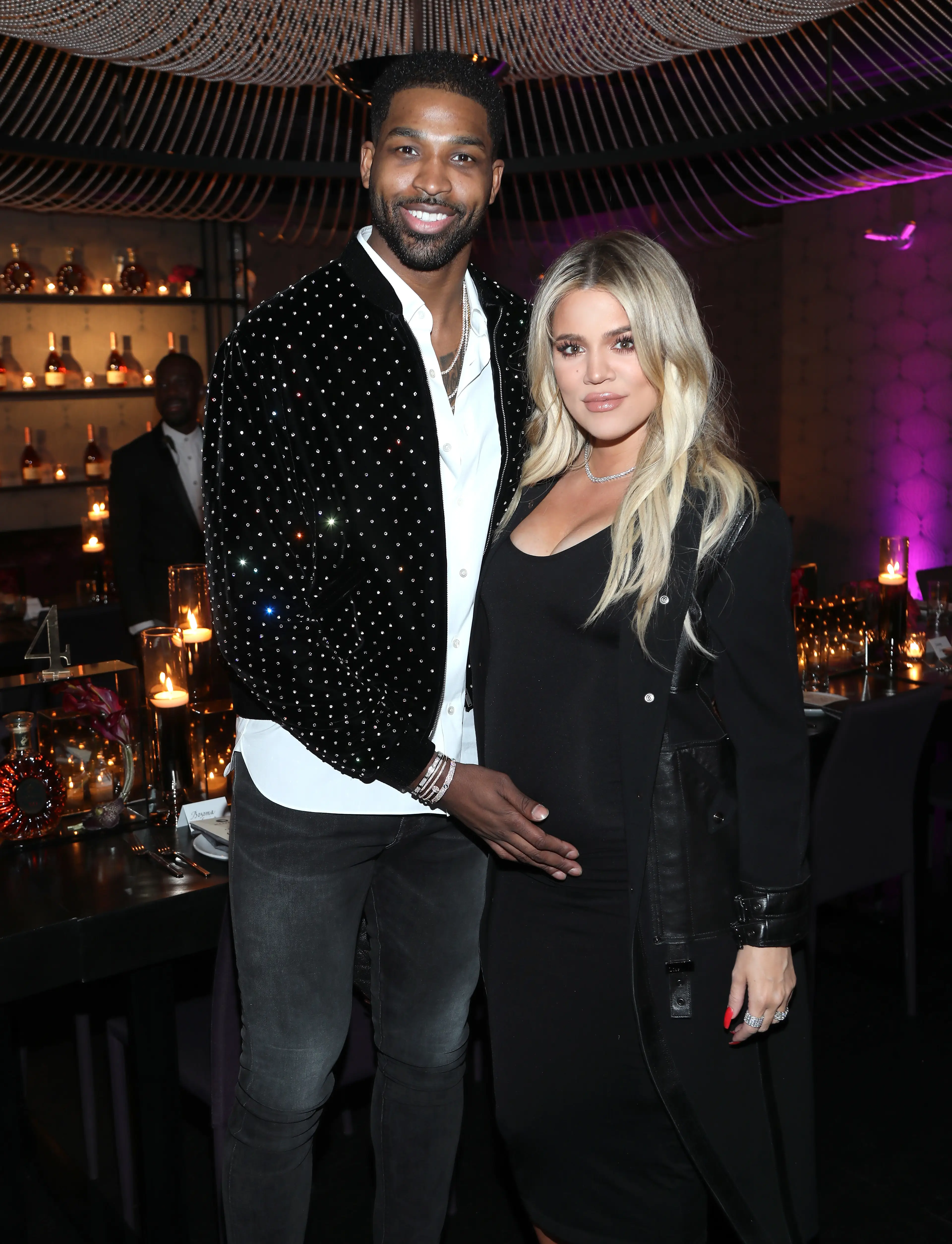
Her last known romantic relationship was with basketball star Tristan Thompson, with whom she shares two children. They split in 2021.
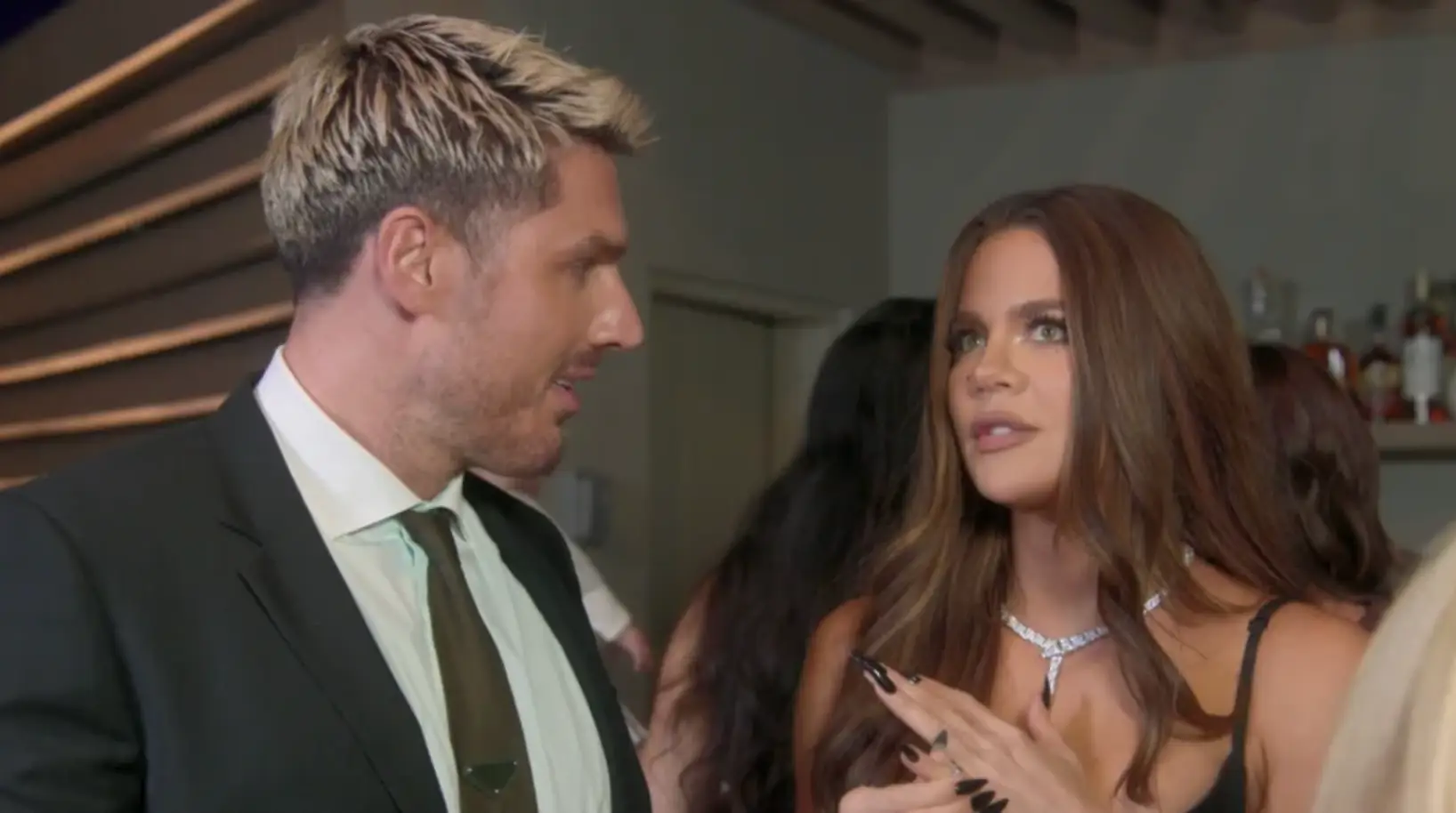
Her confession was met with audible gasps and accusations of insanity from her family, while her big sister Kim Kardashian suggested she revisit one of her own former flames.
The conversation even prompted Khloé's friend and celebrity hairstylist Chris Appleton - who was listening to the conversation through the phone - to offer to sleep with her himself.
Khloé, however, was perfectly clear about why she wasn't going to be peer-pressured.
"I can just have sex with people; I don’t want to just do that," the 42-year-old explained in a confessional. "I feel so afraid to even consider dating someone right now, where just, like, I don’t want to."
She added: "We can all recycle old boyfriends and hook up with people that shouldn’t be in our lives; I haven’t done any of that. I feel good about all those things. I think the goal for everyone is to find someone to grow old with, but I’m not just going to force that."
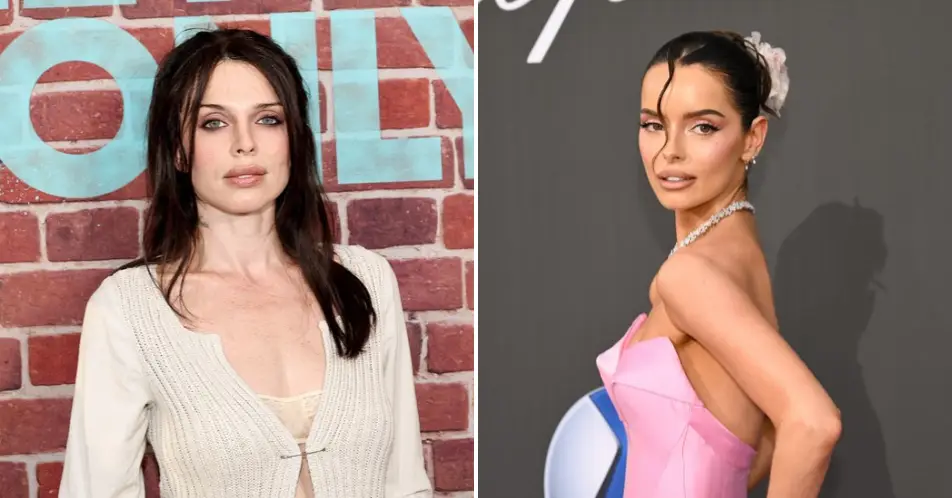
Khloé is far from the only female star whose sex life, or lack thereof, has become a talking point.
Love Island and The Traitors US star Maura Higgins, as well as actresses Julia Fox and Sharon Stone, have all spoken publicly about periods of celibacy.
Their reasons differ, from difficult relationships and questions of trust to personal priorities and a desire for more meaningful connections. Yet the conversation so often circles back to the same question - when will they break their 'dry spells'?
And, honestly, why? At what point does a grown woman's decision about her sex life become a problem for everybody else to fix?
Why is four years without sex treated as a dramatic countdown to some inevitable return to the bedroom? And why, in 2026, does a woman choosing not to have sex still seem to require an explanation?
I'm not suggesting people shouldn't be interested in Khloé Kardashian.
She's a 21st-century icon (as well as my personal favourite member of the Kardashian-Jenner family), and as a reality TV star, sharing the details of her personal life - from relationships and family dynamics to romantic scandals - is part of her job, with the show drawing in millions of viewers per episode, precisely because audiences feel invested in the family's lives.
But being open about some parts of your life doesn't mean surrendering ownership of all of it. Sharing a story isn't an invitation for the public to decide what you should do next.
And whether you're famous or not, the reaction to Khloé's celibacy exposes something much bigger than celebrity gossip - our persistent discomfort with women who aren't having sex, particularly when they aren't interested in explaining themselves or being persuaded otherwise.
Women aren't 'broken' just because they're celibate
What I find particularly frustrating here is the implication that a woman who isn't having sex must be missing out on an essential part of being a woman.
It's as though sex is a box we're all expected to tick, and those who don't are somehow falling behind.
A woman can be successful, attractive, loved and perfectly happy in every other aspect of her life, but the moment she reveals she's not sexually active, it's a talking point. People want to know how she's coping, whether she's lonely and, inevitably, when she's going to start again.
When a woman steps outside this long-standing societal protocol, the instinct is to ask, 'Why?' Or, worse, 'What's wrong?'
But what if Khloé is perfectly content with her life as it is? Why isn't that enough?
There's also something telling about how readily we equate sexual activity with desirability, fulfilment and even a woman's value.
A sexually active woman might be judged for having too many partners, while a woman who isn't sexually active is questioned about what she's missing. Either way, her choices become grounds for scrutiny.
It's a double standard that makes me want to tear my hair out.
Women are expected to want sex, but not too much of it. To be desirable, but not too available. To attract attention, but somehow remain coy. And when we decide a woman isn't meeting those expectations, we - including her nearest and dearest, apparently - start treating her sex life as a collective concern.
But a woman's worth isn't determined by how often she has sex, whether someone desires her or whether she's in a relationship. She doesn't become less of a woman because she isn't sexually active, any more than she becomes more valuable because she is.
A woman isn't incomplete without sex, and her life doesn't need a sexual relationship to make it whole.
Khloé's relationship history isn't an invitation to 'fix' her 'drought'
It's also worth acknowledging the context behind Khloé's decision, because this isn't happening in a vacuum.
Her romantic history has been intensely scrutinised for years, particularly her on-and-off relationship with Tristan Thompson, with whom she shares her children, True and Tatum.
Their relationship was marked by highly publicised infidelity scandals, which, most notoriously, saw Thompson allegedly cheat on Khloé when she was pregnant with their first child in 2018, and the following year kiss her sister Kylie Jenner's longtime friend Jordyn Woods in a club.
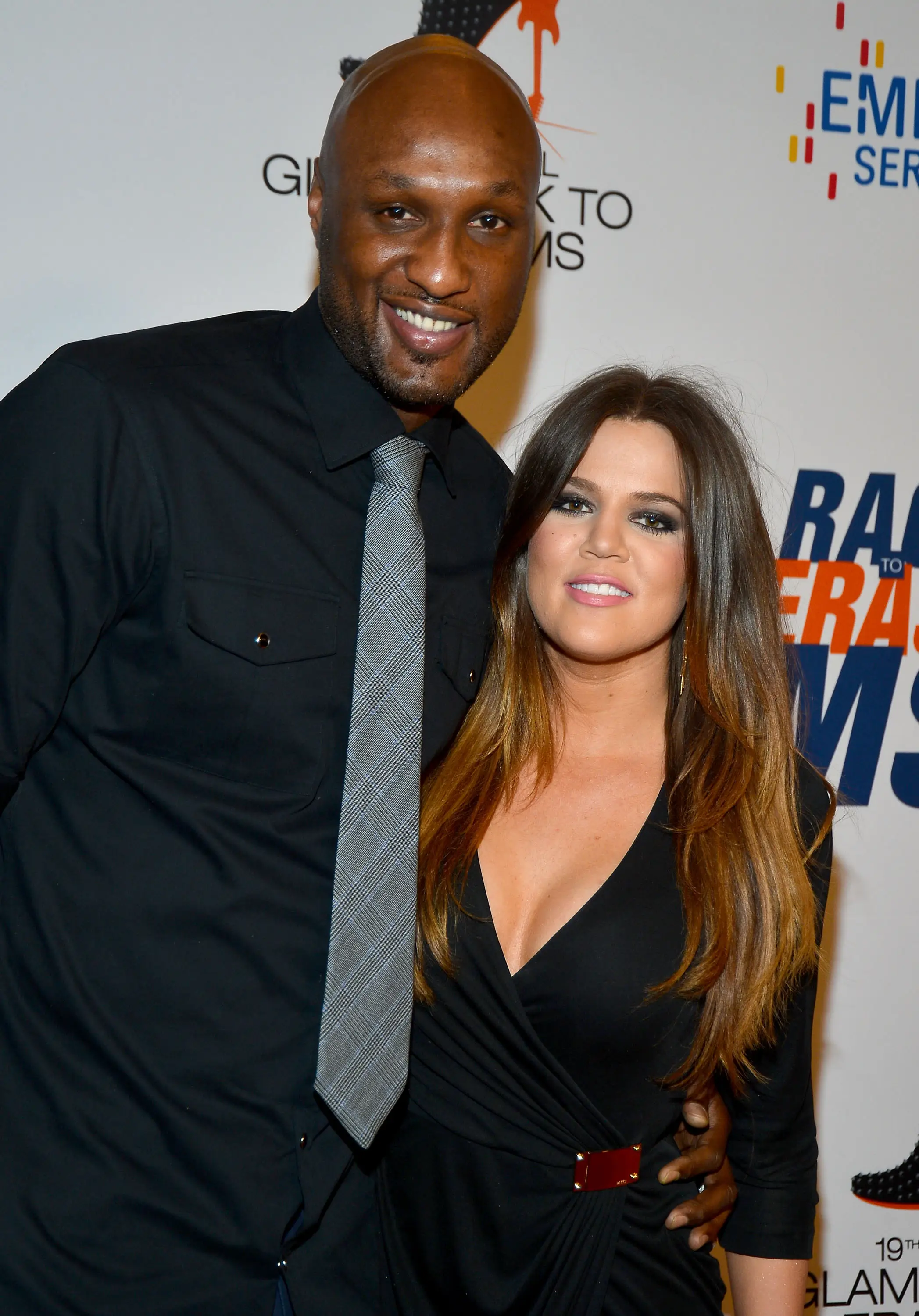
Before that, Khloé was married to Lamar Odom, whose struggles with addiction were also very publicly documented.
But just because a celebrity relationship unfolds under the glare of reality television and relentless online commentary, it doesn't mean the emotional consequences don't magically disappear.
Khloé has previously spoken about going to therapy, taking time to understand herself and choosing not to rush into another relationship.
She's also suggested that sex could have been an easy distraction following her breakup, but that she instead wanted to focus on herself.
That context is important, because it helps us understand why someone might decide to step away from dating and sexual relationships for a while.
But I want to be careful here that we don’t automatically interpret Khloé's celibacy as evidence of trauma, emotional instability or an inability to trust again. This presumption would discredit her decision in a different way.
Because we don't know everything about her internal life, and she shouldn't have to disclose it to satisfy our curiosity.
It'd be totally fair for a person to choose celibacy following heartbreak, but it's equally possible to make that decision because dating feels exhausting, because other priorities take precedence, or simply because sex isn't something they currently want.
Sometimes, a period without sex can be part of someone's healing, or a conscious decision unrelated to any particular wound. Sometimes it happens gradually, without a grand declaration or an intention to abstain for a set amount of time.
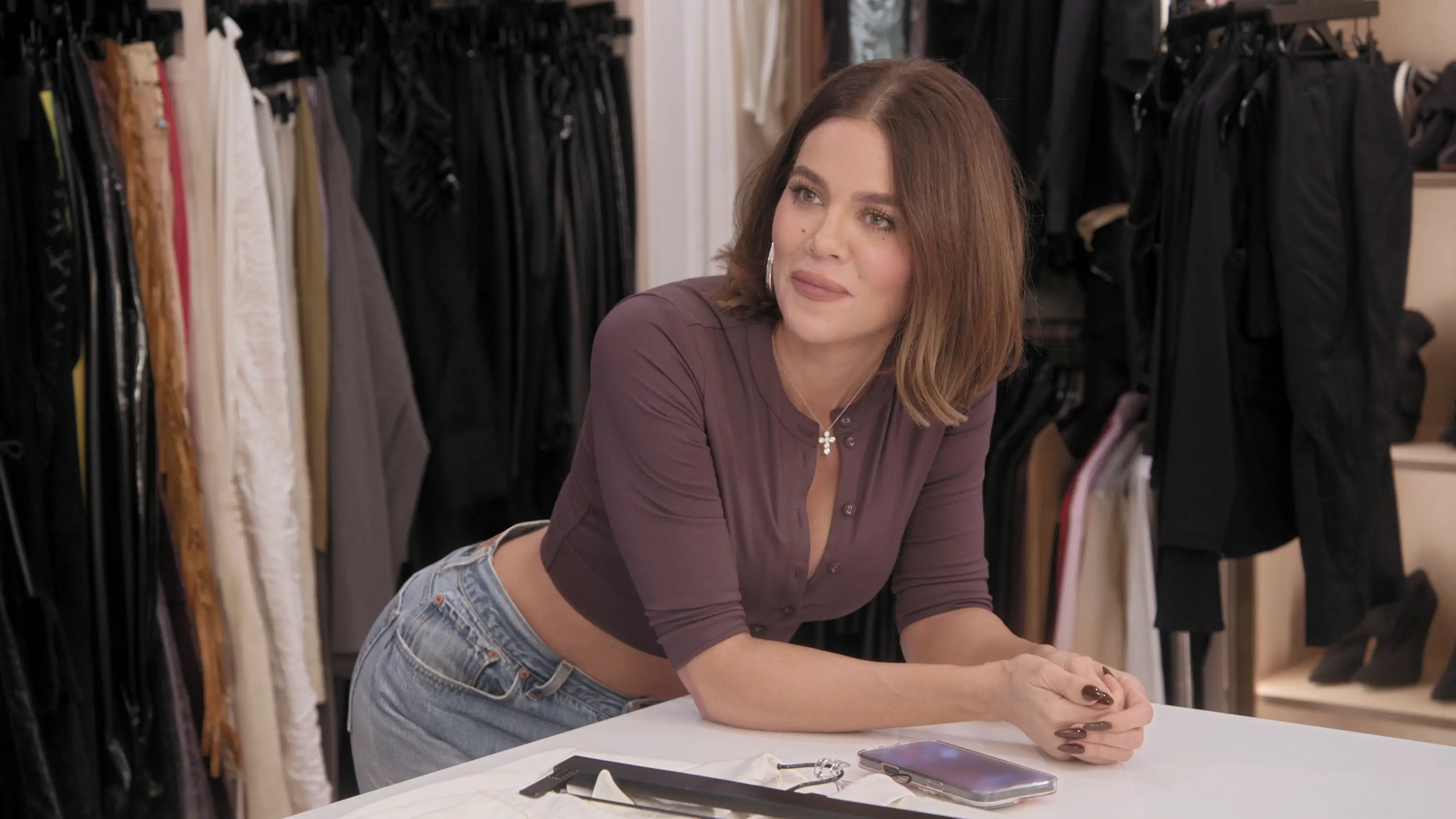
All of these experiences are valid - and, just to reiterate, none of our business.
A woman can work through difficult experiences and decide that she's happiest without getting into bed with someone, and she can choose celibacy without having been hurt at all.
The psychological benefits of celibacy aren't the point - but they do matter
There are, of course, reasons someone might find a period of celibacy beneficial.
We previously spoke to intimate health expert Dr Shirin Lakhani, who told Tyla that taking a break from dating and sex can give some people more room for self-reflection, emotional independence and personal priorities, as well as relieve stress.
So, for someone coming out of a difficult relationship, it can create space to understand their needs without immediately seeking validation or distraction through another romantic connection.
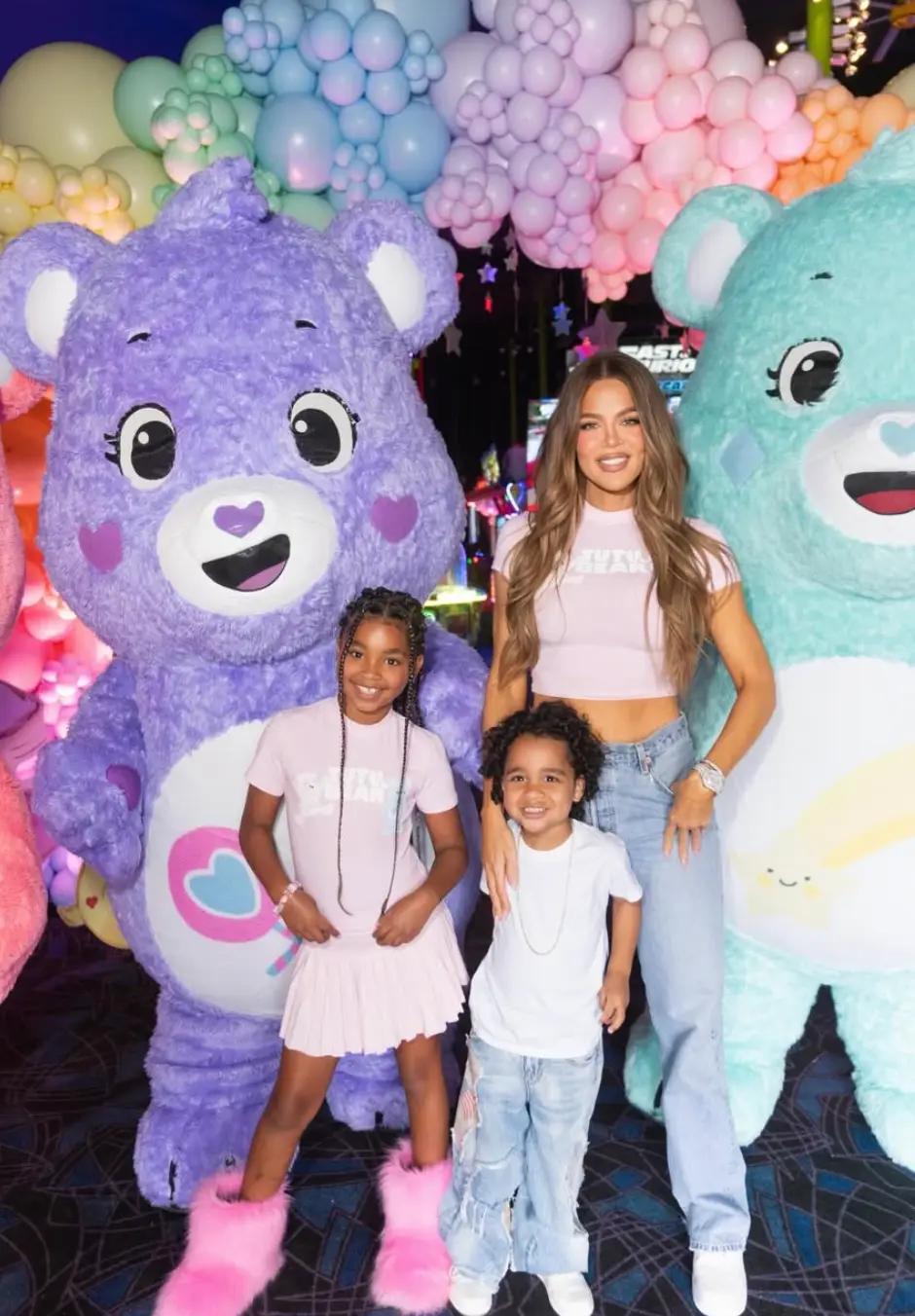
It can also mean having more time and energy for friendships, family, hobbies and work. Khloé's own comments about therapy, her children and learning more about herself reflect some of these possibilities.
But I don't want to turn those benefits into another checklist women must satisfy to justify celibacy.
We should also avoid implying that sexually active people cannot experience those same benefits. Emotional independence, self-awareness and personal growth aren't exclusive to celibacy, just as being sexually active doesn't automatically mean someone is avoiding their feelings.
The reality is, there is no single formula for a healthy relationship with sex, and what matters most is whether someone's choices feel right for them, rather than whether those choices fit our expectations.
Even if Khloé's decision has helped her heal, she shouldn't have to turn that healing into a justification for her sex life. Her decision would be just as valid if she had no almighty explanation at all.
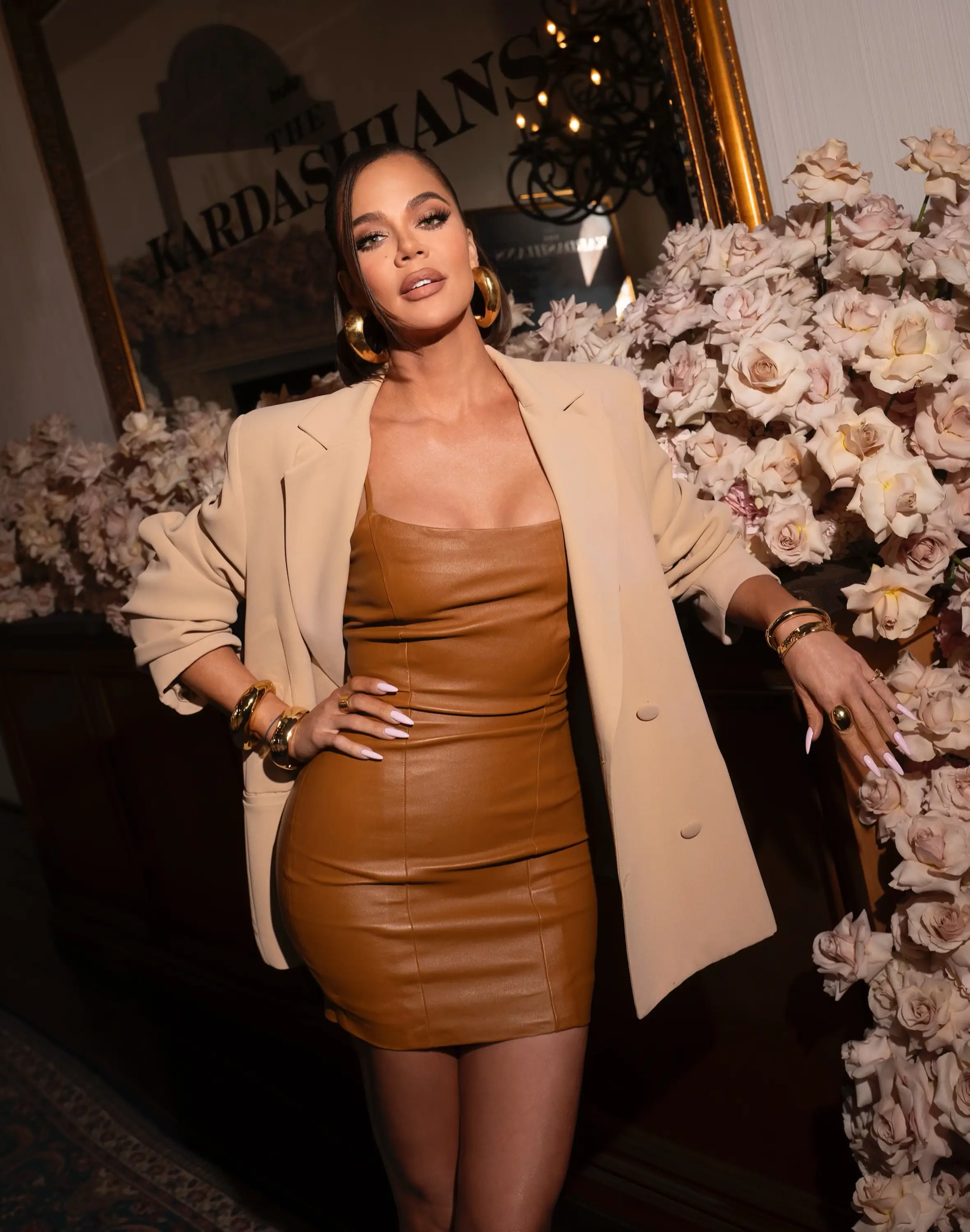
Why are we SO fascinated by women who aren't having sex?
The apparent obsession with Khloé and her sex life is part of a much wider celebrity culture in which women's sexual choices become public entertainment - something we should all be able to weigh in on.
I don't think there's anything inherently wrong with reporting on a public figure's own comments about their sex life, as long as they came from their own mouth in a public forum.
If someone chooses to discuss celibacy, there is value in exploring what that decision means to them and what others might learn from their experience.
But there is a difference between listening to women talk about their choices and treating those choices as a puzzle that needs to be solved.
When a woman announces that she's celibate, society seems to want a backstory. We want to know whether she's been hurt, whether she's struggling, whether she's making a statement or whether she's waiting for someone worthy of her.
We're less comfortable with the possibility that she might simply be content.
Celebrity culture amplifies that expectation, and audiences who reckon they know someone famous just because they watch her on TV or follow her on Insta may feel they have a right to comment on her otherwise deeply personal decisions.
But familiarity is not friendship, and access to someone's public life does not give us ownership of their private one.
Khloé's willingness to talk about her prior flings doesn't mean she owes the public a running commentary on her sexual activity - nor does it mean every decision she makes has to be opened up for discussion, evaluation and advice.
We can be interested in a woman without demanding that she explain herself to us.
We need to stop waiting for Khloé to 'cave'
What bothers me most about the reaction to Khloé is the expectation that this is a phase we're all waiting to see her move beyond - a temporary test.
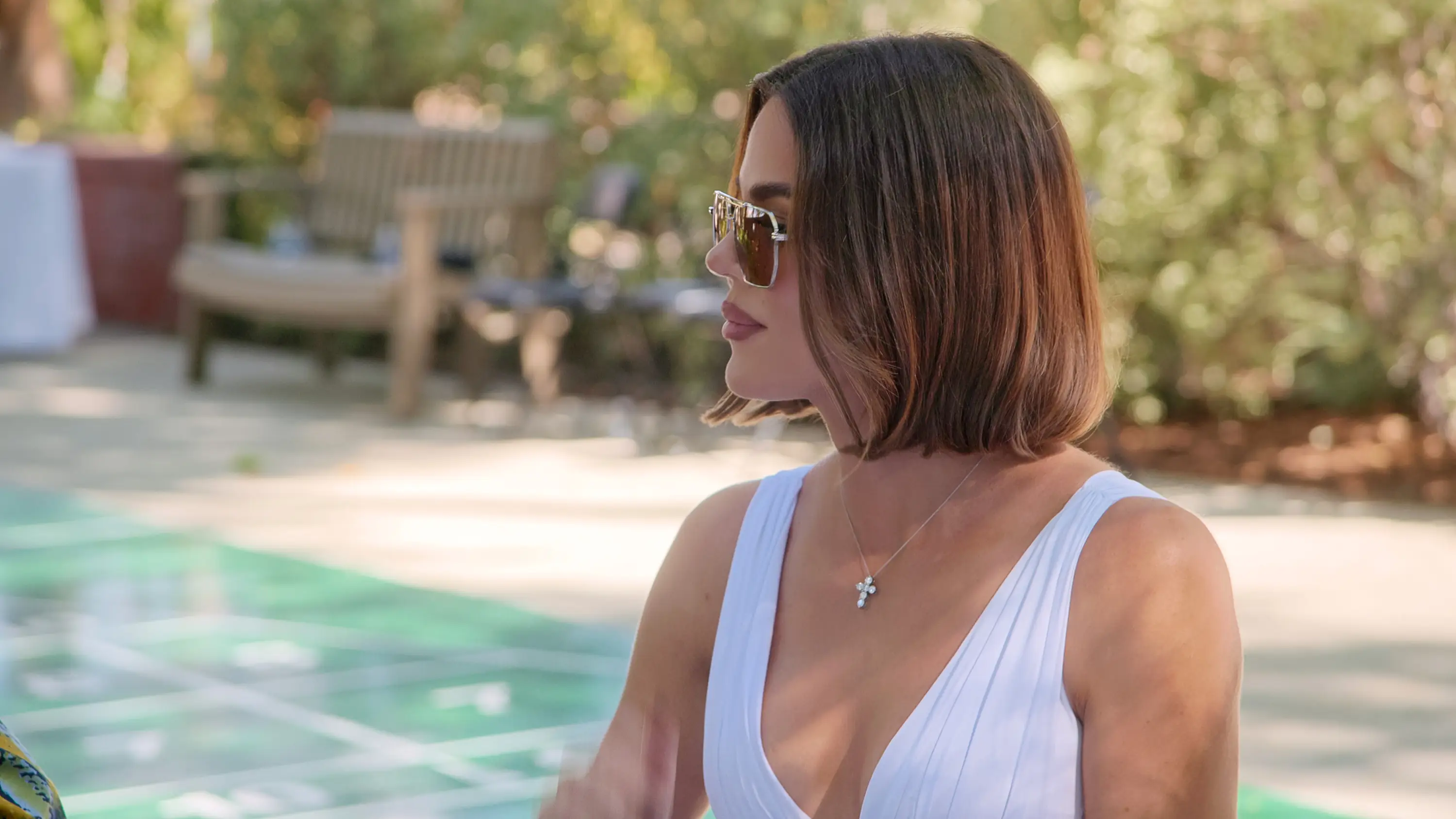
The conversation isn't simply about the fact that she hasn't had sex for four years. It's about when that will change, the focus on the 'when' and the 'yet'.
Khloé has been clear that she doesn't want to have sex right now - and, you know what? She might very well want a relationship sometime in the future.
There is no contradiction in that, and if she does pursue someone new, it doesn't mean she's 'cracked' or 'caved'.
Celibacy isn't a binding contract, and nobody is suggesting Khloé must abstain forever to prove a point. But the freedom to change your mind must include the freedom not to change it simply because other people are impatient.
We desperately need to stop treating her celibacy as a countdown, as though the clock is ticking towards the moment when she'll finally do what everyone assumes she must want to do.
The most respectful response to someone who tells you they're not interested in sex isn't to ask when they'll be interested again, or to check regularly whether they've gone back on their word.

That should be true whether you're talking to a friend, a family member or a celebrity whose life is playing out on television.
A woman's body is not a public referendum
The point I'm most trying to make is that Khloé's four years of celibacy shouldn’t be a spectacle at all.
Celibacy doesn't need to be romanticised. It doesn't need to be pathologised, either. It doesn't have to be a sign of empowerment, a consequence of heartbreak or a stepping stone towards a new relationship.
Sometimes, it is simply a choice.
If we're serious about women's sexual autonomy, we have to accept that women can choose sex, reject sex, change their minds about sex and talk about sex on their own terms.
Topics: Khloe Kardashian, Sex and Relationships, Celebrity, Reality TV, Real Life
 Rhianna Benson