
Why Millennials are rewatching the same shows they loved at 16 as psychologists say it's more than nostalgia

There's something about October that makes many of us want to cancel our plans, throw on an oversized hoodie and return to a fictional town we first discovered when we were teenagers.
Suddenly, Gilmore Girls is back on the television. Friends is playing in the background while you answer emails. The O.C. somehow feels like essential viewing again, despite the fact that you already know exactly what happens to Marissa Cooper.
Then there's Gossip Girl, One Tree Hill, Desperate Housewives, Sex and the City, Scrubs, Skins and The Vampire Diaries, all waiting patiently to transport you back to a time when your biggest problem was probably whether your crush liked your Facebook status.
For Millennials, autumn seems to bring out a particular kind of television behaviour - the rewatch.
Advert
And while it is easy to dismiss the habit as simple nostalgia, psychologists suggest there could be something much more interesting happening when we press play on a show we haven't watched since our teenage years.
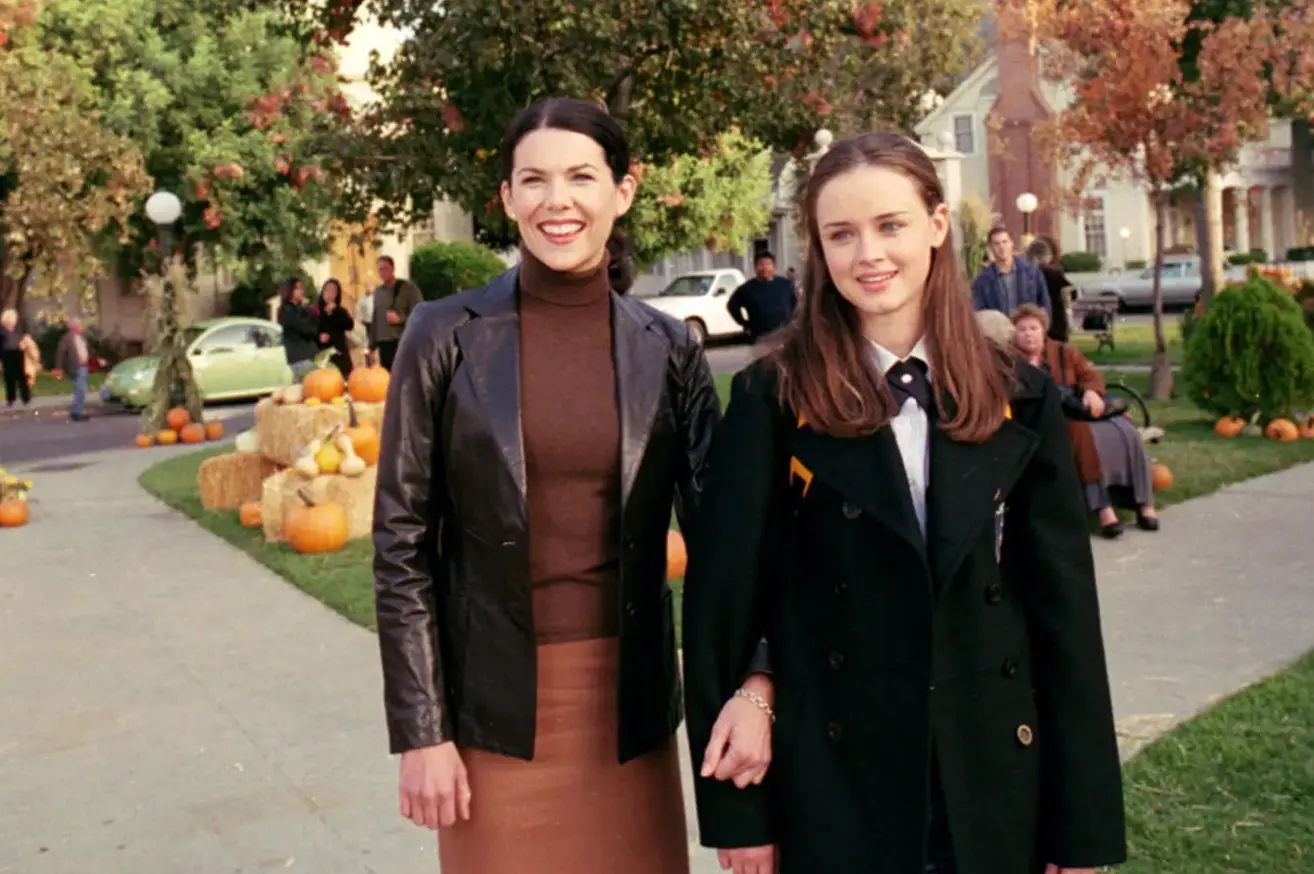
Research into repeated viewing has found that familiar stories can offer comfort, predictability and a sense of control, while revisiting an old favourite can also make us notice how much our own perspective has changed.
In other words, maybe we aren't actually trying to be 16 again - maybe we're just trying to check in with the person we were all those years ago.
'The autumn rewatch is a much more personal experience'
Think about the shows you watched as a teenager and you will probably remember more than the plots.
Does one of the main characters remind you of a guy you were dating at the time? Did you use one star's edgy fashion sense as inspiration for a house party outfit?
Did you take up socially smoking, just because one character made it look cool? *cough* Effy Stonem *cough*
You probably remember where you were living when you binge-watched the series for the very first time.

You probably remember who your best friend was at the time, and how the bedroom you watched it in was decorated, the snacks you ate, the songs from the show that you had on repeat.
That's because our teenage years are a particularly significant period for working out who we are, meaning the entertainment we consumed can become tangled up with memories of identity, relationships and the person we were becoming.
Psychologist Dr Connie McReynolds exclusively told Tyla that going back to these shows is not necessarily about wanting our teenage lives back.
'It's more than wanting to be a teenager again'
"This is more than simple nostalgia because when we go back to a show from our teenage years we don't want to be that age again but to find something familiar and safe from the past," she explained.

"The teenage years are important for identity, so the music we listened to, the friendships we had and the shows we watched become connected with memories of what mattered to us, what we hoped for and how we were beginning to understand ourselves."
She added: "By rewatching those shows as an adult can give us access to that earlier version of ourselves, but from a completely different perspective."
And that explains why watching The O.C. at 32 can feel strangely different from watching it at 16.
The story hasn't changed all these years later, but you have.
Maybe Sandy Cohen suddenly makes much more sense. Maybe you find yourself sympathising with the parents rather than the teenagers. Maybe Carrie Bradshaw's dating choices now make you want to launch your remote at the television.
Or perhaps you are watching Gossip Girl and wondering how anyone had the energy to maintain that many outfits, relationships and elaborate revenge schemes before smartphones had even become unavoidable.
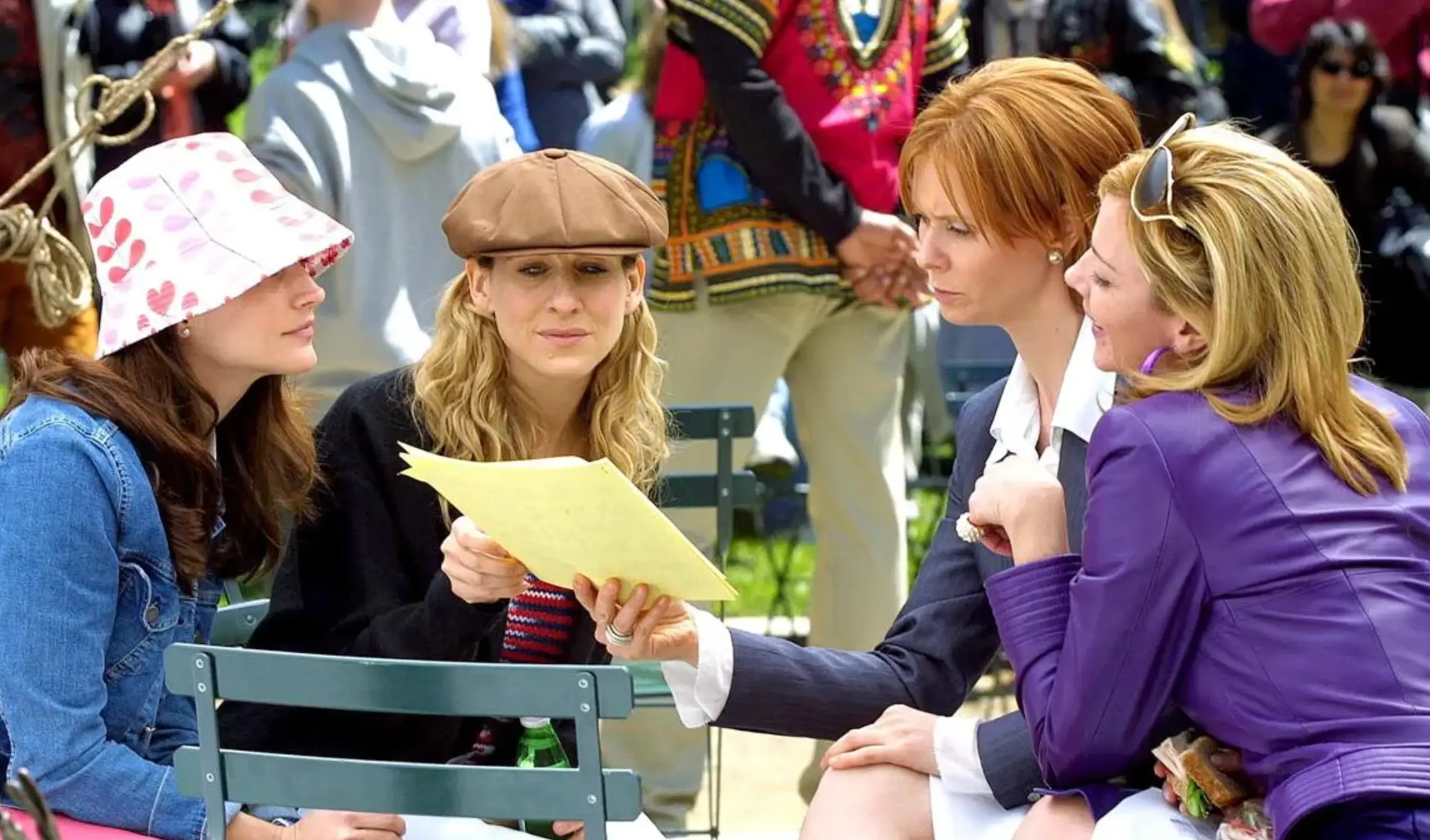
Repeated viewing can give us the chance to spot details we missed the first time around, precisely because we are no longer concentrating on what happens next.
And sometimes the biggest plot twist is realising that you are the character who has changed.
'A nostalgic binge can give us the chance to self-reflect'
One of the most interesting things about rewatching is that it can become an accidental progress report.
Research exploring why millennials return to familiar television highlighted studies that suggest revisiting old stories can allow us to gain insight into ourselves and recognise how much our lives have changed.
Dr McReynolds makes a similar point, explaining that we often see our old favourites through completely different eyes when we return to them later.

"A character we once loved may suddenly frustrate us, we might understand the parents, relationships or storylines very differently or wonder what on earth made us have that haircut!" she joked.
"With that in mind rewatching can become a subtle way of measuring how much we have changed and the progress that's been made, esp if we feel stuck after a break up or job loss."
And suddenly, that Scrubs binge is looking a little less like procrastination and a little more like personal development.
The show is exactly as you remember it, but you are watching it with years of experiences that your teenage self simply didn't have.
'A rewatch can give us perspective we didn't have in adolescence'
You might understand the parents differently, spot the red flags you completely missed the first time around, or find yourself sympathising with a character you once couldn't stand.
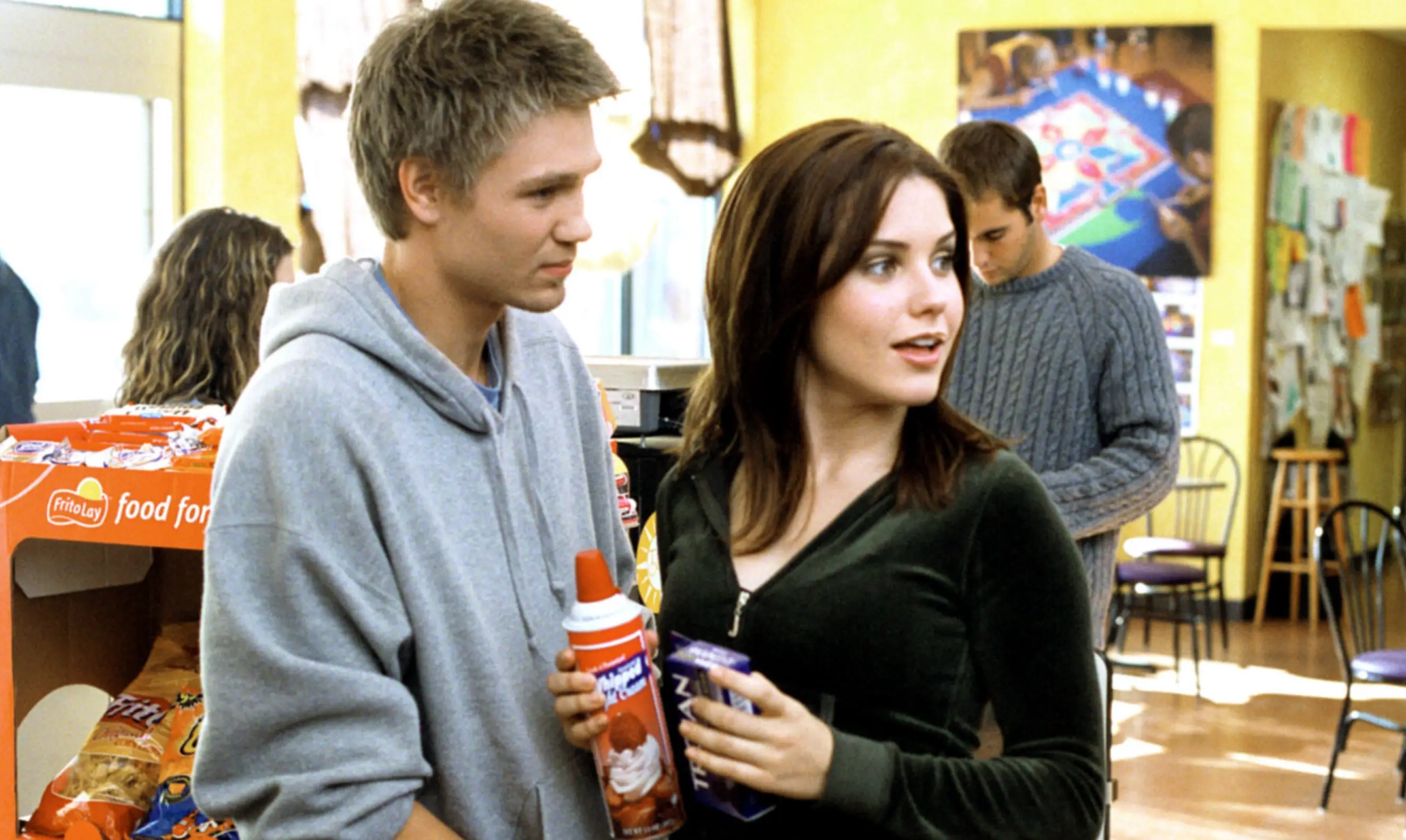
The teenager watching One Tree Hill might have thought heartbreak was the end of the world, but the adult watching it years later might recognise the feeling, remember their own version of it and realise they survived.
The show is familiar, but you are not.
Maybe this is why an old favourite can feel comforting and slightly emotional at the same time - you get to return to a world you know without having to become the person you were when you first discovered it.
It also explains why these rewatches can become particularly appealing when life feels uncertain.
'These phases can be cyclical - especially when life gets tough'
Being an adult can be exhausting in ways that the teenage version of you probably couldn't have anticipated.
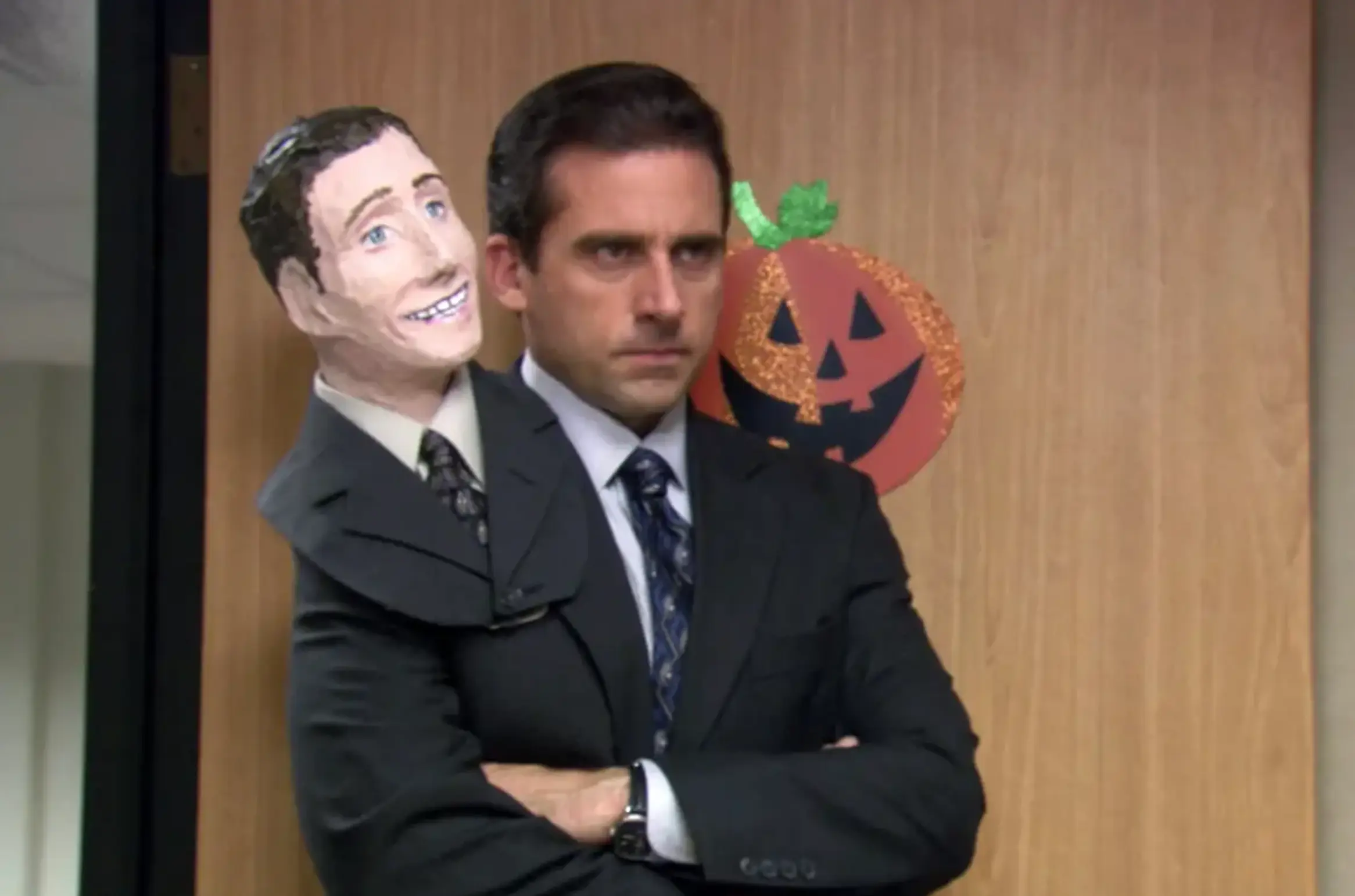
There are bills, work emails, complicated relationships, endless decisions and the increasingly cursed experience of having to decide what to watch when there are approximately 700 things available.
That last one sounds trivial, but psychologists have suggested that an overwhelming amount of choice can make deciding what to watch surprisingly effortful.
On the other hand, familiar programmes remove that problem because you already know what you are getting.
Dr McReynolds says predictability is part of the appeal.
"There is also something comforting about the shows' predictability," she told us. "When life feels busy, loud and demanding, watching something where we know the characters, the story and even what is going to happen next removes some of the cognitive effort involved in choosing and following something new.
'There's no emotional admin with comfort shows'
"We know what emotional territory we are entering, and that can feel very safe."
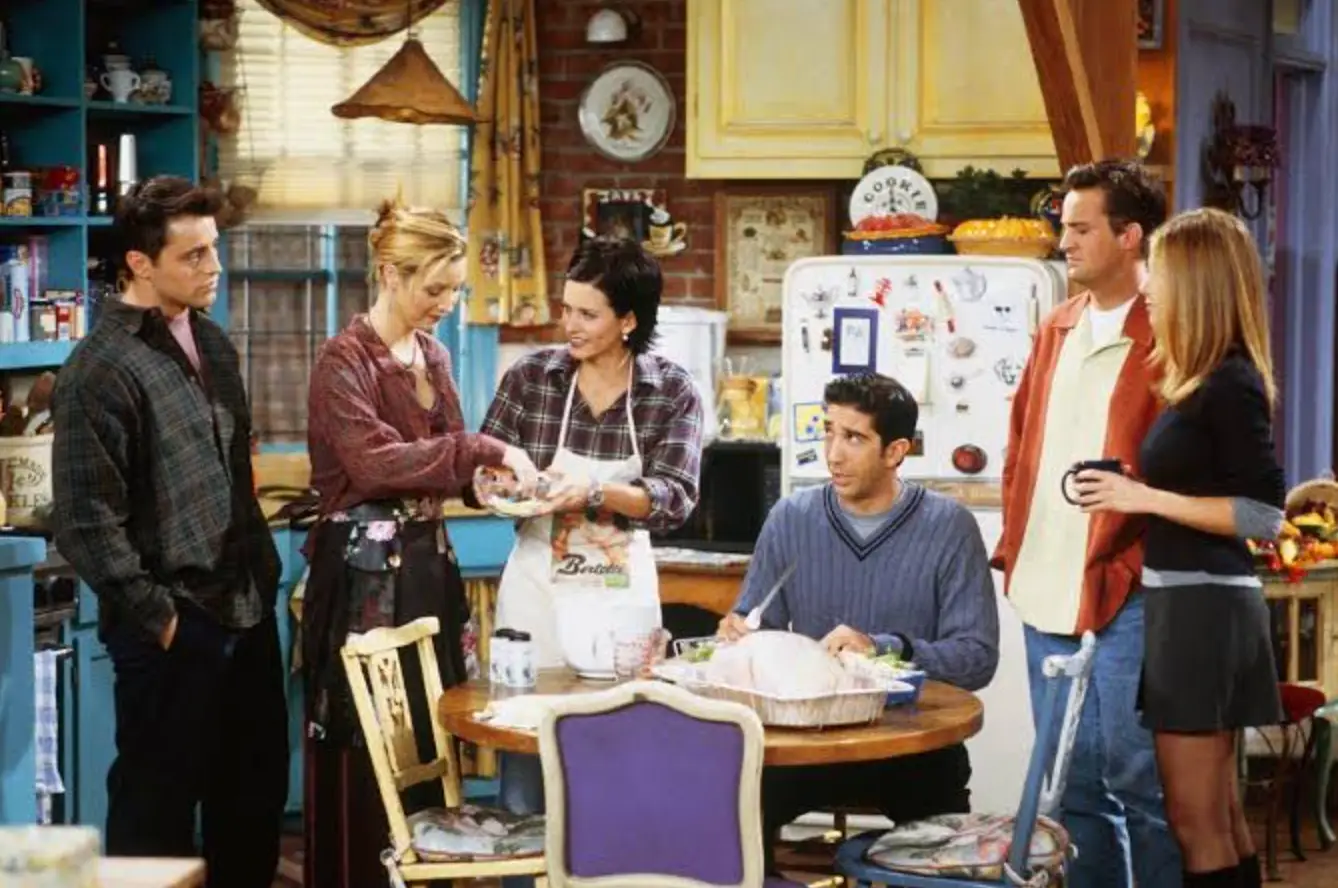
That is probably why putting on Friends after a long day feels different from starting a brand-new psychological thriller that requires you to remember seven characters, three timelines and who exactly that suspicious man was in episode one.
With a comfort series, there's no emotional admin.
You already know Ross and Rachel will find themselves back in the same 'we were on a break' argument. You know Lorelai is about to knock back her body weight in coffee. You know Michael Scott is going to leave the whole office squiriming in discomfort.
The predictability is the point.

Research into rewatching has similarly found that familiar stories can reduce the mental effort involved in following something new, while giving viewers an emotional outcome they already understand.
It is basically the television equivalent of ordering the same thing at your favourite restaurant because you know it will hit.
'Autumn is the era of familiarity'
There is something almost suspiciously perfect about rewatching old television in October.
The evenings get darker, the weather becomes increasingly hostile, and suddenly staying in does not feel like a punishment. Summer is for being out out, while autumn is for nesting.
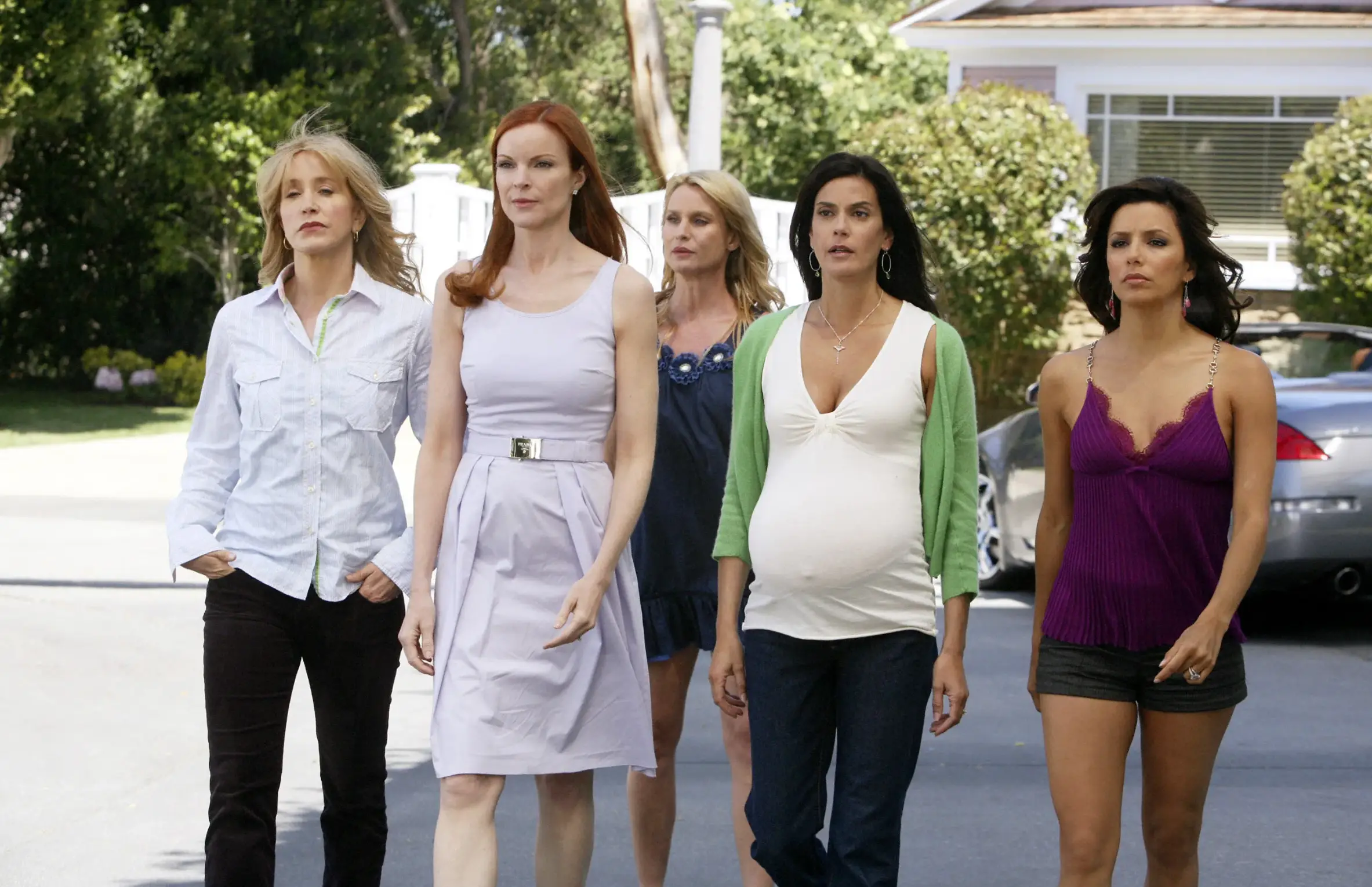
The big light gets switched off, the heating goes on, you find a blanket that has somehow migrated to the sofa and suddenly Gilmore Girls becomes less of a television show and more of an interior design choice.
Dr McReynolds believes the seasonal shift matters, too.
"I think that the autumn adds to that because our routines change, evenings become darker and we spend more time at home, and we want things that are familiar and comforting," she continued.
"Putting on Gilmore Girls or Friends can be less about wanting to go backwards and more about finding something reassuringly familiar while reconnecting with a part of your own story."
Our expert concluded with some pretty sound advice.
"I would say, get comfy, hunker down and not only relive the past but also see just how far you have come," Dr McReynolds concluded.
It is worth remembering that autumn itself does not magically make us nostalgic, but seasonal changes can create more opportunities for the kind of quiet, reflective evenings in which familiar entertainment fits particularly neatly.
Topics: TV And Film, Entertainment, Real Life, Mental Health, Netflix
 Rhianna Benson