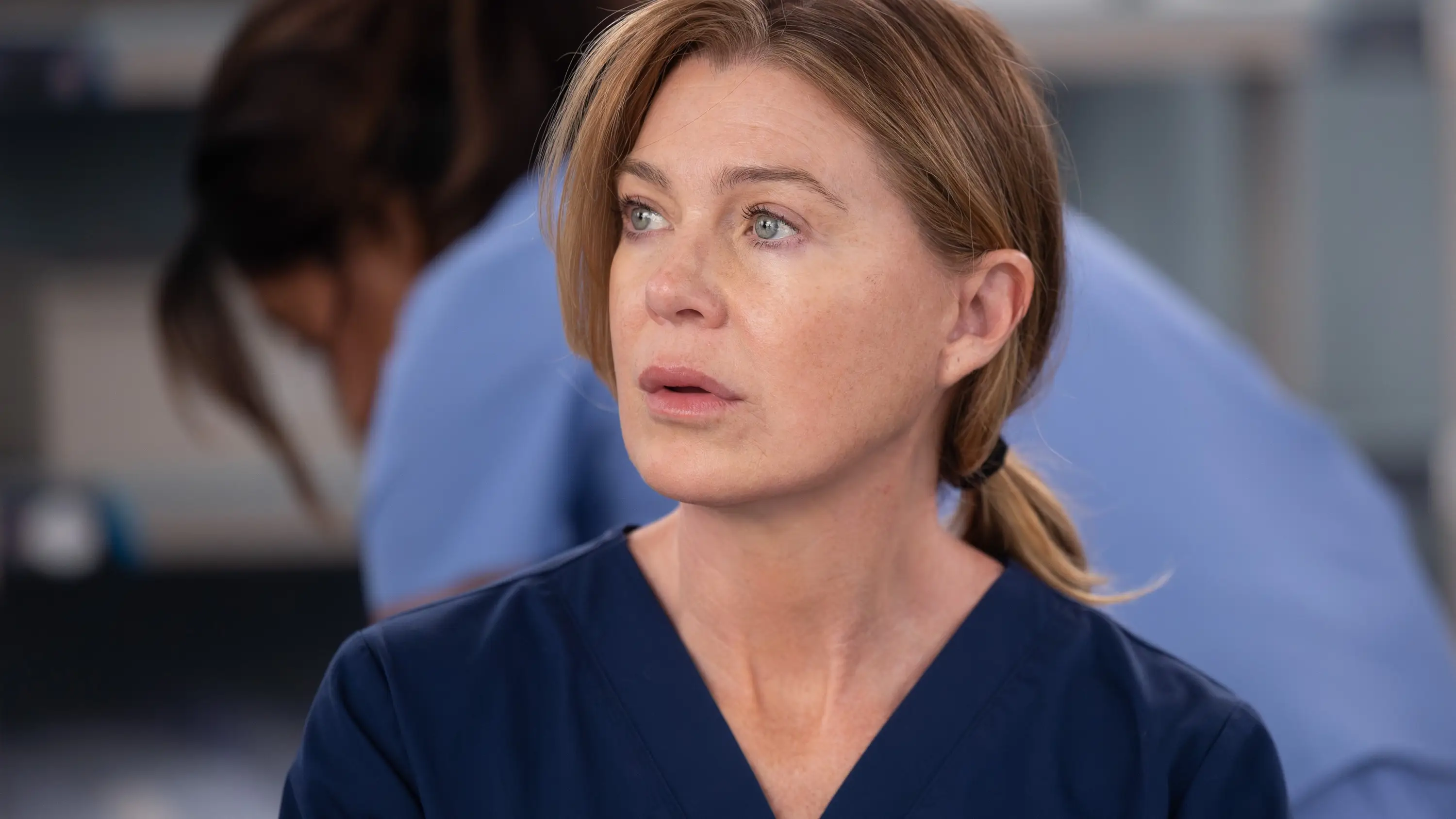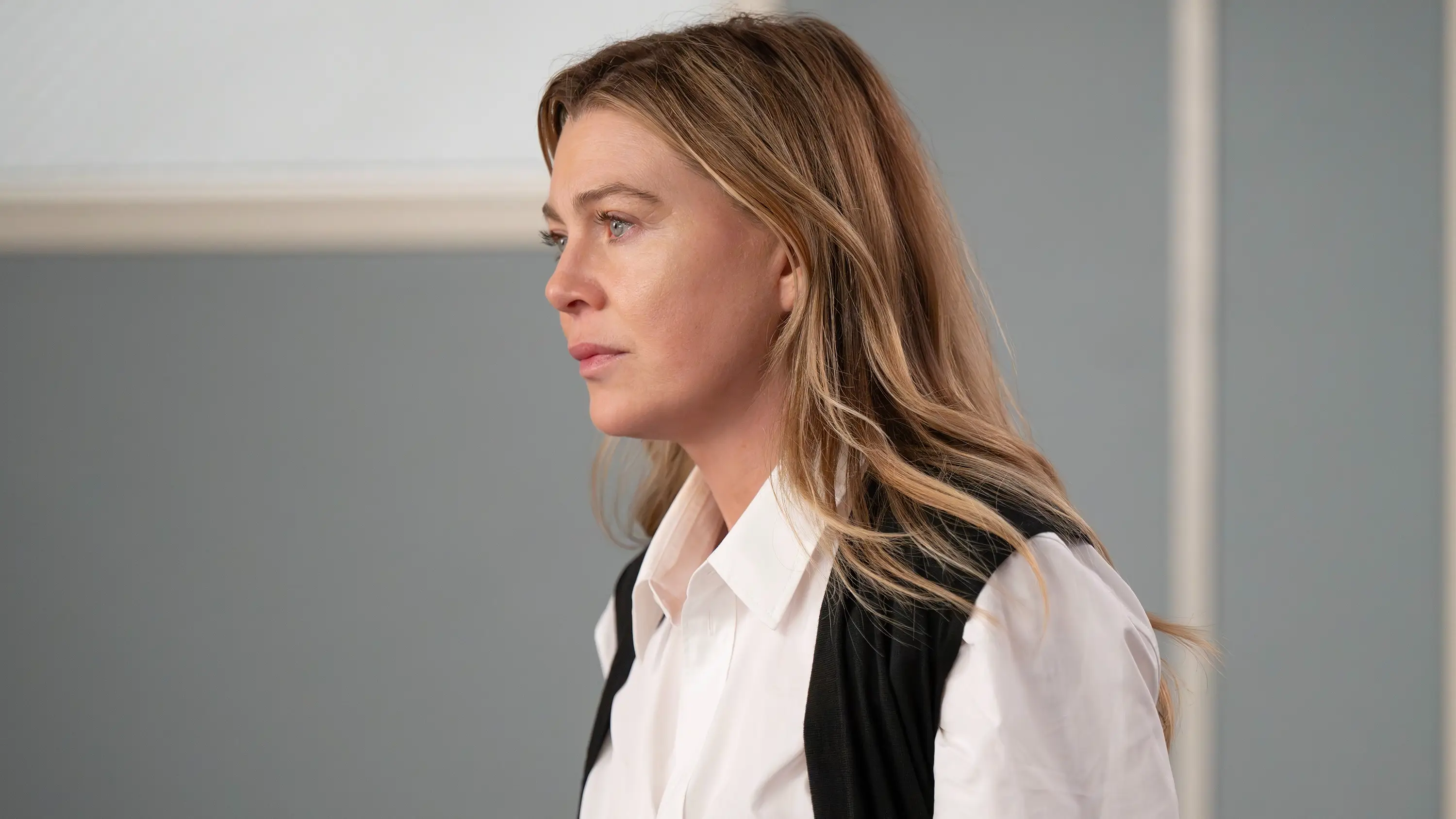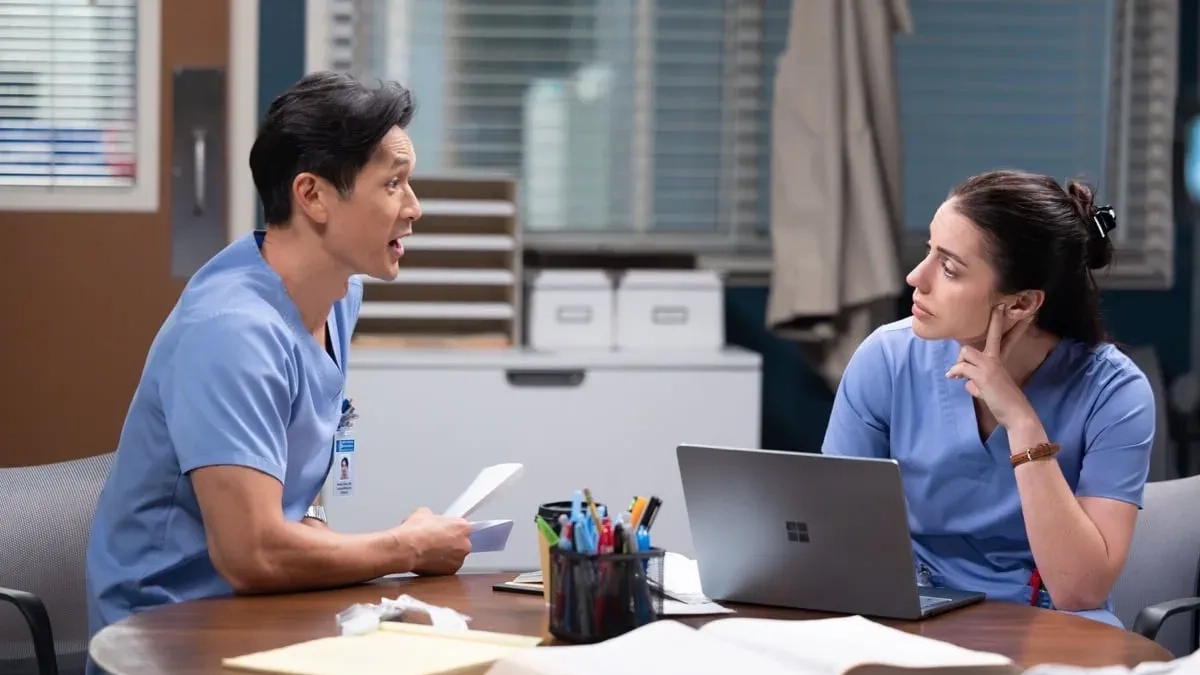
Grey's Anatomy sparks important discussion about C-sections and the realities of childbirth with latest episode

Grey's Anatomy has never shied away from an emotional storyline, but its latest episode has sparked an important conversation about childbirth, birth trauma and the realities of undergoing a C-section.
Season 23, episode five, titled 'Stronger (What Doesn't Kill You)', saw Jo Wilson (played by Camilla Luddington) face an incredibly difficult situation when her new friend Corrie (Sarah Levy), whom she met at a birth trauma support group, unexpectedly went into labour.
What should have been an exciting moment quickly turned into a terrifying ordeal when complications arose, however, with the umbilical cord cutting off the baby's oxygen supply.
As Jo accompanied Corrie in the ambulance, the situation became even more critical when her uterus began to rupture.
Advert
With both mother and baby in danger, Jo was forced to perform an emergency C-section inside the moving ambulance.
Fortunately, both Corrie and her baby survived, but the experience was understandably harrowing for everyone involved.

The storyline also proved particularly emotional for Jo, who had previously stepped away from her obstetrics residency after struggling with the trauma of childbirth and the impact it had on her mental health.
Following the ordeal, Corrie's words of encouragement helped Jo recognise that her experiences hadn't made her weaker, ultimately inspiring her to return to medicine.
But while the episode delivered a positive outcome for the mother and baby, it also highlighted just how frightening and unpredictable childbirth can be, prompting viewers to reflect on the realities of C-sections.
According to the NHS, a Caesarean section, commonly referred to as a C-section, is an operation in which a baby is delivered through surgical incisions made in the mother's abdomen and womb.
Although it is a relatively common procedure, it is still considered major surgery and carries potential risks, including infection, blood clots, excessive bleeding and damage to nearby organs.

For reference, around 45% of babies born in England are delivered by C-section, with the procedure sometimes planned in advance and sometimes performed as an emergency when vaginal delivery is considered too risky.
Most C-sections are carried out using spinal or epidural anaesthesia, meaning the mother is awake but the lower half of her body is numbed. During the operation, doctors make an incision through the abdomen and womb to deliver the baby.
Recovery can also take longer than after a vaginal birth, with new mothers needing time to heal while adjusting to life with their newborn.
Unsurprisingly, Grey's Anatomy's latest storyline struck a chord with viewers, with several taking to Reddit to discuss the realities of childbirth and the emotional and physical toll it can take.
One viewer wrote: "That’s really puts a spotlight on how dangerous pregnancy and birth are. It’s such a gamble. It should always be the woman’s choice. Anything else is no short of torture."

Another commented: "This poor woman, two traumatizing births."
A third viewer reflected on the physical nature of the procedure, writing: "The contrast between c-sections vs all the other laparoscopic surgeries always stuns me. C-sections really underline just how violent surgery is."
Meanwhile, another fan pointed out how Corrie's experience had become another traumatic chapter in her childbirth journey, writing: "Sooooo, birth #2 also traumatic. Poor friend of Jo whose name I can't remember."
While Grey's Anatomy is, of course, a totally fictionalised medical drama, its latest episode has opened up a much-needed conversation about the realities women can face during pregnancy and childbirth.
And, maybe most importantly, it serves as a reminder that every birth experience is different.
Topics: Grey's Anatomy, TV And Film, Entertainment, US News
 Rhianna Benson