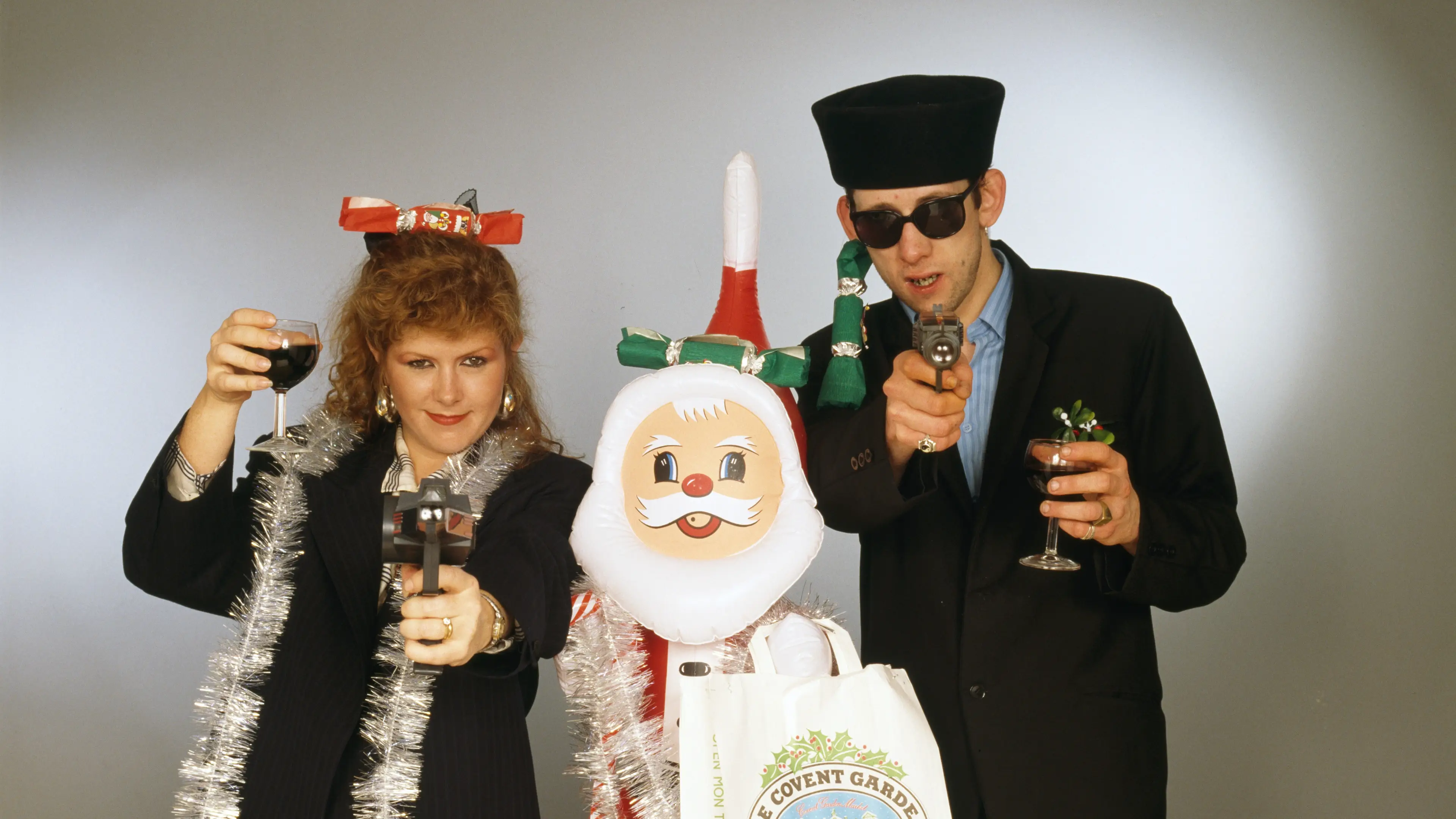
Kirsty MacColl changed controversial Fairytale of New York lyric before her death

Prior to her death 25 years ago, singer-songwriter Kirsty MacColl made the brave decision to alter the hotly-debated lyrics to she and Shane MacGowan's festive hit, Fairytale of New York.
For those in need of a reminder, the Christmas track was released all the way back in 1987.
MacGowan, the frontman of the Irish folk band The Pogues, wrote the seasonal song for his group, inviting a then 27-year-old MacColl to perform it with him as a duet, given that it told the tale of a couple embroiled in a bitter spat.
Advert
The single hears the pair hurling rib-tickling insults at one another until they reach one line, where MacColl - who sadly died in 2000, aged 41 - belts out a remark that has since been deemed a highly offensive homophobic slur.
We are, of course, talking about the line, 'You scumbag, you maggot / You cheap lousy f****t', with the latter term often being used to demean gay people.
Naturally, in the years since, Christmas celebrants have called for the removal of the lyrics - to the relief of some, and the frustration of others, the latter of whom argued that the word should be interpreted as traditional Irish slang for a 'lazy person'.
Despite this claim, when played on the radio or television, producers either omit the words entirely, or censored the lyrics, so that something alternative is said instead.
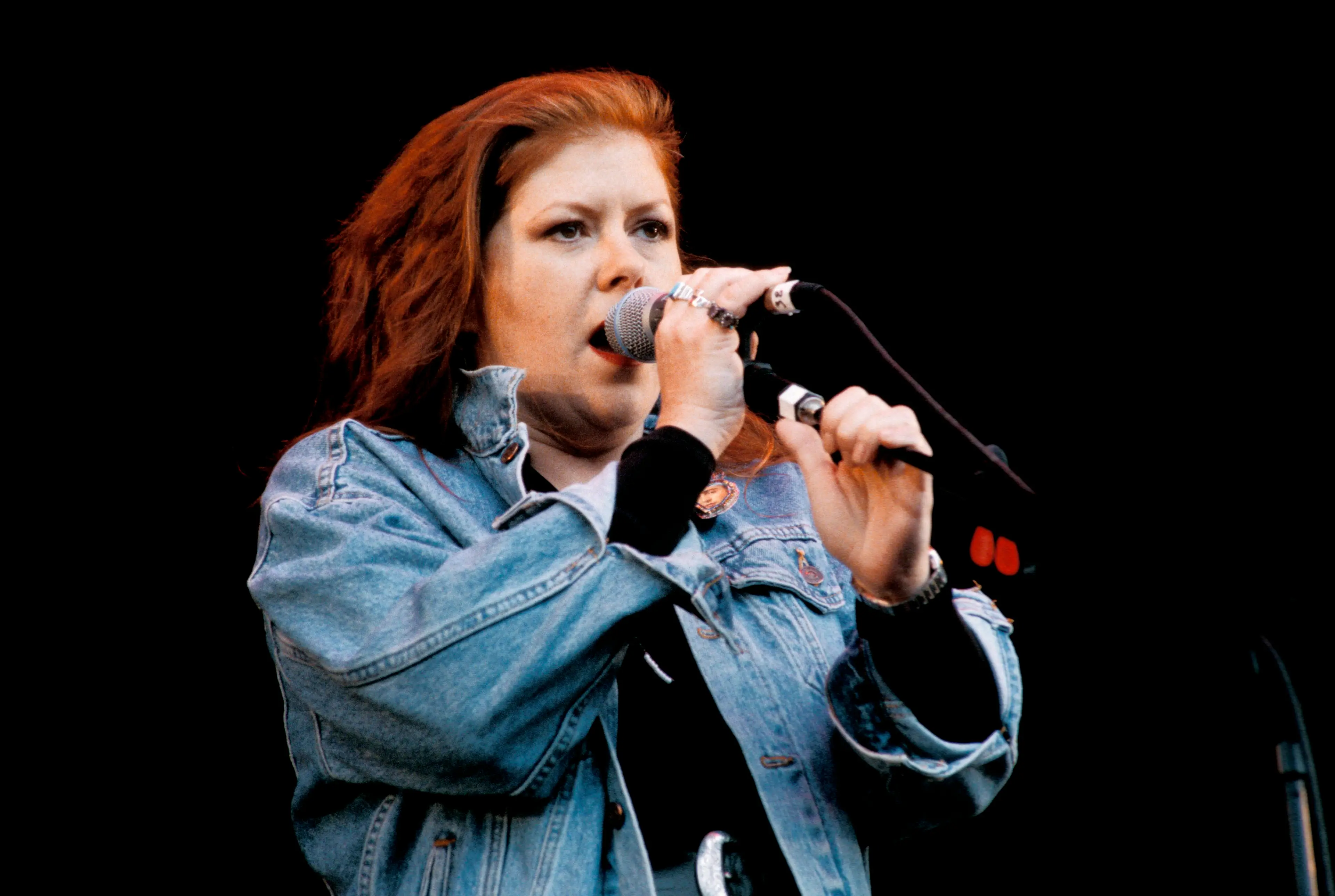
Years before they have a chance to implement this protocol, however, MacColl herself courageous changed the lyrics while performing live on Top of the Pops in January 1992, having caught wind of the controversy.
While appearing on the show, she changed the line from 'You cheap lousy f****t', to, 'You’re cheap and you’re haggard'.
And as a result of the move, many artists followed suit, including Boyzone's Ronan Keating, who sang the same lyrics for an unfortunately poorly-received cover version eight years later.
Prior to his own passing from pneumonia in November 2023, MacGowan also got the chance to address the scandal surrounding his hit single, claiming the lyric was intended to reflect the attitude of the character being played by MacColl.
"I've been told it's insulting to gays; I don't understand how that works. Nobody in the band thinks that's worth a second's thought," he told press. "The word was used by the character because it fitted with the way she would speak and with her character."

MacGowan went on to insist: "She is not supposed to be a nice person or even a wholesome person. She is a woman of a certain generation at a certain time in history, and she is down on her luck and desperate.
"Her dialogue is as accurate as I could make it but she is not intended to offend. She is just supposed to be an authentic character."
The late star added: "Not all characters in songs and stories are angels or even decent and respectable, sometimes characters in songs and stories have to be evil or nasty in order to tell the story effectively."
 Rhianna Benson