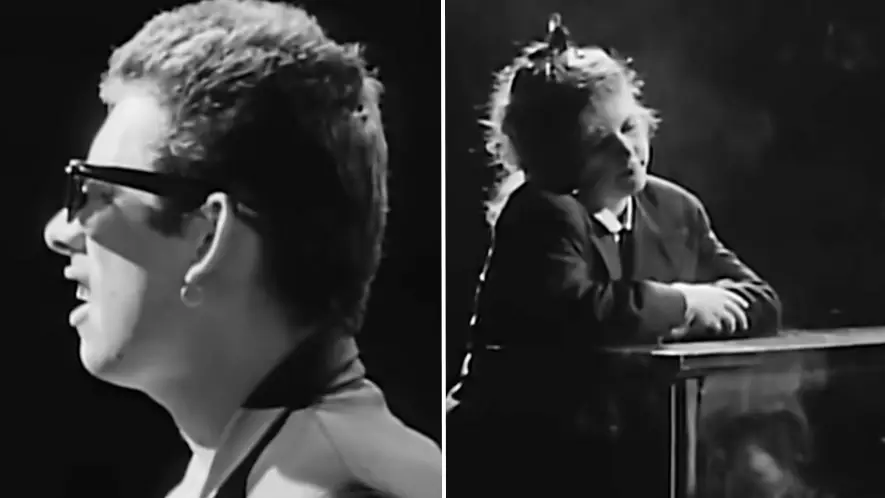
'Fairytale of New York' singer Shane MacGowan revealed why they used homophobic slur in song

Before his death two years ago, Shane MacGowan had the opportunity to address the controversy surrounding his festive hit, Fairytale of New York.
For those in need of a reminder, the Christmas classic was released all the way back in 1987, written by MacGowan for his London-based band, the Pogues, and guest starring late singer-songwriter Kirsty MacColl.
Unlike your average seasonal track - filled with mistletoe kisses and roaring fires - this Irish folk-style ballad is performed as a duet, telling the tale of a couple who have fallen out, having a go at each other, firing shots at one another through brutally comedic lyrics.
Amongst the insults thrown, however, is one that has since been deemed a highly offensive homophobic slur. So much so that the lyrics to this particular part have been altered - to the relief of some, and the frustration of others.
Advert
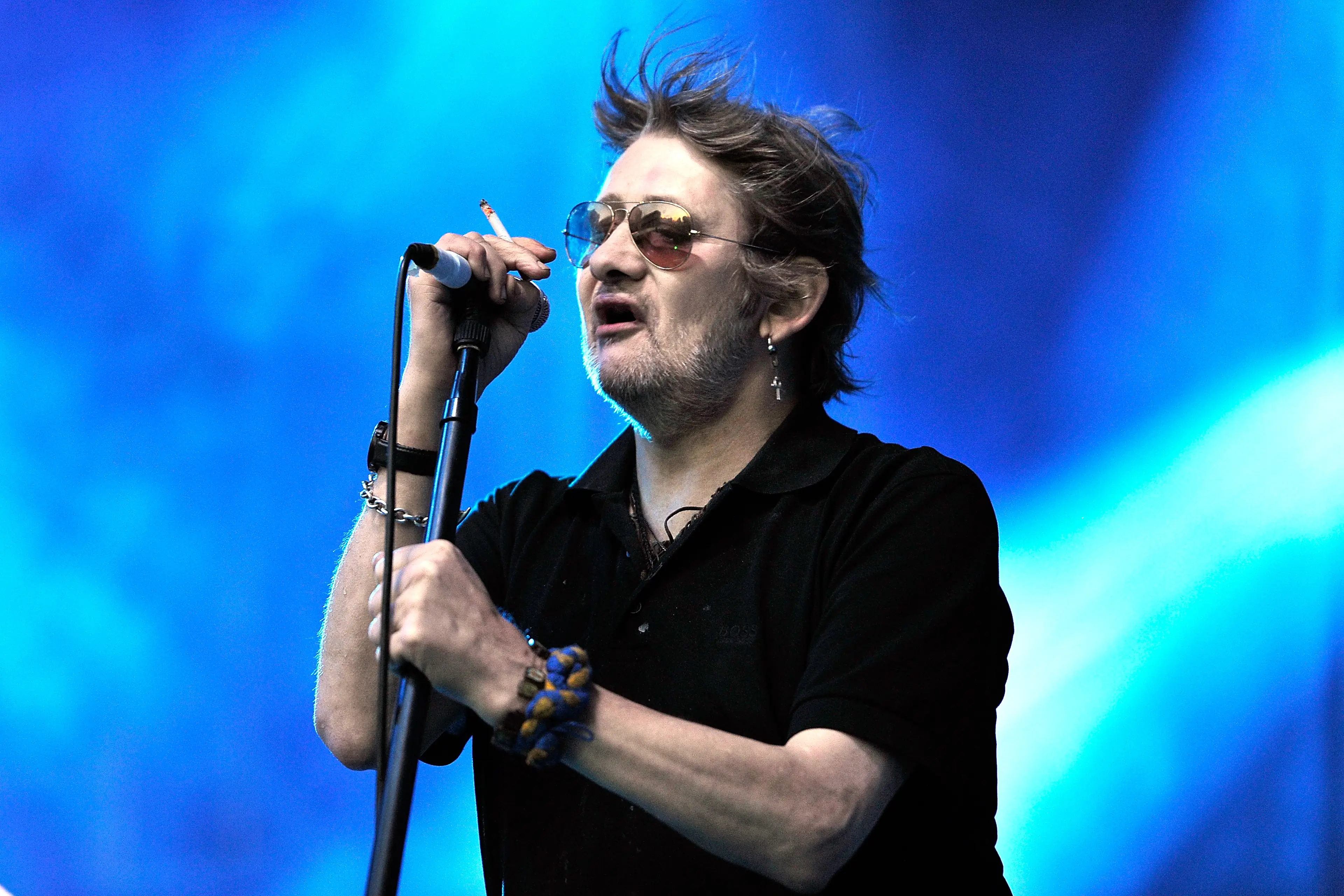
We are, of course, talking about MacColl letting rip at MacGowan, with: "You scumbag, you maggot / You cheap lousy f****t."
With the last word often being used to demean gay people, it's no surprise that Christmas celebrants demanded its removal altogether, which has seen the song censored whenever it's on the radio or the telly.
Having implemented this protocol, BBC Radio 2 producers announced back in 2022 that they'd only play the rendition with different lyrics during the Christmas period.
"On Radio 2, we are reflecting what we are hearing back from many of our listeners who love the song, but find some of the lyrics jarring in 2022, and playing an alternative version provided by the record company," the BBC told HuffPostUK.
Sadly, though MacGowan has since died, passing away in November 2023 from pneumonia, the musician did get the chance to address the scandal surrounding his hit single.
Responding, he claimed the lyric was intended to reflect the attitude of the character being played by MacColl.
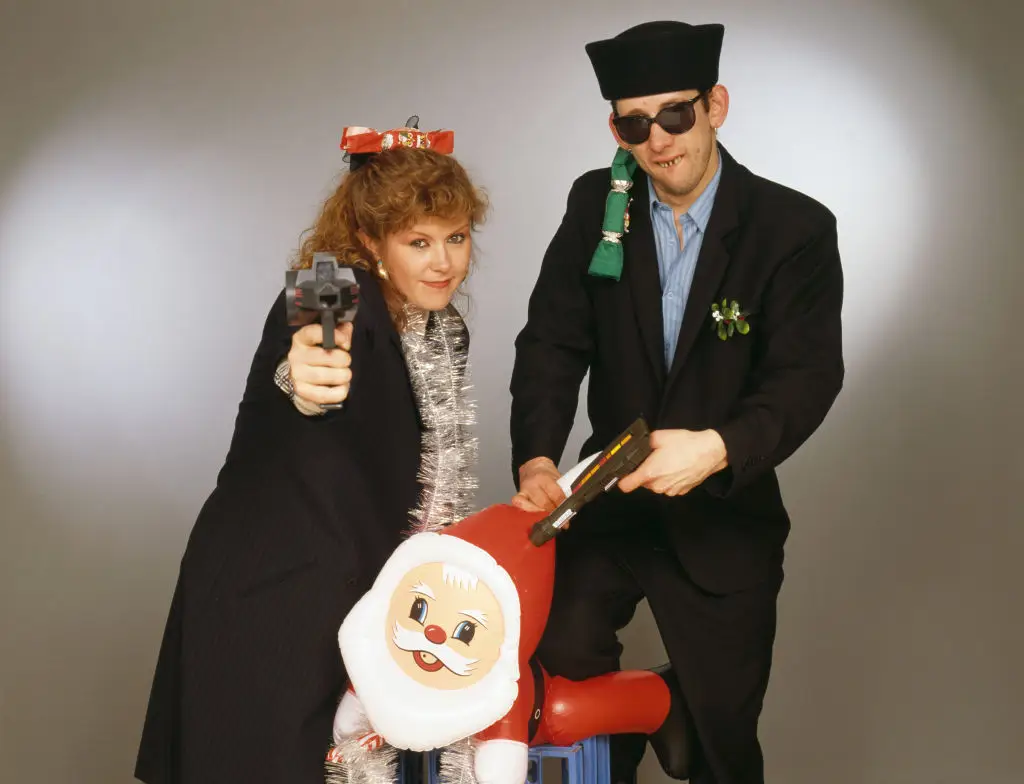
"I've been told it's insulting to gays; I don't understand how that works. Nobody in the band thinks that's worth a second's thought," he said.
"The word was used by the character because it fitted with the way she would speak and with her character."
MacGowan continued: "She is not supposed to be a nice person or even a wholesome person. She is a woman of a certain generation at a certain time in history, and she is down on her luck and desperate.
"Her dialogue is as accurate as I could make it but she is not intended to offend. She is just supposed to be an authentic character."
The late star concluded: "Not all characters in songs and stories are angels or even decent and respectable, sometimes characters in songs and stories have to be evil or nasty in order to tell the story effectively."
 Rhianna Benson