
Celebs like Jennifer Lawrence are finally being honest about cosmetic procedures – and as someone who has filler, I know why it matters

For decades, plastic surgery was both one of Hollywood's worst-kept secrets and its darkest taboos.
The front pages of tabloid magazines were plastered with speculation over celebrities' changing faces, and experts would weigh in on whether their noses looked a little different.
In response, stars would insist their snatched new looks were down to good genes, stellar skincare and a healthy lifestyle.
But lately, something seems to be changing.
Advert
From Jennifer Lawrence confirming she has had breast surgery to Barry Keoghan opening up about aesthetic treatments this week alone, an increasing number of famous faces are being refreshingly candid about the procedures they've chosen to have.
And, honestly, it's about damned time.
Which celebs have spoken out?
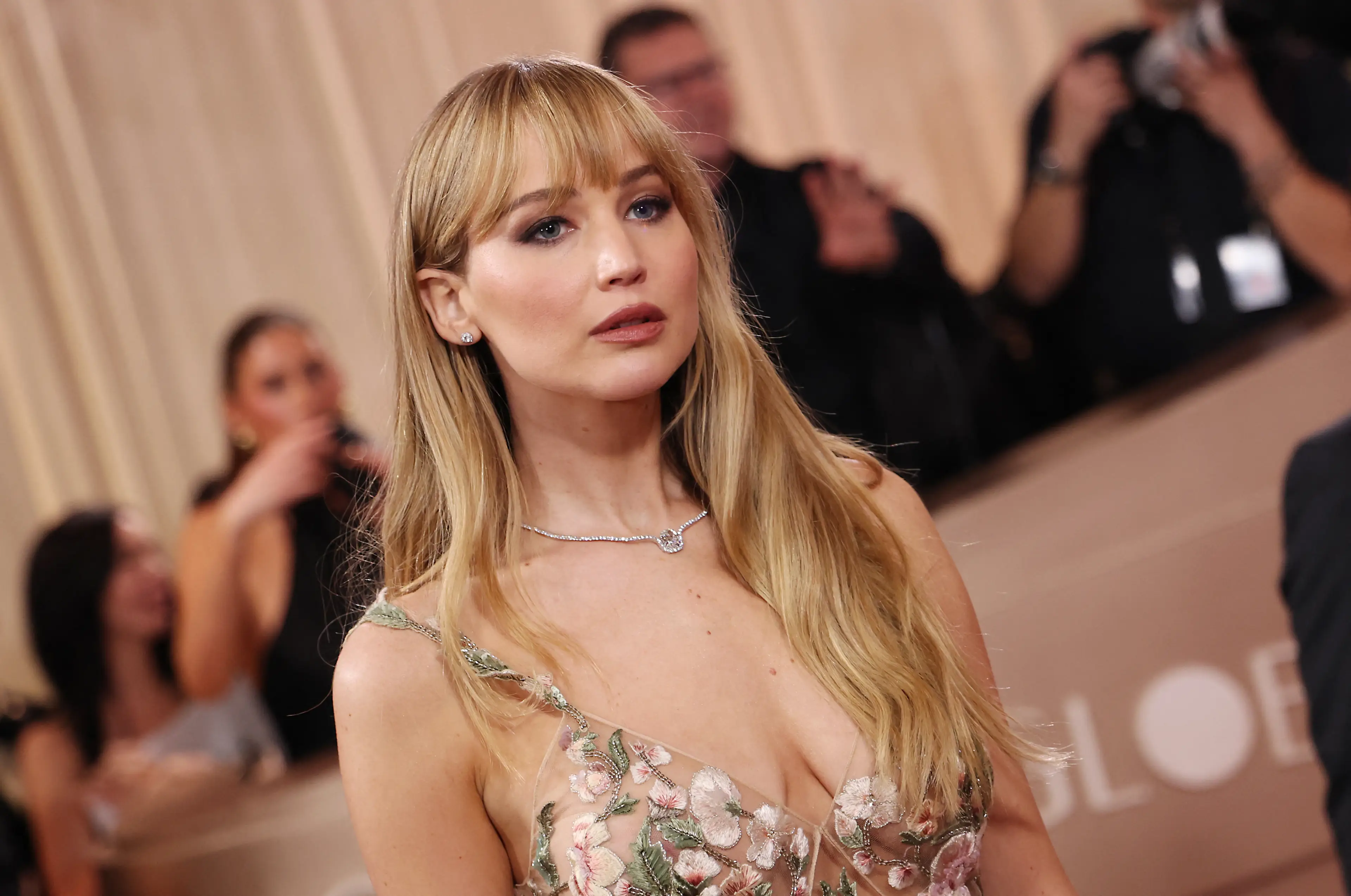
Jennifer Lawrence has this week confirmed she went ahead with breast surgery after previously discussing her plans following the birth of her second child, telling The Cut on 27 October: "I want to be a sexy mom."
In an earlier interview with The New Yorker, the Hunger Games star explained the difference between her two pregnancies: "Everything bounced back, pretty much, after the first one. Second one, nothing bounced back."
Lawrence has also joked about the prospect of a future facelift, saying: "No but, believe me, I’m gonna!"
That same day, Irish actor Barry Keoghan gave fans a glimpse into his skincare routine after celebrity facialist Nilam Holmes shared footage of him undergoing XERF, a non-invasive radiofrequency skin-tightening treatment.
"I feel better about myself, I look better," the Saltburn star said in a video. "I think it's important to look after yourself inside and outside."
It's particularly interesting given Keoghan has previously spoken about the impact of appearance-based trolling.
Celebrity PR expert Scott Keever, founder and CEO of Reputation Pros, believes this willingness to be candid is increasingly important in an age when audiences expect public figures to be authentic.
"Audiences no longer expect celebrities to be perfect, but they do expect them to be credible," he told Tyla. "When a public figure presents an impossible image and then aggressively denies something that later becomes apparent, the reputational issue stops being the procedure itself and becomes a question of honesty."
Keever adds that celebrities don't have to reveal every private medical or cosmetic decision to be authentic. Rather, they should avoid building their public image around claims that may be difficult to defend.
From the Kardashians to Martha Stewart, the admissions keep coming
The Kardashians and Jenners have long been at the centre of speculation about cosmetic enhancements, but they're increasingly forthcoming about specific procedures.

In 2025, Kylie Jenner responded to a TikTok user asking about her breast augmentation by sharing details of her implants, placement and surgeon, ending her response with: "hope this helps lol".
Her mum, Kris Jenner, has also been open about having a facelift.
Explaining her decision to Vogue Arabia, she said: "I decided to do this facelift because I want to be the best version of myself, and that makes me happy. Just because you get older, it doesn't mean you should give up on yourself."
She also acknowledged that ageing gracefully means different things to different people: "If you feel comfortable in your skin and you want to age gracefully - meaning you don't want to do anything - then don't do anything. But for me, this is aging gracefully. It's my version."
Martha Stewart, meanwhile, has openly discussed using filler, telling PEOPLE: "I go to Dr Dan Belkin in New York City. He is a very superb dermatologist. And I use a little bit of filler," she revealed that she visits for touch-ups "once every four months".
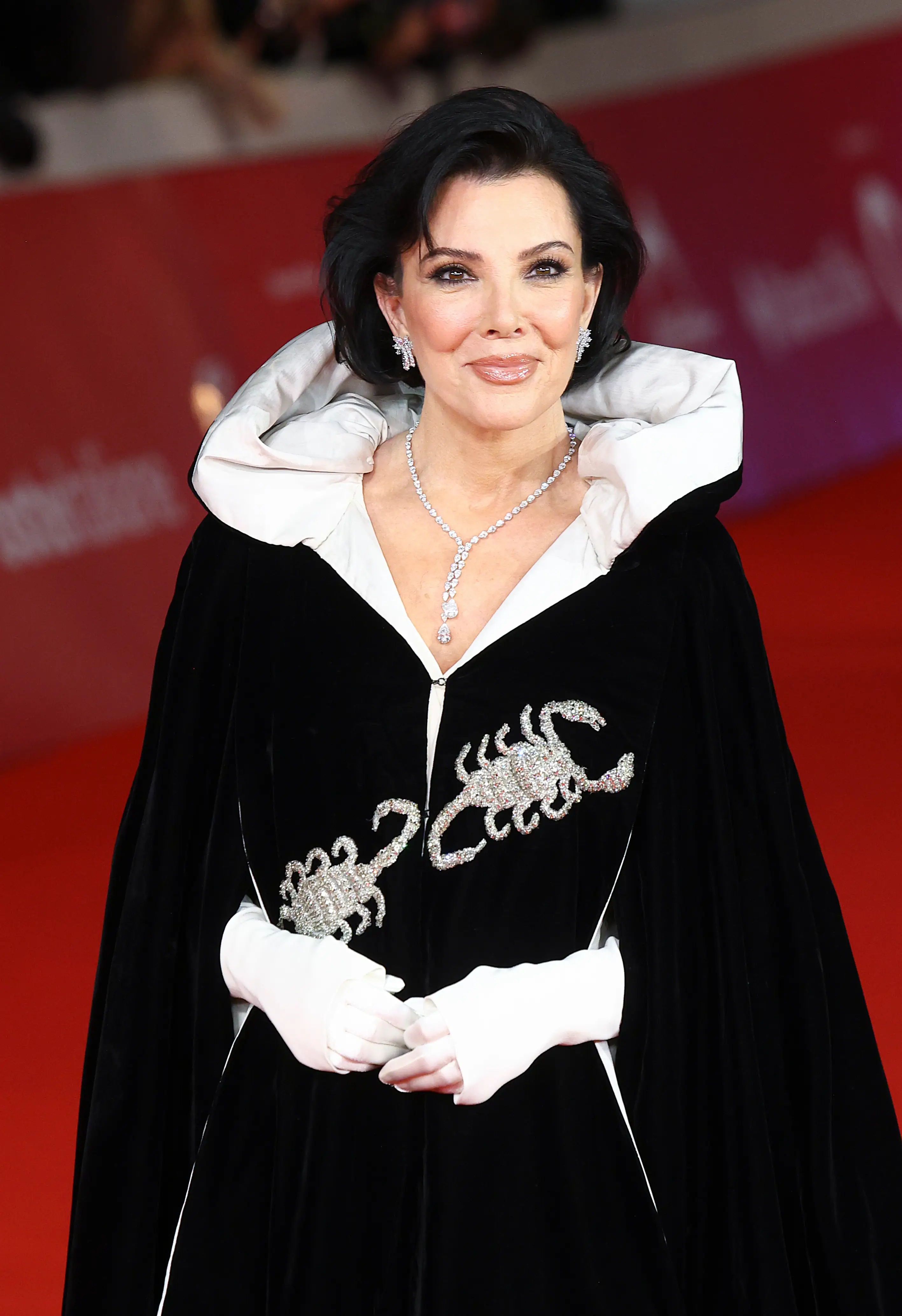
Denise Richards has also been candid about her recent facelift, telling Allure: "I wanted to put things back up, where they were before."
She explained: "Being in the public eye since my 20s, people know what I look like - a facelift is not something that I could hide."
Taken together, these admissions suggest the conversation is shifting away from whether celebrities have had work done and towards what they've chosen, why they've chosen it, and how they feel about the results.
And there's something genuinely liberating about seeing celebrities acknowledge that they might want to tweak something about their appearance without it becoming a shameful secret.
Because why should it be?
Dr Dirk Kremer, plastic surgeon and facial rejuvenation specialist at Harley St. Aesthetics Ltd, believes celebrity openness is helping challenge outdated assumptions about cosmetic surgery.
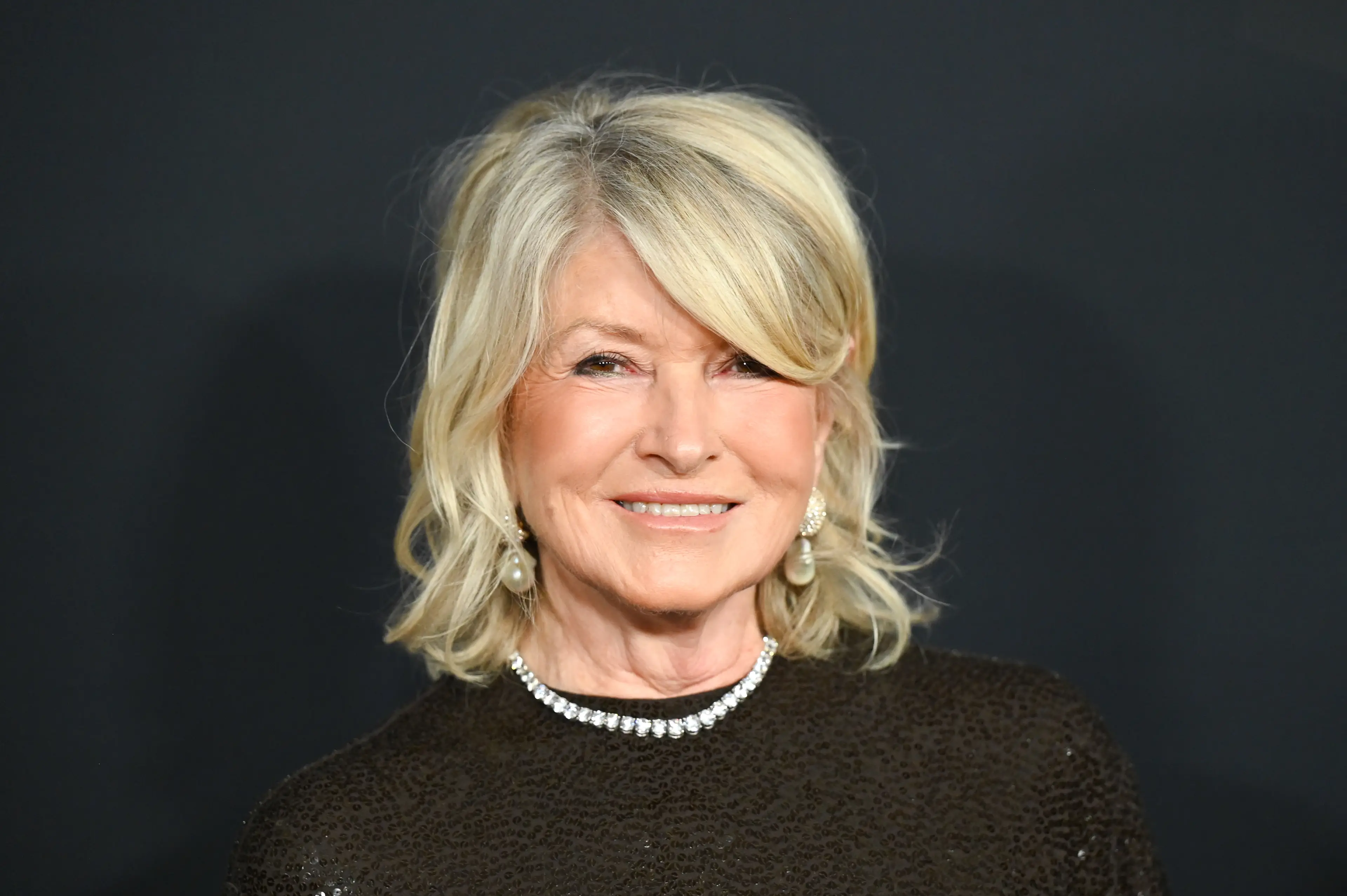
"I think it's refreshing because for decades we've admired celebrities who seem to defy ageing, often assuming they're simply blessed with extraordinary genes," he told us.
"When someone in their sixties looks absolutely stunning, we tend to think they're just naturally lucky. But when a celebrity openly admits to having had a facelift, it changes that perception."
"We suddenly realise that their appearance isn't necessarily just down to genetics, but that they've actively done something to maintain it. It also helps people understand what modern plastic surgery can actually achieve. Many still associate facelifts with that artificial, pulled appearance we've seen in the past. They don't realise that a beautifully performed facelift can look completely natural."
For Kremer, these admissions challenge the idea that cosmetic surgery inevitably produces an obvious or unnatural result. Having practised for more than 25 years, he has witnessed a substantial shift in attitudes.
"In the past, cosmetic surgery was almost a taboo subject. Patients wanted to look younger, but were often terrified that somebody might discover they'd had a facelift."

He says procedures have since become more mainstream and openly discussed, particularly among younger generations, although social media has also contributed to considerable pressure around appearance.
"I think the biggest change is that we can now talk about cosmetic surgery without the embarrassment or judgement that surrounded it twenty years ago."
I recently had filler for the first time - and I don't think I'd have done it a few years ago
It baffles me that physical tweakments and aesthetic alterations were even seen as something to hide, and it breaks my heart that female celebs were slammed for 'conning' fans when they credited a nip, tuck or fill for their beauty.
This subject used to be a particular sore spot for me as someone who grew up absolutely despising the lumpy shape and sheer size of my nose – something I'd unfortunately inherited from my dad's side of the family.
As a teenager, I was adamant that, as soon as I was old enough, I'd save up all my wages and pay for a full-fledged nose job, having been naive about the almighty cost of going under the knife.
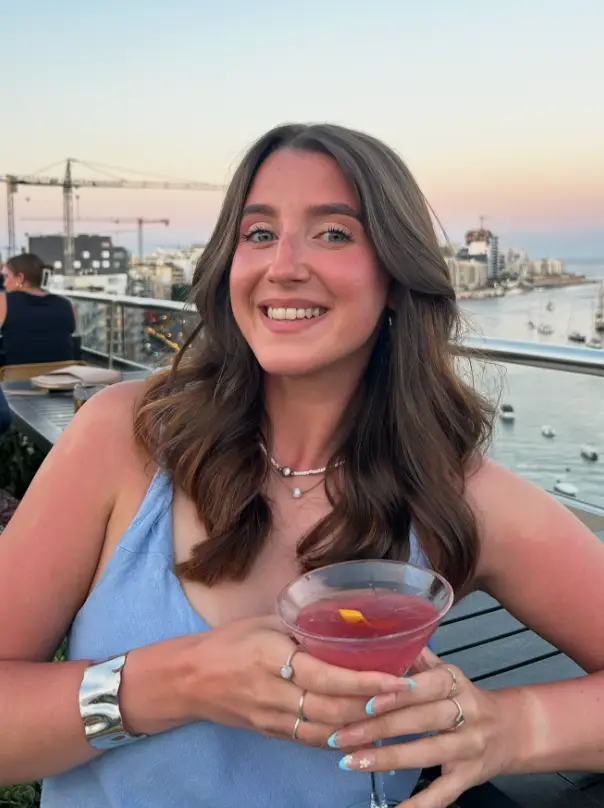
I was repeatedly scolded by friends and family members, who ceaselessly insisted my nose was 'fine the way it is' and reminded me 'it's the face you were born with'.
My own mother would regularly reference Jennifer Grey's infamous nose job regret in an attempt to dissuade me from ever booking an appointment. As a reminder, the Dirty Dancing actress previously claimed she became less recognisable to the public and the entertainment industry after undergoing two rhinoplasties, saying she had 'lost my identity and my career'.
I was made to feel I'd risk losing a part of myself to make a man-made amendment to my appearance, even dismissing my plan for several years.
I put it off until 28, when - after a horrific side-profile snap of myself as a guest at a friend's wedding was added to the official album - I made the decision to book myself in for filler, planning to start off small with a non-surgical nose job.
Also dubbed a 'liquid rhinoplasty', the procedure involved using injectable dermal fillers to temporarily reshape, smooth or contour my nose.
Already, I'm significantly less self-conscious about my appearance, and no longer reposition myself to sit face-on when chatting to someone at an angle.
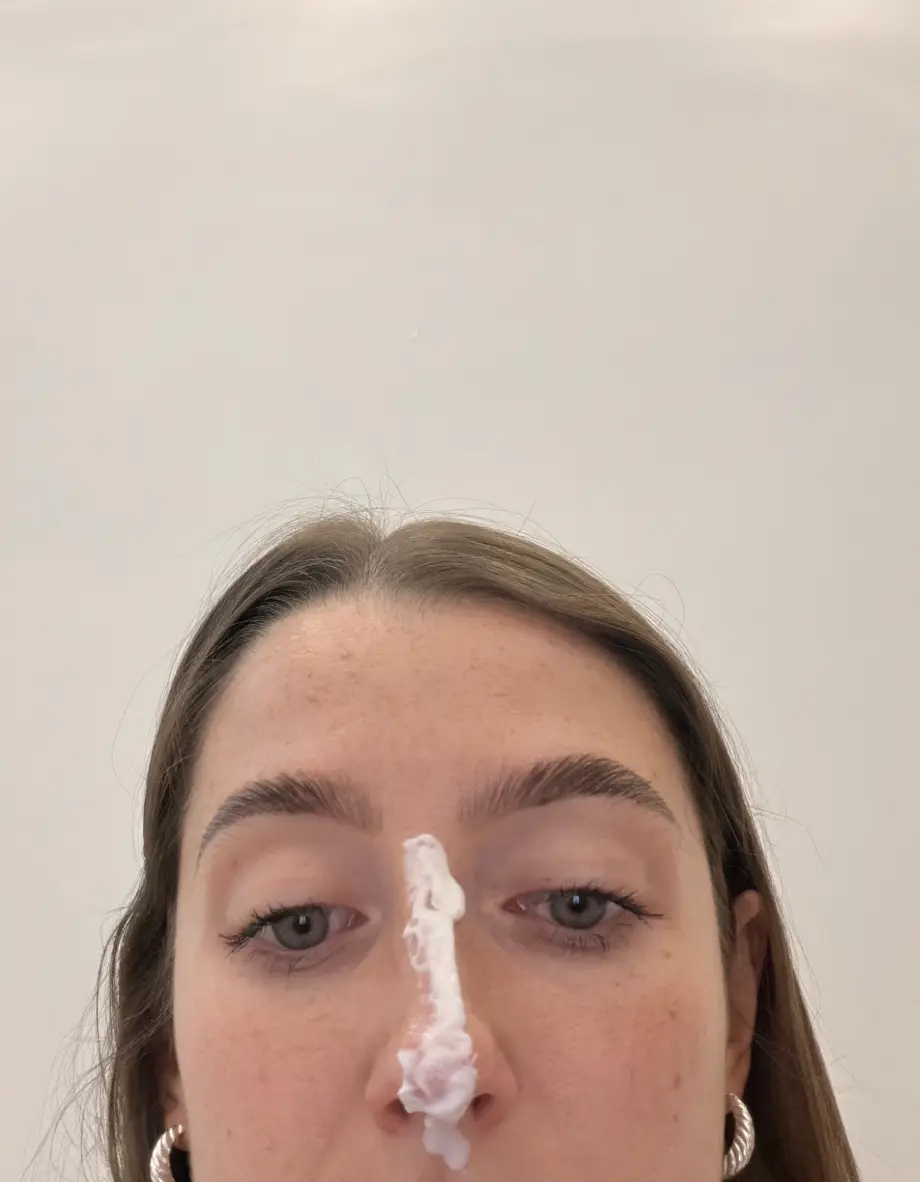
To be clear, I don't believe there's anything inherently wrong with having a feature that makes you feel self-conscious.
Nor do I think everyone should feel compelled to change something about themselves simply because they don't fit a particular beauty ideal.
But I also don't think wanting to make a change automatically means you're vain, insecure or giving in to society's expectations.
For me, one of the biggest differences is how normalised conversations about aesthetic treatments have become.
Seeing people speak openly about their experiences has helped make the subject feel less intimidating. Rather than treating cosmetic work as something to whisper about, we're increasingly able to discuss it as a personal decision – one that people can make, or not make, for themselves.
Honestly, I don't think I would have gone ahead with my treatment without that shift in attitude.
Growing up, the idea of changing a feature you'd had since childhood could feel like admitting defeat. There was an implication that you should simply learn to love yourself exactly as you are, and that wanting anything different somehow undermined your self-confidence.
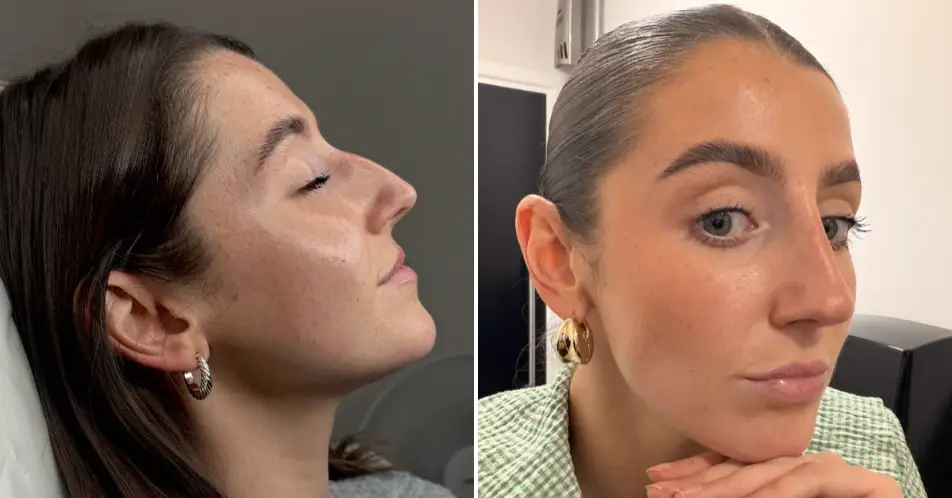
But I loved myself before my touch-up, and I respect myself just as much afterwards - I just have a bit more of a spring in my step.
Psychologist Dr Scott McKirdy of Solasta Counselling believes the growing emphasis on honesty could also help people feel less inadequate when comparing themselves with celebrities.
"Most of us value authenticity above all else," he told us. "We're really drawn to people who are honest. We find it so appealing. The old way left people feeling lied to. Celebs would credit their looks to good genes and drinking lots of water.
"People would try to measure up and then wonder what was wrong with them. Honesty treats people like adults. It says, 'This is what I did,' and lets people make up their own minds."
He believes transparency can ease the pressure of comparing ourselves with celebrities whose treatments have never been disclosed.
"It can actually take a lot of pressure off," Dr McKirdy continued. "Comparing ourselves to someone is hard enough. Comparing ourselves to someone when we don't know they've had work done is a losing game. Once we know, we can stop blaming ourselves for not looking that way naturally. That's a real relief for a lot of people."
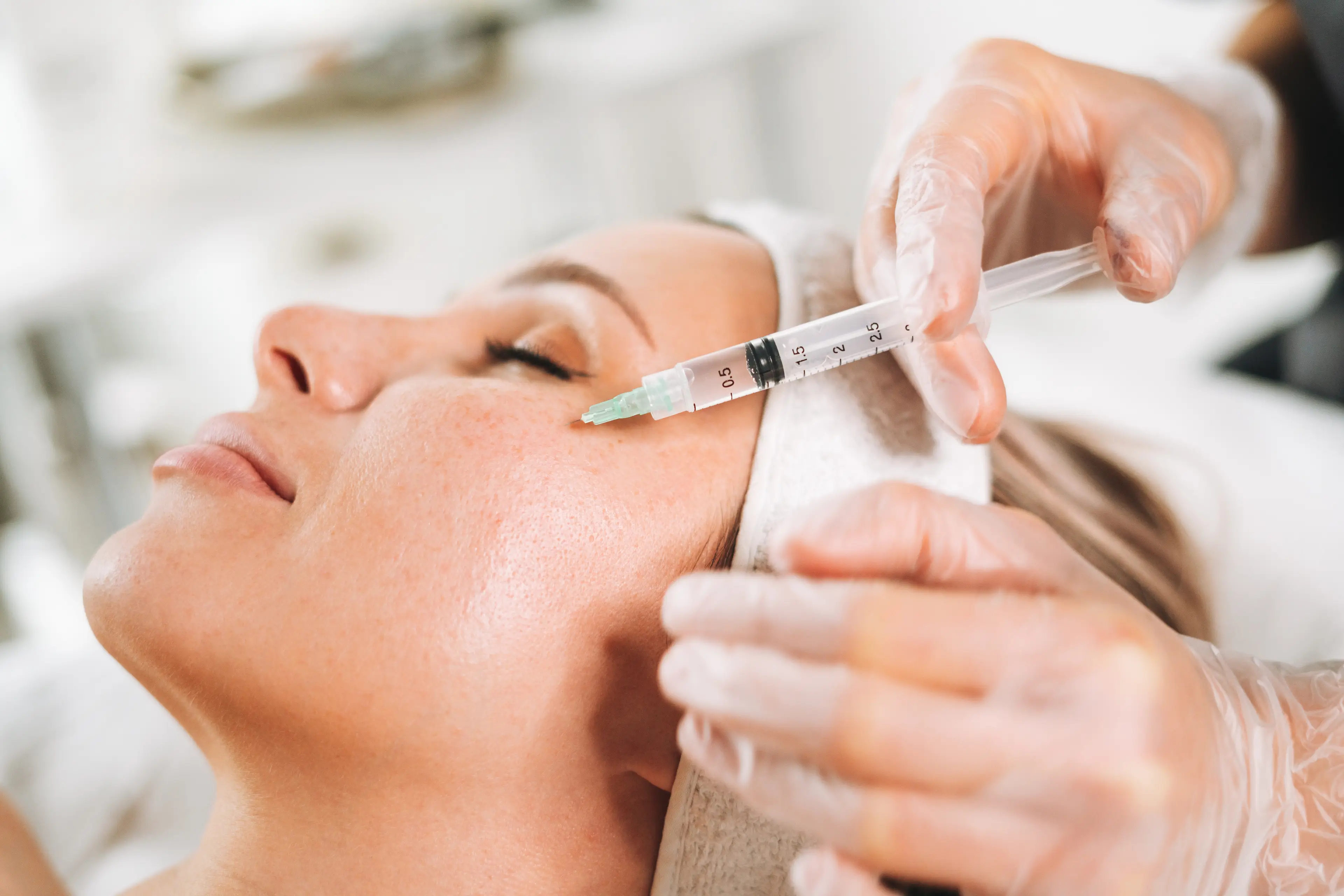
It's a point that particularly resonates with me. It's difficult to separate our own insecurities from the beauty standards we're constantly exposed to, especially when we're measuring ourselves against an image that might not tell the whole story. Knowing that someone has chosen to have a procedure doesn't mean we have to follow suit, but it can help us stop treating their appearance as a standard we're somehow failing to meet.
I don't think self-acceptance and wanting to change something are necessarily mutually exclusive.
I can appreciate my appearance and still decide there's something I'd like to adjust. I can recognise that beauty standards are often unrealistic while acknowledging that my own preferences matter to me, too.
And I can have filler without pretending it's something everyone should do.
That's the freedom I think this more open conversation offers - the ability to make a personal choice without feeling that you have to justify it to the world.
Have we finally moved beyond the shame?
Of course, greater transparency doesn't mean we should start treating cosmetic procedures as trivial.
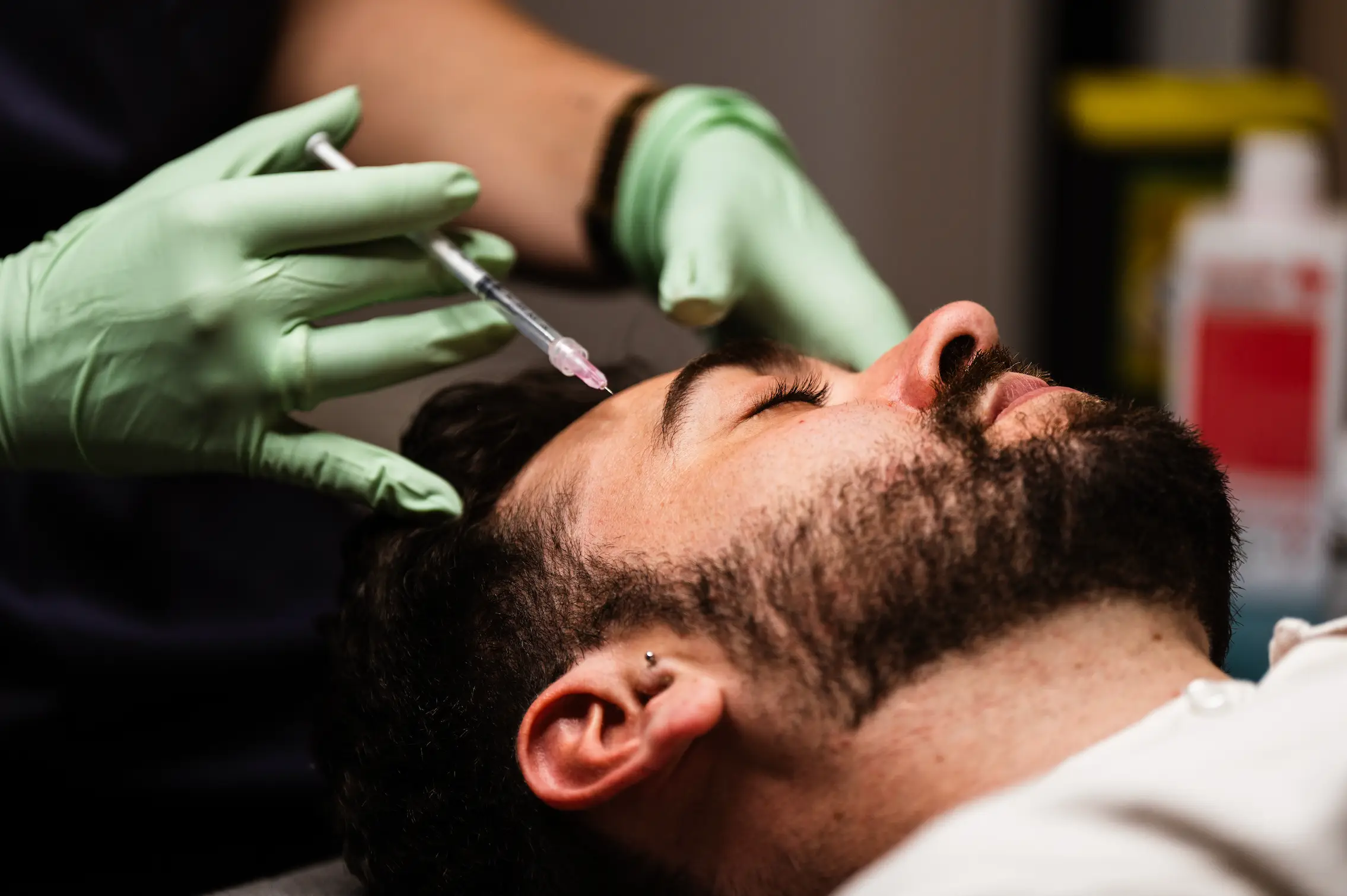
Surgery carries risks, non-surgical treatments can have complications, and celebrity admissions shouldn't be mistaken for medical advice. Nobody should feel pressured into changing their appearance because their favourite star has done so, either.
There's a difference between normalising a choice and normalising the idea that everyone needs to make it.
That's why I think the most useful celebrity admissions are the ones that acknowledge the decision without presenting it as a universal solution.
Richards' comments about her facelift reflect her personal reasons for wanting surgery, while Jenner has explained why her facelift felt right for her, and Lawrence has spoken about how pregnancy changed her body.
None of those experiences has to become a blueprint for anyone else.
What matters is that these conversations make room for honesty, rather than forcing stars to maintain the illusion that their appearance is entirely natural.
For so long, speculation about plastic surgery has been part of A-list culture, but the people at the centre of it have often been expected to deny, deflect or stay silent.
That contradiction has hardly helped the public develop a realistic understanding of beauty.
I'd much rather hear someone speak candidly about a procedure than be left wondering whether a dramatic transformation came from a new skincare routine.
And, on a personal level, I'm grateful that the conversation has evolved enough for me to feel comfortable admitting that I've had something done, too.
My nose is still my nose, and I'm still me (yes, mum, I'm talking to you). I've simply made a decision about my appearance that feels right for me at this point in my life.
And maybe that's the real progress - not that we're all suddenly expected to embrace cosmetic treatments, but that we're getting closer to a world in which neither having them nor choosing to avoid them has to be a source of shame.
Because ultimately, the decision to change your appearance should be yours, and so should the decision not to.
Topics: Celebrity, Beauty, Jennifer Lawrence, Real Life, US News
 Rhianna Benson