The BBC ghost hunt that ended in terror - inside the Halloween TV show that made viewers believe their homes were haunted

It was supposed to be a night of harmless Halloween fun.
Children had been out trick-or-treating across the UK, and parents were settling down in front of the television to watch what the BBC had promised would be a groundbreaking investigation into the supernatural.
But before the evening was over, 11 million viewers would be screaming at their TV screens, desperately scanning the shadows of their own living rooms and wondering whether something sinister had just entered their homes.
There were no actors playing fictional investigators, no obvious horror-film theatrics and no elaborate supernatural special effects to warn viewers what producers had in-store. Instead, Ghostwatch was presented as an ambitious, first-of-its-kind live paranormal investigation into a supposedly haunted family home in Northolt, north-west London.
Advert
And with some of Britain's most recognisable TV stars leading the coverage, there was no reason for viewers to suspect they were being taken for a ride.
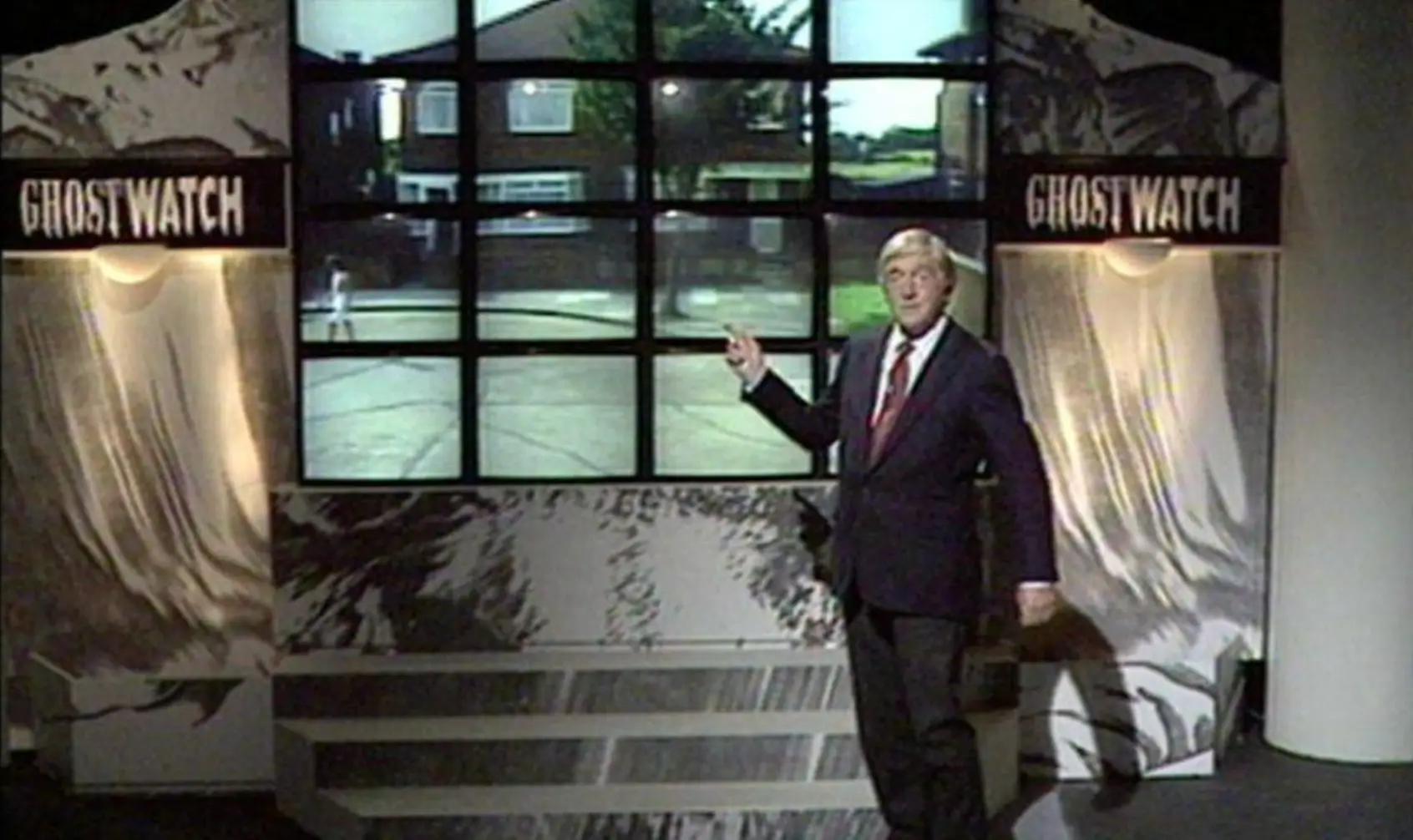
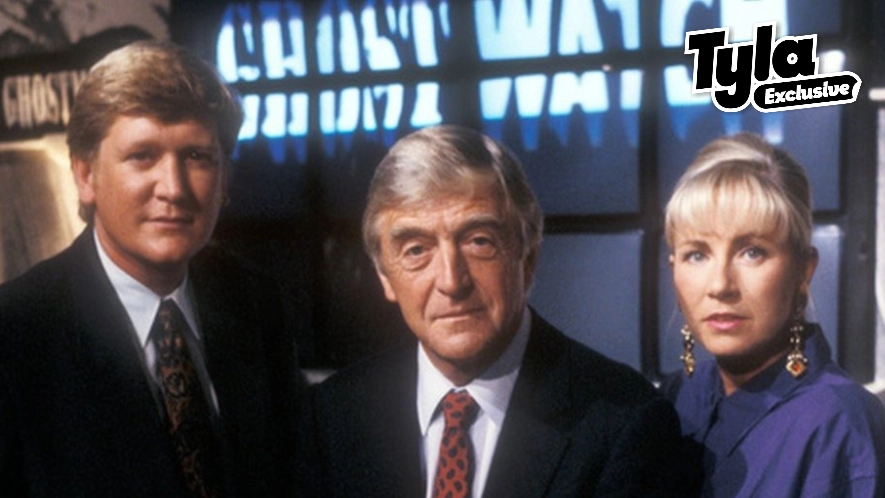
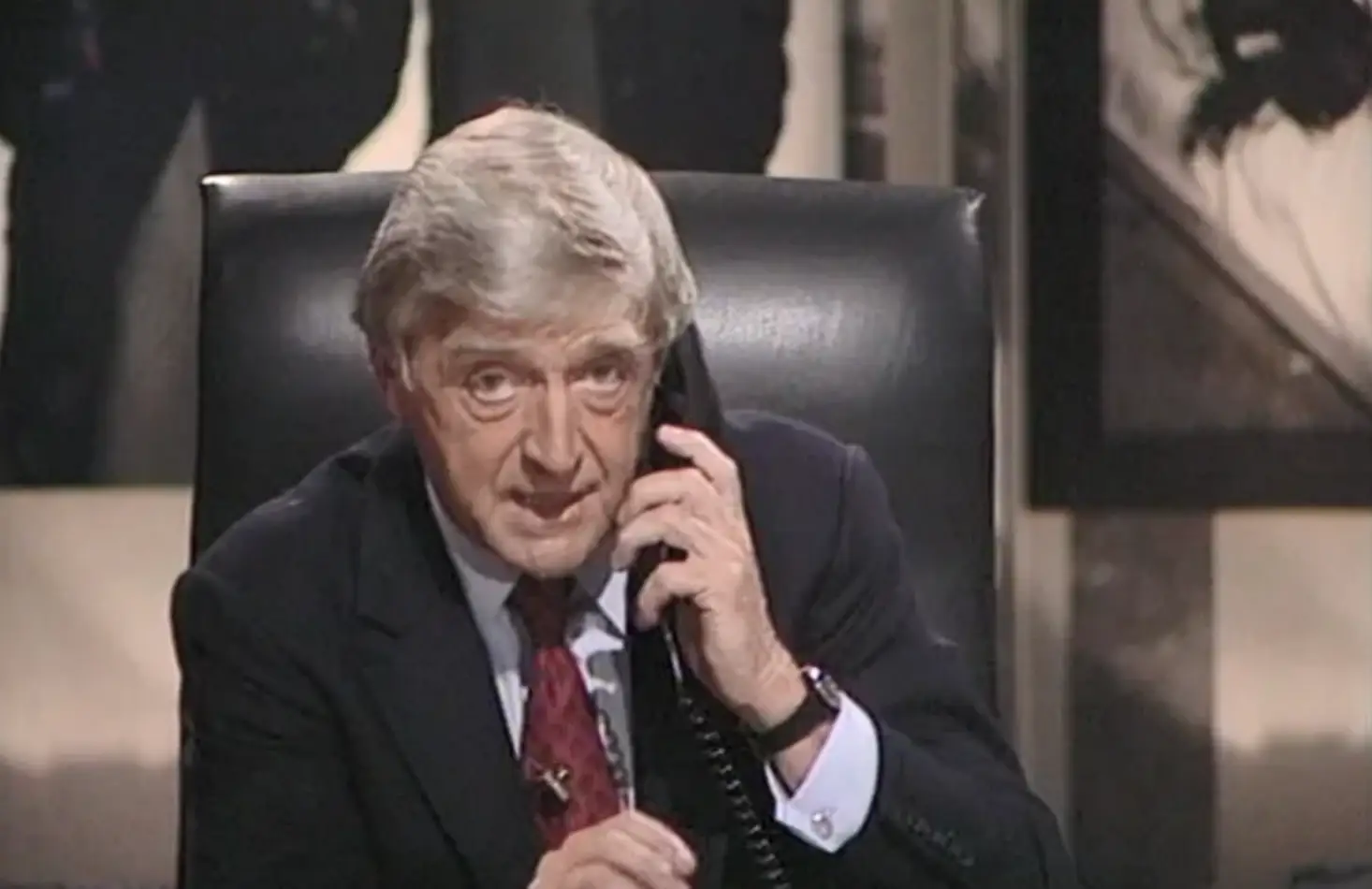
Fronted by the reassuringly familiar face of Michael Parkinson, the broadcast promised to investigate reports of paranormal activity surrounding a single mother, Pam Early, and her two daughters, who were being tormented by a malevolent being who lived under their stairs.
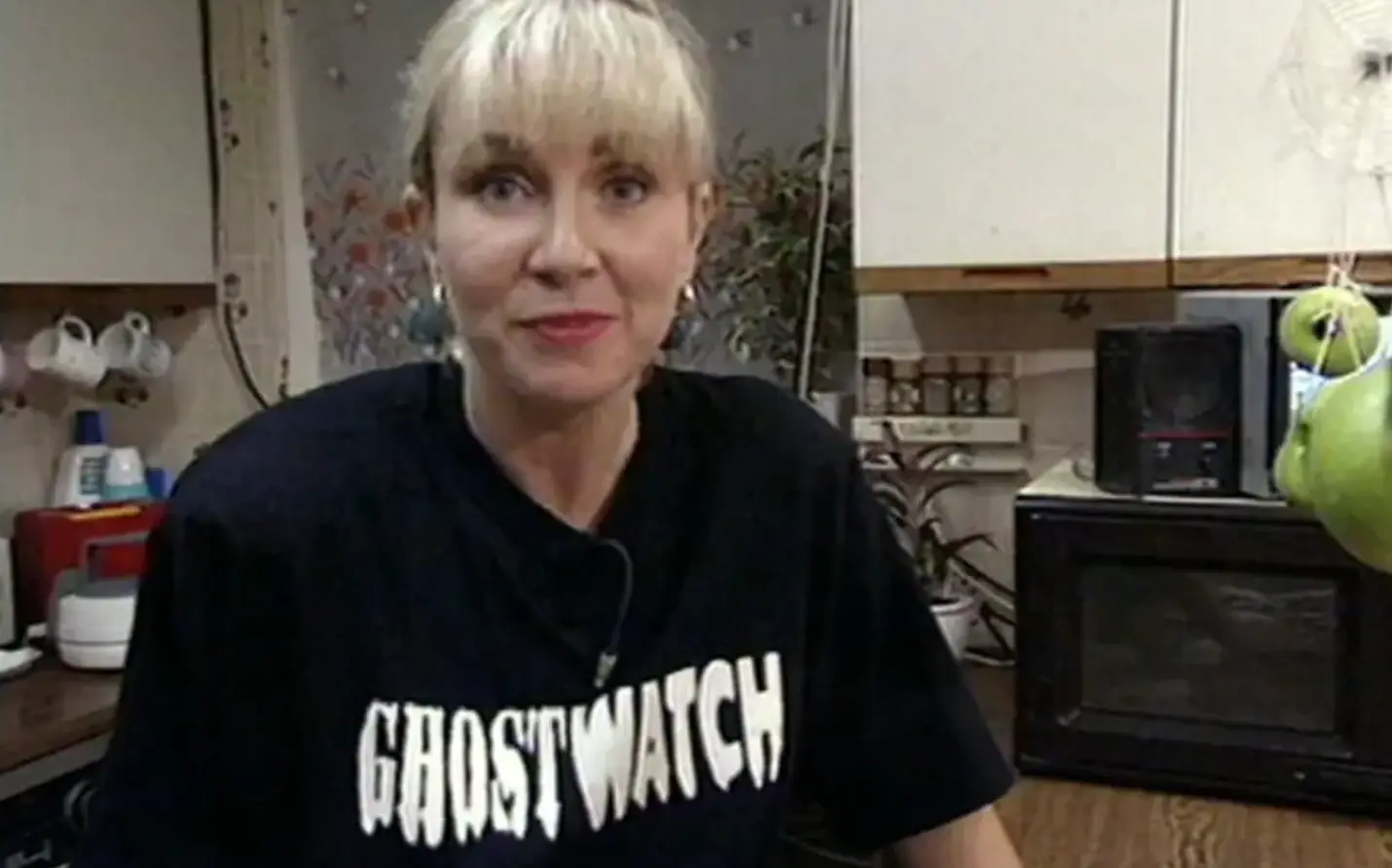
Children's television presenter Sarah Greene was dispatched to the family home, while her real life husband, sports radio star Mike Smith handled the phone-in and TV personality Craig Charles reported from outside.
It was, apparently, an ordinary television investigation into an extraordinary set of circumstances.
Except, nothing about what happened next was ordinary
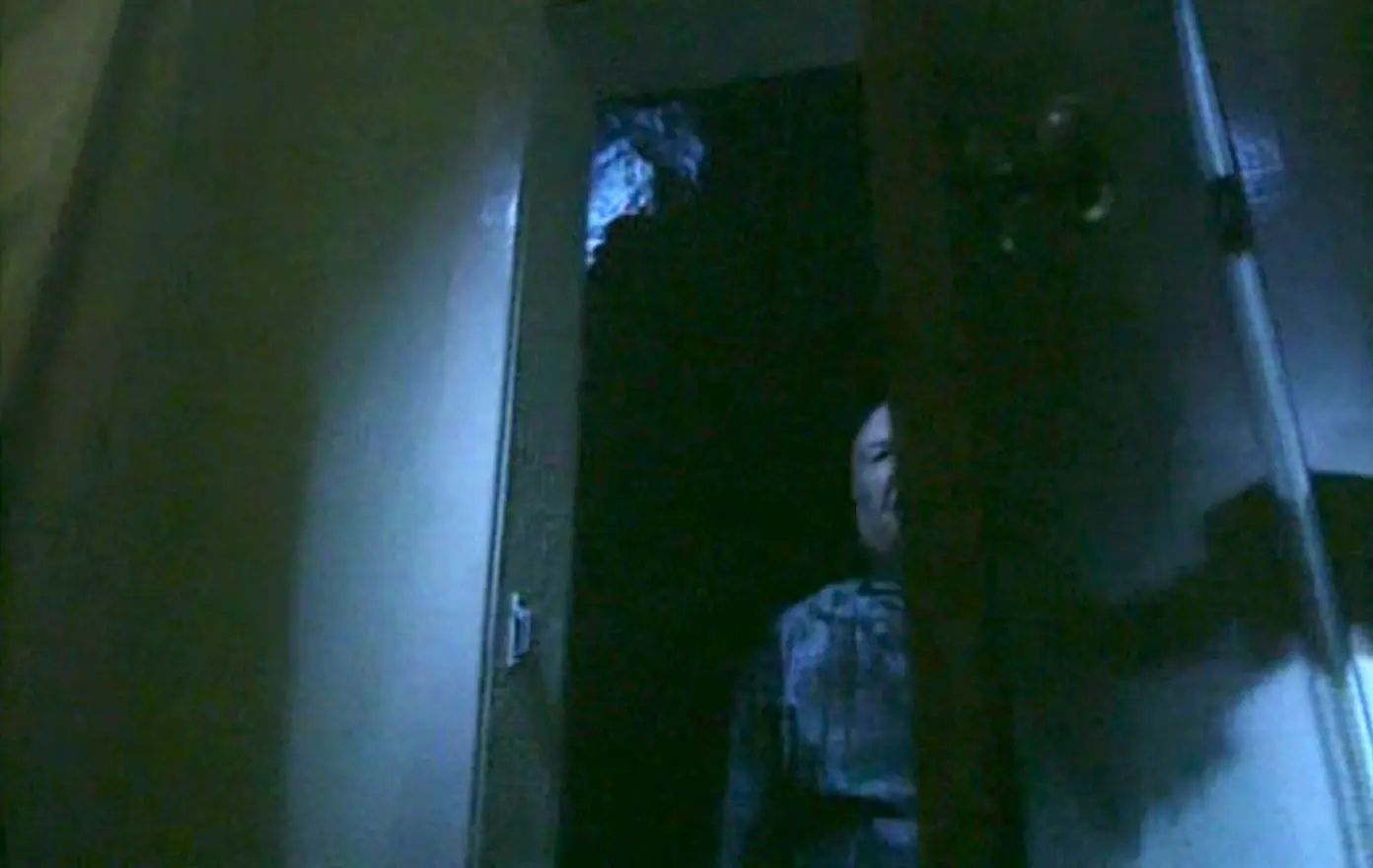
As the cameras began capturing increasingly disturbing incidents, viewers were left wondering whether they were witnessing something genuinely supernatural. A shadowy figure appeared in the background. Strange noises echoed through the house. And then there was 'Pipes', the eerily-named, terrifying presence supposedly haunting the family, whose appearances became increasingly difficult to dismiss.
More than three decades later, the BBC's infamous Halloween experiment is being revisited in a new documentary, Ghostwatch: The Night That Terrified Britain, which promises to uncover how the programme came together, what happened when it aired and why its legacy still sends shivers down the spines of those who watched it.
And while viewers now know the truth about what happened that night, revisiting it is unlikely to make the experience any less unsettling.
The TV experiment that went too far
To understand why Ghostwatch caused such a sensation, it is important to remember just how unusual its format was at the time.
Written by producer Stephen Volk, the programme was actually a scripted drama, filmed months before its Halloween transmission.
But rather than advertising itself as a conventional horror story, it borrowed the familiar language of factual television, making viewers feel as though they were watching an unfolding investigation in real time.
The decision to enlist genuine television presenters was crucial. Parkinson, Greene, Smith and Charles weren't actors pretending to be household names - they were the real deal, appearing as themselves, and many TV experts credit their involvement for giving the broadcast an authority that would have been almost impossible to recreate with a fictional cast.
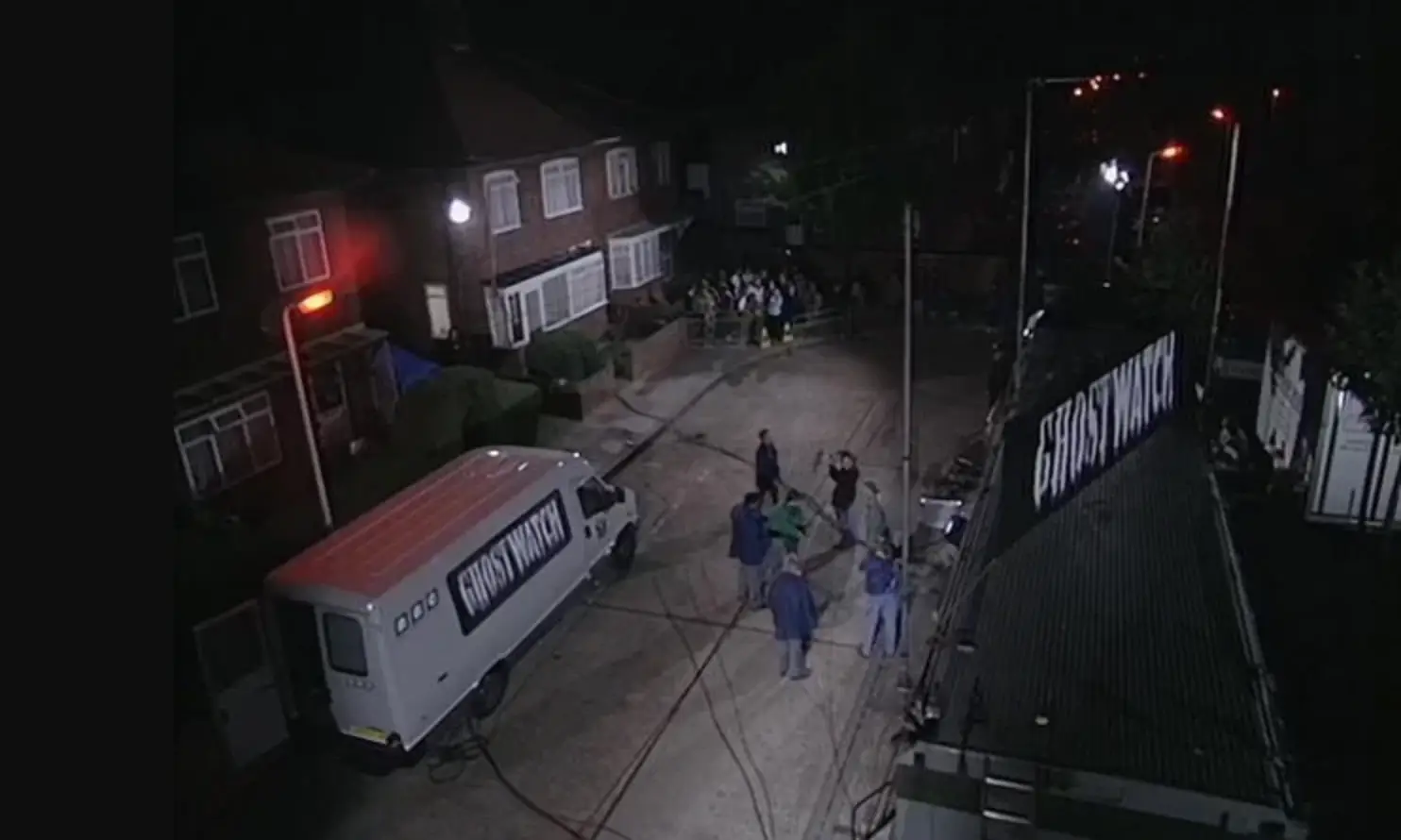
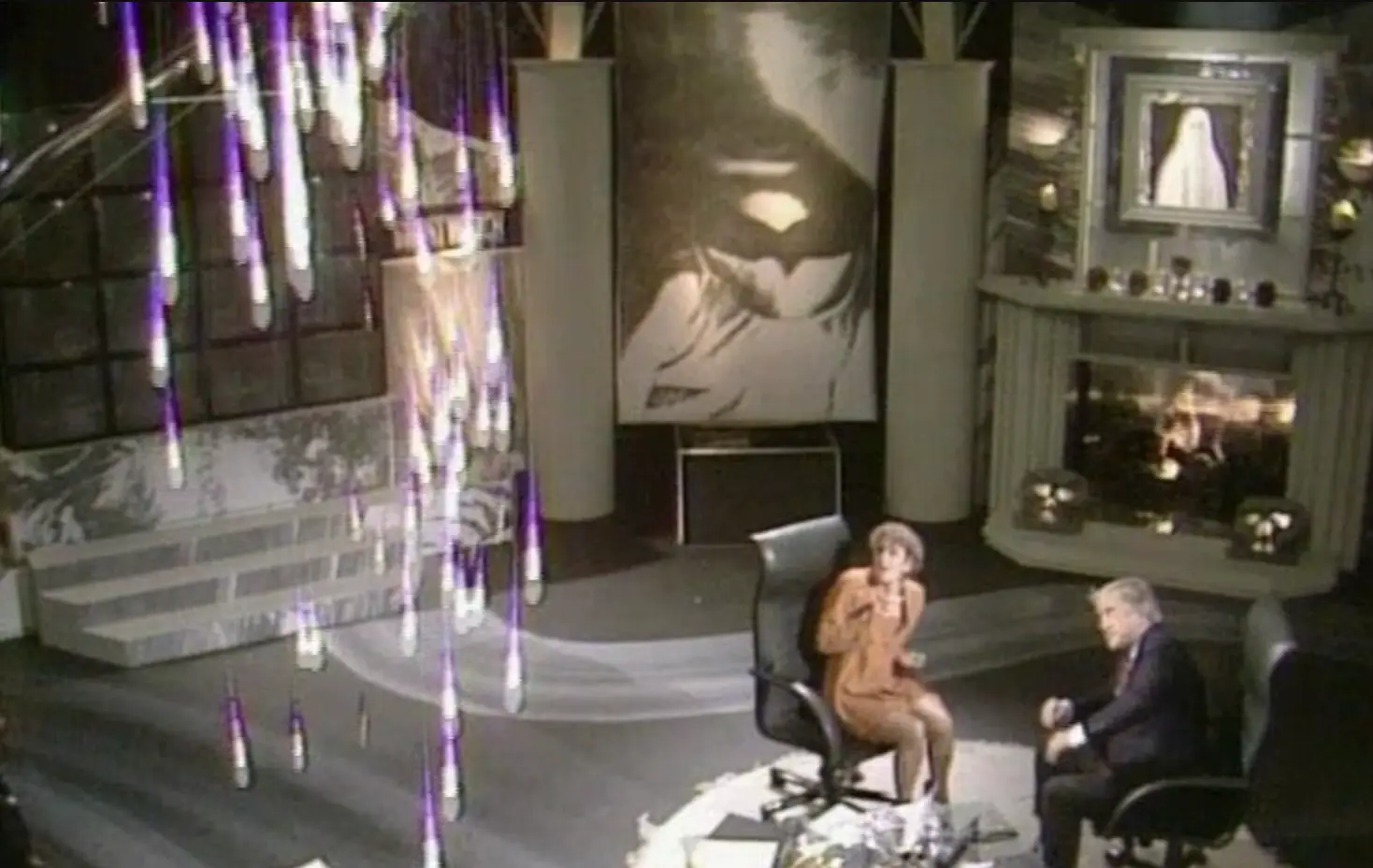
The programme also encouraged audience participation, with an apparent live phone-in allowing viewers to call the studio and report anything suspicious they had spotted. The presenters discussed developments as they unfolded, while cameras moved between the family home, the studio and the surrounding area, interviewing 'real locals' who watched on from the neighbouring streets.
There were clues that Ghostwatch was a drama, including its place in the BBC's Screen One strand and credits identifying its creative team - but the presentation was so convincing that plenty of viewers either missed them or simply couldn't reconcile that what they were seeing was all made up.
As Volk later explained, he had initially imagined that audiences might believe the programme for ten or fifteen minutes before realising it was fiction. What he hadn't anticipated was that some would remain convinced throughout.
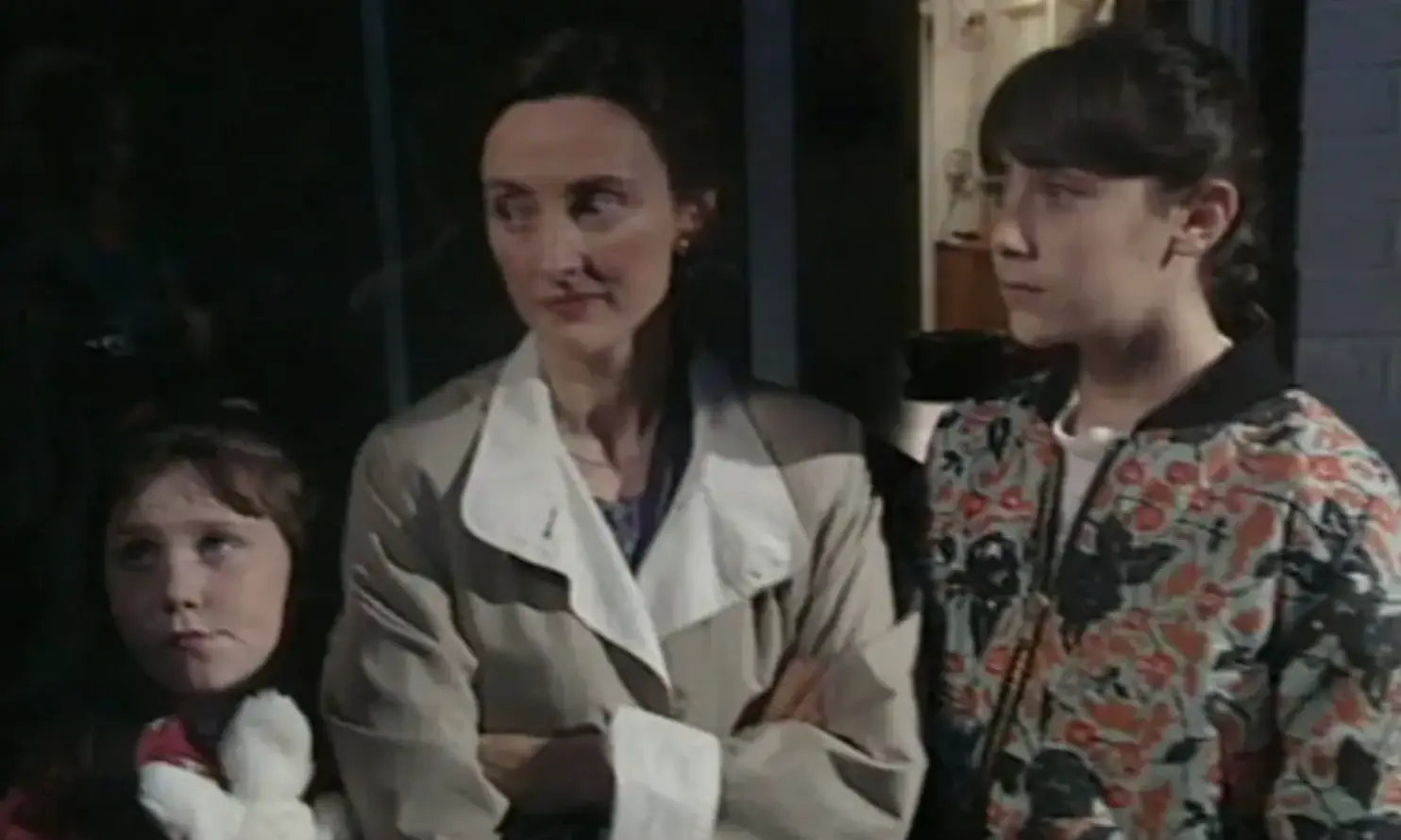
Speaking exclusively to Tyla about the experience, he admitted: "The moment I realised we might have gone too far was on the night of transmission when the producer, Ruth Baumgarten, came from Television Centre to where we were having drinks, and looked rather white and said the BBC switchboard was jammed with complaints."
He added, quoting horror writer Ramsey Campbell: "Sometimes horror is the business of going too far."
But what, exactly, had those 11 million viewers witnessed that night?
As the cameras continued rolling, the first signs of something sinister began creeping into the broadcast.
At first, they were easy to miss - a fleeting glimpse of a dark figure in the background, an unexplained noise, something moving in the corner of a room.
Viewers were left squinting at their screens, wondering whether they had really seen what they thought they had.
The supposed ghost had even acquired a name, 'Pipes'.
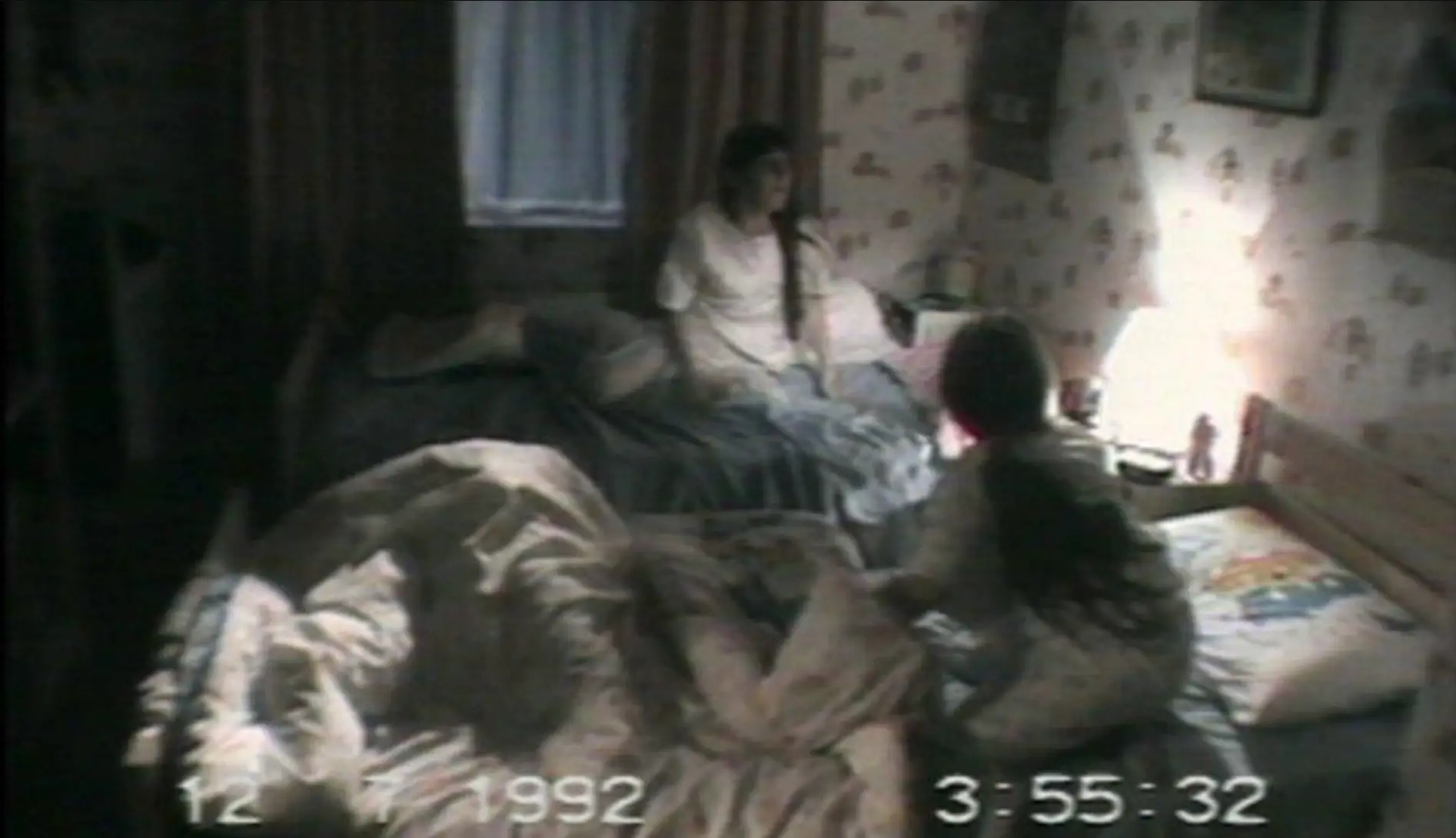
According to the Early family, the mysterious presence had initially been blamed for strange banging noises coming from the plumbing, but it soon became clear that whatever was lurking beneath their stairs was considerably more sinister than a faulty water pipe.
And Pipes wasn't content to stay hidden.
Pipes, the ghost who became a national nightmare
Throughout the broadcast, the cameras appeared to capture the figure lurking in doorways, moving through rooms and briefly appearing behind the presenters. Each sighting was fleeting, almost deliberately so, leaving viewers desperate to catch another glimpse.
Then came the phone calls with viewers having been invited to report anything unusual they had spotted, the studio was inundated with increasingly frantic observations.
Some callers claimed to have seen Pipes on their screens, while others reported strange details that appeared to corroborate the family's increasingly disturbing accounts.
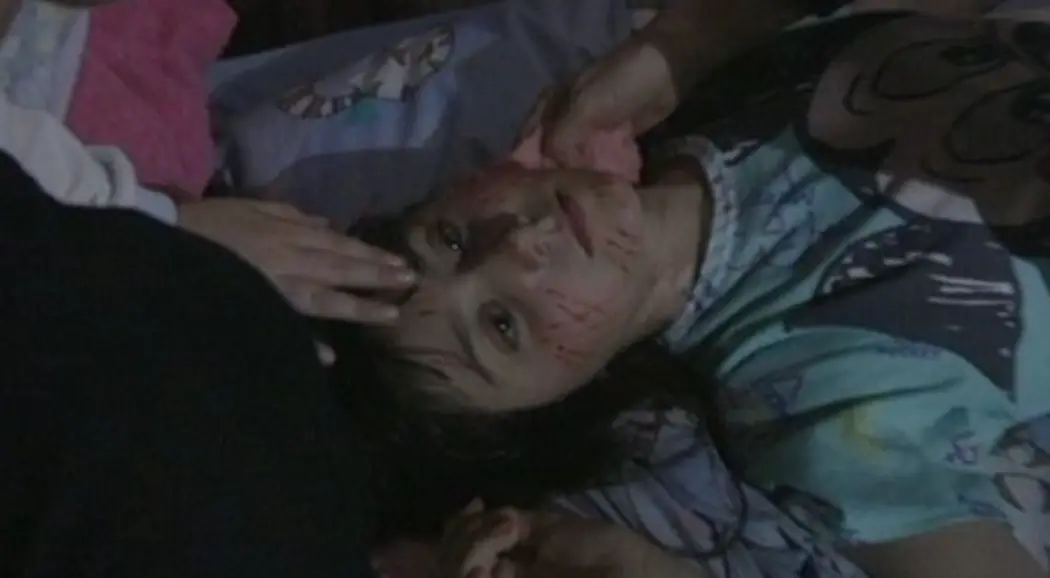
The effect was ingenious. Rather than simply watching a ghost story unfold, audiences were made to feel as though they were helping to investigate one.
But the situation was about to become much worse.
As the disturbances intensified, one of Pam's daughters appeared to become possessed, with the presence seemingly taking control of her.
Meanwhile, Sarah Greene's reports from inside the house became increasingly alarming, until the presenter suddenly disappeared after being dragged towards the darkened cupboard beneath the stairs.
Back in the studio, Parkinson was struggling to maintain control of the broadcast. The supposedly contained haunting appeared to have spread beyond the Northolt property, with strange occurrences beginning to plague the production itself.
And then came the final, spectacular collapse
The studio descended into chaos, the presenters appeared to be under attack and Parkinson himself seemed to fall under Pipes' influence.
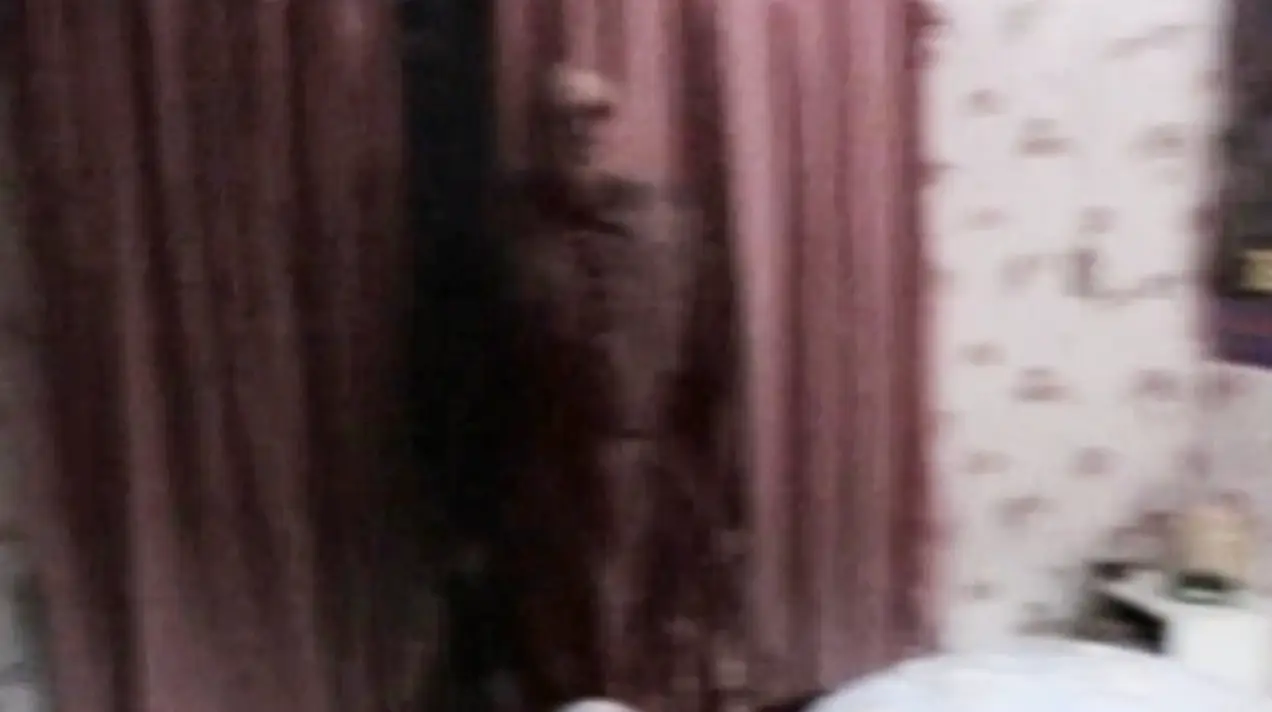
In the programme's horrifying closing moments, the usually composed presenter became increasingly incoherent, before the broadcast ended with the apparent supernatural force having taken over completely.
For viewers who had spent the evening believing they were watching a genuine investigation, it was a deeply unsettling way to end Halloween night.
But the real horror was waiting just beyond the credits.
The aftermath - complaints, terrified children and a national scandal
As the broadcast abruptly ended, viewers were left trying to establish what they had just witnessed.
Some reportedly contacted the BBC in panic, while others were furious at what they regarded as an elaborate deception. Either way, the switchboard was overwhelmed with complaints.
Parents were concerned about children being given lifelong trauma, and the tabloid press soon seized on the controversy, questioning how the BBC could have allowed such a frightening production to be presented in a way that blurred the boundaries between fact and fiction.
Volk remembers the initial reaction as overwhelmingly angry.
"Initially we heard mostly from people who were scared or outraged," he told us. "It was mostly people who were angry at the BBC, who thought they'd been taken for mugs because they'd fallen for some kind of prank."
He stressed that the production had never been intended as a prank, explaining that it was a drama made with a Drama Department budget. But the distinction offered little comfort to those who felt they had been misled.
The fallout was serious enough to attract the attention of broadcasting regulators.
A tragic case
In 1995, the Broadcasting Standards Council criticised the BBC for failing to provide sufficiently clear warnings about the programme's fictional nature, finding that it had deliberately cultivated a sense of menace.
Perhaps most disturbing was the case of 18-year-old Martin Denham, who died by suicide days after watching Ghostwatch in November 1992.
His parents publicly blamed the programme, telling an inquest that their son had been frightened by what he believed he had seen. The case became part of the wider controversy surrounding the broadcast, although it is important to distinguish his family's allegations from an established finding that the programme caused his death.
It was a deeply unsettling episode in the programme's history, and one that underlined the potential consequences of making fiction feel frighteningly real.
For the BBC, the controversy was a reputational headache.
Ghostwatch was not given another full UK television broadcast, helping to cement its status as one of the most notorious and talked-about programmes in British television history.
Why are we still fascinated by Ghostwatch?
Over 30 years on, and the 90 minute show has developed quite the cult following, with its influence extending into found-footage horror and the wider world of reality television.
Its central trick - presenting a fictional story through the conventions of a factual broadcast - has since become familiar, but that doesn't make the original any less unnerving.
Volk believes the programme's believability came down to the way it bypassed viewers' usual suspicions.
"It was a conventional ghost story wrapped in the trappings of what we now call reality TV," he explained. "Your brain tells you it's fiction, but your eyes tell you it's really happening."
He also believes the timing was crucial. Ghostwatch arrived in 1992, long before reality television became a fixture of everyday viewing and before social media made it almost impossible to sustain a convincing mass hoax.
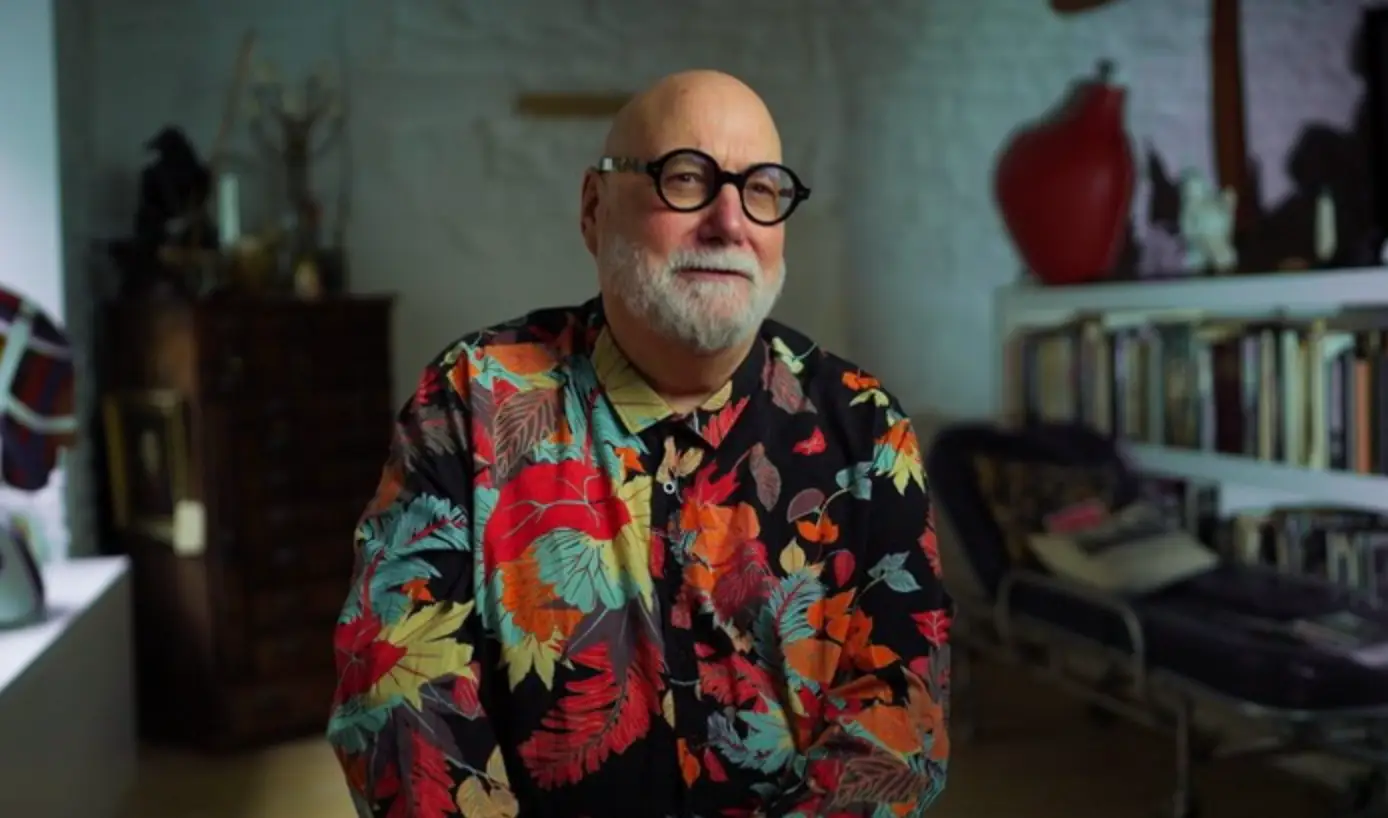
"To be truthful, I am quite happy it is 'of its time' visually and technically and in every other way," he continued.. "It is of 1992, before the voyeurism of Big Brother took hold in 2000, and before our current Fake News era."
A new documentary revisits Britain's most terrifying night on television
Now, Ghostwatch: The Night That Terrified Britain is taking Channel 5 viewers back to the broadcast that left a nation questioning its own eyes.
The new programme revisits the making of the original drama and the extraordinary reaction that followed, bringing together those involved in its creation, including Volk and presenter Charles, alongside people who remember watching it first time around.
Among the most intriguing contributions are accounts from people who experienced the programme as children and have now watched it again as adults. For some, revisiting the footage has brought back memories of the original fear, while others have been struck by just how effectively the production still works.
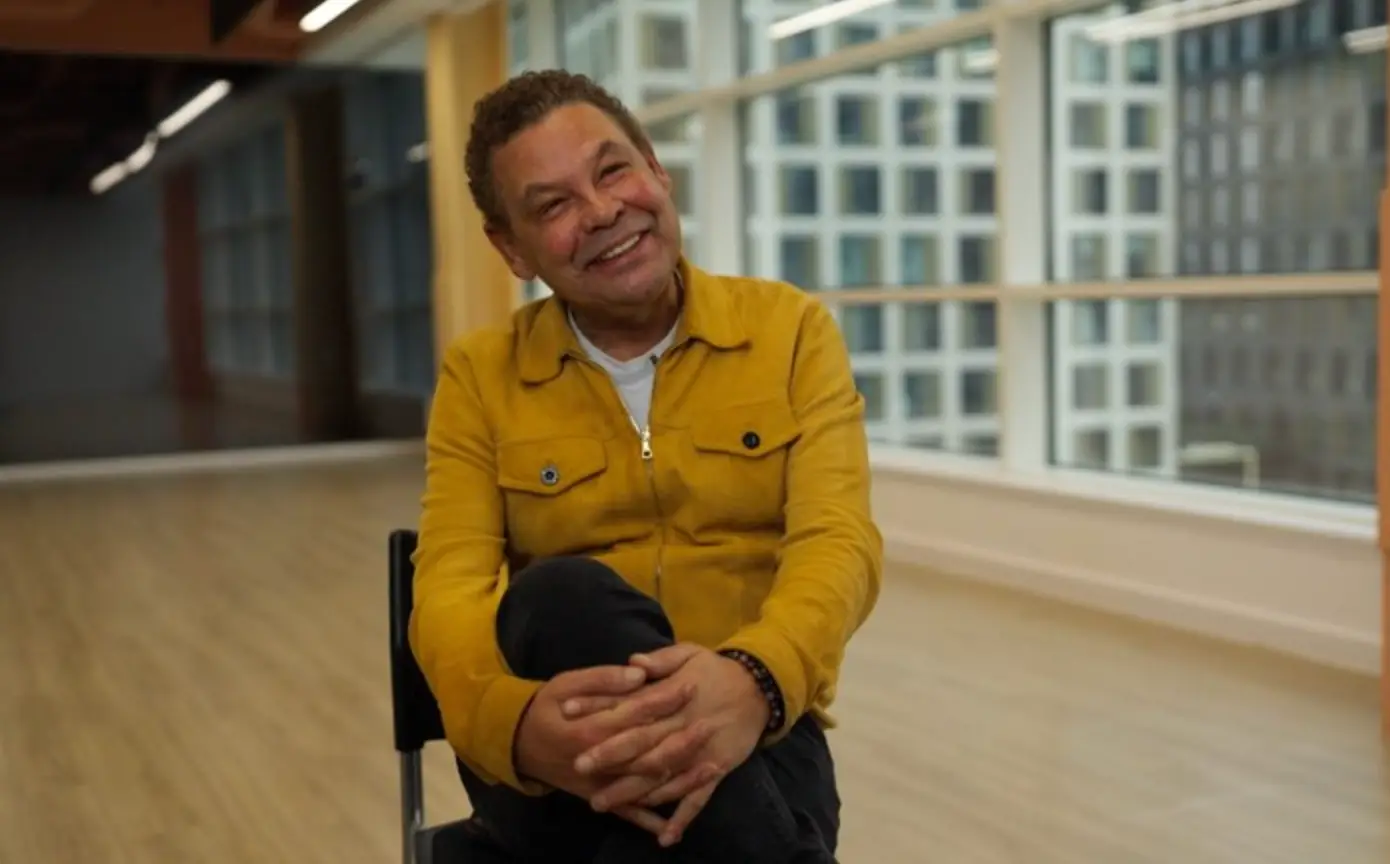
The documentary also offers an opportunity to hear from those who were on the other side of the cameras, exploring how an apparently straightforward television experiment became such a controversial moment in broadcasting history.
For Volk, the most rewarding part of the legacy has been discovering what happened to the children who were frightened by his ghost story.
He told us: "Every time I see it now with an audience someone comes up afterwards and tells me it terrified them as a child but it made them go on to be interested in the horror genre, and sometimes it was the catalyst for them making their own horror films."
"Being the writer, I have to say that is the most gratifying thing of all."
He even revealed that his original ending was intended to be more terrifying still. He wanted Parkinson to look directly into the camera and tell viewers at home that the ghost was in their house and coming to get them, before the screen cut to black.
The producer, however, decided the BBC would never allow it.
Probably just as well.
Topics: BBC, Halloween, TV And Film, Real Life, UK News
 Rhianna Benson