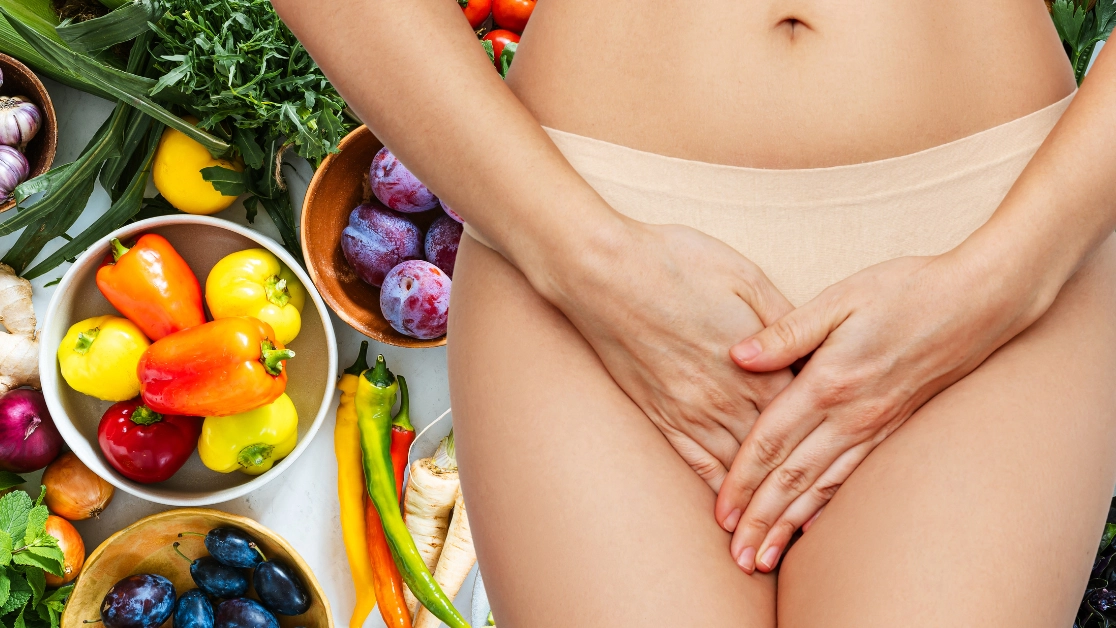
'Vagina diet' explained as gynaecologist reveals foods that could affect how you smell down there

Women have been sharing some seriously specific intimate experiences online, raising questions about the effect that what you eat on a regular basis has on the smell you emit 'down there'.
Taking to Reddit recently, one female subscriber claimed she'd noticed that when she ate a healthy diet packed with fruit and vegetables, her vagina had 'really no scent' - but when she ate onions, things apparently changed.
She said she loved raw onions on burgers and in fajitas, but after going through a phase of eating them almost every day, she noticed her vagina smelled - and, according to her partner, tasted - like onions.
"It was NOT pleasant," she wrote, adding that seafood had a similar effect.
Advert
"Yesterday I ate lots of shrimp and today, it smells like seafood. It happens if I eat any shellfish. I freaking love crab & shrimp but DO NOT want my vag to smell like that the day after eating it (vomits).
"I can't recall ever correlating the two."
What did other women say?
Another woman claimed she could practically release 'garlic from everywhere' after eating it, while saying salmon had once made her smell as though she had BV - although she had no other symptoms and the smell disappeared the next day.
"Dairy products are also gnarly," she added.
A third confessed to the same experience after consuming one type of beverage, revealing: "Absolutely. For me I notice it most with coffee."
A fourth woman said she could apparently become 'a new flavour every few days' depending on what she ate, claiming onions, fish, garlic, lemons and various fruits and vegetables could all affect the smell of her discharge.
Another lady claimed she didn't even need to eat raw onion or garlic to notice an effect, adding: "It can happen if I even touch a piece of raw onion or garlic for a half second."
Unsurprisingly, the queries have sparked concern as to whether this is a global, food-related experience, rather than an 'issue' with the nether-regions of one particular group of women. And apparently, it's the former.
Can food really affect your intimate smell?
Speaking to The New York Post on the subject, Dr Kate McLean, an OB-GYN and chief medical officer at Evvy, noted: "People are often surprised by how much vaginal and vulvar odour can vary, including changes related to what they eat.
"I’ve had patients come in worried that a new or stronger smell means something is wrong, when sometimes it’s simply a temporary change in their body odour after eating certain foods."
This, she added, is where an important distinction lies, explaining that the smell isn't necessarily coming directly from the vagina. The entire area is exposed to sweat, urine, discharge and other bodily secretions, which can all contribute to how it smells.
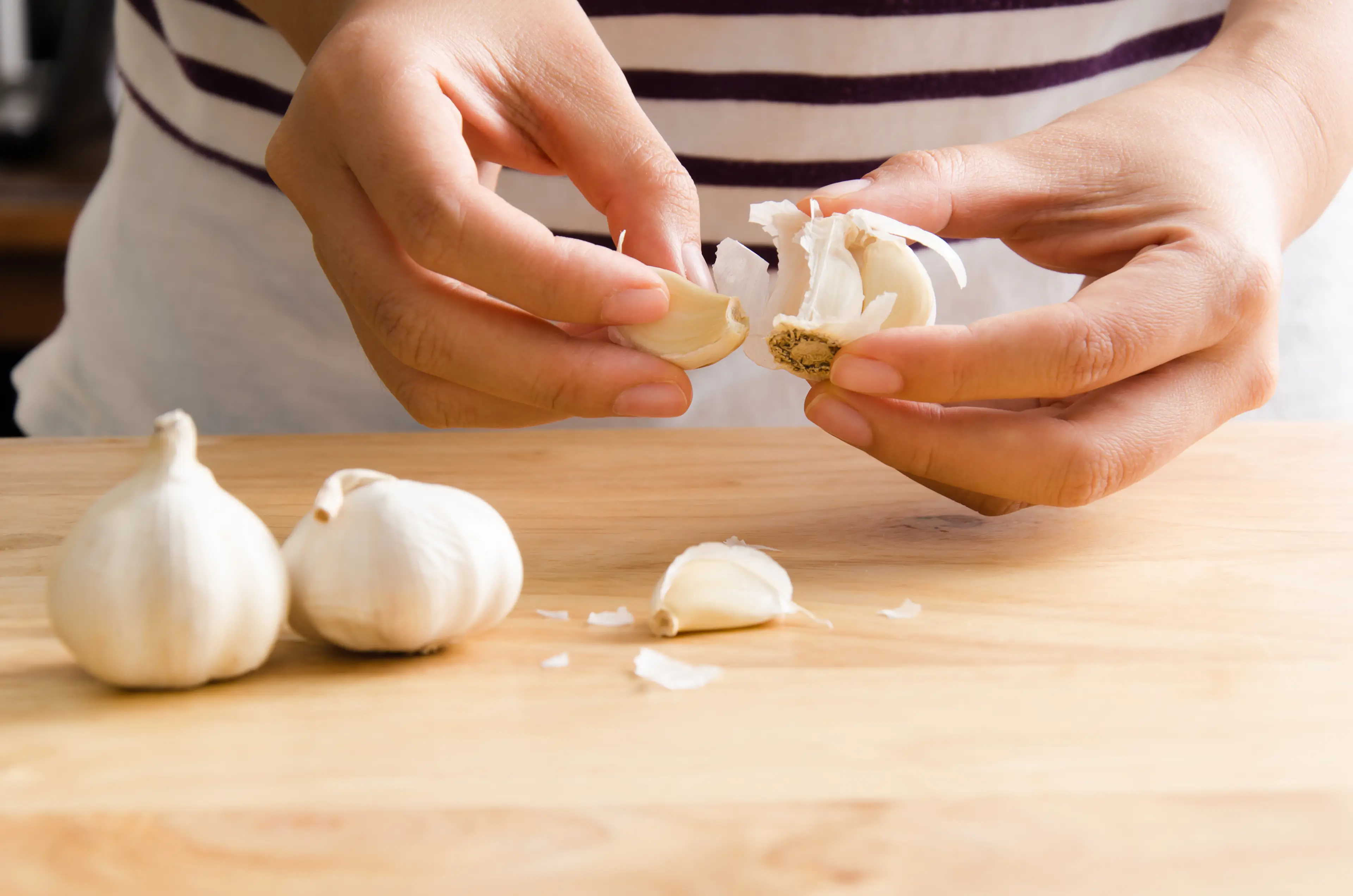
Garlic is one of the biggest examples, given that it breaks down into sulfur compounds which circulate through the blood before being released through the breath and sweat.
"Raw garlic tends to have a stronger effect because cooking breaks down some of the sulphur compounds," Dr McLean said. "When there is an effect, people may notice it within a few hours, and it generally clears within 24 to 48 hours."
How much garlic it takes to notice a difference varies from person to person, she continued, with sweating, clothing, hormonal changes and the individual vaginal microbiome all potentially playing a role.
Before you start working out exactly how many cloves of garlic you can safely eat, however, McLean has some reassuring advice.
"I wouldn’t recommend trying to calculate a 'safe' amount of garlic to eat," she urged. "If you love garlic, eat the garlic. You don’t need to avoid nutritious foods because you’re worried about a temporary change in scent."
What other ingredients have a similar effect?
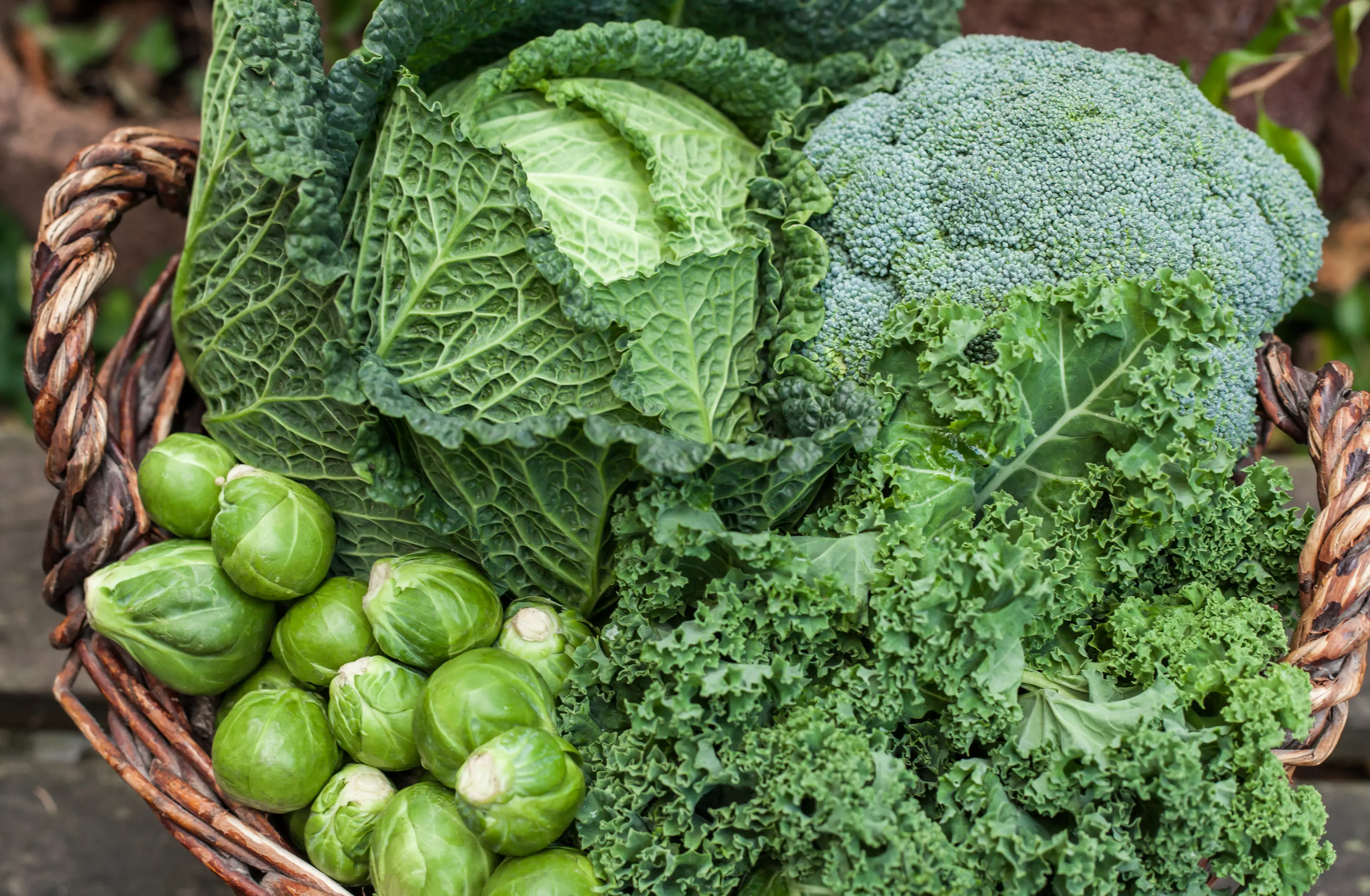
She also mentioned the effect that onions, asparagus and cruciferous vegetables, including broccoli, cauliflower and cabbage, could have on the aroma around the vagina - again, because of their sulphurous compounds.
Also, spicy foods and coffee can make you sweat more, potentially making food-related smells more noticeable, and while alcohol is broken down into chemicals, these can be released through breath and sweat.
But if you're hoping that swapping garlic for pineapple will give you a naturally sweeter scent, don't get too excited, Dr McLean warned.
"A healthy vagina is not supposed to smell like flowers," she said, pointing out that earthy, tangy, musky or slightly sweet smells can all be normal, too.
On top of that, the scent of your nether-regions can naturally change throughout your menstrual cycle.
'There isn’t good evidence' that pineapple or certain fruits can change your vaginal scent, she added.
What should we do about it?
While Dr McLean reassured us that most food-related smells will disappear within a day or two, she also advised seeking an expert's opinion if an odour persists for more than a couple of days, becomes particularly strong or fishy, or comes with unusual discharge, itching, burning, irritation or pain.
Those symptoms can point to something such as bacterial vaginosis or another infection.
Lastly, she went on to warn, whatever you do, don't attempt to solve the problem by aggressively cleaning down there.
"If the smell is dietary, your body needs to metabolise and clear those compounds, so there’s no need to aggressively try to 'clean' your vagina," Dr McLean concluded, reminding us that the vagina cleans itself.
Topics: Women's Health, Health, Food and Drink, Sex and Relationships, Real Life
 Rhianna Benson