Scientists discover hidden part of the womb that could help treat infertility

Warning: This article contains discussion of baby loss which some readers may find distressing.
Scientists have discovered a previously hidden role played by immune cells inside the womb, in a breakthrough that could eventually lead to new treatments for infertility and other reproductive health conditions.
Researchers at the University of Manchester found that specialised white blood cells called monocytes play an important role in keeping the uterus healthy throughout the menstrual cycle.
The discovery could help scientists better understand conditions including recurrent miscarriage, failed IVF implantation, uterine scarring and fibroids.
Advert
The findings, published in Nature Immunology, also shine a light on an area of medicine that has historically received far less research and funding than it deserves.
Using mouse models alongside samples from women, the team found that large numbers of monocytes move from the bloodstream into the uterus at specific points during the menstrual cycle.
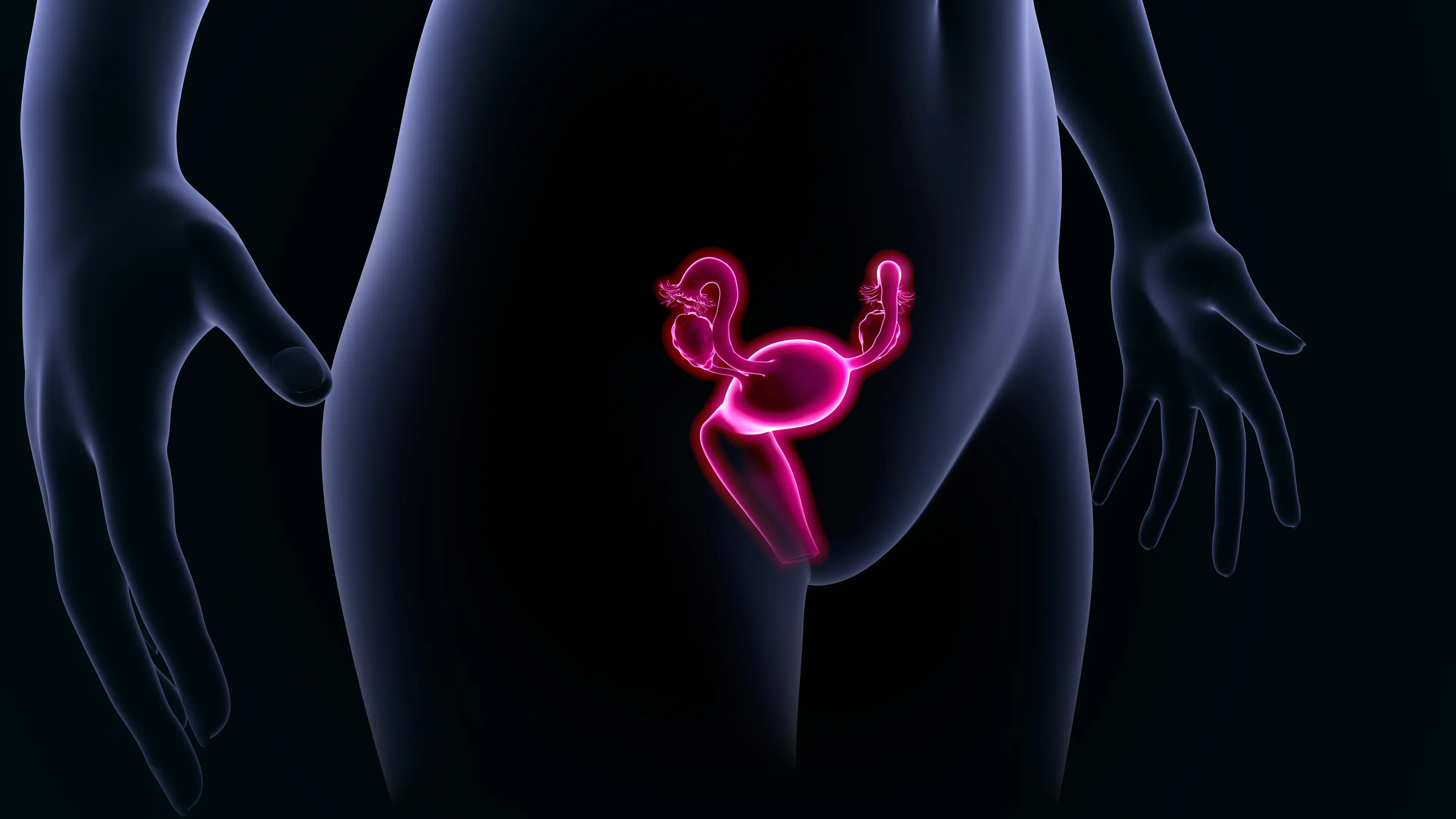
Once there, the cells can help trigger inflammation when it is needed, before supporting the repair and rebuilding of tissue.
The researchers found that monocytes eventually develop into two different types of macrophages. One helps drive inflammation, while the other supports tissue repair.
When the cells were missing in mice, the animals developed abnormal tissue structures and scarring in the uterus. They also had fewer pups per litter, suggesting the immune cells are important for normal reproductive function.
The findings could be particularly significant for women living with Asherman syndrome, a condition in which scar tissue develops inside the uterus.
It can cause infertility, recurrent miscarriage and pregnancy complications, and can sometimes go undetected.
The researchers found unusually high numbers of inflammatory monocytes in women with Asherman syndrome.
Instead of naturally rising and falling during the menstrual cycle, the cells remained persistently elevated and clustered around specialised glands in the womb lining.
The team believes the abnormal immune activity could contribute to fibrosis and scarring inside the uterus.
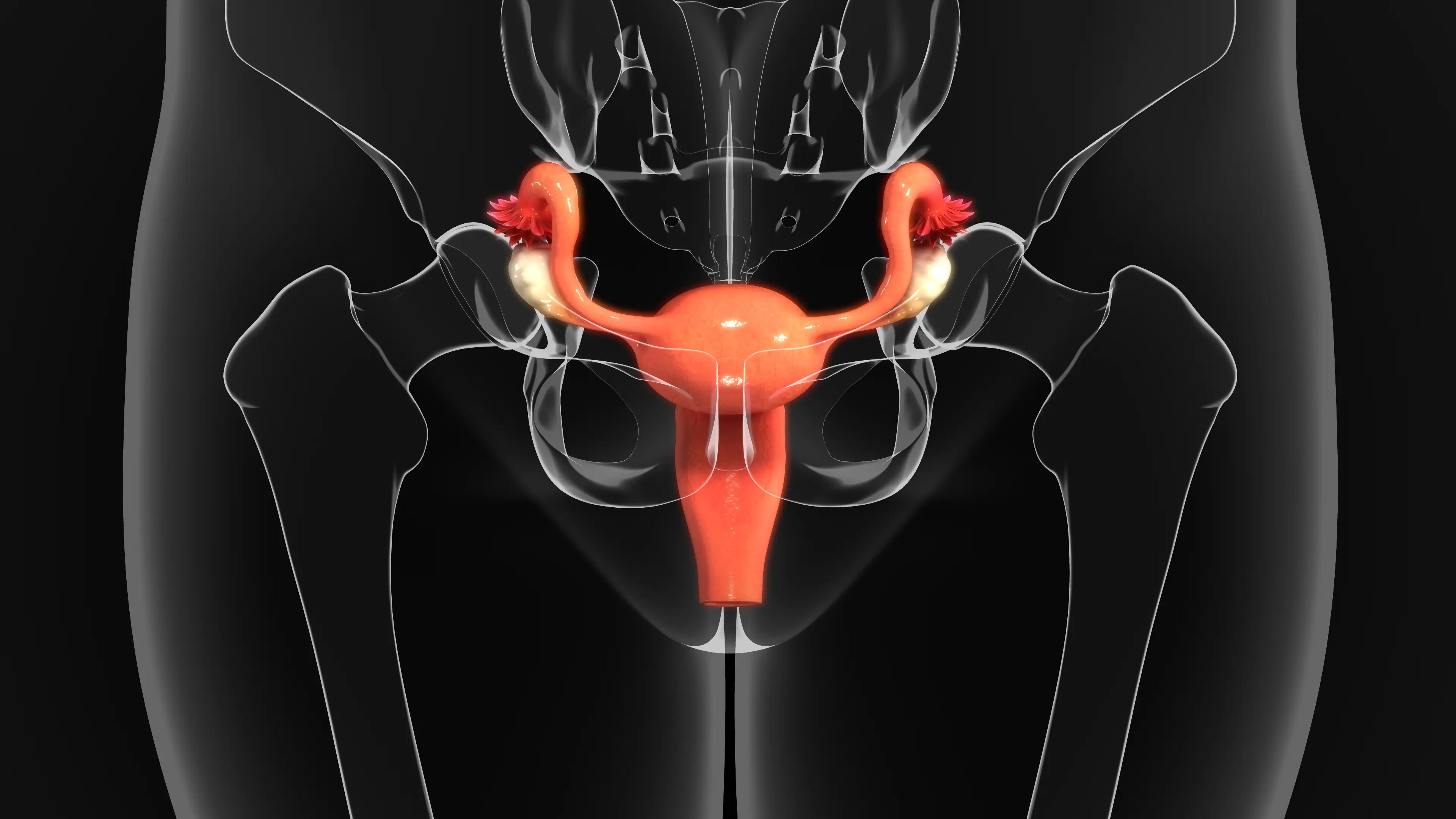
That could eventually open up new approaches to treatment, including drugs that block inflammatory pathways or target the molecules controlling how monocytes move and behave.
Dr Mann said the researchers hoped the findings would help pave the way for treatments designed to improve fertility and reproductive health in women affected by inflammatory conditions of the womb.
Dr Lizzie Mann, senior author of the study from the University of Manchester, said: "For many years we have known surprisingly little about the immune cells that live and work within the uterus.
"Our study shows that one type of immune cell - monocytes - are not simply bystanders but essential for maintaining a healthy womb.
"When their behaviour becomes disrupted, normal tissue repair processes can go wrong, and scarring may develop."
She also highlighted the wider problem facing women's health research, saying the lack of knowledge reflects the historic underfunding and low prioritisation of the field.
"We hope these findings will pave the way for new treatments that improve fertility and reproductive health for women affected by inflammatory womb conditions," Dr Mann added.
"The lack of knowledge in this area reflects the historic underfunding and low prioritisation of women’s health.
"One critical consequence of this is the dramatic decline in global fertility rates, set to transform global population patterns."
If you need support and advice following a pregnancy loss, you can contact the Tommy’s team at [email protected]. You can also call them for free on 0800 014 7800, Monday to Friday, 9am to 5pm.
Topics: Women's Health, Health, Life, Pregnancy
 Rhiannon Ingle