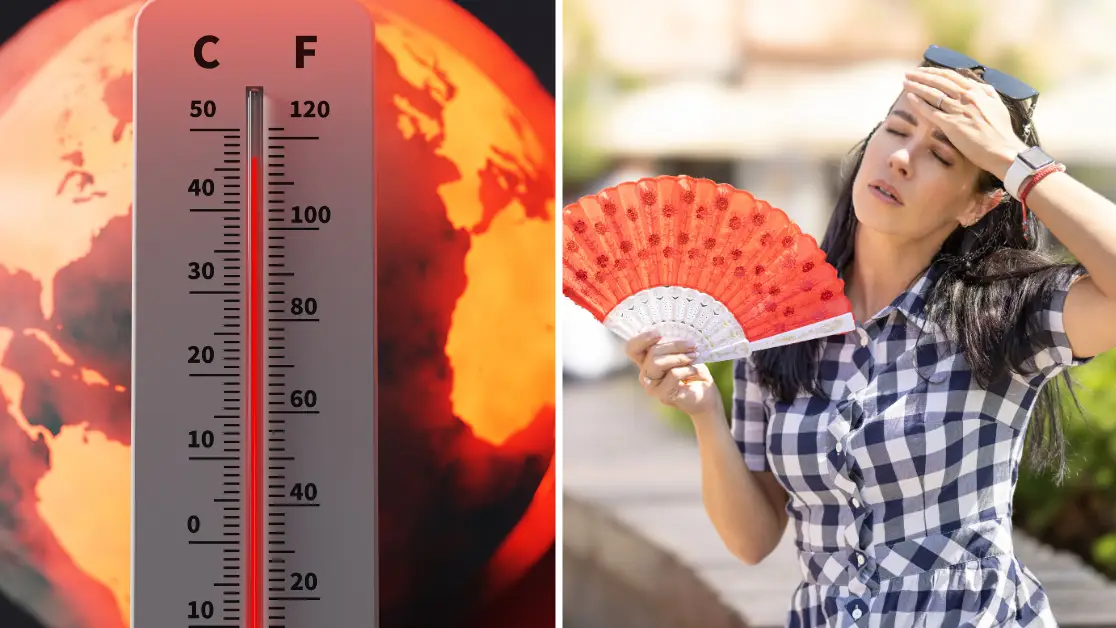
Reason why particular group of women could be massively affected by ‘unprecedented’ El Niño

Pregnant women could be particularly vulnerable when temperatures soar, with extreme heat linked to a number of pregnancy complications and health risks for both mums-to-be and their babies.
The concern comes as attention turns to El Niño, a natural climate pattern caused by unusually warm ocean temperatures in the central and eastern Pacific.
While El Niño doesn't mean that every part of the world will experience hotter weather, it can influence weather patterns globally and increase the likelihood of extreme heat in some regions.
And with heatwaves becoming an increasingly important health concern, experts are urging pregnant women to take sensible precautions when temperatures climb.
Advert
A new survey by the Wellcome Trust has found that pregnant women exposed to heatwaves are 25% more likely to suffer complications, via the Independent.
Dr Samila Asad, GP and wellness specialist at The Female Health Doctor clinic, has exclusively explained to Tyla what extreme heat can mean for pregnant women and newborn babies.
Why can extreme heat increase these risks?
"In pregnancy, your body is already working harder. Your heart is pumping more blood, and you’re producing more heat, so very hot weather can put you under additional strain," the expert warned.
Dehydration and overheating are also a concern during periods of extreme heat with Dr Asad adding: "There may also be changes in blood flow to the placenta and stress responses which contribute to labour starting too early or affect the baby’s growth. We’re still learning about the exact mechanisms, so I would be careful about suggesting there is one simple explanation."
According to Dr Asad, research has found a link between heat exposure and premature birth, stillbirth and low birth weight.
"That deserves attention, but it doesn’t mean we can say heat caused an individual pregnancy complication," she added.
What does this mean for women and babies now?
Despite the potential risks, Dr Asad stresses that pregnant women shouldn't feel frightened about simply going outside when it's warm: "Pregnancy can come with enough worries already, so I wouldn’t want women to read this and become afraid of going outside on a warm day. These findings don’t mean that every woman exposed to hot weather will have a problem."
However, extreme heat is something that should be taken seriously, particularly during pregnancy.
"What they do tell us is that extreme heat needs to be taken seriously. We should be talking about it during antenatal appointments, so women know how to look after themselves and when to seek help," the expert continued.
Newborn babies can also be vulnerable in hot weather because they cannot control their temperature as well as adults, with the doctor reminding parents to keep them cool and watch their feeding and general well-being as this is 'particularly important'.
What about the future?
As heatwaves become more frequent or last longer, more pregnant women could find themselves exposed to extreme temperatures.
However, the ability to escape the heat isn't the same for everyone.
"What concerns me is that some women have very little choice about that exposure," Dr Asad said. "They may work outdoors, work in a hot building or live somewhere that stays hot throughout the night. Advice to keep cool is much harder to follow in those circumstances."
She added that protecting pregnant women from extreme heat therefore needs to extend beyond individual advice: "So alongside advice for women, we need employers and health services to prepare. Pregnant women need access to water, proper breaks and somewhere cooler to spend time."
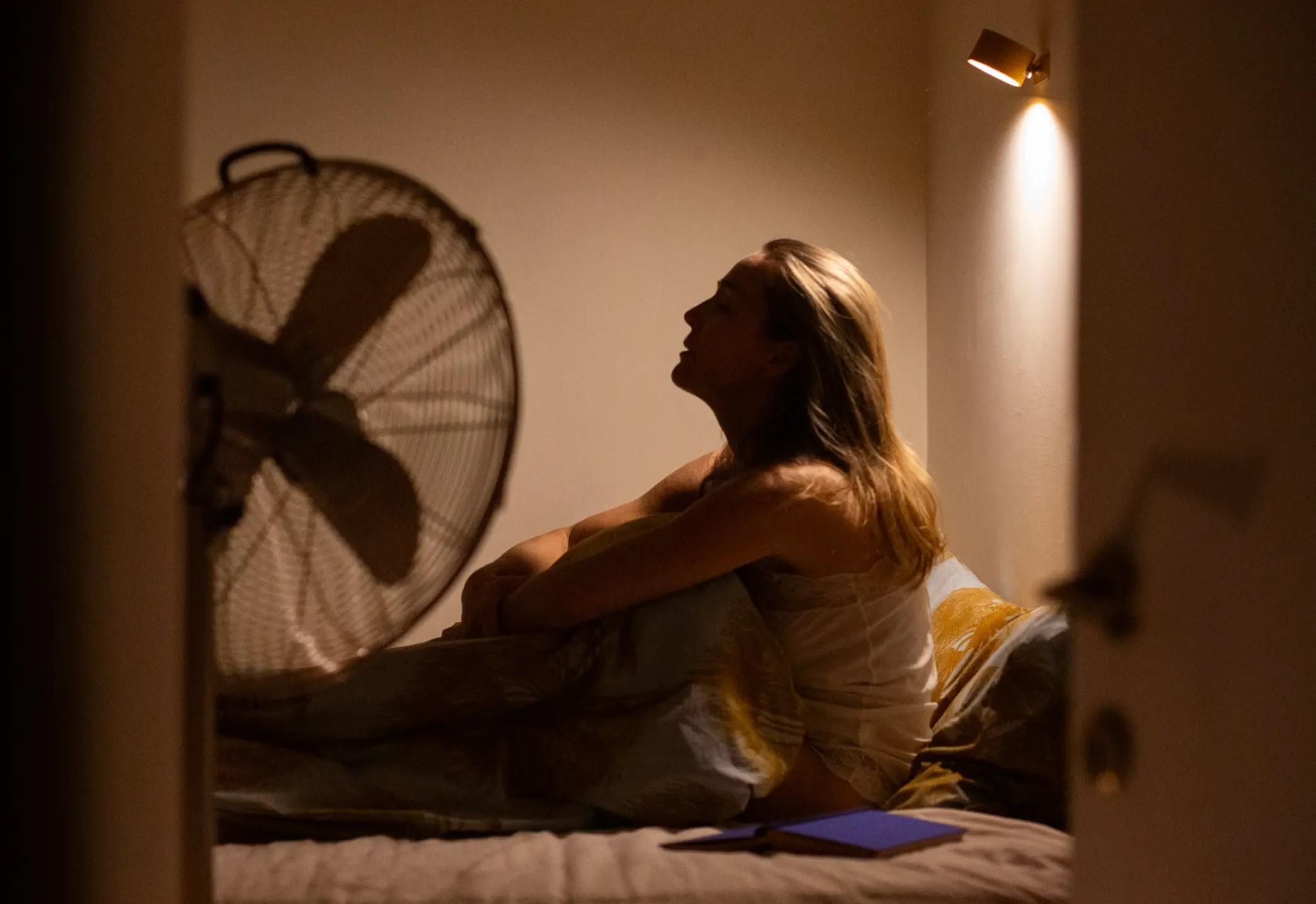
What can pregnant women do to protect themselves?
There are several practical steps pregnant women can take when temperatures rise, including drinking regularly, taking breaks and avoiding strenuous activity during the hottest parts of the day.
"In extreme heat, ease back on strenuous activity and spend time somewhere cool if you can," the expert urged.
Simple measures at home can also help, with Dr Asad noting: "Loose, light clothing and a cool shower can help. At home, shade windows during the day and open them when it is cooler outside."
And importantly, women shouldn't feel they need to simply carry on as normal if they're struggling.
"And please don’t feel you have to carry on as normal if you’re struggling. If you’re working in a hot environment, ask for extra breaks and somewhere to cool down. If you’re vomiting or finding it difficult to keep fluids down, get advice early," she highlighted.
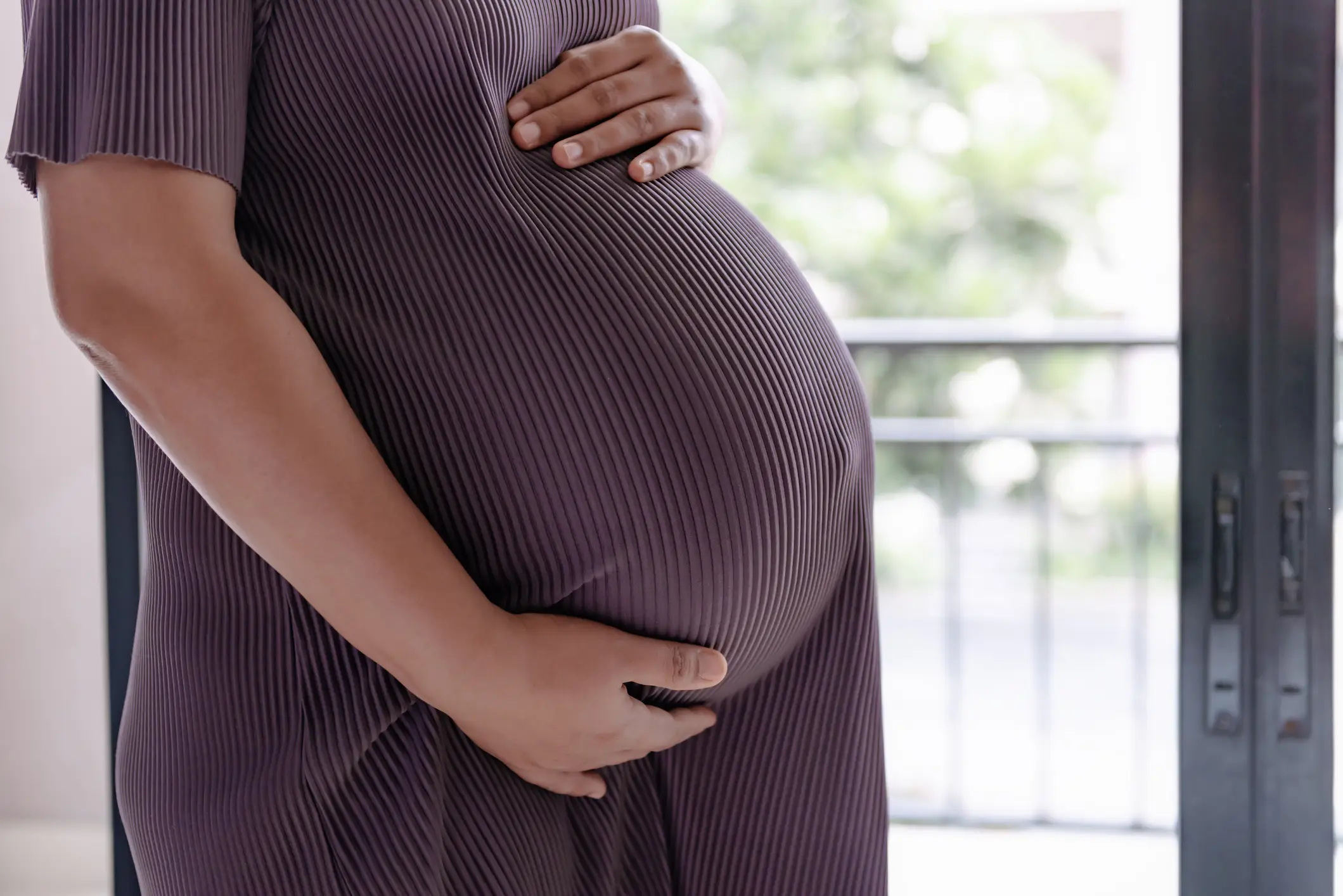
Any other important advice?
Dr Asad stressed the importance of not automatically dismissing symptoms as simply being a consequence of hot weather.
"One thing I would stress is not to dismiss symptoms as just the heat. Feeling dizzy, sick, unusually weak or passing very little urine can be signs that you need to cool down and get help. Confusion, a seizure or loss of consciousness are emergencies - call 999," she recommended.
Pregnant women should also pay close attention to their baby's usual movements.
Dr Asad added: "If your baby’s movements are reduced or different from their usual pattern, call your maternity unit straight away. Please don’t assume the baby is quieter because it’s hot, and don’t wait until the next morning. Bleeding, leaking fluid or regular contractions before 37 weeks also need prompt advice."
There are also precautions parents can take to protect newborns during hot weather.
"For newborns, keep them out of direct sunlight, avoid too many layers and never drape a blanket or muslin over the pram, as this can trap heat. Breastfed babies may want to feed more often; fully breastfed babies don’t need extra water before starting solids. Formula should always be made up at its usual strength," she noted.
Ultimately, the message isn't to panic when temperatures rise, but to know what to look out for and when to ask for help.
"I’d want women to feel informed and supported after reading this. Take sensible precautions, slow down when you need to, and speak to your maternity team if something doesn’t feel right."
Topics: Women's Health, Life, Health, World News, Tyla Exclusive
 Rhiannon Ingle