British women convicted of illegal abortions under 'Victorian law' to get automatic pardon

Courts will today begin the process of deleting details of criminal convictions against women who underwent illegal abortions.
Under a change to British legislation, any woman who was convicted, cautioned, arrested, or investigated by police after receiving an illegal termination of their pregnancy will be automatically pardoned.
Section 241 of the Crime and Policing Act 2026, which came into force earlier this year, means these women are no longer held criminally liable for ending their pregnancies.
Such is also the case for the records of women who've since died, under Section 242.
Advert
The amendment to the Crime and Policing Bill was raised by Labour MP Tonia Antoniazzi last year, after she slammed the 'Victorian laws' which had harmed hundreds of British women.
She wrote on X back in April, after the new Act came into force: "I hope they can now take a breath. Generation after generation of women are now protected from the threat of criminal investigation for ending their own pregnancy, and women convicted pardoned."
Antoniazzi added that the 100+ women who were 'treated as suspects, dragged from hospital beds to police cells' under outdated abortion laws will likely feel 'huge relief' that their criminal convictions have been wiped.

She said records showed they'd been 'met with interrogation and suspicion in moments of crisis where they should have been met with care, and dragged into the criminal justice system'.
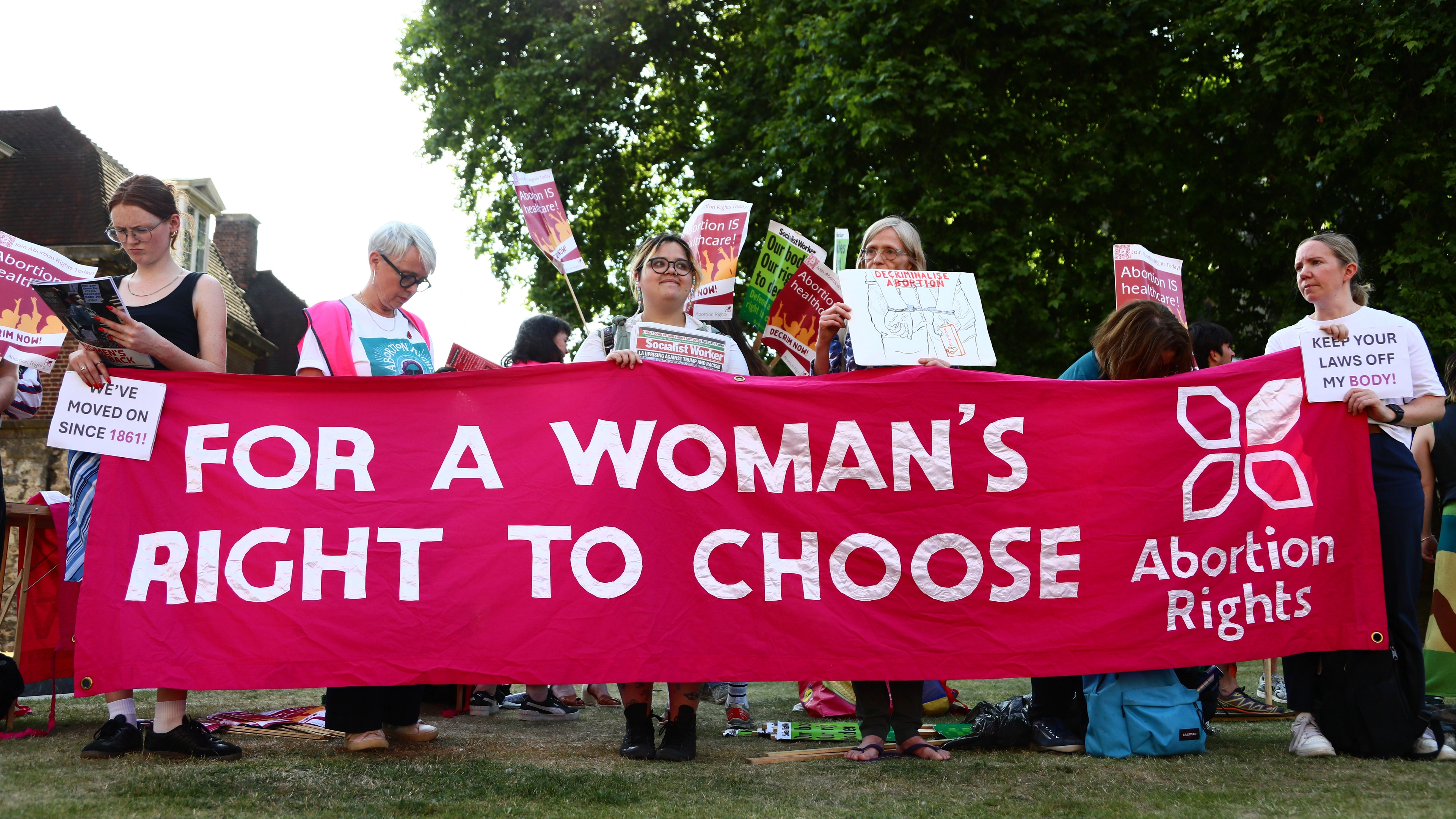
Changes have been made to the law to protect women following widespread calls from campaigners to remove several sections of the 1861 Offences Against the Person Act following the decriminalisation of abortion in Northern Ireland in 2019.
Heidi Stewart, the chief executive of the British Pregnancy Advisory Service, agrees that the former criminalisation of abortions caused 'profound harm' on the women involved.
"For too long, women have faced the devastating consequences of outdated abortion laws," she said. "Including police investigations, prosecutions and criminal convictions, often at moments of unimaginable vulnerability."
Despite the amendment, two doctors will still need to sign off any abortion procedure in England and Wales, and anyone who acts outside of the law, including doctors, could face prosecution.
Abortion across both England and Wales is legal only up to 24 weeks, and only in very limited circumstances beyond this point, such as the mother's life being at risk, or when the child would be born with a severe disability.
The procedure must also be carried out only by an authorised provider.
It's also legal to take prescribed medication at home to terminate a pregnancy, but only if the woman is less than 10 weeks pregnant.
Dr Alison Wright, the president of the Royal College of Obstetricians and Gynaecologists, said the new pardons 'recognise the injustice of historical convictions and mean women no longer have to live with the consequences of a criminal record for something that should never have been treated as a crime'.
In 2025, Nicola Packer was cleared by a jury after taking abortion medication at home at 26 weeks pregnant during a Covid-19 lockdown in 2020. She said she hadn't realised she was pregnant for over the 10-week legal limit for at-home pills at the time.
Celebrating the change to the law, Parker told The Guardian: "We’ve all been through so much to get here. Although it can’t erase the memories of what we’ve experienced, it does remove the records that have made it difficult for some of us to get and keep jobs, and live our lives.
"And it further validates the feeling that none of us should have been on trial, investigated or sent to prison"
She added: "It’s a great day for us and I feel lighter knowing that the records have been expunged."
Topics: Women's Health, Politics, UK News, News, Pregnancy
 Rhianna Benson