
Treasury ‘contributed’ to death of 26-year-old Chloe Moffat after 'distressing' disciplinary meeting

Warning: This article contains discussion of suicide, which some readers may find distressing.
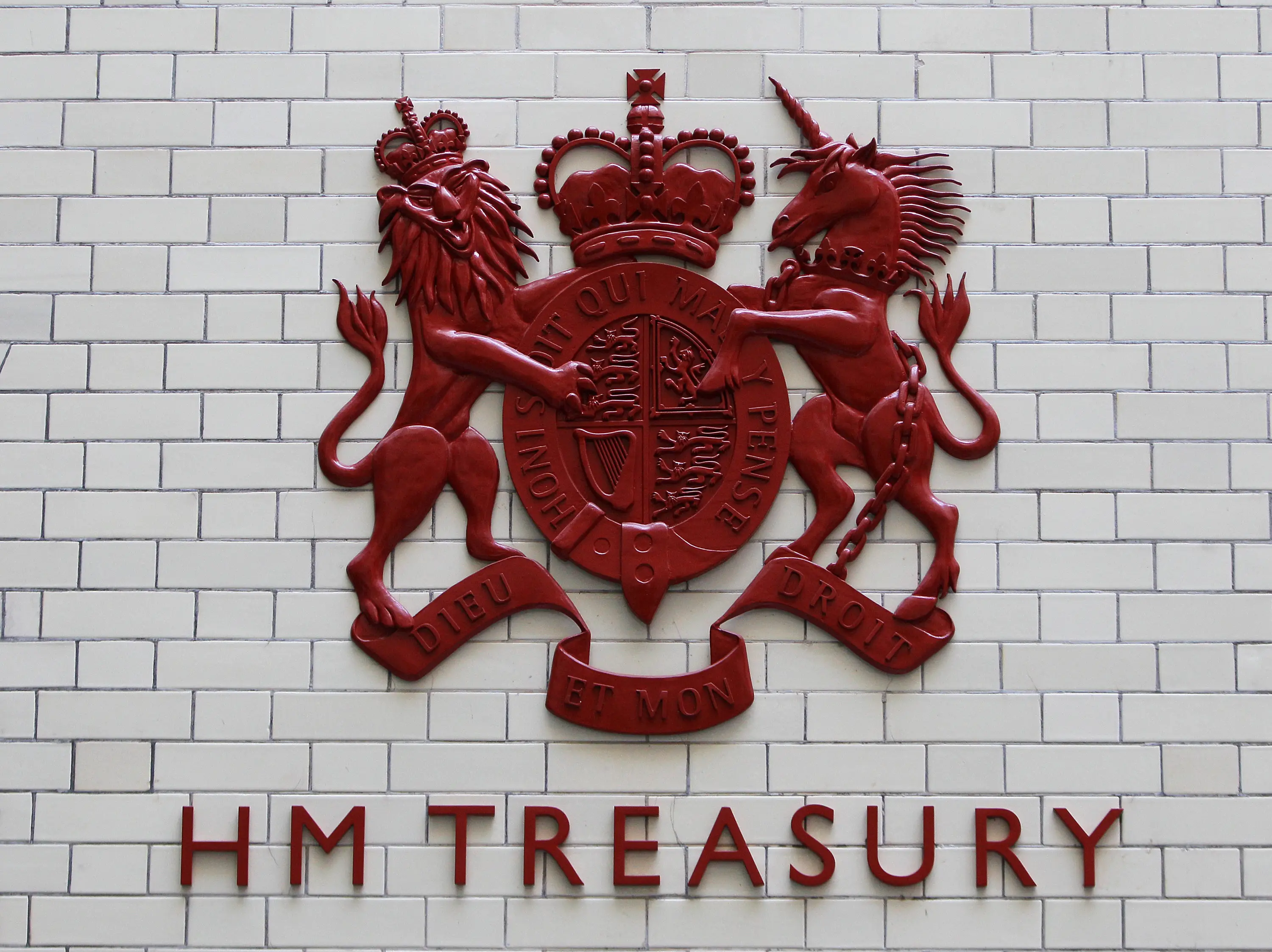
A coroner has ruled that the Treasury 'materially contributed' to the death of personal assistant Chloe Moffat.
The 26-year-old took her own life in May 2025, just one day after facing disciplinary proceedings at work following three years of service as a personal assistant.
During a three-day hearing, coroner Anna Crawford heard that Moffat 'loved her job' and boasted an 'exemplary employment record' before being called into an informal meeting with managers.
Advert
The meeting had stemmed from an anonymous complaint filed about Moffat by a colleague, which alleged she'd shared informally confidential information about staff that she'd had access to in her position.
Moffat, who denied the accusations, had been 'happy and well' before the meeting, her loved ones insisted, and had shown no prior signs of mental health-related issues.
According to her friends and family, the meeting drove a 'devastated' Moffat to 'distress', however, leading her to believe she was set to lose her job.
Crawford heard at Surrey Coroners Court that staff failed to reassure Moffat that her job was safe during the meeting, despite it being unlikely that she'd be dismissed over the complaint.
She was also denied access to a third party in the meeting, during which her line manager claimed she was 'shocked, crying at points, distressed, overwhelmed' at several points.
Following the meeting, Moffat's job responsibilities temporarily changed, and she was denied access to the diary of her immediate manager.
Moffat met with a friend the afternoon of the meeting, after texting them to say, 'I am going to be fired'.
The friend previously told the court last month that Moffat had 'broken down crying', and that, while she 'reassured Chloe', she 'remained distressed'.
The court also heard at the time that the head of global issues at the Treasury - who was leading the investigation into her alleged misconduct - did not give Moffat notice of the meeting before the day of, claiming she 'did not want Chloe to worry about it'.
She also admitted to telling Moffat, who asked during the discussion whether she'd likely lose her job, that she couldn't predict the outcome of the investigation, despite the fact the PA had been up for a promotion, and had even been given a bonus for her work at that time.
Asked if she'd have done anything differently, Moffat's line manager previously said: "No, I think we did all we could at the time with the information and advice we were given."
"I am satisfied that the shock and distress of the allegations and thinking she was going to lose her job contributed to her state of mind," Crawford said during the hearing on Monday (10 Aug).

The Treasury's human resource policy, which falls in line with the Treasury and the Advisory, Conciliation and Arbitration Service (ACAS) requirements, states that formal proceedings are required for serious misconduct allegations, so the person is 'not deprived of their rights', which include having a third party present during meetings, being informed of the meeting five days prior, and being told the likely outcome of an investigation if claims are found to be true.
Crawford found that managers had already made the decision limit Moffat's roles and responsibilities before the meeting, however.
As such, she found the meeting 'not in accordance with [Treasury] policy', which makes 'no provision' for supposedly 'informal' meetings.
"The reason for this seems abundantly clear," she declared. "It is necessary to put safeguards in place, including informing about the likely penalty and the right to be accompanied."
Crawford continued: "By handling the matter in the way they did, Chloe was denied safeguards. The concern that she would lose her job did materially contribute to her state of mind and the decision to take her own life."
Ruling that the Treasury played a part in Moffat's death, she cited the department leads not informing her that the likely outcome of the investigation would be a written warning, not dismissal.

The coroner also found that the flawed handling of disciplinary proceedings from within the Government left a risk of further deaths from within the civil service, and vowed that, in response, she'd send a prevention of future deaths report to the heads of several departments.
Her announcement came in response to the Treasury claiming informal meetings were 'standard practice', which Crawford described as 'concerning'.
"It runs the risk of serious and/or gross misconduct allegations being put to colleagues without safeguards in place," she said.
Crawford also claimed the Treasury's promise to review its disciplinary process 'does not set my mind at rest'.
"I consider there remains a risk of future death," she added.
Following the ruling, Moffat's mother, Anne, recalled: "Chloe was a bright, caring and talented young woman who loved her family, her friends and her work.
"The evidence heard during the inquest has reinforced our belief that the allegations made against Chloe were nothing more than workplace gossip."
She continued: "She was treated with a complete lack of empathy with regard to allegations made by colleagues who chose to remain anonymous. We continue to believe that HM Treasury failed in its duty of care towards Chloe.
"At a time when she needed support, reassurance and fair treatment, she was left frightened, isolated and convinced that her career and reputation had been destroyed."

A spokesperson for the Treasury also told Tyla their team will 'continue to mourn Chloe's passing as a colleague and friend'.
"Our thoughts remain with her family and friends," they added. "We take the coroner’s concerns extremely seriously and recognise it is important to act quickly. We are now considering the findings carefully.
"We have introduced improvements to guidance, support and wellbeing arrangements but recognise we must continue to take action to prevent this happening again."
An ACAS representative also described the case as 'extremely distressing and upsetting'.
"ACAS has a disciplinary and grievance code of practice that sets out good practice advice for employers on how to handle disciplinary cases," they added.
"Revisions to this code are currently being consulted on with a deadline for responses of 23 September.
"Our proposed revisions to the code include a new advice section for employers on how to handle concerns informally. We welcome any feedback on the revised code and will consider any recommendations for Acas from the coroner’s report."
If you’ve been affected by any of these issues and want to speak to someone in confidence, please don’t suffer alone. Call Samaritans for free on their anonymous 24-hour phone line on 116 123 or contact Harmless by visiting their website https://harmless.org.uk.
 Rhianna Benson