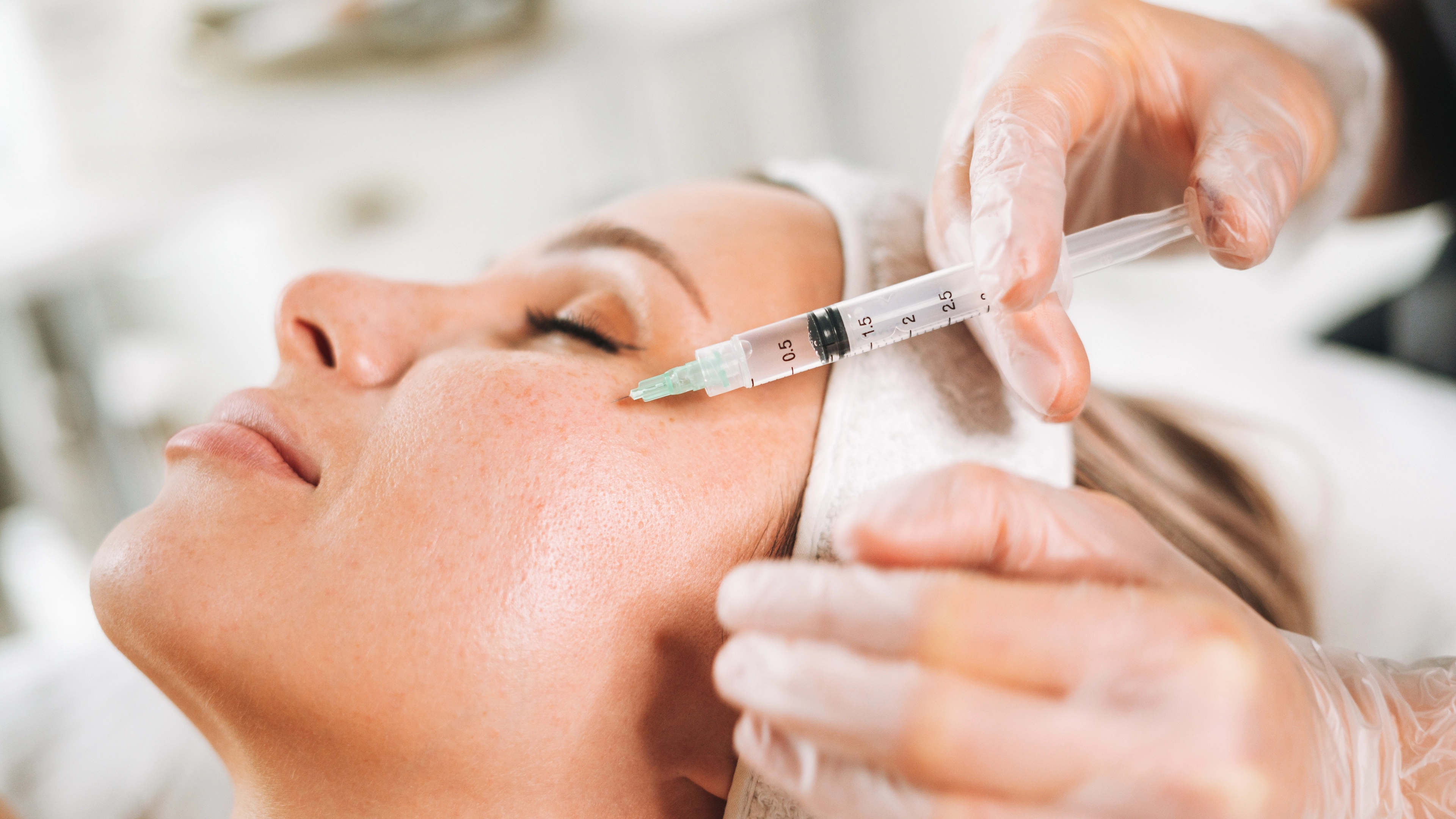
Disturbing face filler scans reveal 'hidden' risks for anyone getting cosmetic injections

Doctors have issued a serious warning to anyone considering getting cosmetic filler injected into their face, after a series of scans demonstrated a hidden health risk lurking behind the scenes of the procedure.
For those in need of a reminder, dermal fillers are injectable substances that have skyrocketed in popularity in recent years, promising to restore volume, smooth lines, and add definition to a person's face using hyaluronic acid.
Most commonly, this liquid - which is temporary, and will need topping up over time - is administered to a person's cheeks, chin, temples and lips. In other cases, however, it is used to create shape in the face, including when injected into the nose.
According to medics at Mayo Clinic, the most frequently-seen risks of this procedure are swelling and bruising, as well as the potential of becoming 'addicted' to the results of the injections.
Advert

As we say, however, experts have recently found a secondary risk to the procedure that's much more serious, after facial scans uncovered the possibility of patients suffering blocked arteries underneath their skin.
And apparently, this condition not only left some injectable fans battling skin loss, but also blindness and a heightened risk of stroke, caused by damage to their blood flow.
An ultrasound was performed on 100 individuals who've received considerable dermal fillers in recent years, with lead researcher Dr Rosa Sigrist telling the BBC that her team at the University of São Paulo in Brazil observed cases of 'vascular occlusion'.
Whilst uncommon, this process describes filler inadvertently being injected into, or too close to, a blood vessel.
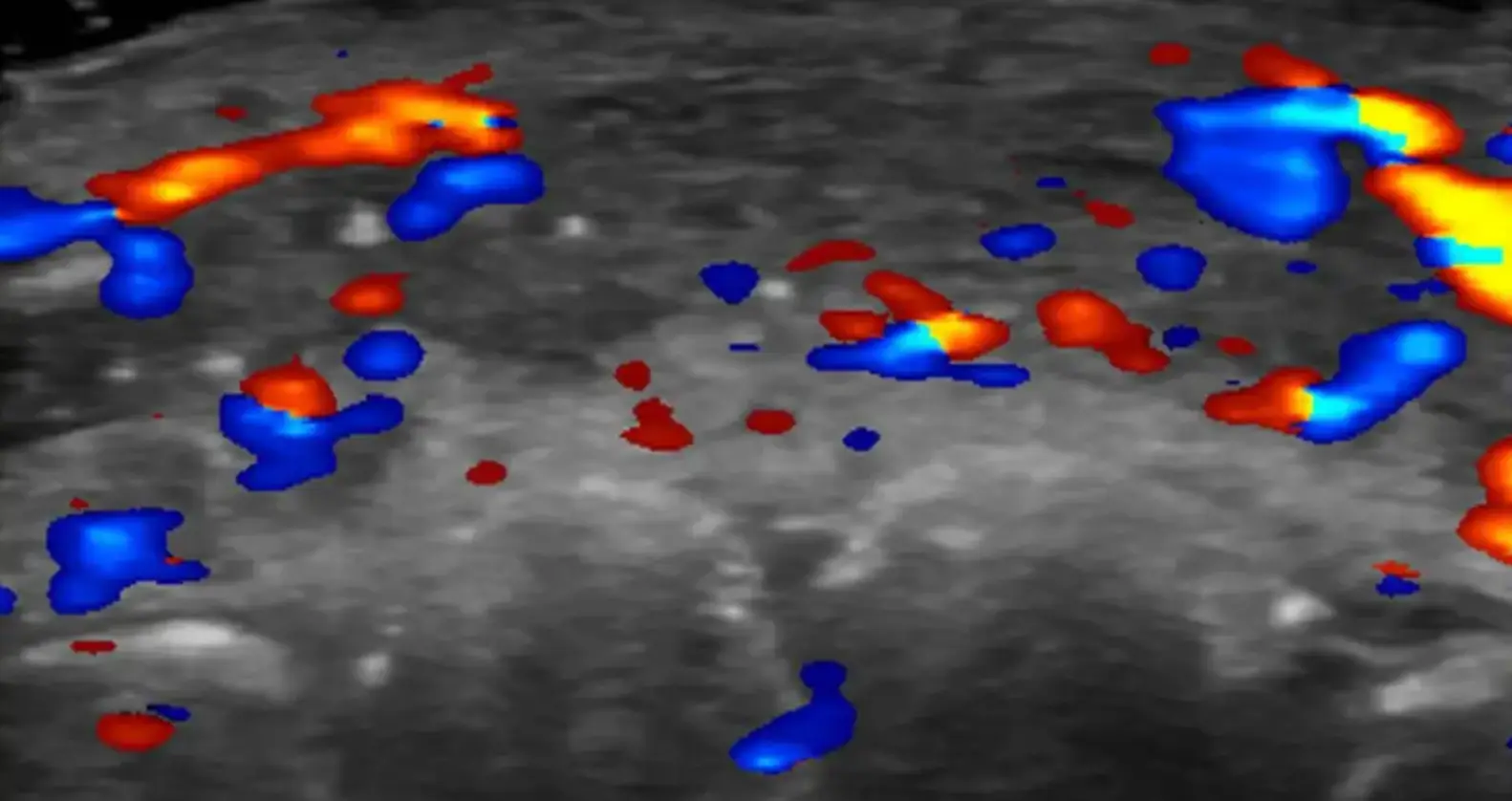
In just less than 50 percent of cases, these scans showed absent blood flow to a number of small vessels connected to both superficial arteries and those found deeper inside the face.
A third of patients studied also showed an absence of blood flow in several major blood vessels.
As we say, not only can this process kill healthy facial tissue and trigger a potential deformity, but it could also prompt permanent sight loss.
As such, Dr Sigrist is now emphasising the importance of aestheticians performing scans on their patients whilst administering fillers into their faces.
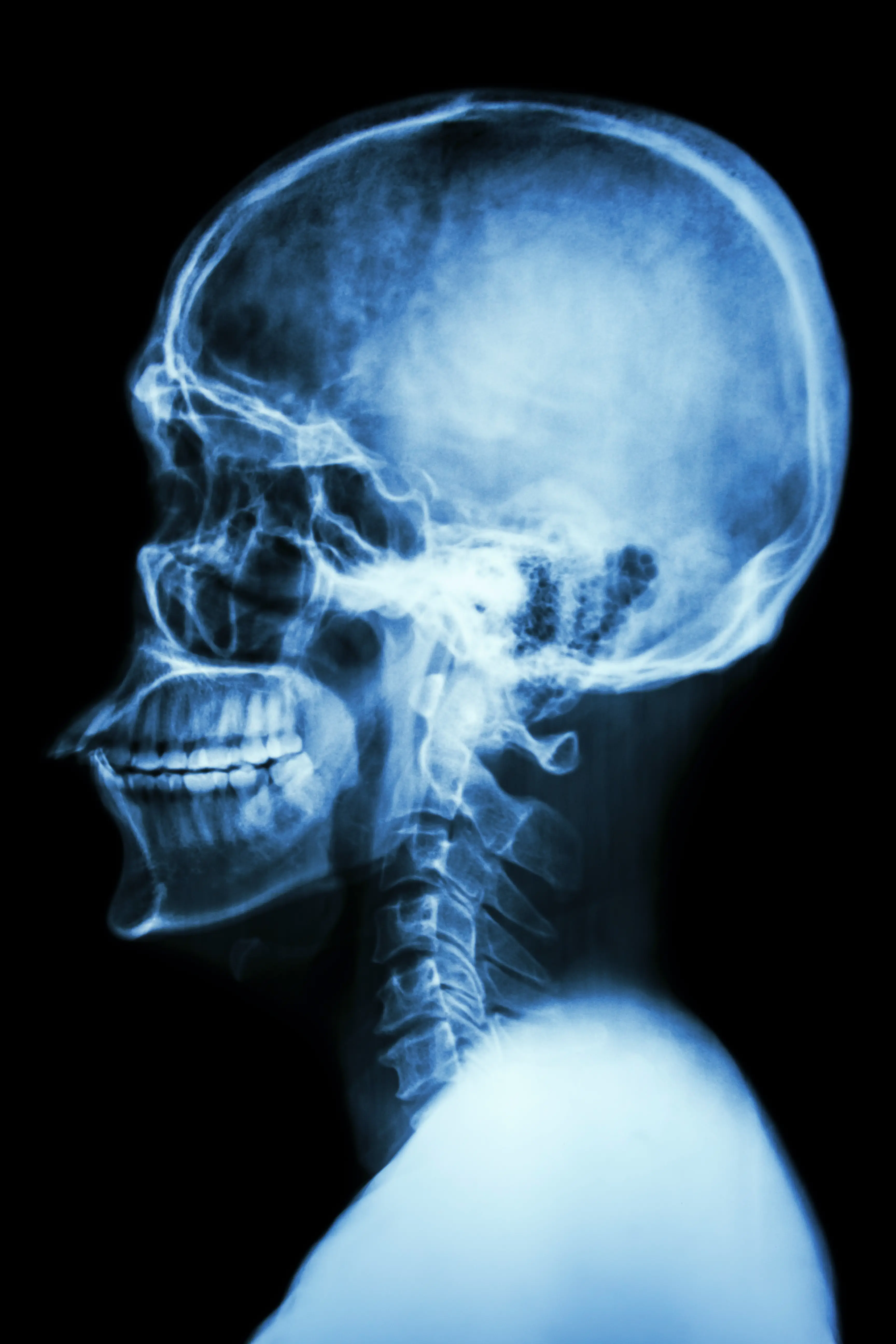
This is especially vital for cases of nasal injections, given that nasal blood vessels communicate with a number of important parts of the head and brain.
"If injectors are not guided by ultrasound, they treat based on where the clinical findings are and inject blindly," she explained. "But if we can see the ultrasound finding, we can target the exact place where the occlusion occurs."
Dr Sigrist also recommended clinicians performing guided injections with ultrasound scans that use less hyaluronidase, as opposed to over-flooding the area with this drug.
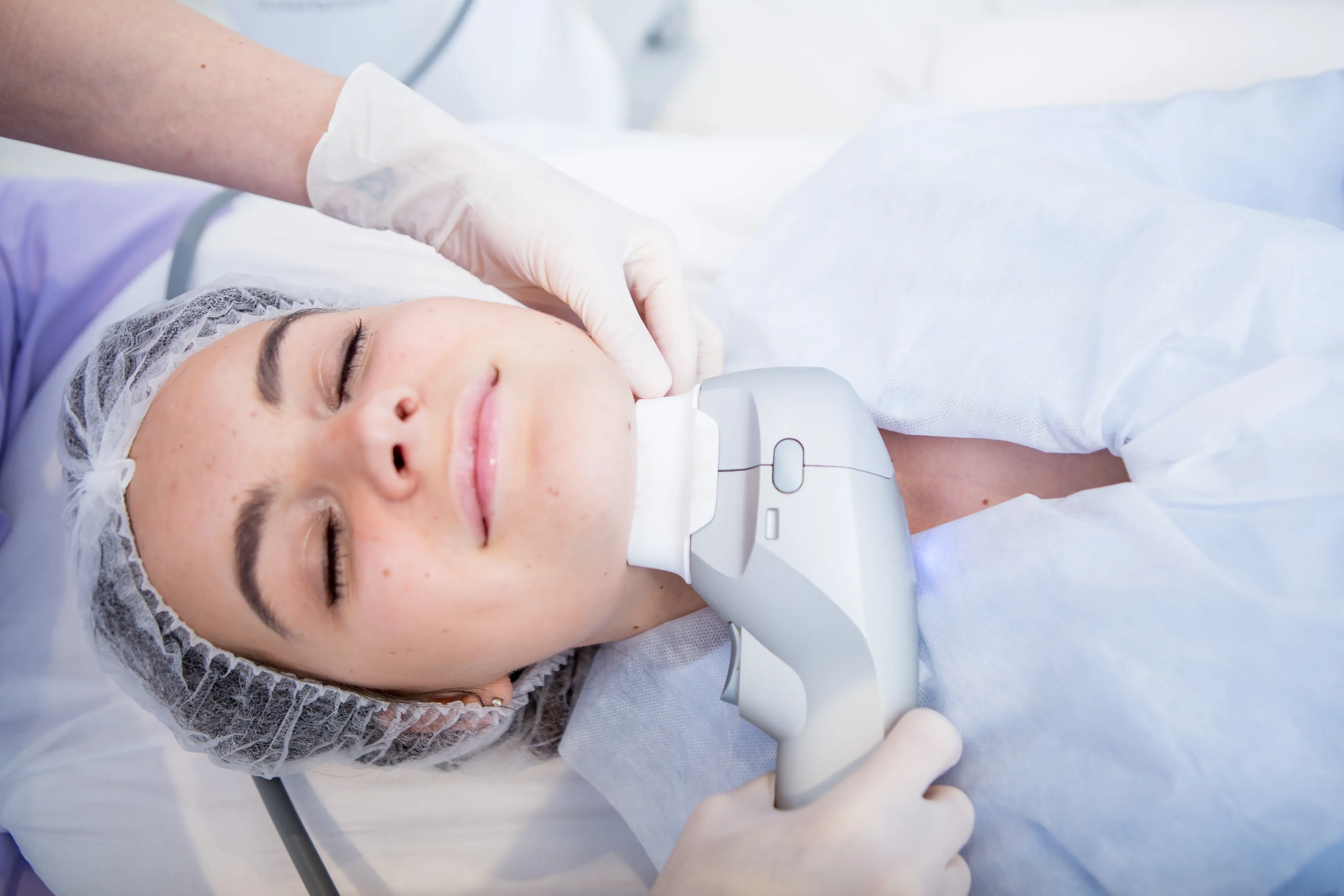
British Association of Aesthetic Plastic Surgeons (BAAPS) president Nora Nugent agreed that these scans should become the standard of care worldwide.
"Mapping out the location of blood vessels undoubtedly provides valuable information ahead of treatment," she explained.
"Risks like these from dermal fillers are one of the many reasons why we have been campaigning for a long time for increased regulation of aesthetic procedures and restricting the provision of medical procedures like injectable treatments to those who have medical training."
Topics: Beauty, Make-Up, Health, True Life, Real Life, Advice
 Rhianna Benson