tyla homepage
tyla homepage
  • News
    • Politics
    • Entertainment
    • Celebrity
  • Entertainment
    • Celebrity
  • Life
    • Animals
    • Food & Drink
    • Women's Health
    • Mental Health
    • Sex & Relationships
    • Travel
    • Real Life
  • TV & Film
    • True Crime
    • Tyla Recommends
  • Astrology
  • Beauty
    • Hair
    • Make-up
    • Skincare
  • Style
    • Home
  • Advertise
  • Terms
  • Privacy & Cookies
  • LADbible Group
  • LADbible
  • UNILAD
  • SPORTbible
  • GAMINGbible
  • UNILAD Tech
  • FOODbible
  • License Our Content
  • About Us & Contact
  • Jobs
  • Latest
  • Archive
  • Topics A-Z
  • Authors
Facebook
Instagram
X
Threads
TikTok
Submit Your Content
'Puffer-fishing' explained as you may be guilty of this problematic dating trend without even knowing it
Home>Sex & Relationships
Published 11:49 15 May 2026 GMT+1

'Puffer-fishing' explained as you may be guilty of this problematic dating trend without even knowing it

A relationship expert has revealed why so many people unknowingly 'puffer-fish' each other

Rhiannon Ingle

Rhiannon Ingle

google discoverFollow us on Google Discover
Featured Image Credit: Getty Stock Image

Topics: Dating, Dating trends, Sex and Relationships, Life

Rhiannon Ingle
Rhiannon Ingle

Rhiannon Ingle is a Senior Journalist at Tyla, specialising in TV, film, travel, and culture. A graduate of the University of Manchester with a degree in English Literature, she honed her editorial skills as the Lifestyle Editor of The Mancunian, the UK’s largest student newspaper. With a keen eye for storytelling, Rhiannon brings fresh perspectives to her writing, blending critical insight with an engaging style. Her work captures the intersection of entertainment and real-world experiences.

Advert

Advert

Advert

It seems like there's an infinite conveyor belt of zany new dating term buzzwords, with the latest being 'puffer-fishing'.

We already know all about 'seagulling', 'storybooking', 'shrekking', the dreaded 'swag gap' discourse and, of course, the horror of 'low-vibrational' boyfriends, but what on earth is 'puffer-fishing' and why are so many of us guilty of partaking in the dating trend without even knowing we're doing it?

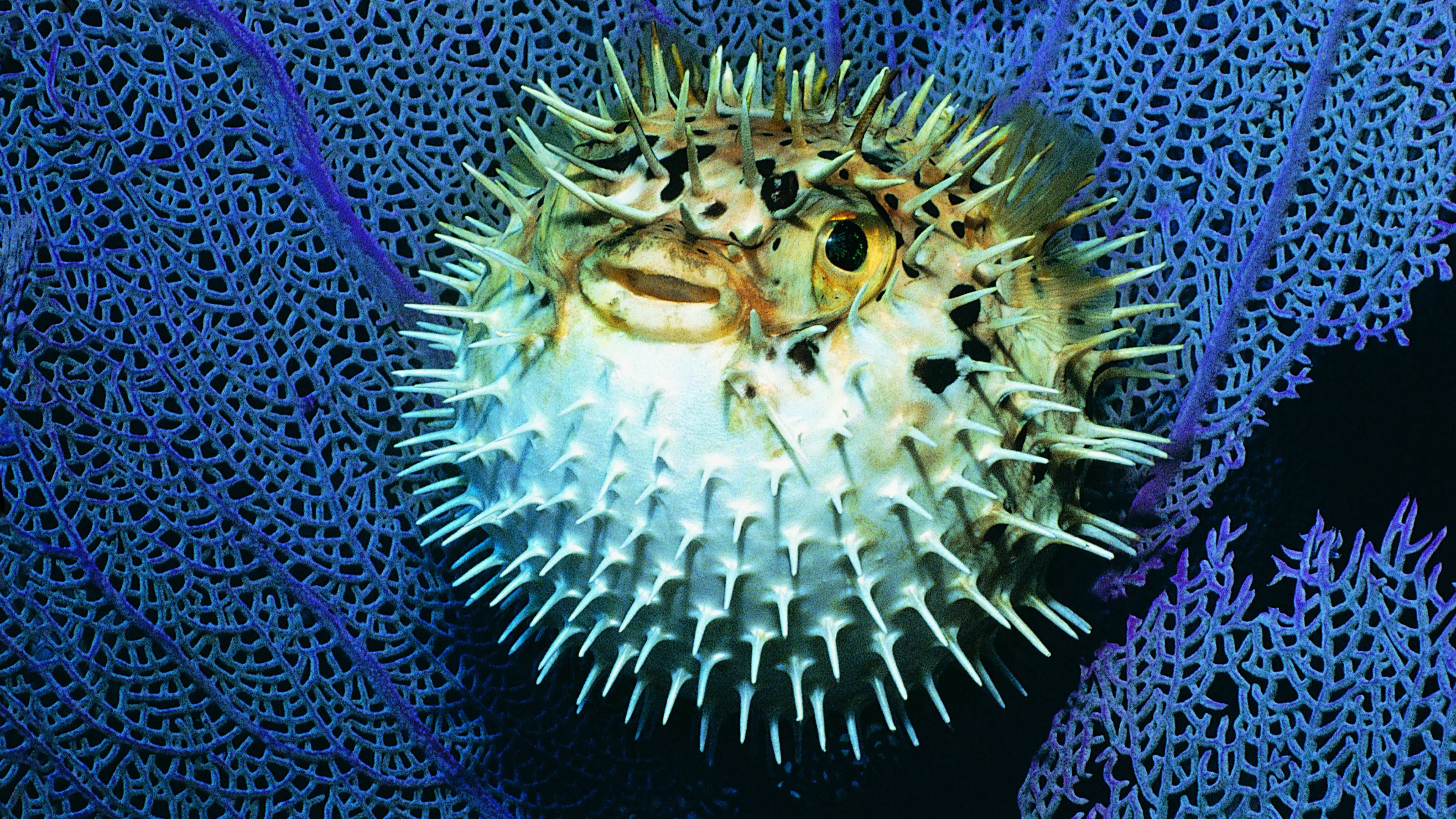
Now, for anyone who needs their animal knowledge refreshed, pufferfish are a family of fish best known for their unique ability to inflate into a ball shape, often covered in spines, to evade predators.

But what's this all got to do with the weird and wonderful world of romance?

Advert
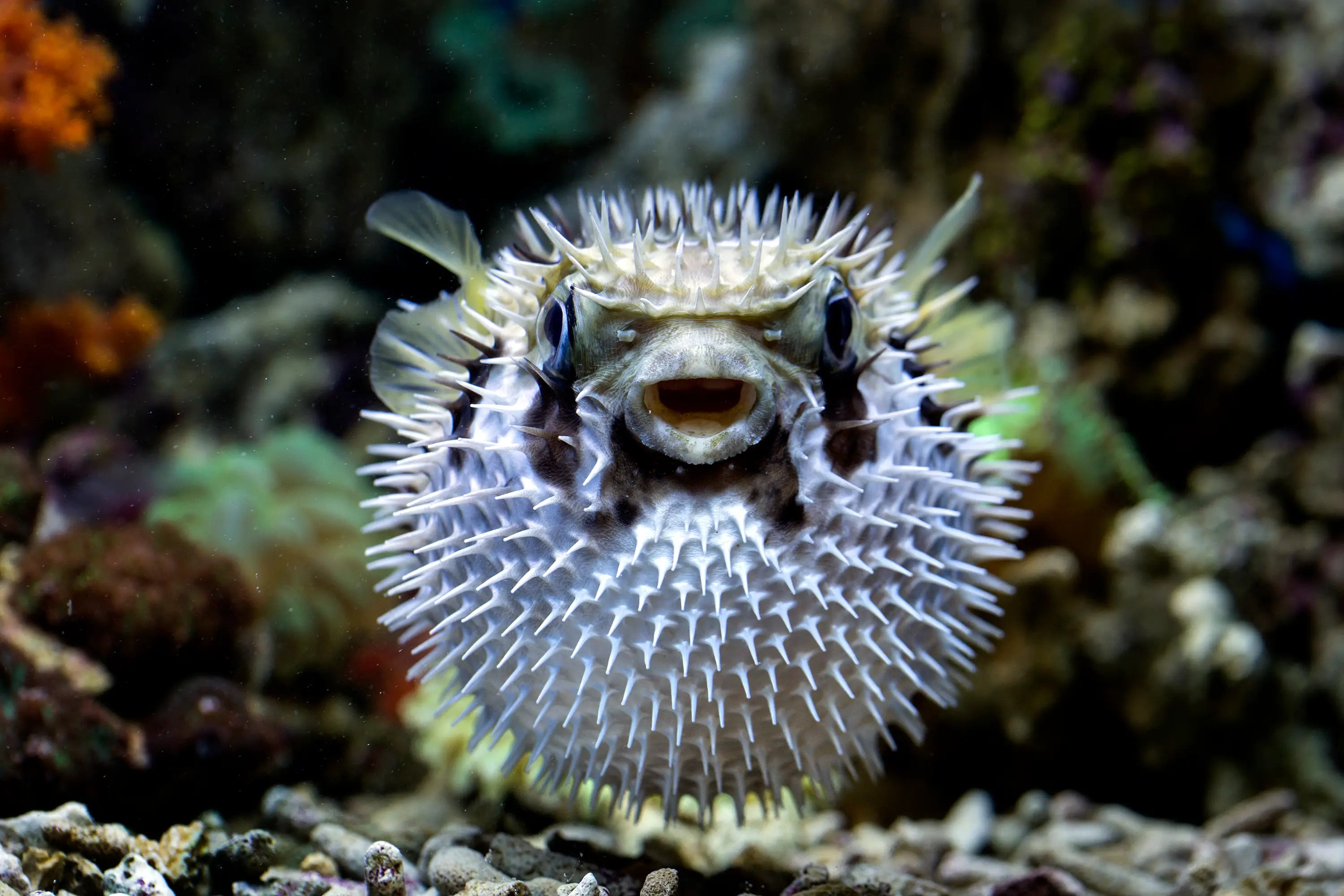
What is 'puffer-fishing' and have you been doing it without even realising? (aries / Getty Stock Images)

Well, Lisa Chen, LMFT, relationship expert and founder of Lisa Chen & Associates, a group boutique practice specialising in relationships, tells Vice: "'Puffer-fishing' is essentially emotional self-protection masked as avoidance, chaos, or mixed signals.

"This is a common occurrence with those who are avoidantly attached. Avoidantly attached individuals desire connection, but their nervous system starts to interpret intimacy as pressure or a loss of control."

Chen continued: "As a result, the person responds and 'puffs up' by becoming unavailable, critical, or confusing to regain some space from the relationship and a sense of control."

Instead of being an intentionally harmful behaviour, 'puffer-fishing' is more of a defence mechanism some individuals use to protect themselves from future heartbreak.

'Puffer-fishing' is essentially emotional self-protection masked as avoidance (Getty Stock Images)

"I often see this with my clients who are emotionally guarded, most often avoidantly attached," Chen carried on. "They want connection, but have long associated intimacy as unsafe and, as a result, self-sabotage the very thing they were hoping for, a relationship with another person."

While 'puffer-fishing' may serve you well in the short-term by keeping you 'safe', it may do you quite a lot of harm in the future by getting in the way of genuine connections.

"Healthy dating requires tolerating ambiguity and releasing a sense of control," says Chen. "Instead of withdrawing when someone starts to become closer, it’s more effective to notice the fearful part of you that is reacting to the intimacy and then communicating honestly about it."

While this may not be the easiest feat in the world, the expert highlights the importance of owning your more vulnerable side when it comes to being in a proper, functioning relationship.

"In my work, I see that real intimacy isn’t destroyed by vulnerability, but defences against vulnerability," Chen resolves.

Noted.

Choose your content:

19 hours ago
21 hours ago
2 days ago
6 days ago
  • Getty Stock Images
    19 hours ago

    'Dry orgasms' could be linked to common health conditions

    Men usually release between 1.25 and 5 millilitres of semen when they orgasm

    Sex & Relationships
  • Getty Stock Images
    21 hours ago

    'Maschalagnia' fetish that focuses on usually unloved body part soars in popularity

    Social media users have opened up about the 'primal' kink

    Sex & Relationships
  • Smith Collection/Gado/Getty Images
    2 days ago

    'Rain rot' STD usually seen in horses spreads through holiday hotspots

    Dermatophilosis is a bacterial skin infection most common in cows, horses and sheep

    Sex & Relationships
  • Supplied
    6 days ago

    'Unexpected phenomenon made me crave sex the minute my husband died'

    Nicky Wake spoke to Tyla about her experience with a phenomenon known as 'widow's fire'

    Sex & Relationships
  • 'Bio-baiting' is the latest dating trend you may want to watch out for
  • 'Sunset clause' explained as new dating trend takes Gen Z by storm
  • 'Seagulling' explained as grim new dating trend sweeps over Gen Z
  • ‘Future faking’ is the red flag dating trend you need to look out for