Salmonella symptoms to never ignore as noodles linked to international outbreak

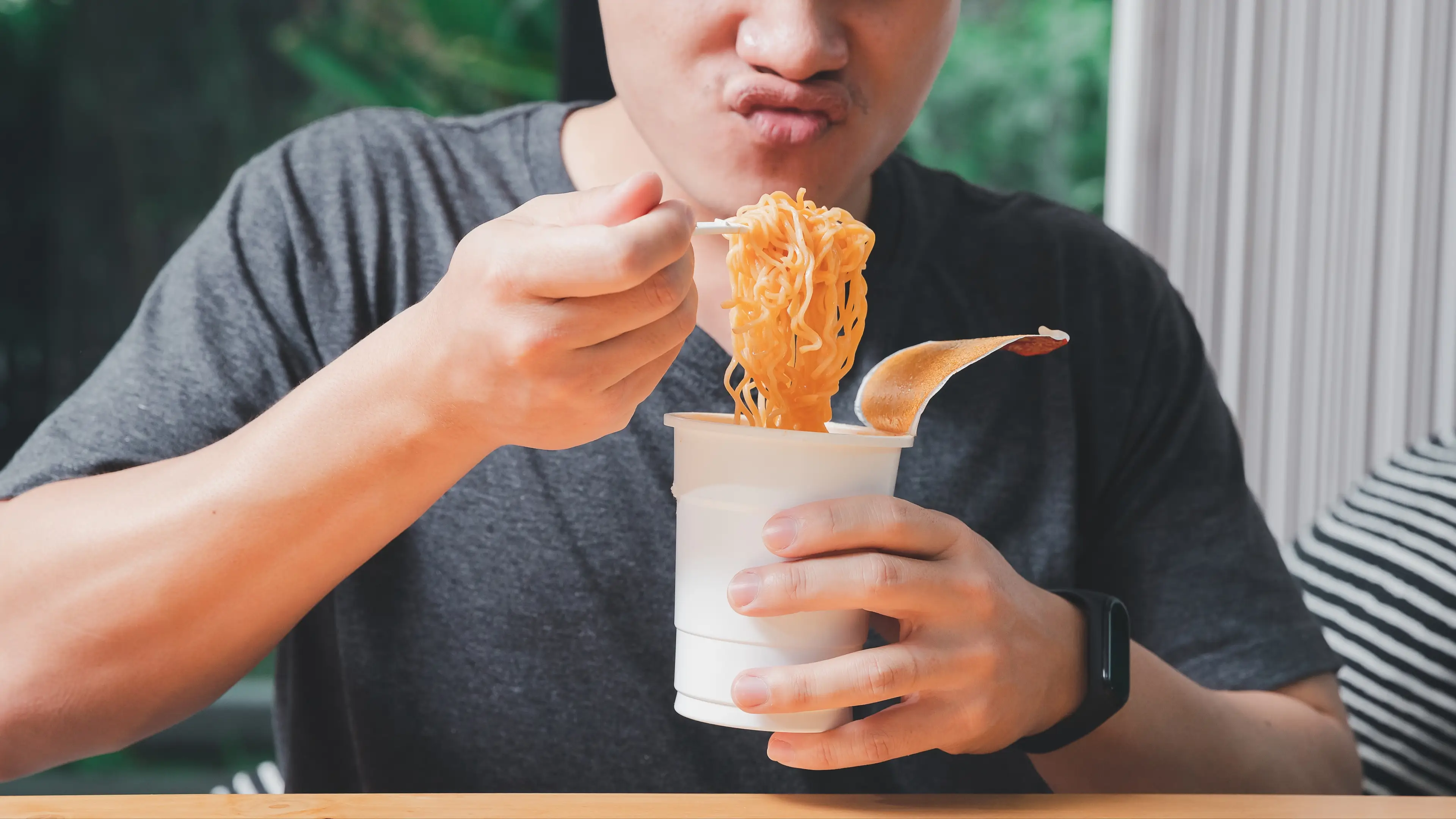
Almost 50 people, over 30 of whom were children, have been hospitalised following a major Salmonella outbreak which doctors have linked to packs of instant noodles, international health bodies report.
Traced all the way back to November of last year, the Stanley strain of Salmonella bacteria has caused a staggering 106 cases since 27 June alone, spread across 14 countries, including the UK.
The other infected nations are Austria, Denmark, Estonia, the Czech Republic, France, Germany, Hungary, Latvia, Lithuania, the Netherlands, Norway, Poland and Sweden.
Health officials in Denmark were the first to report cases linked to the S. Stanley ST2045 strain, after which patients in Denmark, Estonia, Germany, Latvia and Lithuania all admitted to having consumed the same brand of chicken-flavoured instant noodles.
Advert
What has caused the outbreak?
"Flavoured noodle products are the most likely source of an ongoing multi-country outbreak of infections, with evidence linking the cases to items from the same brand," the European Food Safety Authority (EFSA) and the European Centre for Disease Prevention and Control (ECDC) said in a joint statement.
The specific brand of noodles hasn't yet been disclosed, although the strain has been connected to a vendor in Ukraine.
The international brand Reeve Foods confirmed an 'alleged detection' of salmonella last week in a batch of noodles produced by Euro Food Service, a Ukrainian manufacturer.
A spokesperson for the company subsequently insisted that all batches had been withdrawn and that an internal probe had been launched.
"The safety of our consumers is our top priority," a Euro Food Service spokesperson added.
Of infection rates since 27 June, 49 cases reportedly resulted in full-fledged hospitalisations, and 33 have involved children younger than 10.
What are the symptoms of Salmonella?
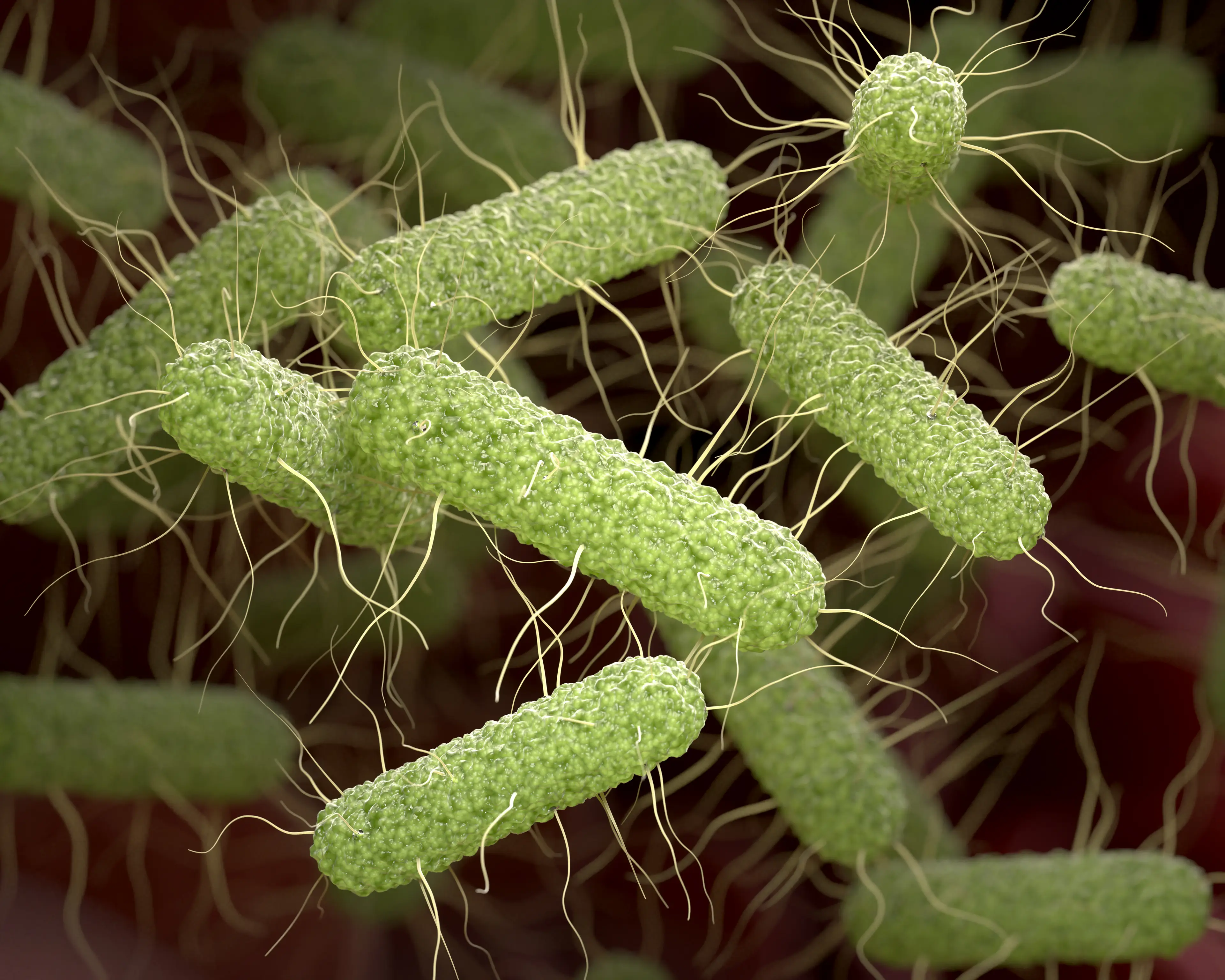
Salmonella is a group of bacteria that causes salmonellosis, a common food-borne infection that affects the intestinal tract.
People typically contract it by consuming contaminated raw or undercooked foods like poultry, eggs, and dairy, or untreated water.
Contraction usually results in food poisoning symptoms like diarrhoea, fever, nausea, vomiting and stomach cramps, which usually develop between 12 and 36 hours after consumption.
According to the Mayo Clinic, however, these symptoms can cause secondary side effects, including severe dehydration and malnutrition, both of which require immediate medical attention.
There's also the risk that infection can spread beyond the walls of the intestines, including to the appendix, causing acute abdominal pain and potentially causing life-threatening complications.
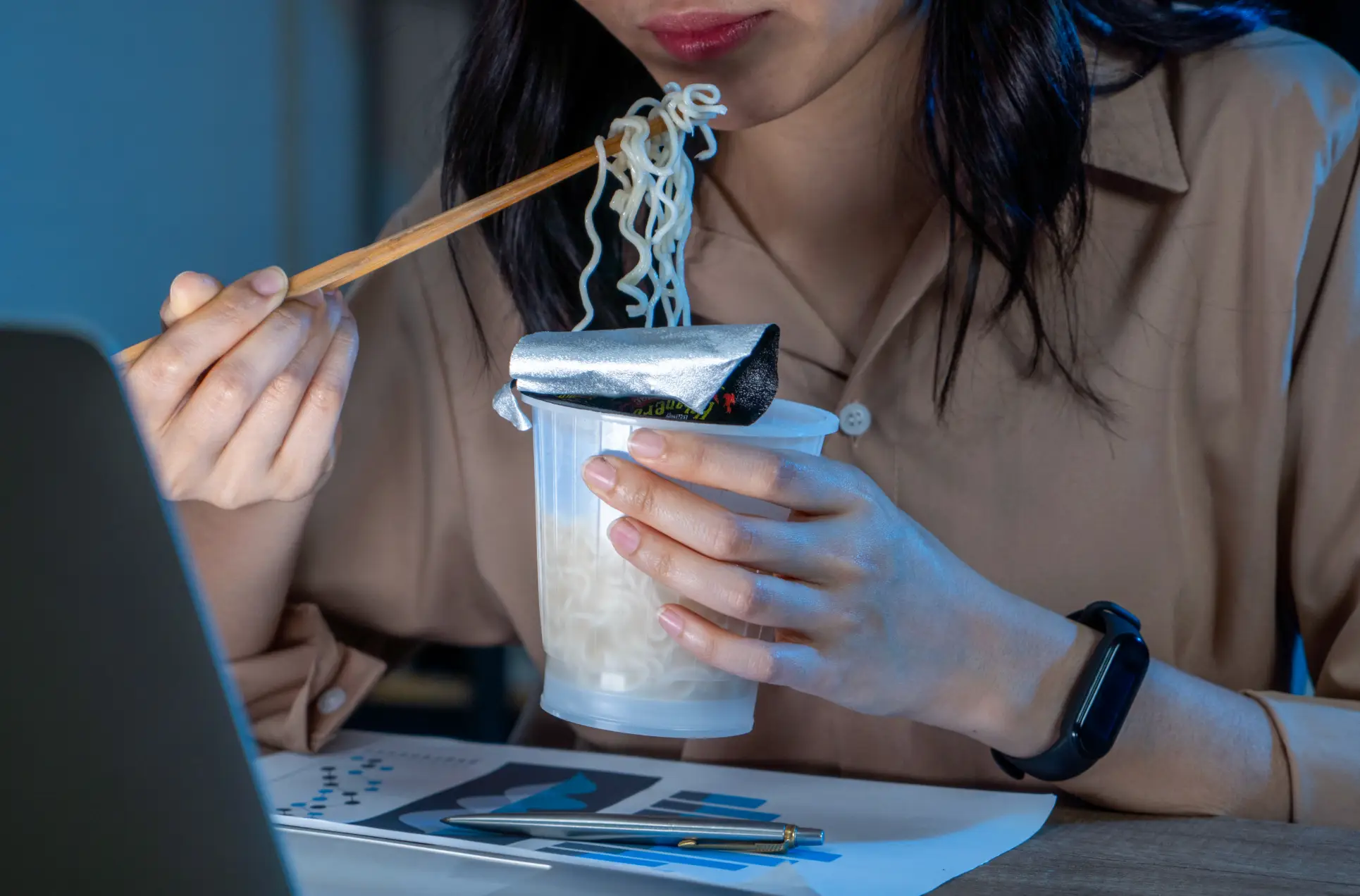
Besides the Stanley strain, other Salmonella variants have been detected in similar food products, suggesting multiple contamination sources.
"A root cause and points of contamination have not yet been established, and further investigations are needed," the EDC emphasised.
"Given that these products have a long shelf life, they may still pose a risk, as they can be stored in household kitchens for extended periods, meaning that further cases could still occur."
Topics: Health, Food and Drink, Europe, UK News, News
 Rhianna Benson