NYC marathon runner Rachel Apa's rare muscle disorder explained after 24-year-old died two miles from finish line

Questions have been raised over the nature of a rare muscle condition which tragically claimed the life of a 24-year-old woman who collapsed just two miles from the finish line of the New York City Marathon.
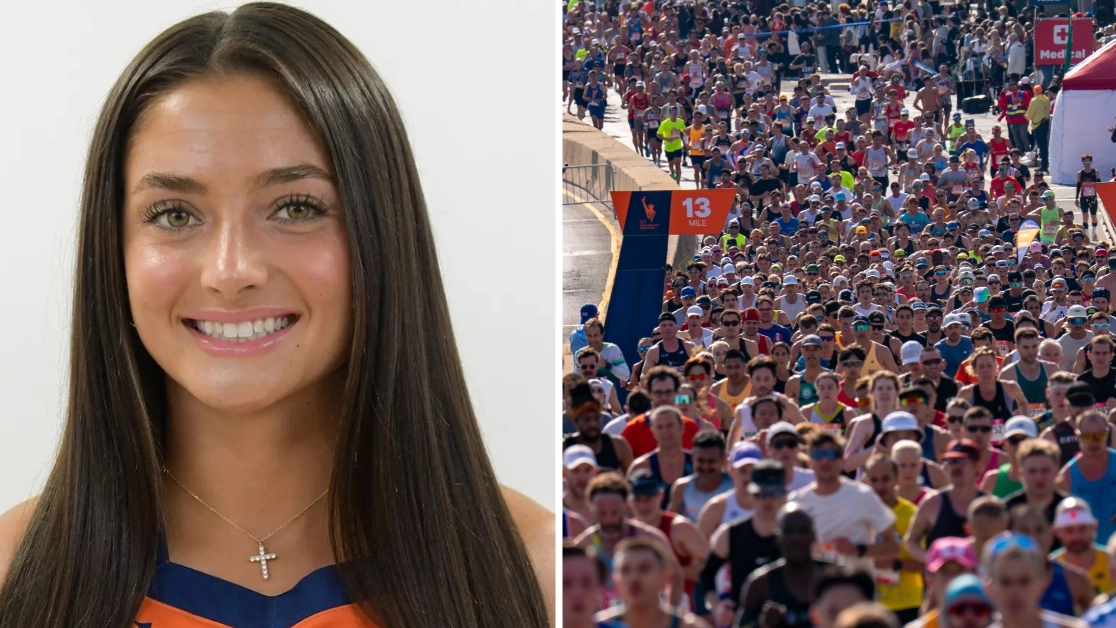
Rachel Apa, from Lewisberry, Pennsylvania, died on Sunday (2 Nov) after suffering a fatal medical emergency during her first-ever attempt at the gruelling 26.2-mile race.
Her father, Steve Apa, later confirmed that she had died from rhabdomyolysis - a potentially life-threatening condition which causes muscle tissue to break down rapidly.
While the condition is relatively uncommon, it can have devastating consequences if not recognised and treated quickly.
Advert
And given Apa was reportedly in excellent health before taking on the marathon, many heartbroken onlookers have been left questioning exactly what rhabdomyolysis is, what causes it and how it can affect the body.
What is rhabdomylosis?
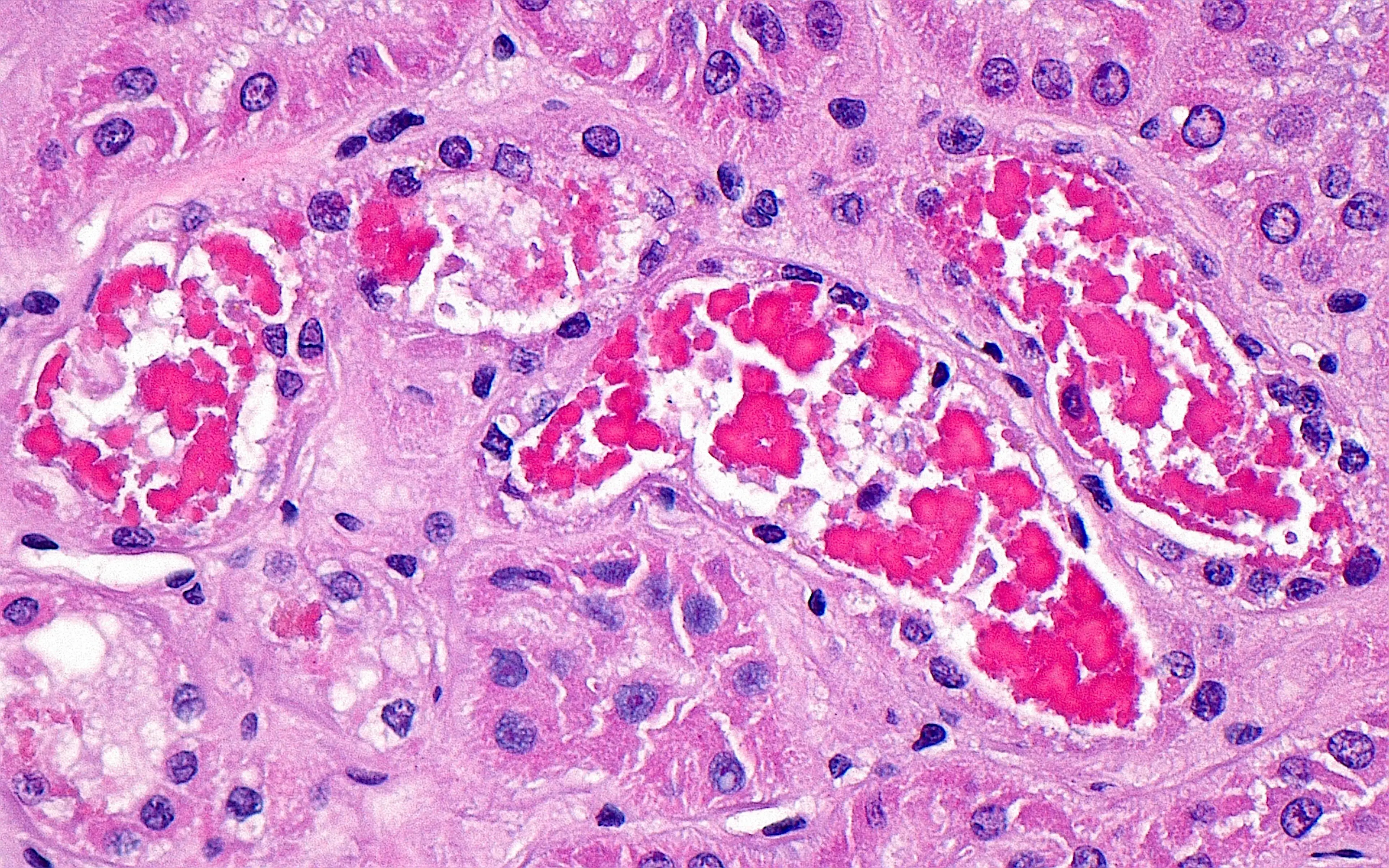
According to the Cleveland Clinic, rhabdomyolysis is a rare muscle injury which occurs when damaged muscle tissue breaks down and releases its contents into the bloodstream.

Often shortened to 'rhabdo', the condition can cause muscle fibres to deteriorate, allowing substances normally contained within them to enter the circulation - one being myoglobin, a protein which helps muscles store oxygen.
When large amounts of myoglobin enter the bloodstream, however, the kidneys can struggle to filter it out, potentially resulting in serious kidney damage or even kidney failure.
Other substances released during muscle breakdown include potassium and phosphate, which can cause dangerous imbalances in the body.
In severe cases, these complications can become life-threatening.
American health bodies estimate that around 26,000 people in the US develop rhabdomyolysis each year.
There are several possible triggers for the condition, with high-intensity, excessive physical exertion being one of them, particularly when someone pushes their body beyond its limits without allowing enough time for their muscles to recover.
This can be a particular risk for endurance athletes, including marathon runners.
It's important to note, however, that exercise isn't the only potential cause, with physical trauma, severe dehydration, overheating and certain medications also being possible triggers.

Some underlying medical conditions, including certain genetic and metabolic disorders, can increase a person's risk, too.
One of the difficulties with rhabdomyolysis is that its symptoms can vary, and they may not always be immediately obvious. The Cleveland Clinic lists muscle pain, weakness, swelling and stiffness among the most common warning signs.
Another symptom to look out for is a change in urine colour, usually darkening and sometimes resembling tea or cola.
Other possible indicators include dehydration, nausea and reduced urination.
What happened to Rachel Apa?
Apa had spent months preparing for the race, which she was taking on in honour of her late grandfather, who died from Parkinson's disease in 2022.
A former Division I field hockey player at Bucknell University, she was also raising money for Parkinson's research through her participation.
According to reports shared by her father, Apa had been messaging him throughout the race.
At around mile 18, she sent him a message reading 'Ow', followed by another a mile later which said 'Ow ow'.
Her father later encouraged her as she approached the final stages, messaging her 'final stretch' when she reached mile 23.
Tragically, she collapsed in Central Park near mile 24, with around two miles still to go.
Spectators rushed to help, with two doctors reportedly taking turns performing CPR before medical staff arrived with a defibrillator.
Apa was transported to Mount Sinai Medical Center, where doctors spent more than six hours attempting to save her life. She was pronounced dead at around 9.40pm, her father confirmed.
Speaking about the devastating loss, Steve told The New York Times: 'It's unfathomable.'
He also described his daughter as being in 'perfect health, perfect shape' at just 24 years old.
Apa's death has sent shockwaves through the running community, with New York Road Runners, the organisation behind the marathon, expressing its condolences to her loved ones.
 Rhianna Benson