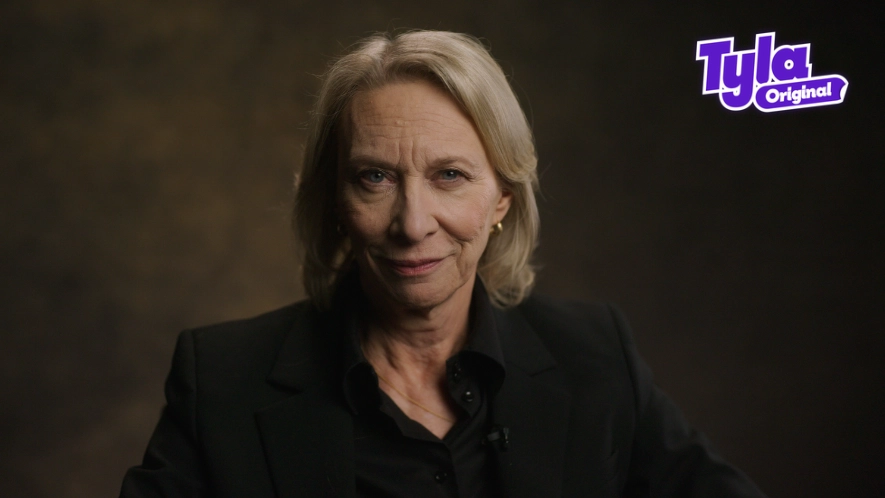
Woman who investigated thousands of deaths explains why she's no longer afraid of dying

After investigating approximately 5,500 deaths, including hundreds of homicides, former New York City death investigator Barbara Butcher has a very different perspective on what happens when we die.
For most of us, death is something we try not to think about - whether that be the thought of losing someone we love, or confronting our own mortality. It's hardly a subject many people are eager to discuss.
But for Butcher, death was her job for more than a decade.
In her former, decade-long role under the New York City Office of Chief Medical Examiner, she was handed the responsibility of tackling thousands of morbid cases, including 680 homicides.
Advert
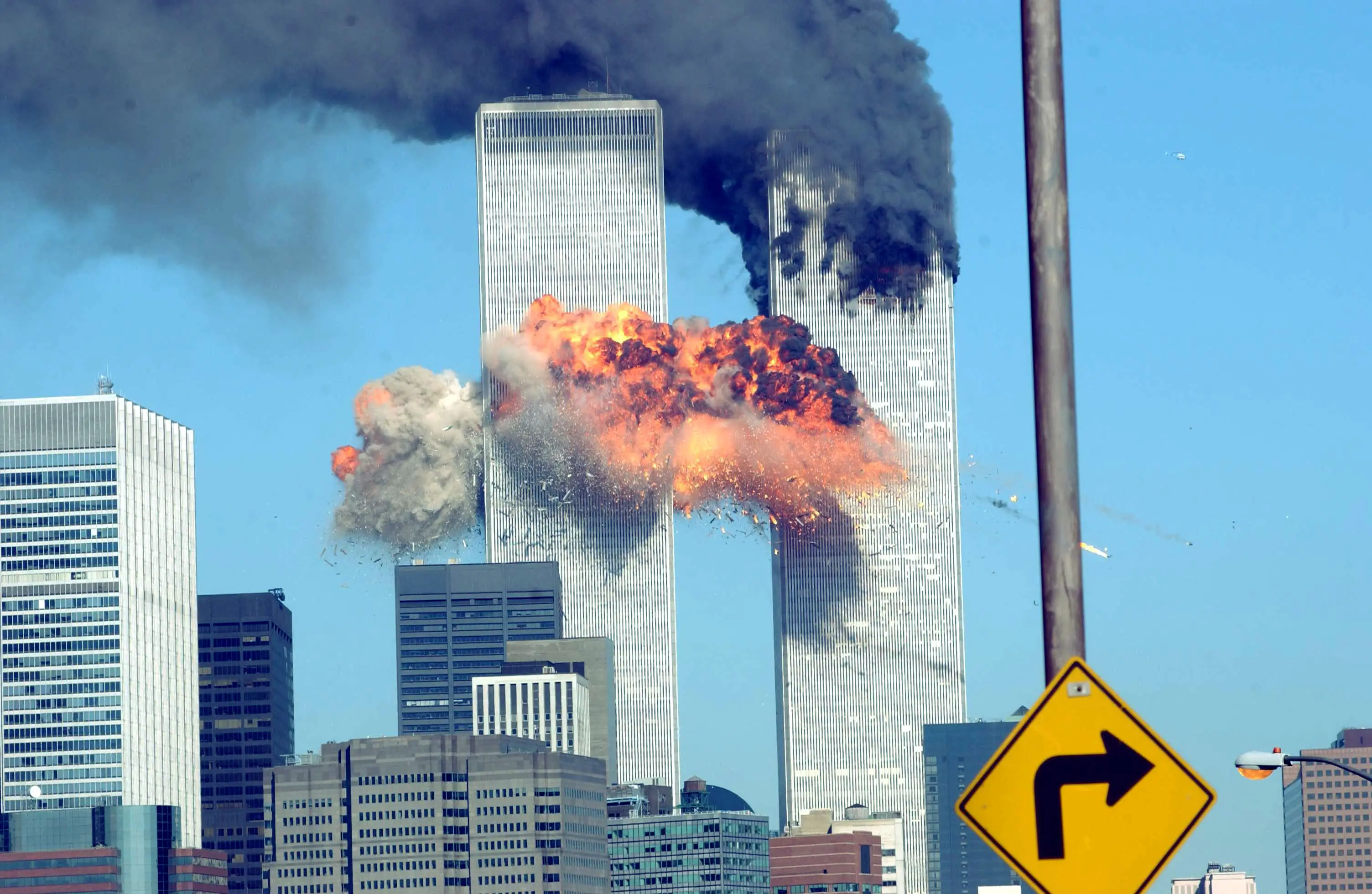
Her work took her into some of the most disturbing crime scenes imaginable, brought her face-to-face with serial killers and saw her help identify victims of the September 11 attacks.
But despite witnessing the devastating realities of death, Butcher says she no longer fears it herself, and her reasoning is rather unexpected.
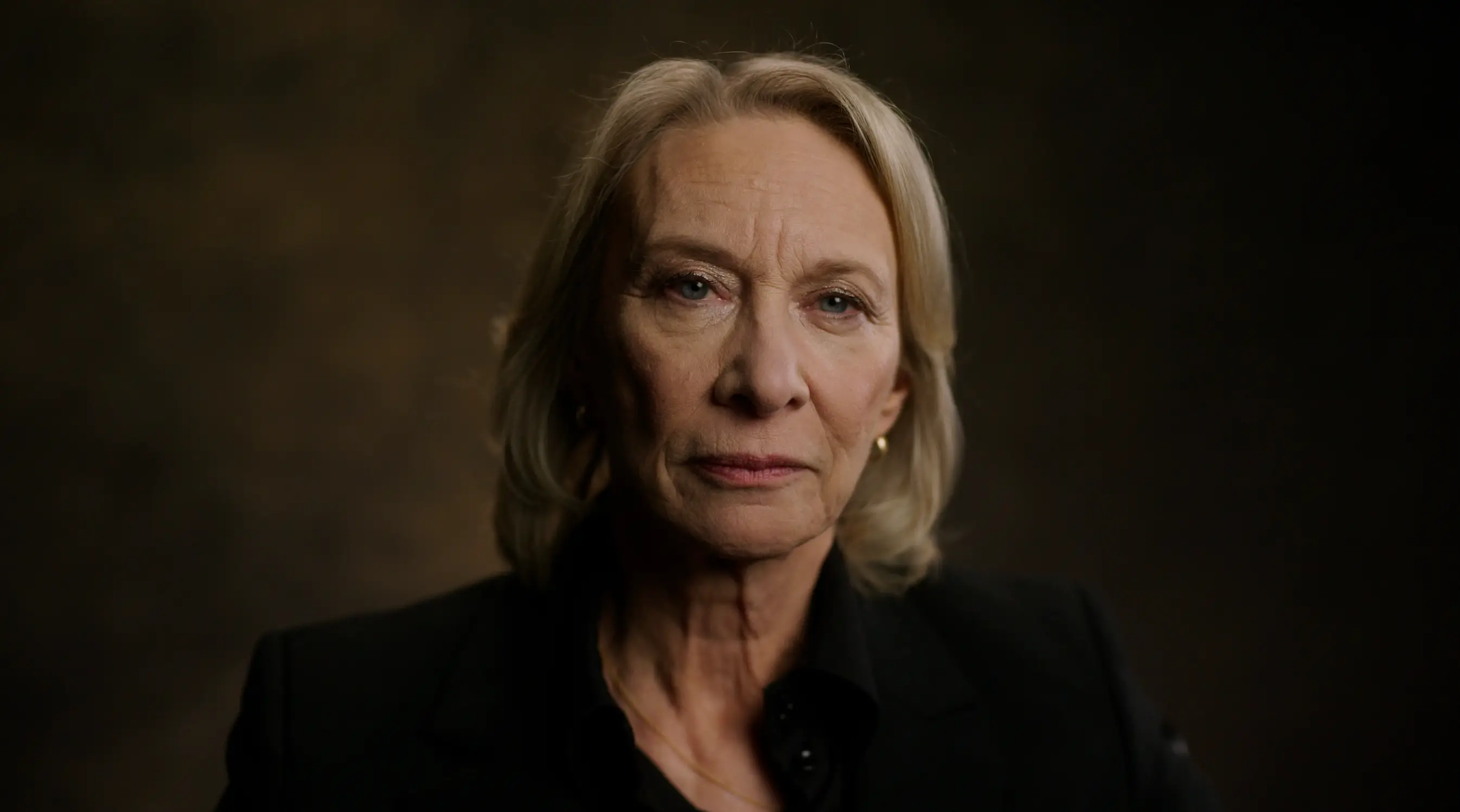
'I want to see what the universe is about'
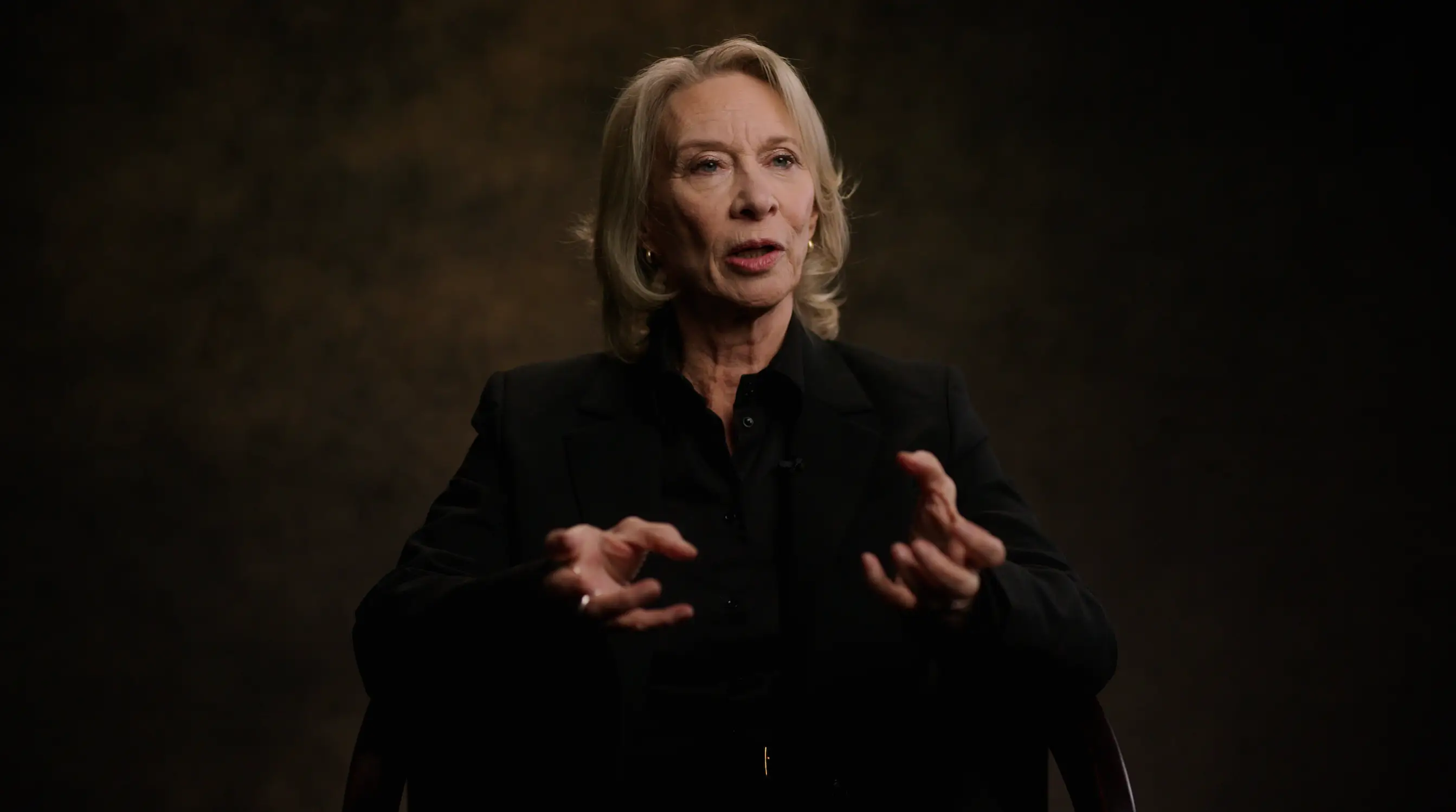
Speaking to LADbible recently for their Minutes With series, she was asked whether everything she'd experienced throughout her career had changed how she felt about dying.
Her answer was a fascinating insight into how she views the one thing that is ultimately inevitable for all of us.
"No, I don't want to die because I'm having so much fun now," Butcher claimed. "Life is wonderful and I want every second of it.
"And, uh, but when it happens, no, I don't fear it. Because then I'll get to know what happened. What is it? I want to see what the universe is about."
She went on to describe what she considers to be the ultimate version of heaven: "And to me, true heaven is when they tell you everything. This is what happened. This is how the universe came about.
"This is how people were created. That's going to be something."
It's an intriguing outlook from someone who has spent so much of her life investigating how people meet their end.
Butcher's fascination with death actually began when she was a child growing up in the Big Apple.
'I would dissect them to figure out how they died'
The eldest of nine siblings, she recalled being given a dissecting kit, chemistry set and microscope when she was young.
While other children might have been playing with toys, Butcher was examining dead animals brought to her by neighbourhood kids, trying to work out exactly how they had died.
"I was already investigating deaths when I was a small child," she recalled. "I would dissect them to figure out how they died."
Her unusual childhood interest eventually became her career, after she initially worked as a physician assistant and later became a hospital director.
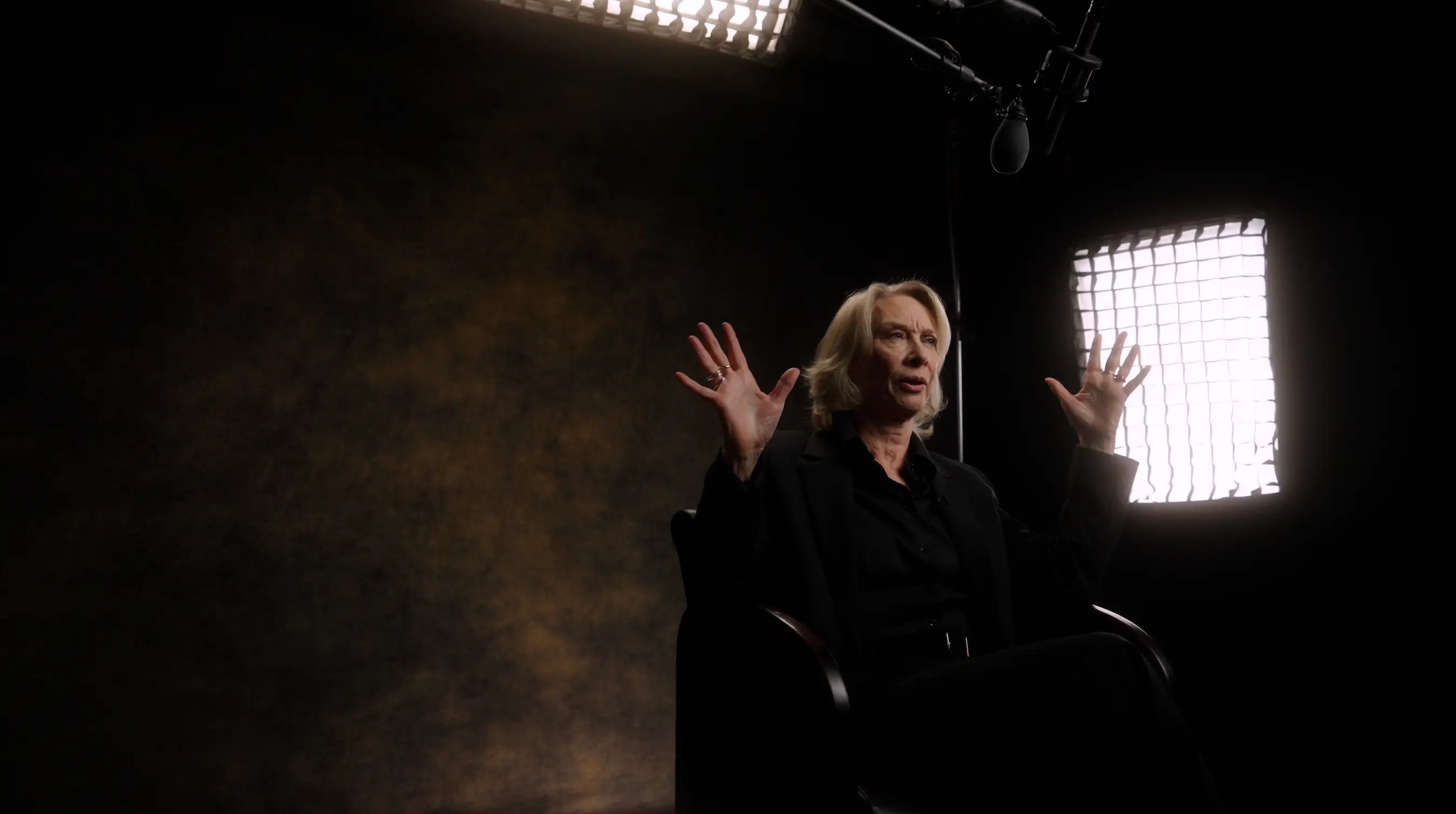
But feeling bored with her position, Butcher sought career advice and was told she should consider becoming either a poultry veterinarian or a coroner.
She subsequently approached New York City's chief medical examiner, Dr Charles Hirsch, for an informational interview.
The conversation went so well that she was offered a job as a death investigator, something she described as a childhood dream come true.
"I said, 'Oh hell yes'," she remembered.
Butcher went on to receive specialist training, including at the FBI Academy and NYPD homicide school, before investigating cases independently.
Her profession wasn't always easy, however, and during her career, she encountered unimaginable tragedies, including murdered children, horrific accidents and people who had died alone.
'Everything to me was a tragedy about to happen'
She also witnessed the devastating aftermath of the 9/11 attacks, when she helped examine and identify human remains brought to the medical examiner's office - an experience that left her with PTSD and a heightened fear that something terrible could happen at any moment.
Butcher explained that she became terrified of walking past tall buildings, worried they might collapse, while fire and explosions also became constant sources of anxiety.
"I could no longer walk past a tall building," she recalled. "I'd have to cross to the other side because I thought, what if it collapses?
"I was terrified all the time of fire, of explosions. It just became like a regular thing. And so I became, um - what do they call it? Hyperaware, with catastrophic thinking. Everything to me was a tragedy about to happen."
Years of therapy helped her understand that catastrophic events were rare, however, and that life could still be safe and beautiful.
'Life is not evil'
She also revealed that one of the most important lessons she learned during her career came from a pathologist who advised her to surround herself with beauty after witnessing such horrific things.
"Look at art, listen to music, hug a tree, see nature, and love," the pathologist reportedly told her.
Butcher eventually took that advice to heart, moving to a little place in the country where she could spend time with her dog, two cats and the surrounding trees.
"It reminded me that life is not evil," she said.
And while her career exposed her to some of humanity's darkest moments, Butcher says the thing she's proudest of isn't the number of cases she investigated.
Instead, it's the answers she was able to give grieving families.
She explained that she couldn't save the people who had died, but she could help their loved ones understand what had happened and, in some cases, bring those responsible to justice.
"You know, I couldn't save lives, but I could do one thing important, and that is give answers to the families," Butcher explained. "I could get justice for the victims, but mostly it was working for the families.
"When it's the worst day of your life and someone you love was just killed, and you don't understand what happened. Who did this? How did he die?"
Now, having spent years trying to understand the circumstances surrounding other people's deaths, Butcher has seemingly made peace with the mystery of her own.
Topics: Real Life, True Life, Crime, True Crime, US News
 Rhianna Benson