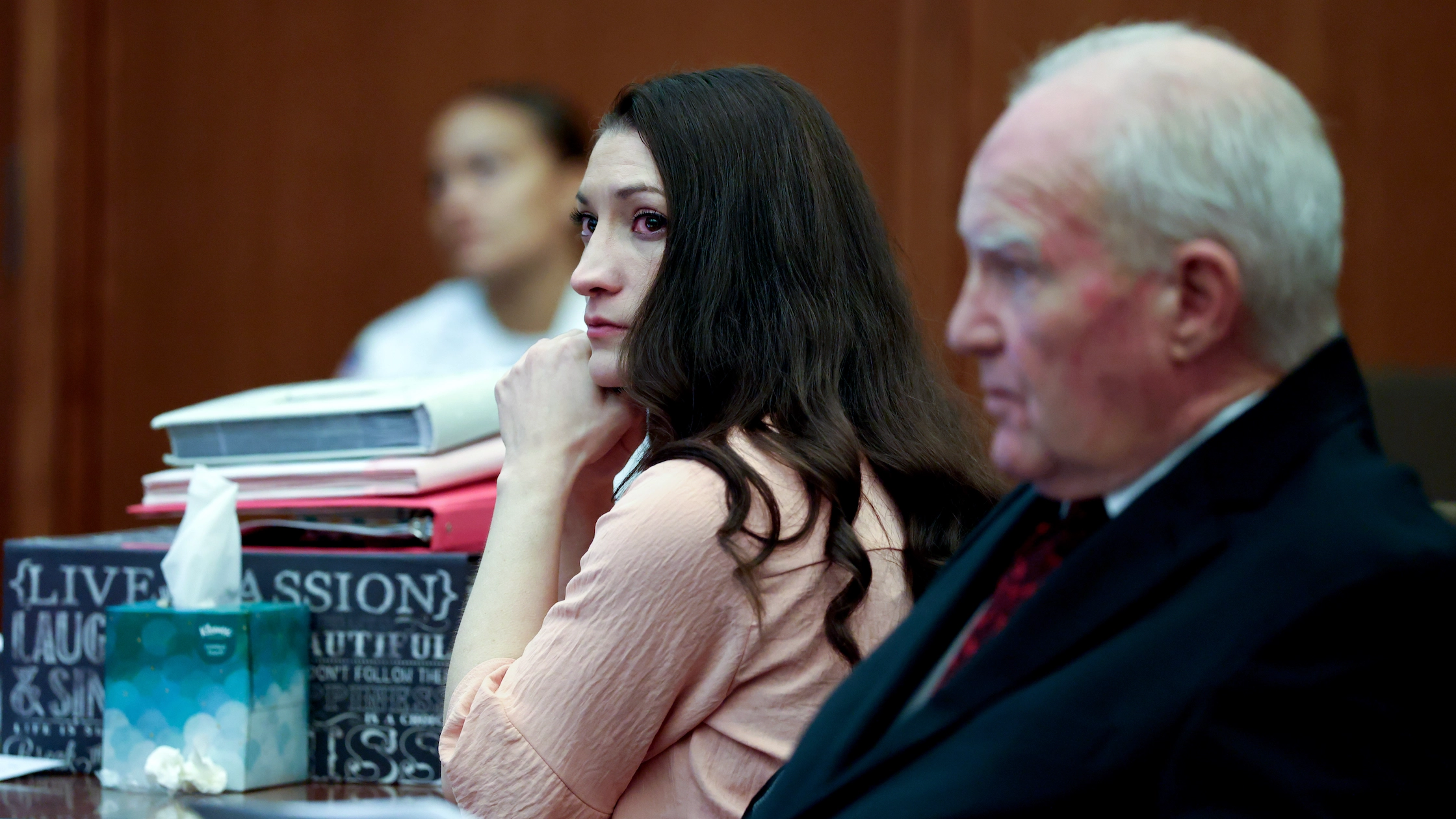
What will happen if the jury can't reach a verdict in the Lindsay Clancy case

Warning: This article contains discussion of suicide and child loss which some readers may find distressing.
After more than five weeks of evidence, emotional testimony and expert arguments over the state of Lindsay Clancy's mental health, her murder trial has reached a crucial point - but the jury still can't agree.
Twice now, a spokesperson for the 12-man jury has been forced to tell Judge William Sullivan they are deadlocked over whether Clancy was criminally responsible for killing her three children.
They were sent back to deliberate for a sixth day earlier today (3 Sept), after being instructed for a final time to reach a unanimous decision.
Advert
Unsurprisingly, the update has raised one vital question - what actually happens if the group simply can't agree on a verdict?
What is Lindsay Clancy accused of?
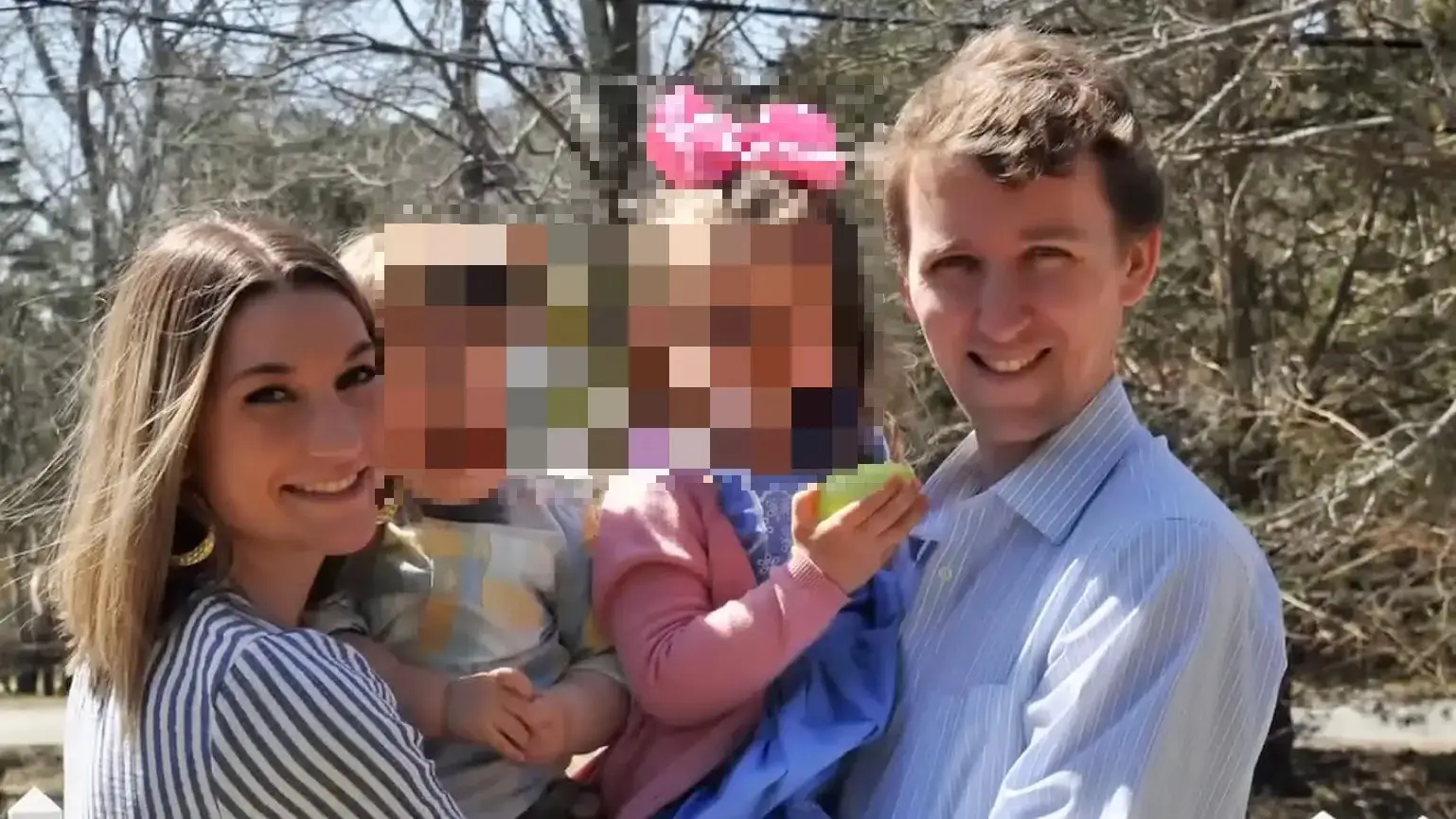
The defendant, 36, stands accused by prosecutors of 'intentionally' killing her three children in January 2023 before attempting to take her own life, which left her paralysed from the waist down.
Plymouth County Assistant District Attorney, Shanan Buckingham, previously said in court: "One by one, [Lindsay] grabbed exercise bands around each one of the kids’ necks and pulled until their little bodies were limp and lifeless."
Clancy doesn't deny killing daughter Cora, five, and sons Dawson, three, and Callan, eight months, with a resistance band in their Massachusetts home.
She and her defence team insist, however, that the former labour and delivery nurse had been suffering from postpartum psychosis at the time, and should not be held criminally responsible for the children's deaths.
Evidence presented during the trial showed that Clancy's mental health had deteriorated significantly in the months before the killings.
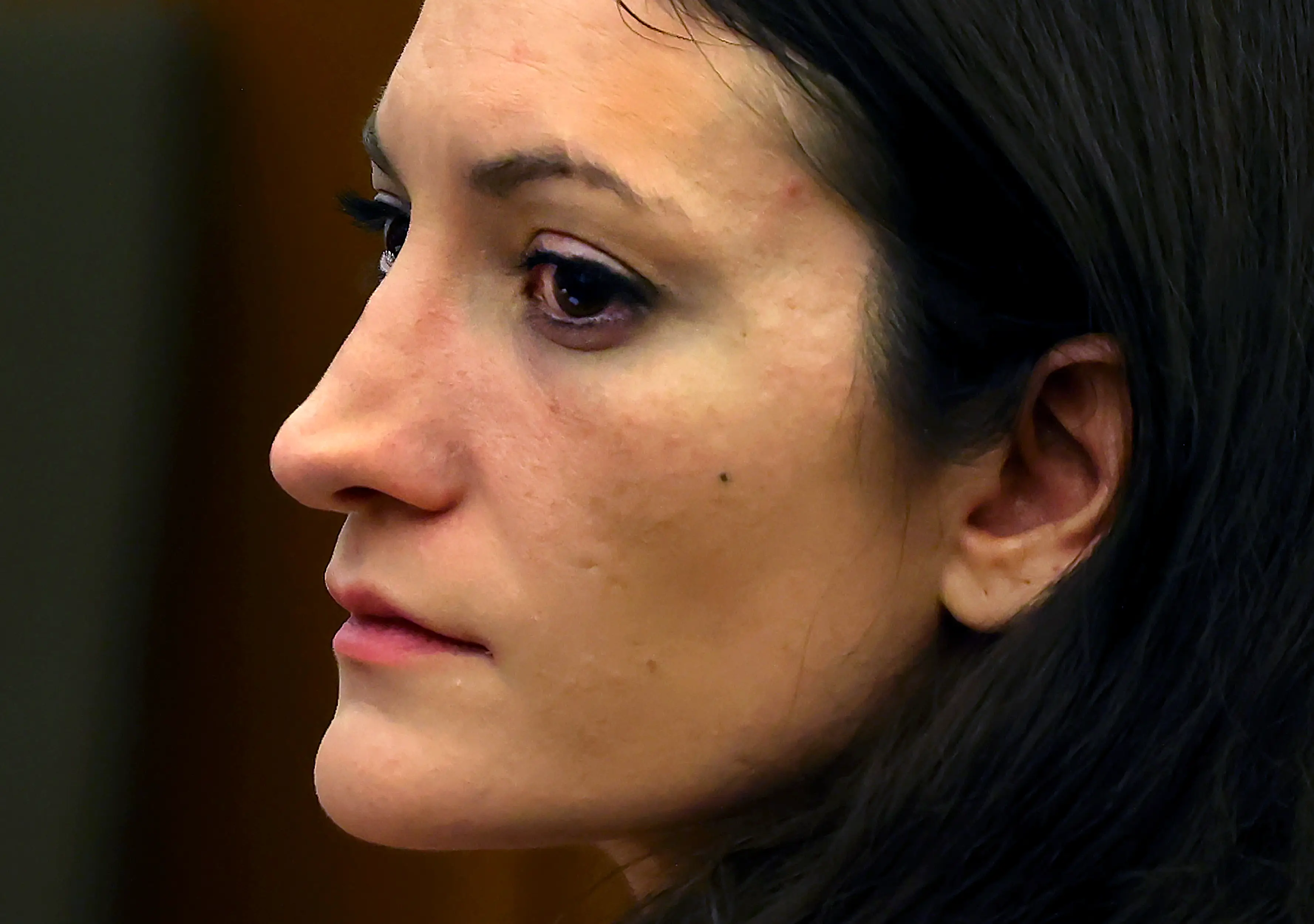
Her mother previously told the court that Clancy had messaged her saying medication prescribed for anxiety had made things worse, while she had also spoken about thoughts of harming her children.
Forensic psychologist Dr Kirk Heilbrun testified that Clancy experienced what he described as 'altruistic filicide', believing her children would suffer without her and that killing them would allow them to be together in heaven.
He also testified that Clancy reported hearing a male voice telling her to kill the children before killing herself.
Her own husband, Patrick, who has since divorced her and remarried, even backed Clancy's defence.
Appearing in court last month, he told the judge that his ex-wife had been 'very depressed' before the alleged attack, and that in the immediate month prior, 'her big spiral started'.
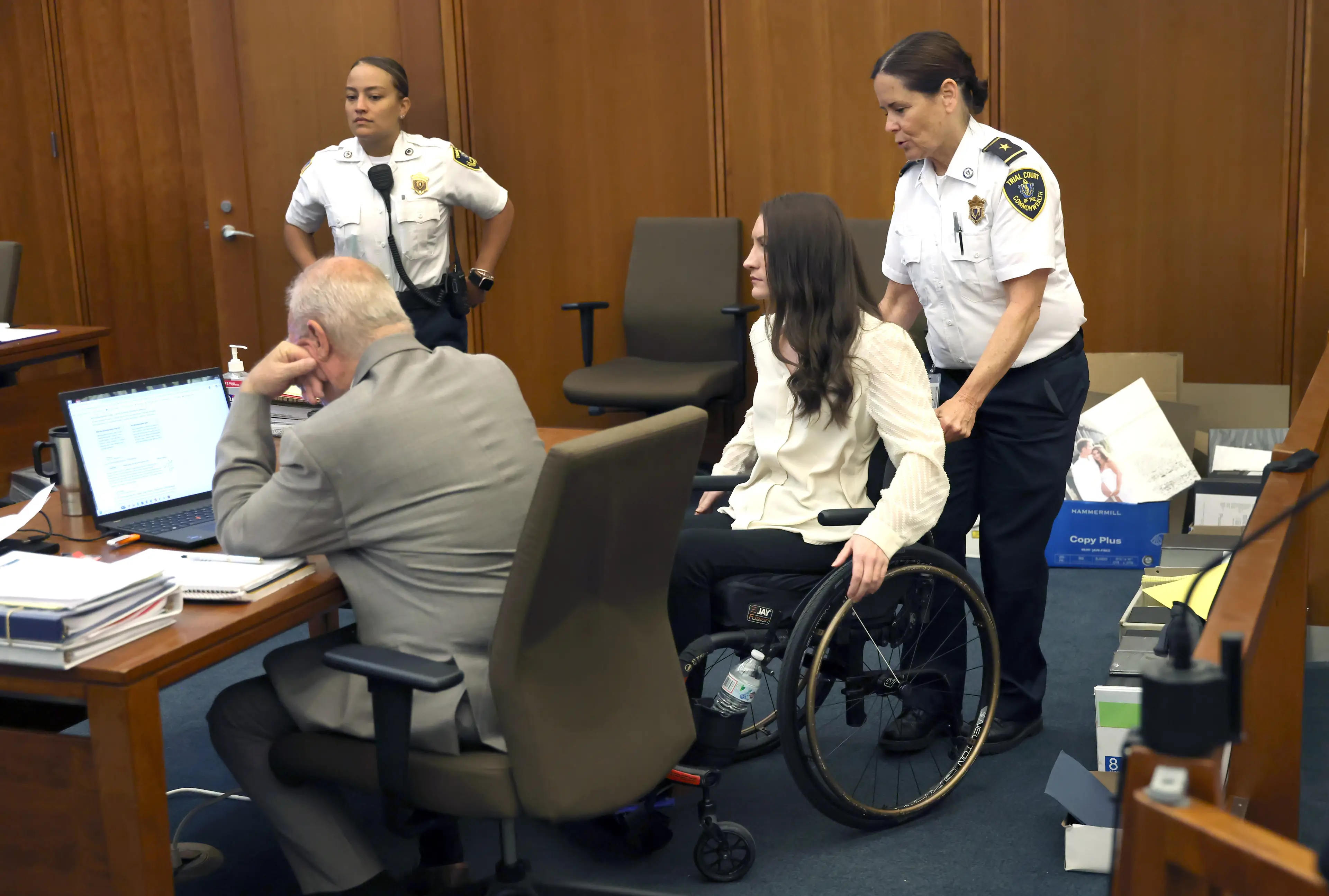
Patrick supported Clancy in filing a civil lawsuit earlier this year, accusing her medical providers of both failing to issue a proper diagnosis and not monitoring her 'severe postpartum psychiatric condition' after prescribing her treatment.
What are the possible verdicts?
First-degree murder: Clancy would face life in prison without the possibility of parole.
Second-degree murder: This is still a life sentence, but with the possibility of parole after a period of imprisonment.
Manslaughter: This would mean the jury rejected murder but found Clancy responsible for causing the deaths through reckless conduct. It carries a potential sentence of up to 20 years in prison per count.
Not guilty by reason of lack of criminal responsibility: This is the outcome Clancy's defence is fighting for. It would not simply mean she walks out of court. She would undergo psychiatric evaluation and could be committed to a mental health facility indefinitely, depending on whether she is considered a danger to herself or others.

Not guilty: A full acquittal is another possible verdict, although the case has largely centred on whether Clancy should be considered criminally responsible rather than whether she carried out the killings.
So, what if they remain deadlocked?
If the jurors ultimately cannot reach a unanimous verdict, Judge Sullivan can declare a mistrial.
That would mean there is no verdict, and, crucially, it would not mean Clancy had been found innocent.
The case would essentially return to the position it was in before the trial. Clancy would remain charged with murder, and prosecutors would then have to decide what happens next.
The most obvious option would be a new trial with a new jury.
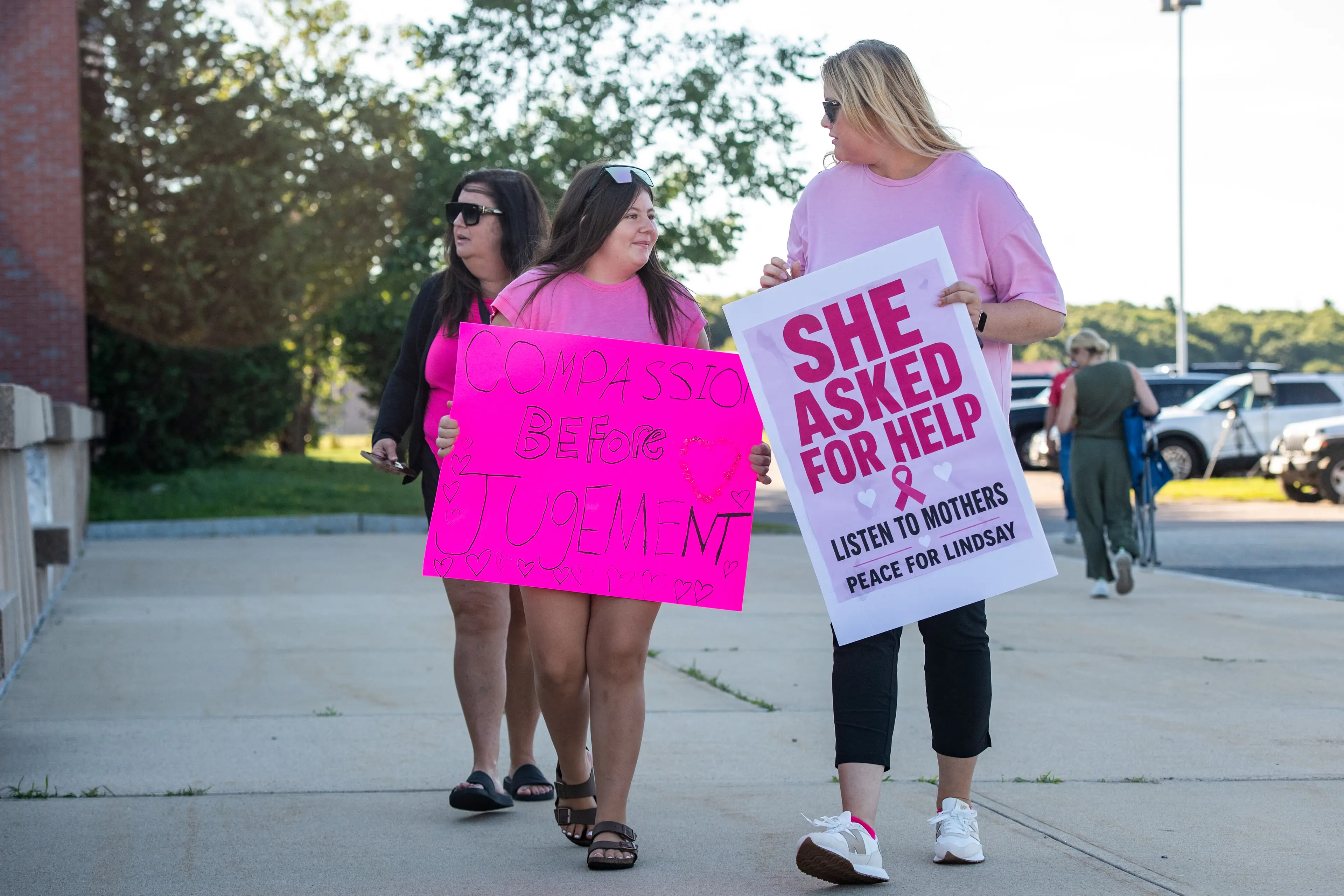
But prosecutors could also explore a plea deal with Clancy's defence team, or, although considered less likely, decide not to prosecute the case again.
Boston defence attorney and former prosecutor Brad Bailey told Spectrum Local News: "Any time the threat of a retrial with murder one hanging over the client is re-interjected, defence lawyers will, at the very least, explore whether or not there's any interest in a resolution.
There's also the slim chance that the district attorney's office could decide to not retry the case.
"Sometimes they decide not to, because of the sense that there may be the same result each time they try it, and because of the expenditures involved in trying the case to begin with, particularly when you have expert witnesses," Bailey added. "Those are going to be expensive cases."
 Rhianna Benson