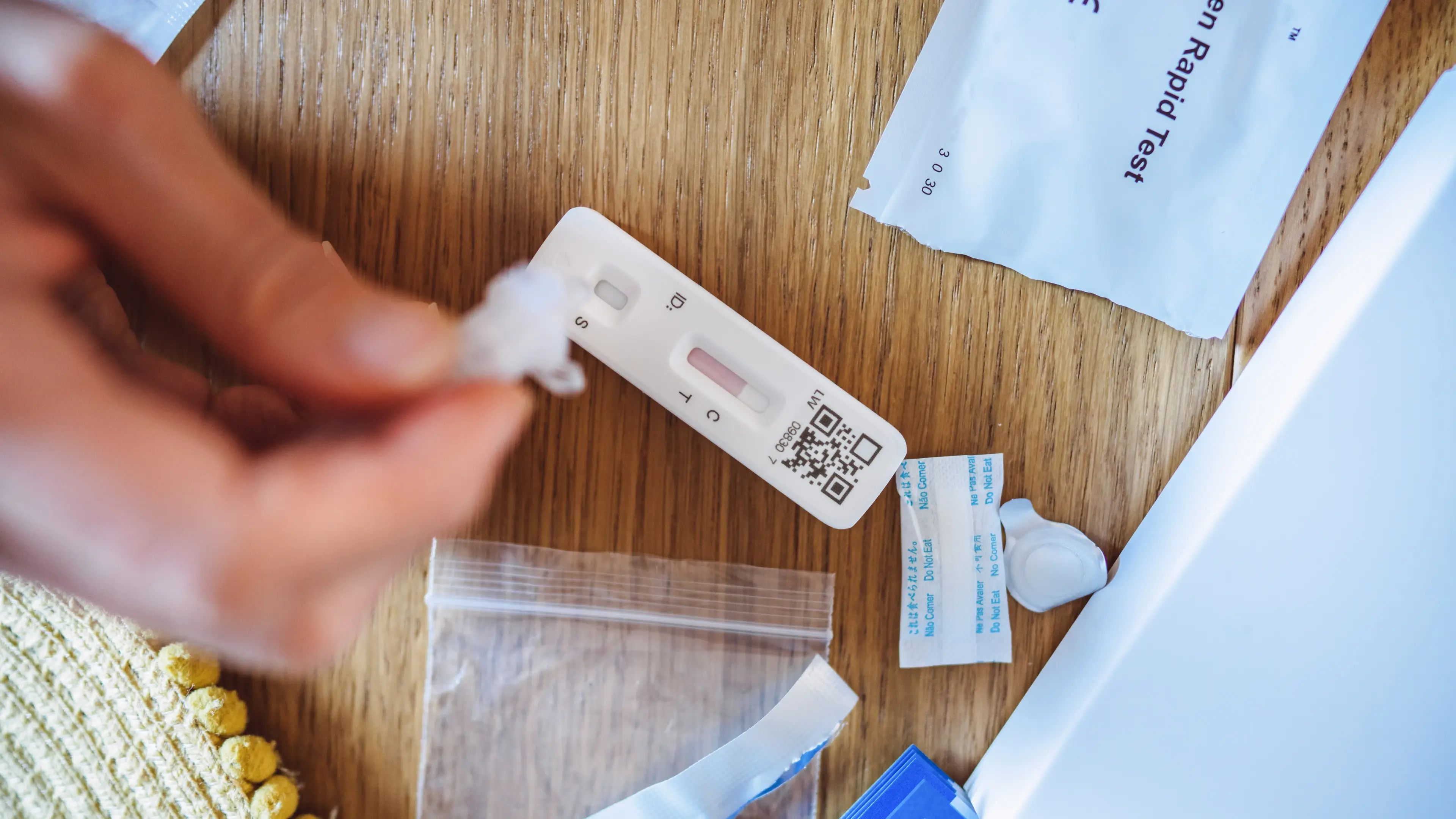
‘XFG’ Covid strain symptoms to be aware of after surge in UK cases prompts warning for parents

Just when we thought we'd heard the last of Covid, a rise in infections has sparked fresh concern ahead of the winter months.
The latest figures show a significant increase in cases across the UK, with a strain known as ‘XFG’, or 'Stratus', among those currently circulating.
While there's no evidence that the variant causes more severe illness than previous strains, health officials have warned parents about the guidance for children who become unwell.
According to figures reported by The Independent, recorded Covid cases rose from 1,374 in August to 4,589 in September, representing an increase of 230 percent.
Advert
Hospital admissions also climbed considerably over the same period, rising from 950 to 4,939.
The figures have understandably raised questions about the symptoms people should be looking out for, particularly as children return to classrooms and seasonal illnesses become more common.

What are the symptoms of the XFG Covid variant?
The XFG strain, which has also been nicknamed 'American Covid', is a combination of two earlier variants, LF.7 and LP.8.1.2.
Despite its different name, the symptoms aren't particularly different from those we've become familiar with over the past few years.
According to the NHS, symptoms of Covid can include:
- A high temperature or chills
- A new, continuous cough
- A sore throat or hoarse voice
- Feeling unusually tired or exhausted
- Headaches and body aches
- A blocked or runny nose
- Shortness of breath
- Changes to taste or smell
- Feeling sick or having diarrhoea
Of course, many of these symptoms overlap with the common cold and flu, making it difficult to tell which illness someone has based on symptoms alone.
The UK Health Security Agency (UKHSA) has also reassured the public that current variants don't appear to be causing more serious illness.
Alex Allen, consultant epidemiologist at the UKHSA, previously said: "While Covid-19 activity has shown some recent increases, cases remain at low levels in the UK."
What is the NHS warning for parents?
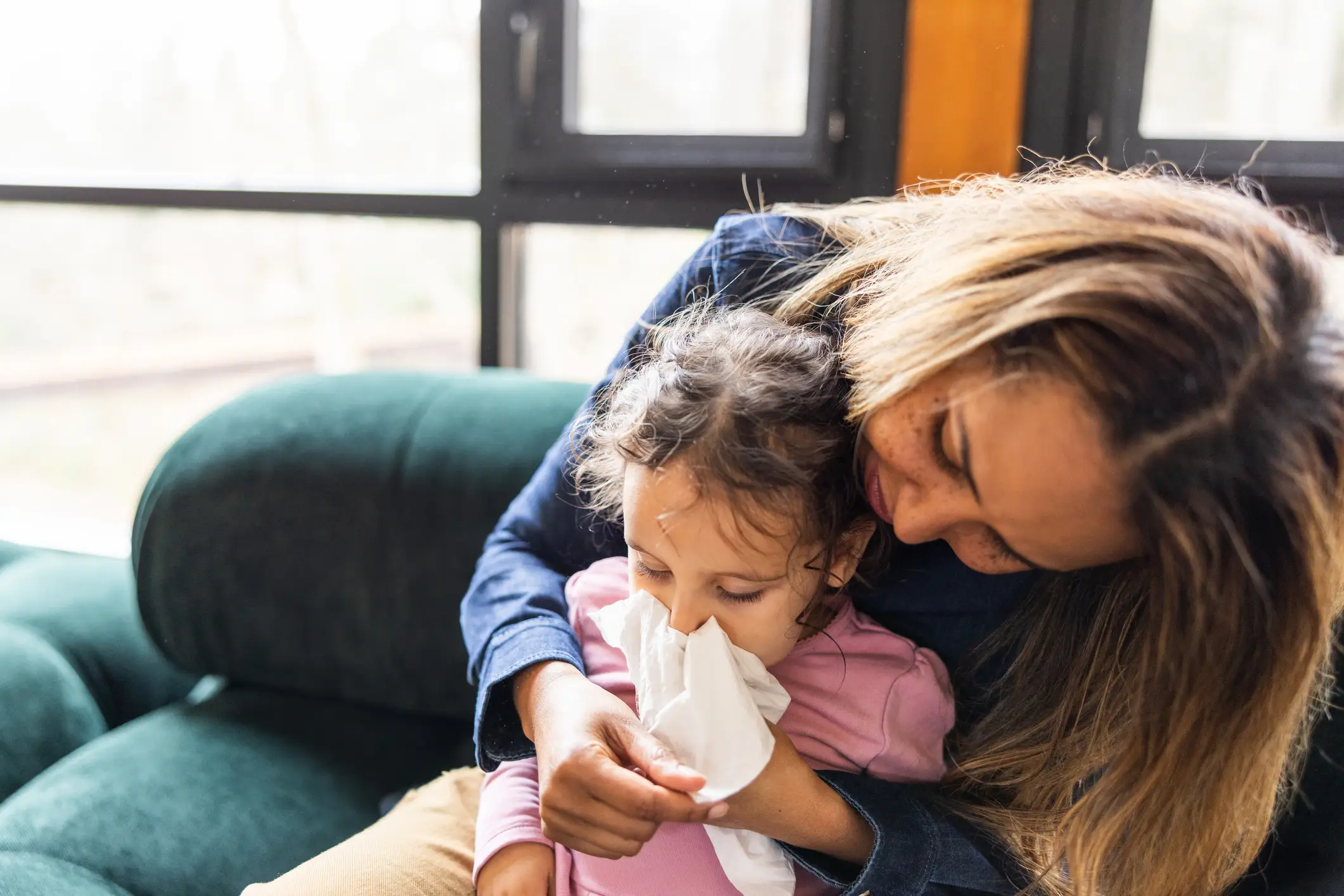
One particularly important piece of advice concerns how long children should stay away from others after testing positive.
Cases have been rising for younger children, says the NHS, via Bristol Live.
While adults are advised to avoid contact with other people for five days following a positive Covid test, the recommended period for under-18s is three days.
The NHS explains that children and young people generally remain infectious for less time than adults.
However, this doesn't mean parents should send their children back to school while they're still feeling poorly.
If a child has a high temperature or isn't well enough to attend school, nursery or childcare, they should remain at home until they're feeling better.
Children experiencing mild symptoms, such as a runny nose or slight cough, can still attend school if they're otherwise well.
Anyone who tests positive should also avoid contact with people who are particularly vulnerable to serious illness for 10 days after taking their test.
Parents should seek medical advice if their child's symptoms worsen, while serious breathing difficulties require emergency attention.
For now, health officials are continuing to monitor the rise in infections as the colder weather approaches.
The UKHSA has stressed that there's currently no indication XFG is more dangerous than other circulating variants, although eligible people are being encouraged to take up their seasonal vaccinations.
With coughs, colds and flu already doing the rounds, knowing when to keep little ones at home could help prevent further infections.
Topics: Health, NHS, Coronavirus, UK News
 Jen Thomas