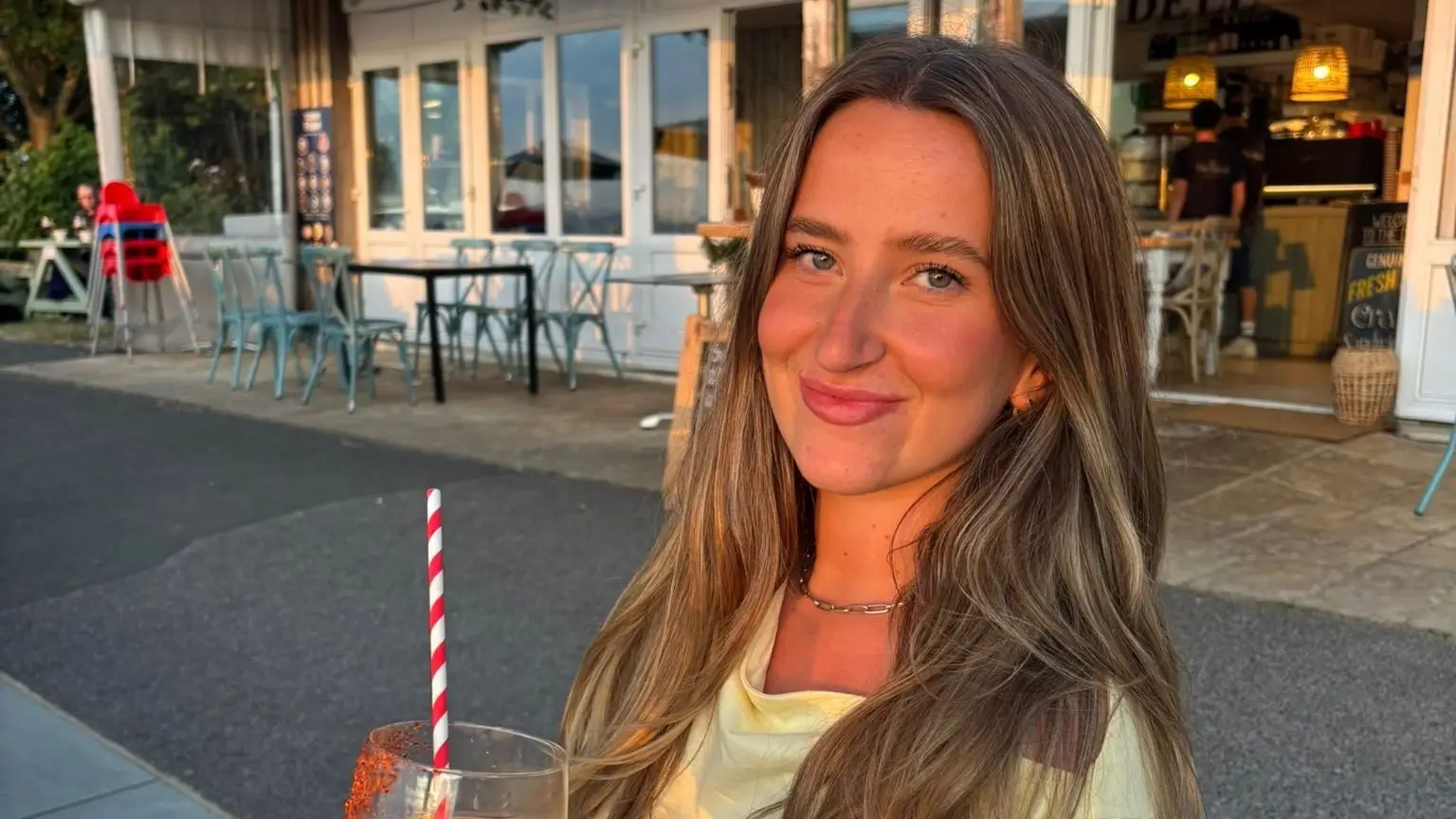
22-year-old woman who thought she was a paedophile eventually diagnosed with rare condition

A woman who feared she was a paedophile has revealed how she was eventually diagnosed with a mental health condition.
Molly Lambert, 22, spent years experiencing intrusive sexual and violent thoughts that made her terrified she was a danger to others.
However, Molly recently revealed that after seeking help, she was diagnosed with obsessive compulsive disorder (OCD), which is a mental health condition related to anxiety.
It is made up of obsessions and compulsions, with Rethink explaining some examples.
- Obsession - the upsetting thought: 'What if I accidentally wrote something rude or offensive in my messages to friends, and upset someone?'
- Compulsion - the action you do to feel better: You do not think you wrote something rude or offensive. But to be sure, you read your messages to friends over and over to check."
Molly had been living with Pure O obsessive compulsive disorder, which is a subtype of OCD characterised by intense, intrusive thoughts without physical compulsions.
Advert
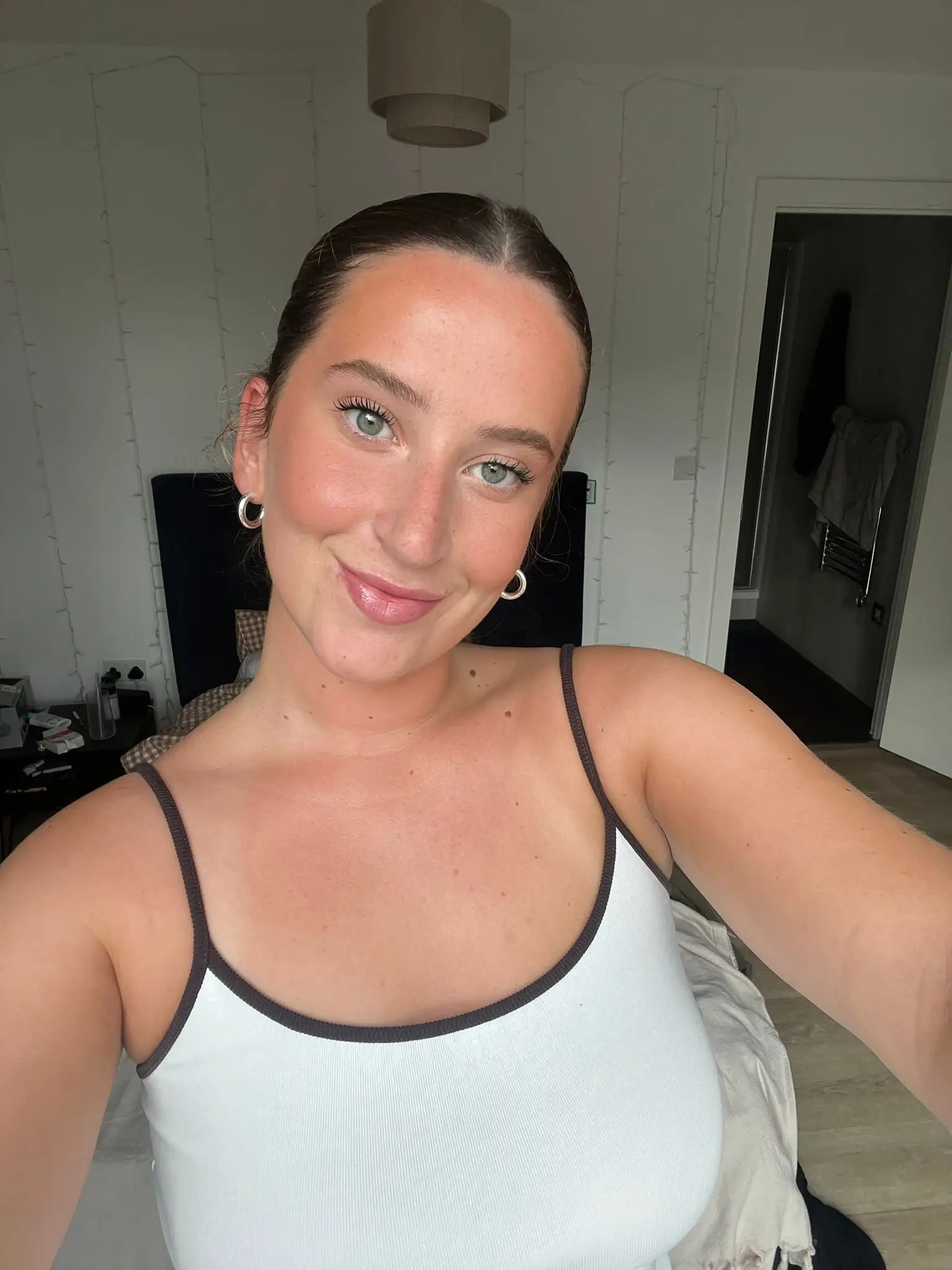
Her diagnosis of Pedophile-themed Obsessive-Compulsive Disorder
Molly explained she first discovered Pedophile-themed Obsessive-Compulsive Disorder (P-OCD) - which is a paedophilic theme within the condition - after seeing a TikTok video.
After getting a diagnosis and sharing her story, Molly explained how she received hundreds of messages from other people who have never opened up about their intrusive thoughts.
"The response has been overwhelming. People say they’ve been crying, that they’ve felt like this for years and never told anyone," she said.
"Parents have reached out saying they have obsessions about harming their children. Some people said they ended up in psychiatric wards or tried to take their own lives.
"People don’t talk about it, and that makes it worse. Some messages are from people in their 50s who have been silently suffering their whole lives.
"It shows how common and hidden it is. It’s not being a paedophile - it’s that these thoughts exist and your brain latches onto them. OCD is all about uncertainty. It tells you ‘what if?’ and you can’t prove it wrong."

'The shame is in how you see yourself'
Molly has opened up about how distressing the thoughts were, which are often made worse by stress.
She added: "I would replay thoughts, overanalyse everything, check comments, and second guess myself constantly. You feel like you can’t relax. You think you’re a monster, that you don’t deserve to exist. The shame is in how you see yourself. Even years later, that feeling can linger."
Molly also explained how real the thoughts can feel, explaining how she now deals with them, following therapy.
"It feels real, even when you logically know it’s not. It’s exhausting and relentless," she said. "I observe them and recognise the pattern. You have to label it so it loses power. People want it to stop immediately, but understanding it is the only way.
"That's the advice I share those who reach out to me. It gives people permission to step back and realise it’s their brain - not them being a monster.
"If even one person reaches out for help because of my story, it’s worth it. The response shows how many people are silently struggling - and how important it is to break that silence."
If you're experiencing distressing thoughts and feelings, the Campaign Against Living Miserably (CALM) is there to support you. They're open from 5pm–midnight, 365 days a year. Their national number is 0800 58 58 58 and they also have a webchat service if you're not comfortable talking on the phone.
Topics: Health, News, Mental Health
 Lucy Devine