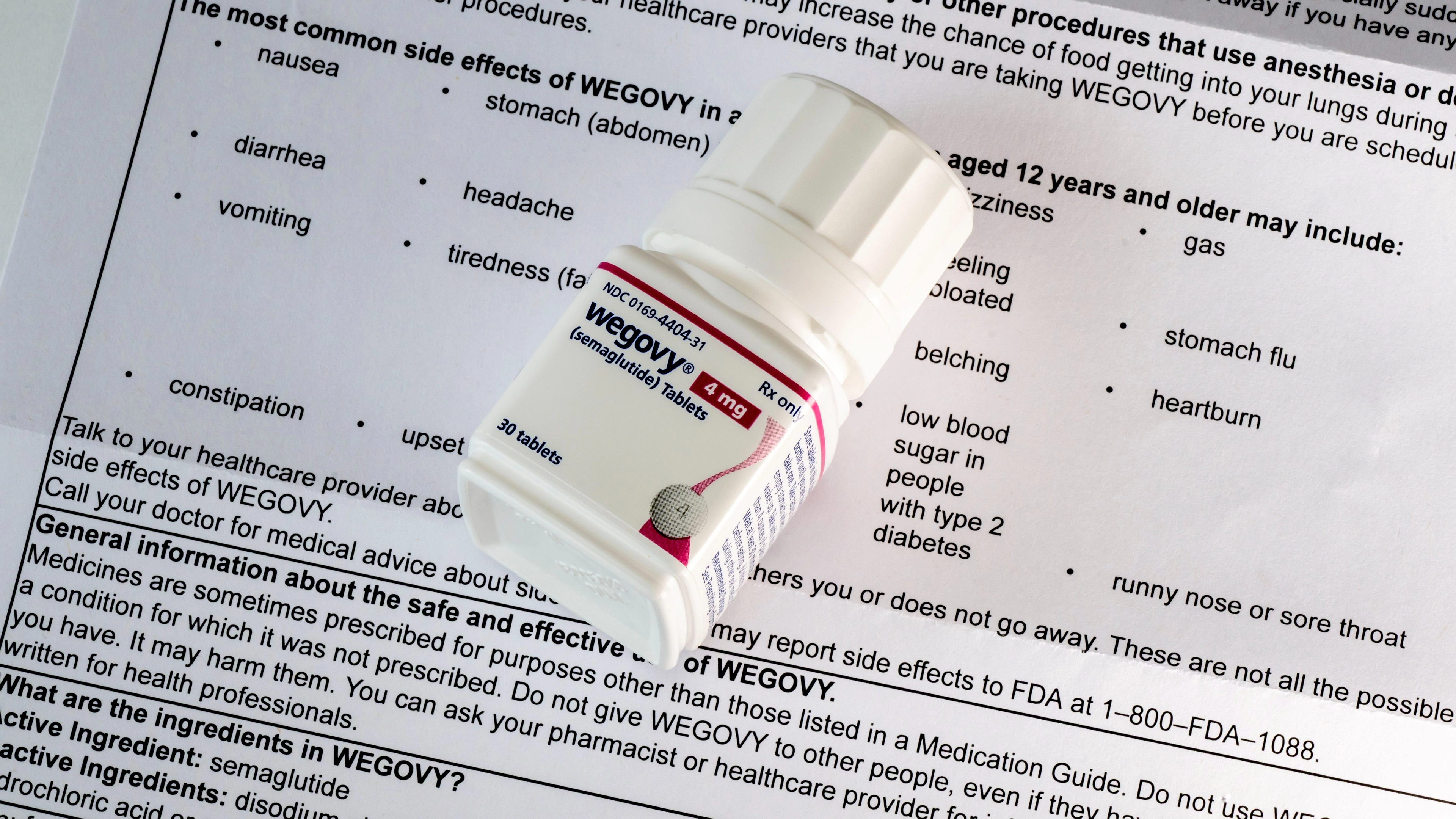
Expert has warning for weight loss jab users ‘switching’ to Wegovy pill for holiday

Since the release of the highly anticipated Wegovy pill, many weight-loss jab users have been considering making the switch.
Rather than injecting once a week subcutaneously, some people can now take a daily pill with Wegovy - which can only be prescribed to 'eligible UK adults living with obesity or overweight with a weight-related condition', who will be required to follow a reduced calorie diet and increase their physical activity.
Some jab users are considering trying to switch over to the pill for when they go on holiday, as the jabs need to be kept in the fridge, so many people now feel that the pill format is easier to manage and to travel with.
However, one expert is warning users against making any sudden switches, as it may not work out well for them.
Advert
According to Phlo Clinic, a survey of people taking the jabs revealed that 50% of GLP-1 injection patients say convenience when travelling is a key reason for considering the pill.
It seems that storing the jab and fears about travelling with it are off-putting for many.
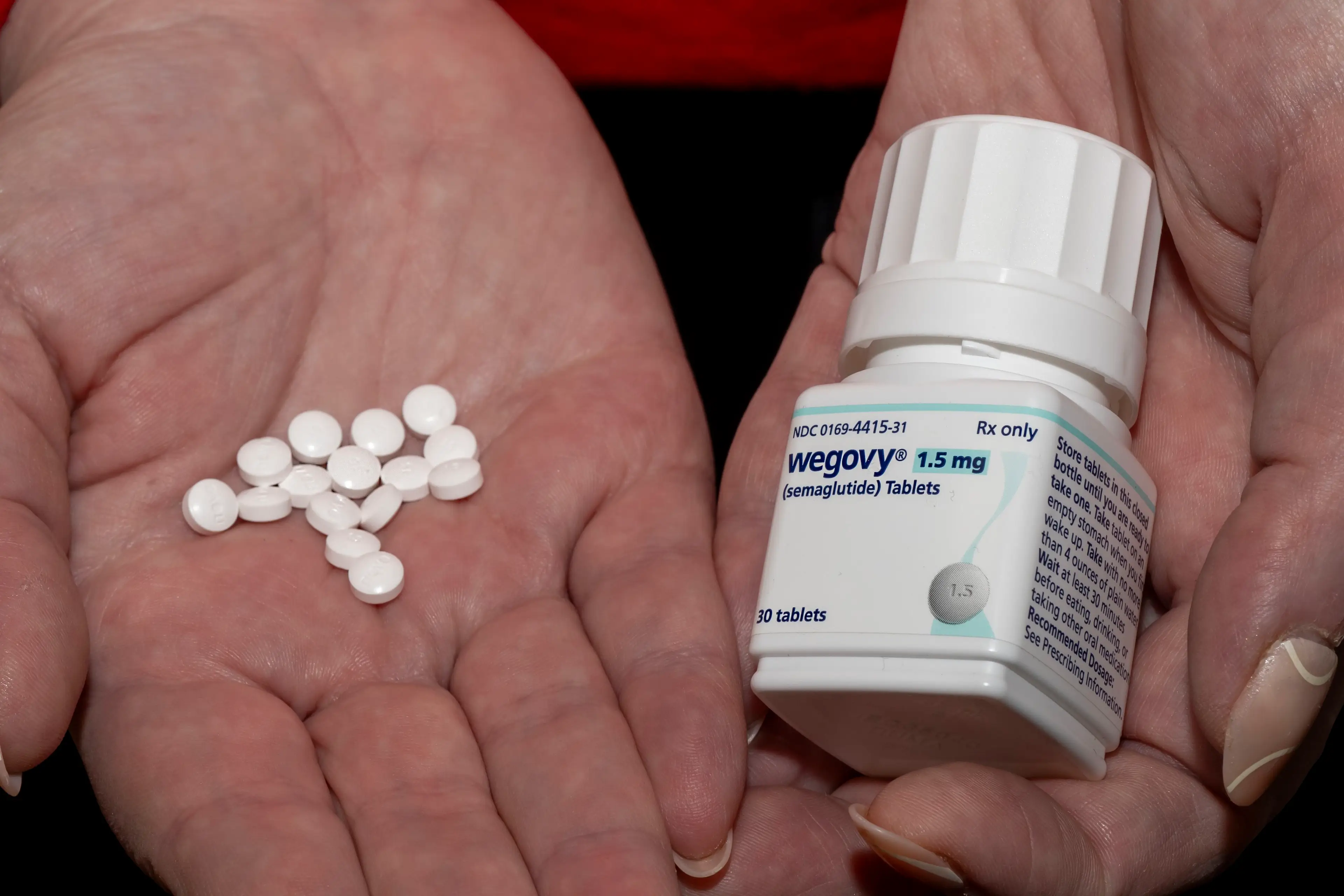
Khush Patel, a weight-loss medication expert and head of clinical product at Phlo Clinic, said: “There's a perception that tablets will simply replace injections, or that they will make these medications available to anyone who wants them.
"Although the tablet form may be easier to transport on holiday, without the need to regulate temperature or find suitable storage in your accommodation, it’s important to recognise that not everyone who is prescribed the injection will be eligible or suited to the tablet."
"For some people, particularly those put off by injections, tablets could remove a significant barrier to seeking support. But they are not designed as a direct substitute for injectable medications, and treatment decisions will continue to be based on an individual's medical history, clinical needs and weight-loss goals."
She advised that the pill doesn't automatically mean you can take it abroad.

The expert says: “As you would with the GLP-1 injection, it’s still important to ensure you follow Government guidelines before travelling with any medication, the GLP-1 tablet included.
“Make sure you carry a letter from your doctor or a signed prescription to show your medication has been prescribed to you (if it’s a requirement). It’s also your responsibility to check the rules on travelling to your chosen destination with medication, as many countries have different guidelines for certain medications.
“It’s also important to plan ahead and ensure you have enough tablets to last through your holiday until you’re back home, just as you would with the injection.”
She also said any patient who are having success with the injections should long and hard before making any changes.
"Oral GLP-1s aren't always a straightforward like-for-like alternative, as they may use different active ingredients and dosing schedules.
"There are currently no oral versions of tirzepatide, the active ingredient in Mounjaro, awaiting approval, so switching from the Mounjaro injections will mean changing medication entirely."
Patel added that it's still early days to know how people will respond if switching from a jab to a pill.
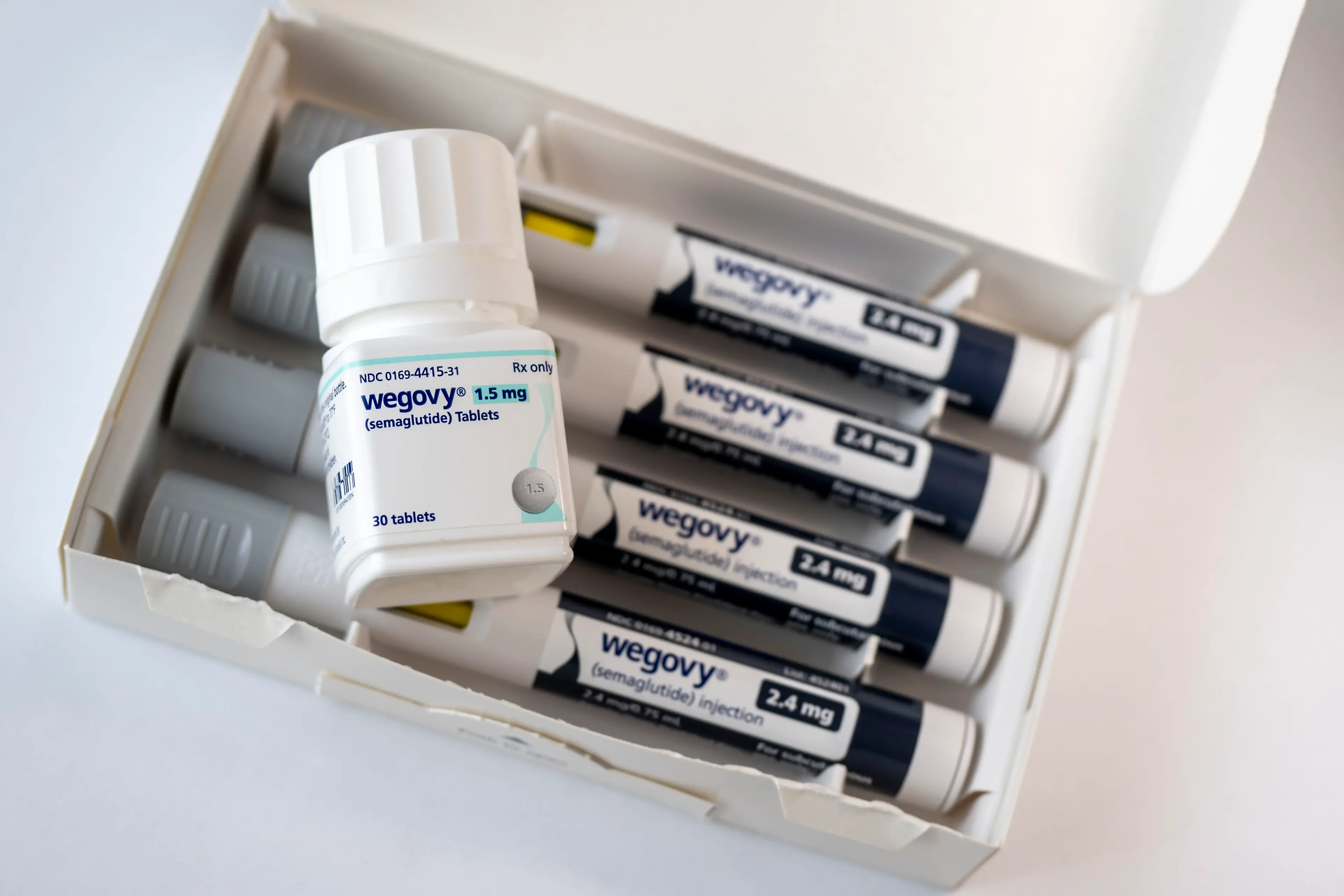
"While oral GLP-1s have shown promising results, it's difficult to predict how an individual will respond to a different treatment, and you may not see the same level of weight loss or side effects that you're experiencing with your current medication.
“It’s worth bearing in mind that you’re also likely to be in an unfamiliar environment on holiday too, which could be very uncomfortable if you experience side effects after taking the tablet.”
She said that there are some misconceptions that the pill version is 'automatically be more convenient.'
"While not needing refrigeration or a sharps bin can be a real benefit, especially when travelling, the tablets come with their own considerations," she says.
"They need to be taken daily, so they're not ideal if you're someone who regularly forgets medication. Routines and eating schedules often vary significantly on holiday, and if you miss a dose, you can't simply take it later and will usually need to skip that day's tablet altogether," warns the expert.
If patience isn't your strong point, it might not be a good idea: "Oral semaglutide also needs to be taken with a small amount of water, and you'll need to wait at least 30-minutes before eating or drinking anything else.
"They also need to be taken at the same time every day, which could be tricky if you’re on an activity holiday or a city break, for example.”
 Jen Thomas