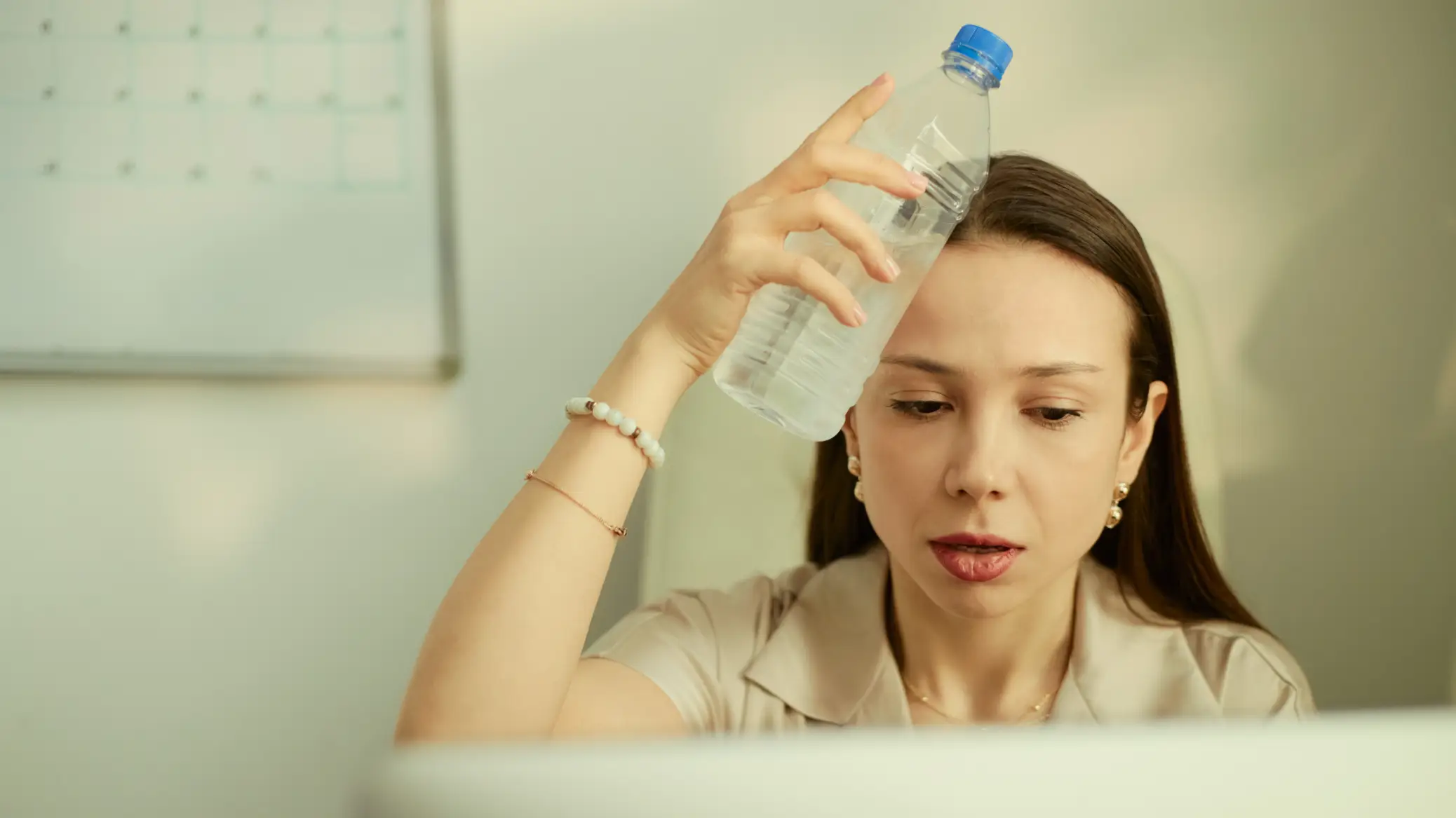
Two legal requirements in UK workplaces during heatwave

A red heat health alert has been issued for six regions of England: the West Midlands, East Midlands, South East, South West, London, and the East of England, during the forecast heatwave later this week.
The weather forecast for Wednesday (24 June) and Thursday (25 June) indicates 'a risk to life for even the healthy population', the UK Health Security Agency (UKHSA) said.
The Met Office said this week’s heatwave will see temperatures exceed 37°C in the shade and could even see them rise to 38°C to 40°C in some areas.
The alert in question indicates impacts beyond health and social care, with potential effects on transport systems, food, water, energy supplies and businesses.
Advert
So, what does all this mean when it comes to work?
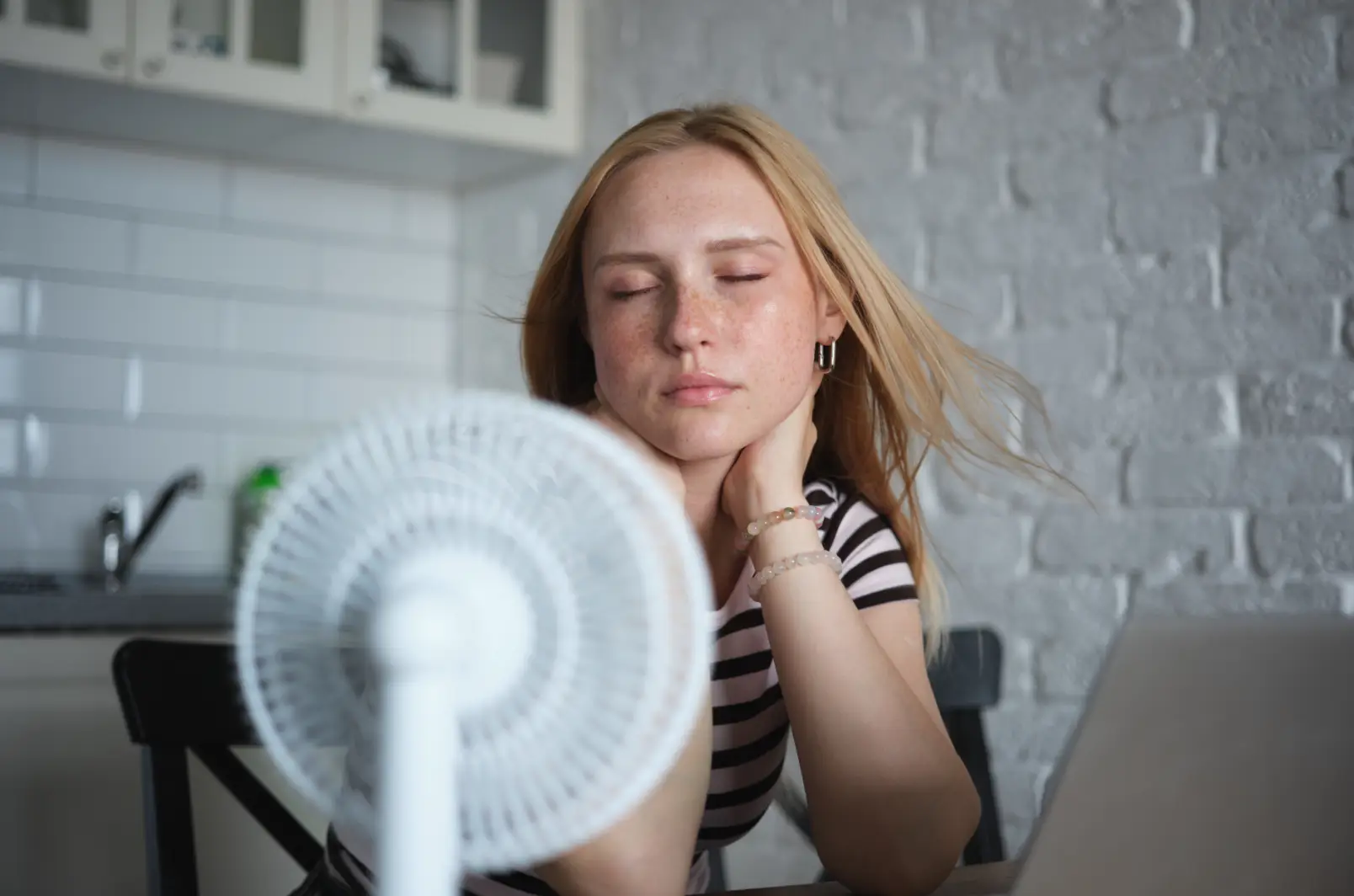
Well, there aren't actually any specific laws that allow workers to stop working if it becomes too hot.
However, James Muller, Principal Associate in Weightmans’ Health & Safety Team, says that under UK employment law, every employer has a duty of care to ensure a safe working environment and protect the health and welfare of their employees.
"If an employer fails to meet this responsibility, they would face enforcement action (including potential criminal prosecution) from the Health and Safety Executive or Local Authority. Employees might also be able to claim personal injury compensation if they become ill or injured as a result," he adds.

The expert outlines that employers must take all 'reasonably practicable' measures to ensure the health and welfare of their employees. This means they must provide a safe environment where staff are not at risk of heat-related illnesses.
"Employers must also consider those with existing health conditions that could be more severely affected by high temperatures, such as medically vulnerable individuals or pregnant employees," he continued.
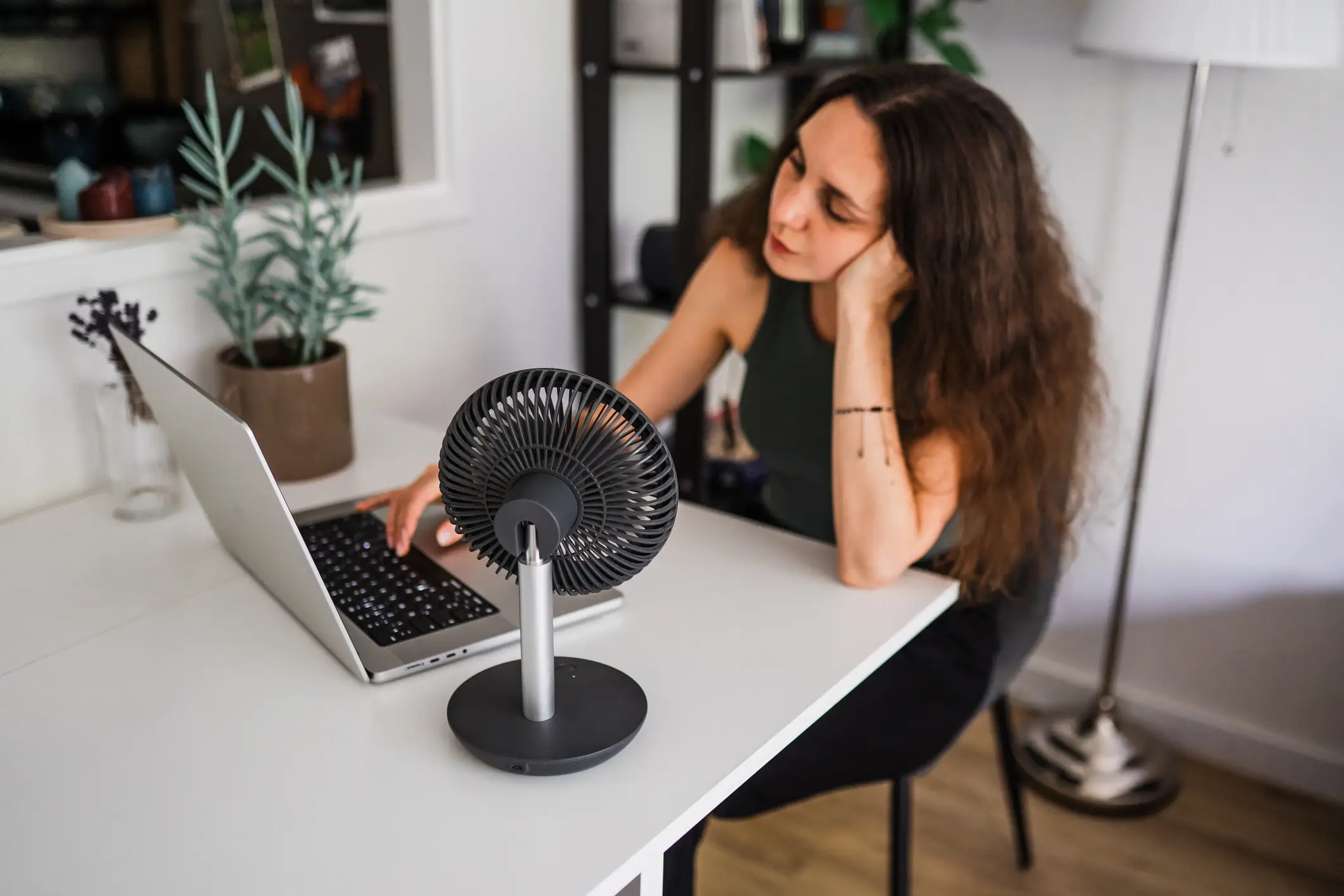
As employers have a legal duty of care to ensure the safety of their staff, they must follow two major legal health and safety regulations.
1) They must keep temperatures at a comfortable level.
2) They must provide clean and fresh air.
The Health and Safety Executive (HSE) recommends the following advice to employers to ensure they're abiding by these two rules:
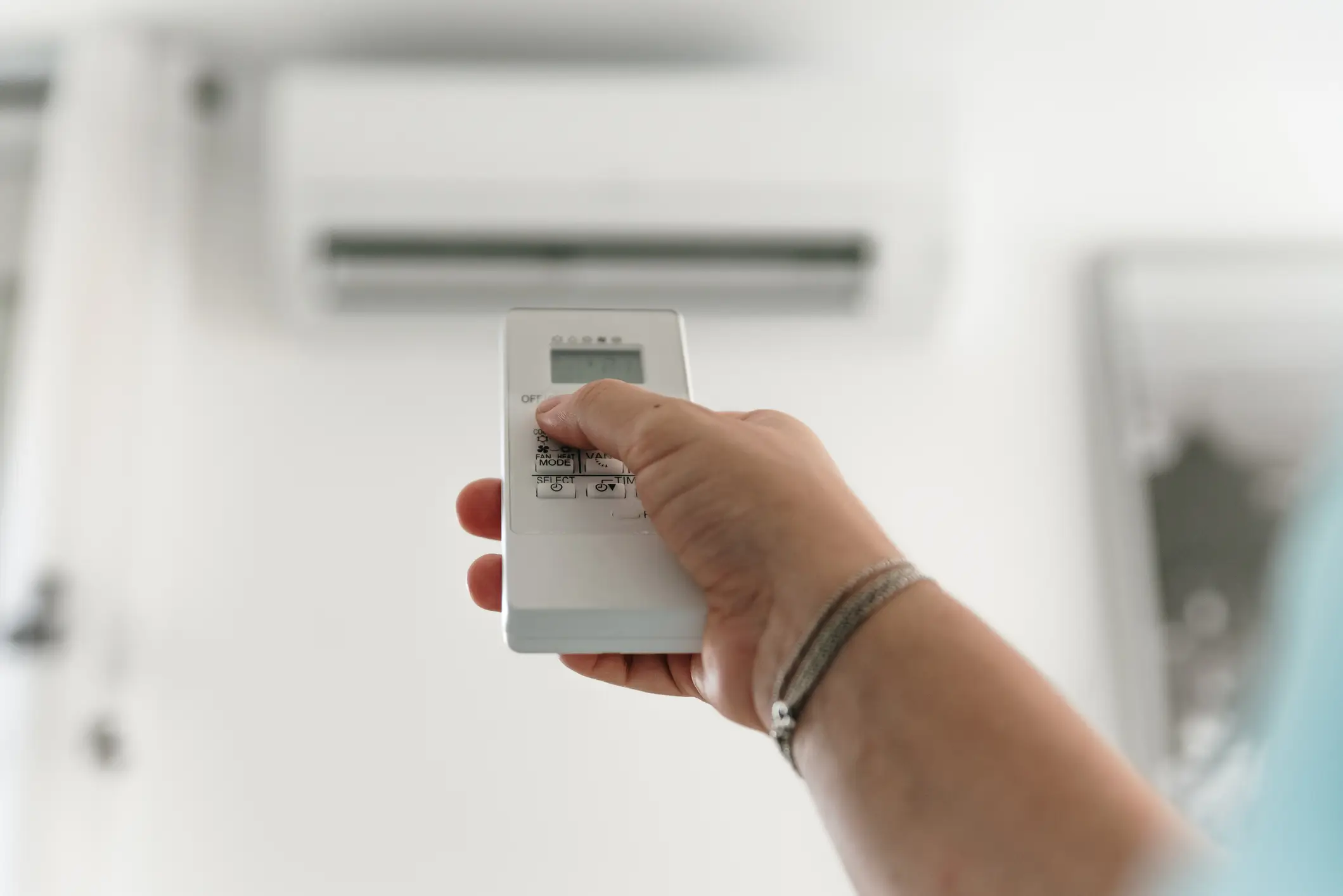
- Provide fans or air conditioning facilities
- Improve ventilation and allow windows to open
- Use blinds or reflective film to block direct sunlight
- Move workstations away from heat sources
- Supply free cold drinking water
The HSE also suggest employees take their safety into their own hands during unexpected heatwaves like this, possibly by:
- Introducing flexible hours or job rotation
- Moving staff to cooler areas where possible
- Allowing extra breaks
- Relaxing dress codes where safe to do so
Employees can't leave a workplace unless they feel unwell and need to take sick leave.
Additionally, Muller adds that employees can be sent home if it gets too hot, though there’s no legal maximum temperature for workplaces.
How to cool down in a heatwave

We’re all aware of the basics of keeping cool during the warmer weather, such as avoiding the sun between 11am and 3pm, staying hydrated, wearing light clothing, taking cold showers and avoiding physical activity, but have you tried these little-known hacks to beat the heat? (Thank us later).
The correct way to sleep with a fan on
A good night's sleep is almost never guaranteed during a heatwave, leaving many of us turning to our trusty fan to get through the night. However, it could be having a hidden impact on your health.
But rest assured, as Dr Anis Khalaf has explained how to overcome this, the correct way.
“The key is to not have any of the wind blowing on you,” he said. “So try facing it away from your body, and the air will still circulate around the room."
Though bear in mind that electric fans only tend to work when the temperature is below 35 degrees.
Drinking milk
Thanks to the sugars, proteins and fats in milk, Dr Natasha Fernando claimed that a glass of the liquid ‘may be more hydrating than water’.
She told Metro: “Milk also contains sodium which allows your body to hold onto water for longer, aiding hydration levels.”
The Egyptian sleep method
Forget the Military sleep method, because this hack claims to keep you cool as well as help you nod off.
Psychiatrist Alex Dimitriu, MD, told VeryWellMind: "The Egyptian sleep method involves sleeping under a damp sheet, which cools off from evaporation.”
Just make sure the sheet is damp and not drenched, and the room is well-ventilated.
Keeping windows shut during the day
While it may sound counterproductive, you’re essentially inviting the hot air inside by leaving them open. And since most houses in the UK are designed to keep the heat in, you could be making the situation a whole lot worse.
Instead, wait until temperatures have dropped (such as in the late evening) to open your windows to allow cooler air to circulate. Keeping your blinds and curtains shut can also help.
 Rhiannon Ingle