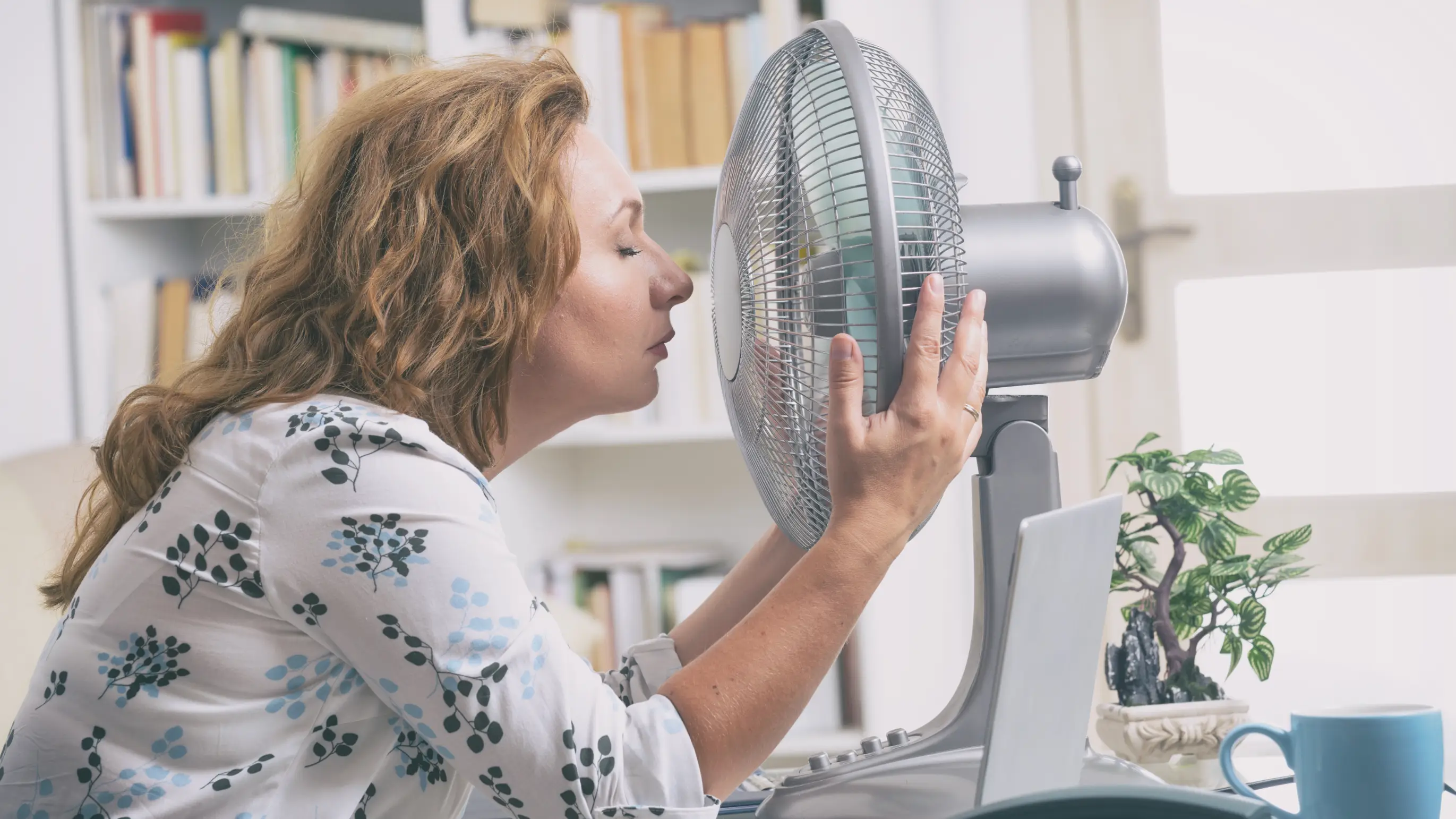
What law says about working during heatwave as temperatures continue to soar

The temperatures in the UK have been skyrocketing over the bank holiday weekend, reaching highs of 32 degrees in some parts of the country.
And it’s only getting hotter as Monday (25 May) is expected to be the hottest May day ever recorded in the UK, as well as the hottest bank holiday on record, with ‘historic’ temperatures of 34 degrees predicted in Greater London and south-east England.
Tom Morgan, a Met Office meteorologist, told the Press Association: “We rarely see temperatures above 35C, even in the summer months, so to see temperatures getting close to 35C in May is, as I say, pretty historic.”
While the extreme sun is a welcome addition to our days off, meaning more time outside, picnics in the park, and sunbathing in your back garden, going to work in this weather is a whole different game.
Advert

Think sweaty offices, twenty fans blaring, but no one being able to cool down, not to mention those who work in outdoor jobs or retail, and hospitality - nobody wants to be working in a kitchen when you could cook an egg on the pavement outside.
So, with the heatwave in full swing, questions about the laws surrounding working during extreme temperatures have popped up.
In short, the UK’s Workplace (Health, Safety and Welfare) Regulations require employers to provide a ‘reasonable indoor temperature’ in the workplace.
However, there is no specific set maximum temperature number in place, and instead, it depends on the work activity and the environmental conditions.
The Construction (Design and Management) Regulations also require reasonable workplace temperatures for indoor areas of construction sites.
It’s up to employers to decide what a reasonable temperature should be in the workplace by assessing the risk, acting on any findings by putting controls in place, including temporary or seasonal ones, and using the government’s heat stress checklist if workers are at risk from extreme temperatures.

Calls for maximum workplace temperature rules
However, this month, the Climate Change Committee has urged the UK to introduce maximum workplace temperature rules to protect people as heatwaves like this one become more extreme.
Unions have backed the call, with the GMB describing it as making ‘no sense whatsoever' that there is a minimum temperature standard but not a legal heat limit.
Lib Whitfield, senior organiser of the union, said they have long been campaigning for a maximum heat limit of 25 degrees.
She said: “Sweltering heat is loads of fun if you’re swanning around by the pool - but if you’ve got a job to do, it can be downright dangerous.
“Bosses need to do everything possible to keep workplaces cool, and more importantly, safe.”
While Unison assistant general secretary Jon Richards said setting a maximum temperature for workplaces is essential, as climate change means staff are more likely than ever to face fluctuating conditions.
He warned: “Being too hot at work puts people’s health at risk and leads to poorer performance and lower productivity.
“Any decent employer would want their staff to be at their best to do their job efficiently. After all, everyone works best at a comfortable temperature.”
Topics: Climate Change, Weather, UK News, Health, Jobs
 Madison Burgess