Travel expert shuts down common myth about time you should arrive at the airport

A travel expert has warned holidaymakers against deliberately leaving it late to check in for a flight in the hope of bagging a free upgrade.
For years, holidaymakers have shared supposed tricks for getting bumped from Economy to Business or First Class without paying the usual premium.
One persistent theory suggests passengers can improve their chances by checking in late, when airlines may be trying to fill empty seats in fancier cabins.
But Andrés Serra, a trip planner and Head of Operations at Optimise Travel, says deliberately cutting things fine is far more likely to cause problems than secure a better seat.
Advert
“I don’t recommend checking in late just to try for an upgrade,” he said.
“Sometimes, if Economy is full and there’s a spare seat in a premium cabin, the airline might move someone up to free up a seat in Economy.”
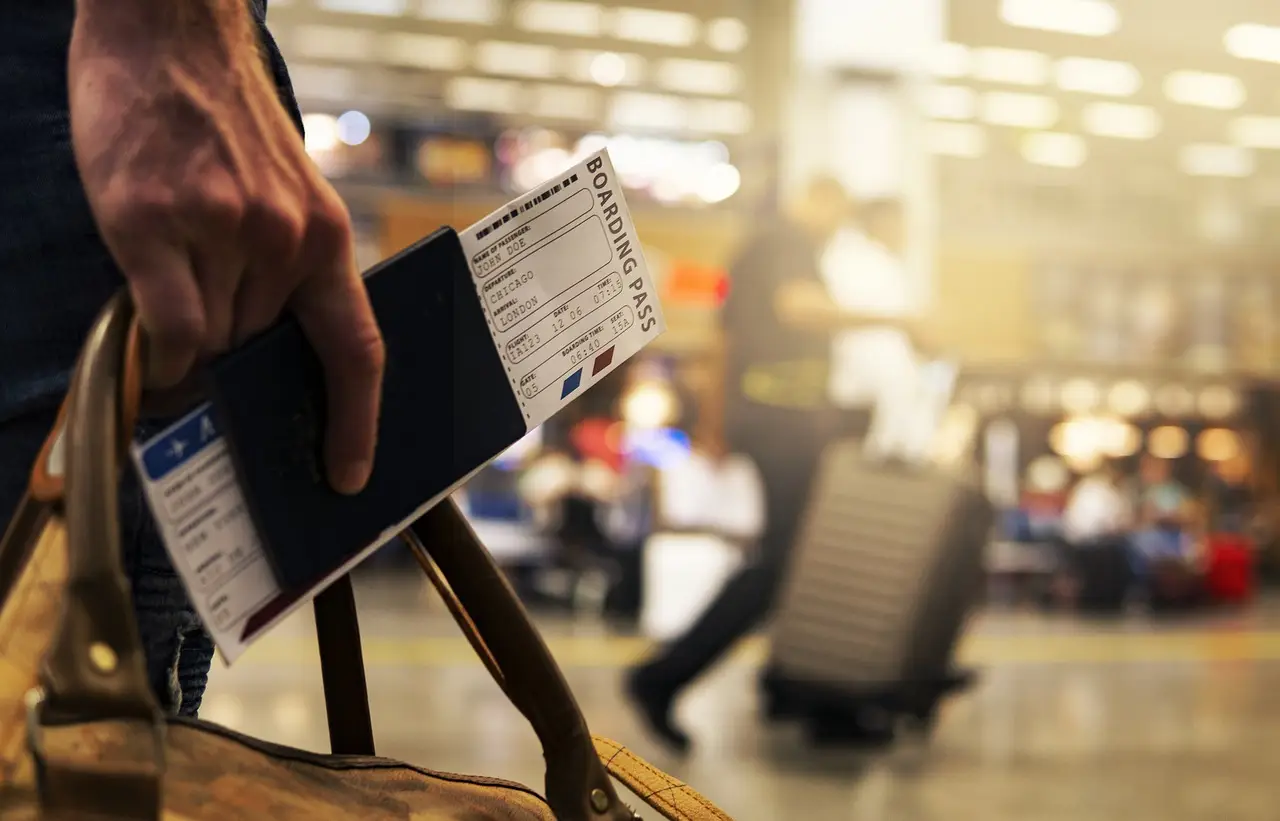
“This is a seat-management choice, not a reward for arriving late.”
There is also an important distinction between checking in for a flight and physically turning up at the airport.
With most airlines allowing passengers to check in online before travelling, waiting until the last possible moment to do either offers little advantage.
“It’s also important to know that checking in late isn’t the same as arriving late at the airport,” Serra explained.
“You can check in online early and still get to the airport with time to spare. Delaying either step only adds risk and doesn’t really help your chances.”
Airlines generally have their own systems for deciding which passengers are eligible for upgrades, with frequent-flyer status and ticket type typically carrying considerably more weight than when somebody checks in.
Serra pointed to American Airlines, which considers factors including status, upgrade type and loyalty points accumulated during the previous year.
Delta also takes loyalty status and ticket details into account, with the timing of an upgrade request used only as a tie-breaker in certain circumstances.
“These systems mostly help people already on the upgrade list, not those who arrive at the airport last,” he said.
That does not mean unexpected upgrades never happen.
Missed connections, cancellations and changes of aircraft can leave airlines needing to reshuffle passengers shortly before departure.
Oversold cabins can create similar situations.
There is no reliable way for travellers to know when that will be, or whether they’ll be the lucky passenger selected.
“Sometimes airlines offer last-minute upgrades due to missed connections, cancellations, or aircraft changes, or when a cabin is oversold,” Serra said. “But travellers can’t predict when this will happen or who will be chosen.”
Trying to game the system by arriving late can instead leave passengers racing against strict airline deadlines.
Serra cited Emirates as an example, noting that its online check-in closes 90 minutes before departure, while Economy and Premium Economy passengers are advised to reach the boarding gate at least 60 minutes before their flight.
“Missing any of these deadlines could mean missing your flight,” he warned.
Travellers hoping for an upgrade would be better off checking in promptly, making sure their frequent-flyer details are attached to the booking and requesting eligible upgrades early.
And what about the age-old suggestion that being particularly charming to check-in staff could result in a surprise move to Business Class?
“Being polite always helps, but it usually won’t move you ahead of other passengers already ranked by the airline,” Serra advised.
Staff may have greater flexibility when flights are disrupted, but banking on that is a gamble he would not recommend.
“I wouldn’t risk my whole trip just for a chance at a better seat,” he added.
“I recommend arriving on time and treating any last-minute upgrade as a nice surprise, not a plan.”
Now you know, and make sure to leave plenty of time for your next trip.
Topics: Travel
 Jess Hardiman