
Thousands of people being hospitalised over mistake with ibuprofen and other prescription drugs

Thousands of people are being admitted to hospital after problems caused by combinations of medicines, with older patients particularly at risk.
Around eight million people in the UK take five or more medicines, while 2.2 million take at least 10 drugs a day, according to figures reported by The Times.
Additionally, NHS data shows around 1,000 elderly patients are admitted for emergency care every day following a reaction to medicines they are taking.
Almost a third of these reactions involve an interaction between ibuprofen and another drug.
Advert
The risk rises as people take more medicines, with research finding that patients taking 10 or more medicines are four times more likely to be admitted to hospital because of toxic interactions.
Jugdeep Dhesi, 56, president of the British Geriatrics Society, told The Times: "The more tablets that you take, the more likely there are interactions, and this can happen more the older you are."
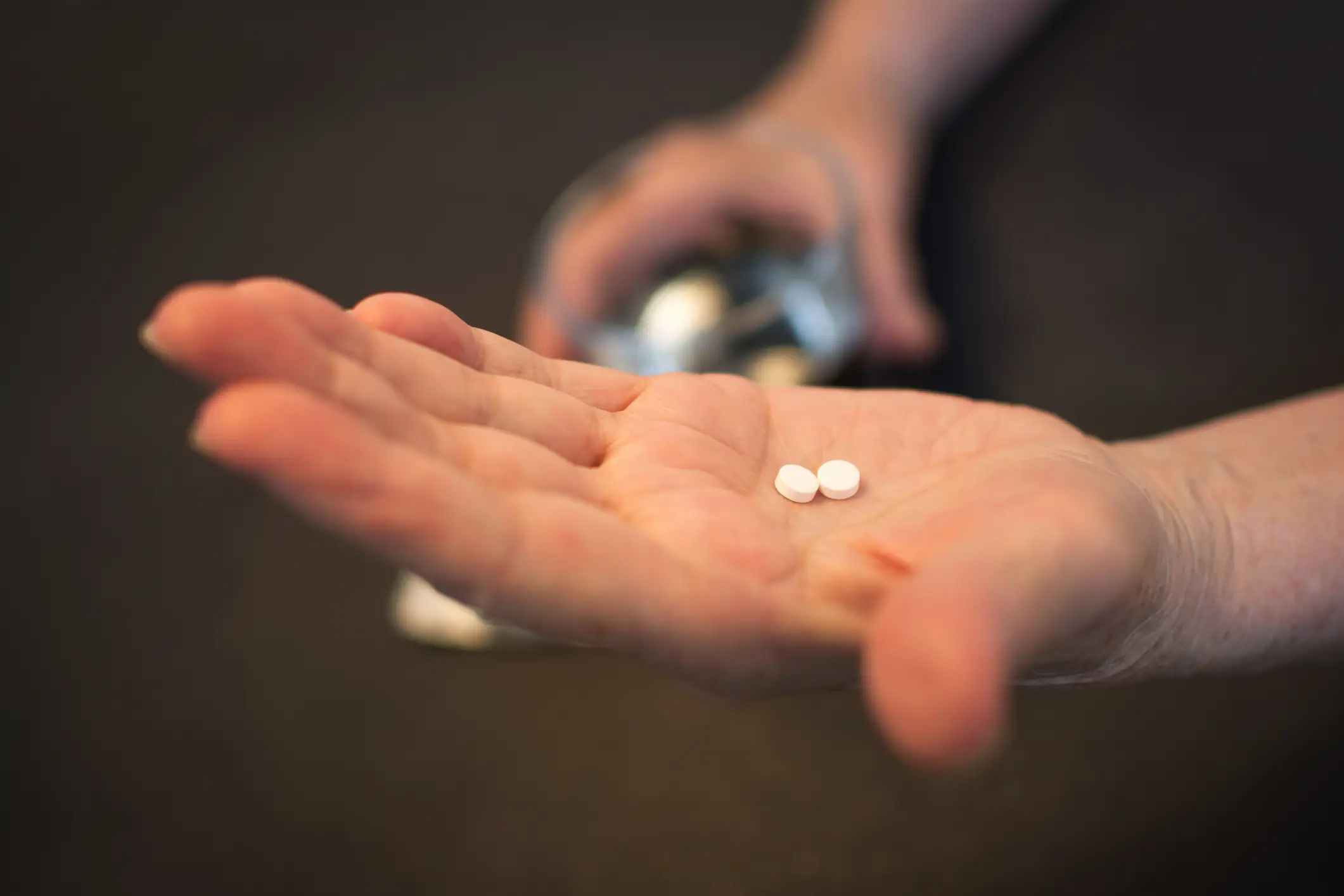
Why can ibuprofen be risky?
Ibuprofen is a common painkiller and anti-inflammatory medicine used for problems including headaches, toothache, muscle pain, period pain and arthritis.
It belongs to a group called non-steroidal anti-inflammatory drugs, or NSAIDs.
Taking it alongside other NSAIDs, such as naproxen or certain doses of aspirin, can increase the risk of stomach ulcers and bleeding.
Ibuprofen can also cause problems when taken with blood-thinning medicines such as warfarin, apixaban and rivaroxaban, potentially increasing the risk of serious bleeding.
It can interfere with some blood pressure medicines and water tablets, and may increase the risk of kidney problems, particularly when someone is dehydrated.

Other medicines causing concern
Ramipril and amlodipine are medicines used to lower blood pressure.
In some older people, combinations involving these drugs can contribute to dangerously low blood pressure, causing dizziness or falls.
Furosemide is a diuretic, commonly known as a water tablet, which helps the body get rid of excess salt and water, but can contribute to dehydration and falls when combined with certain other medicines.
Antidepressants including sertraline, fluoxetine and citalopram can also interact with ibuprofen and increase the risk of bleeding from the stomach.
Steroid medicines, including prednisone and dexamethasone, can similarly increase the risk of stomach ulcers and bleeding when taken with ibuprofen.
Symptoms of problematic drug combinations can include severe dizziness, confusion, falls and sudden drops in blood pressure.
In January, a new national plan for the care of the frail elderly, which will set standards for care of older people, including prescription of medication, will be published.
An NHS spokesperson said: "We know we need to do more to meet the needs of our ageing population better and that’s why we have made it clear to NHS organisations what the best interventions are to provide effective community support for frail people through new guidance, such as ensuring their care plans involve regular medication reviews so that only medicines that are clinically appropriate are prescribed."
 Rhiannon Ingle