
Antidepressant side effect that can become dangerous in a heatwave

People taking antidepressants are being warned about a side effect that can become more risky during a heatwave, as temperatures continue to make everyday life feel a little more uncomfortable than usual.
Hot weather is already enough of a struggle when you’re trying to sleep, commute, or simply exist without sticking to every surface in sight.
For some people, on the other hand, such as those taking medication for their mental health — there may be an extra reason they feel particularly wiped out once the weather turns.
That does not mean anyone should panic, and it definitely does not mean stopping medication without medical advice. In fact, experts are very clear that anyone concerned should speak to a GP, pharmacist, or specialist first.
Advert
The side effect in question is one many people may not immediately connect with hot weather: excessive sweating.
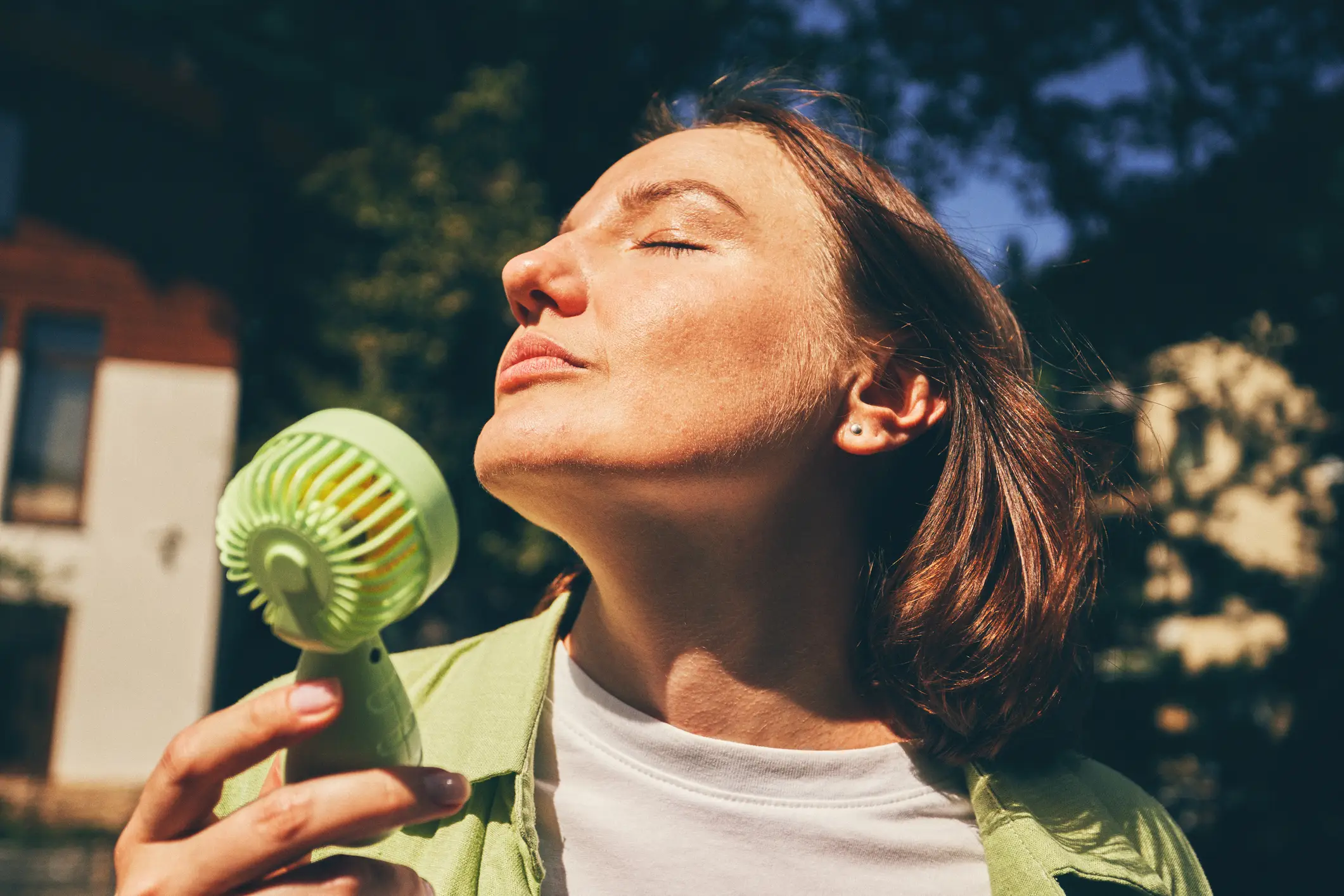
While sweating is the body’s normal way of cooling itself down, too much of it can lead to dehydration, dizziness, and heat exhaustion, especially when temperatures are already high.
Dr Rupa Parmar, GP and Medical Director of Midland Health, explained as reported by Midland Health: “Excess sweat is one of the most common side effects of antidepressants. It’s most likely due to how the medication affects the hypothalamus, a brain part that plays an important role in regulating body temperature. Excess sweating can also cause dehydration, and there is a higher risk of heat exhaustion as heat tolerance is much lower.”
“Signs of heat exhaustion include headaches, nausea, dizziness, weakness, irritability, and an increased body temperature. For people on SSRIs, knowing the symptoms is crucial. If someone is experiencing heat exhaustion, get them out of the heat, keep them hydrated, and use cold compresses to help them cool down.”
SSRIs, or selective serotonin reuptake inhibitors, are commonly used to treat mental health conditions and include medications such as sertraline and fluoxetine.
The issue is not limited to SSRIs, though, as other types of mental health medication have also been linked to heat-related problems.

Dr Laurence Wainwright, a researcher at the University of Oxford’s psychiatry department, told the BBC there is ‘evidence to suggest a link between tricyclic antidepressants, antipsychotics and heat-related illnesses’.
He said: “In some cases, the body is not able to regulate temperature effectively.”
“The problems that can stem from that include muscle cramps, fainting, heatstroke, heat rash and heat exhaustion.”
Some medications may also affect how thirsty you feel, which can make it even easier to become dehydrated without realising.
Dr Wainwright added: “Also [typically] the body has a good way of telling us when we are thirsty, but these medications can diminish that - and they can also lower blood pressure slightly, which can lead to a chance of fainting in the heat.”
To stay safe, people are advised to drink plenty of water, avoid direct sunlight where possible, wear loose and breathable clothing, keep rooms cool, and take cool showers if needed.
Alcohol and caffeine are also best avoided during very hot weather, as they can increase urine production.
In the Midland Health’s report, Dr Parmar added: “Never come off your medication without consulting your doctor first, and always talk to your GP if you’re experiencing any worrying side effects.”
Topics: Mental Health, Health, Summer
 Ben Williams