
American law student Josephine Nasr, 19, died in UK university halls after taking weight-loss drug

A court has heard that an American teenager died in her UK university dormitory after taking a GLP-1 weight-loss drug.
Josephine Nasr, a law student in her second year at the University of East London, died from a fatal cardiac arrhythmia in September 2025, just months after first being prescribed the medication by her doctor in the US, despite not being of an unhealthy weight.
The 19-year-old, from Corona, California, was found dead in her halls by security staff who forced their way into her room to check on her, according to The Independent. She'd collapsed on the floor of her bathroom.
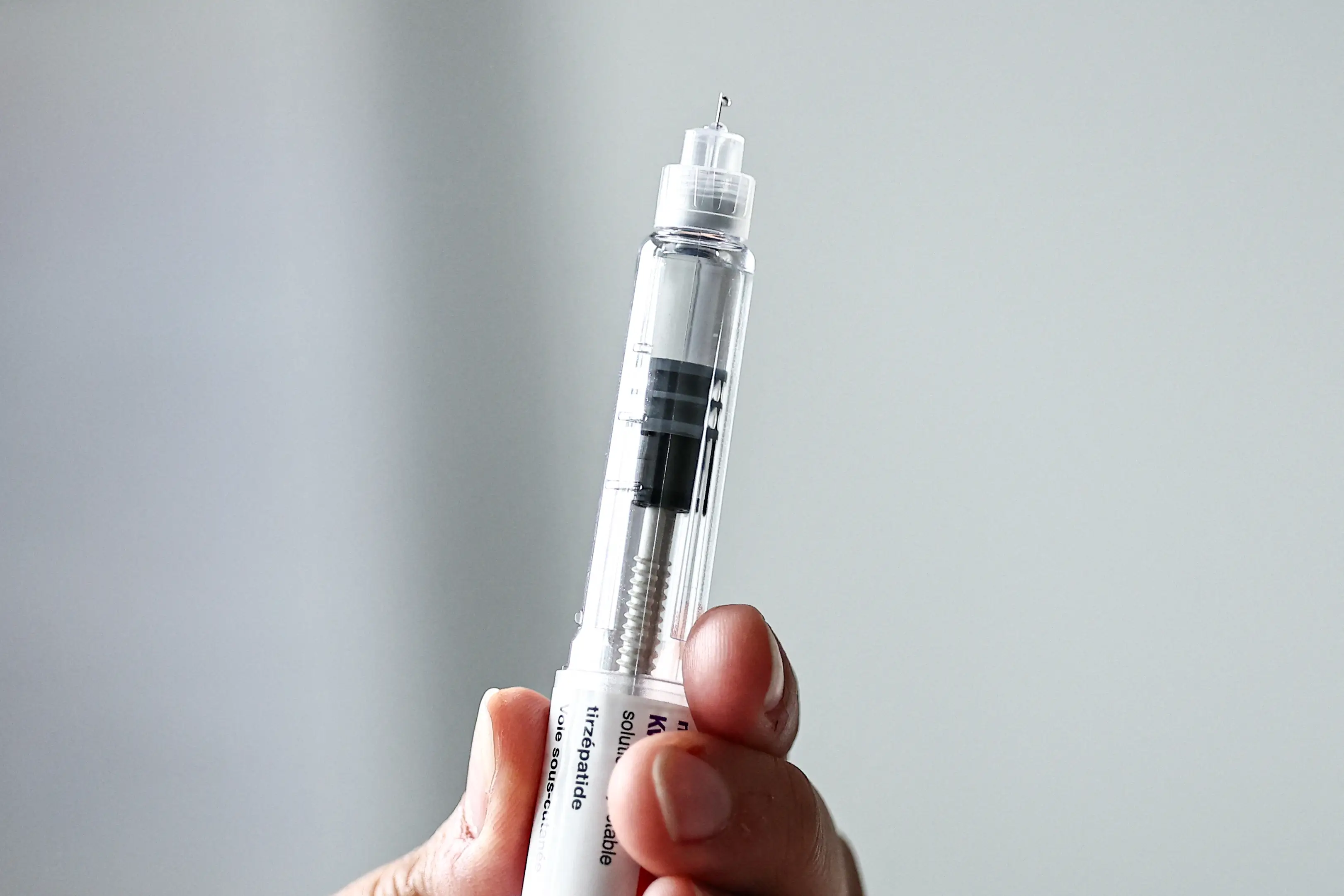
According to an inquest held at East London Coroner’s Court earlier this month, an empty vial of tirzepatide was found close to her body.
Advert
Tirzepatide is a once-weekly prescription injectable medication that's usually sold under brand names like Mounjaro and Zepbound.
GLP-1 drugs are effective in weight loss by mimicking the body's natural GLP-1 hormone to control blood sugar and reduce appetite.

They bind to cell receptors in the gut, pancreas, and brain to slow digestion, increase insulin release after eating, and signal fullness.
The inquest heard that Nasr, who'd been set to graduate from law school in 2027, had previously complained to loved ones about experiencing nausea and vomiting, both of which are commonly reported side effects of the drug.
At around 8:30pm on the evening of her death, she relayed her symptoms to her family, who urged her to get some fresh air.
Nasr's sister, Anastasia, voiced concerns surrounding dehydration, as she'd vomited, and arranged for her to see a private healthcare provider, who'd administer IV fluids.
When she attempted to call Nasr back, she received no answer, spurring her to contact the university's security team. She was found dead just over two hours after contacting her family.

Despite an ambulance being called, the student was pronounced dead at the scene.
The coroner's court heard that Nasr had been born with the heart condition known as myocardial bridging, which pathologist Alan Bates discovered during her autopsy.
He believes this may have contributed to her fatal cardiac arrhythmia - a severe, life-threatening disruption in her heart's electrical system that causes the lower chambers of the heart to quiver or beat too fast to pump blood.
Bates told the court that the tirzepatide-induced vomiting could have caused low blood sugar (hypoglycemia), which often results in an electrolyte imbalance. This, itself, could have caused the arrhythmia, he added.
The coroner also stated that Nasr's myocardial bridging may have exacerbated the situation, emphasising that the student was otherwise a 'healthy young woman'.
According to The Times, senior coroner Graeme Irvine concluded that her death was due to cardiac arrhythmia, caused by myocardial bridging and electrolyte imbalance caused by hypoglycemia, with the latter triggered by tirzepatide.
Irvine said: "This is a terrible tragedy and the fact that it happened to someone who was thousands of miles away from her family only made it worse.
"Please accept my sincerest condolences."
Nasr's father, George, also told the British news outlet: "She was full of joy and always helped others before herself. She loved [travelling] and the ocean."
He added: "We are part of the Coptic church, and the way Josephine was willing to help people showed that she lived her faith."
 Rhianna Benson