Best places to watch tonight’s solar eclipse as phone users issued warning

People across the UK are in for a stunning treat this evening as the solar eclipse is happening tonight. But where exactly should you go to see it?
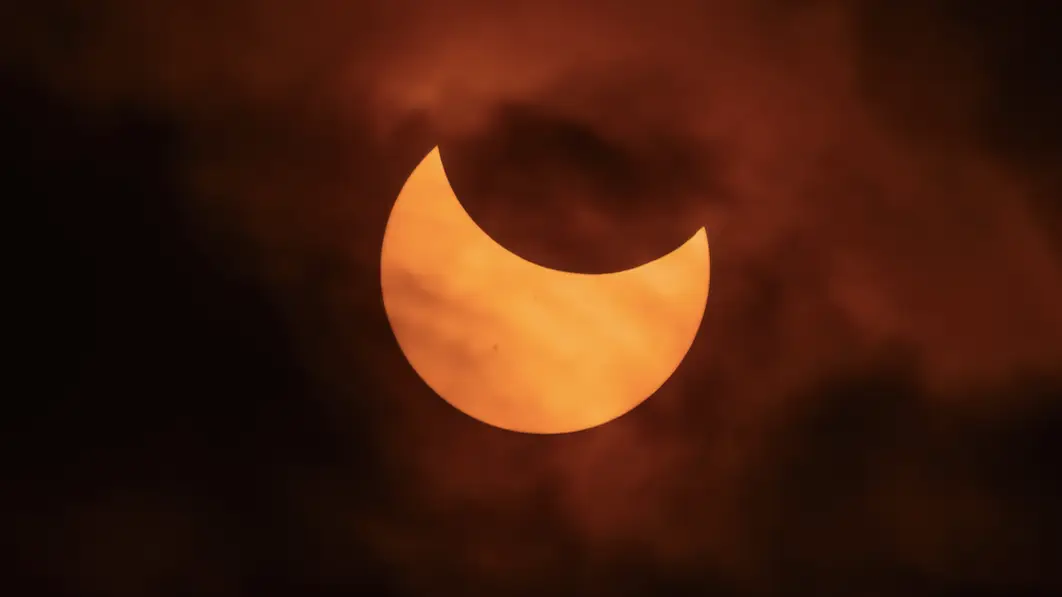
The UK is set to see a spectacular partial solar eclipse this evening, with the Moon covering around 90% to 96% of the Sun depending on where you are, per Royal Museums Greenwich.
The main event is actually a total solar eclipse, but the UK sits just outside the narrow path of totality.
It’s a pretty big deal as it’s the most coverage since the last solar eclipse in 1999. Although that was almost 27 years ago, we’ll have to wait 64 years until the next total solar eclipse in 2090.
Advert
According to the experts at Royal Museums Greenwich, you’ll be able to see more the further south-west you are.
Although timings vary and weather conditions may impact visibility, the first people who should see it first will be those in Scotland from around 6.08pm. Those as far south as Truro in Cornwall should see it around 6.18pm.
From 7.05pm to 7.15pm, locations in the UK will be able to see a partial solar eclipse and by 8.10pm, the moon will no longer be covering the sun in all areas.
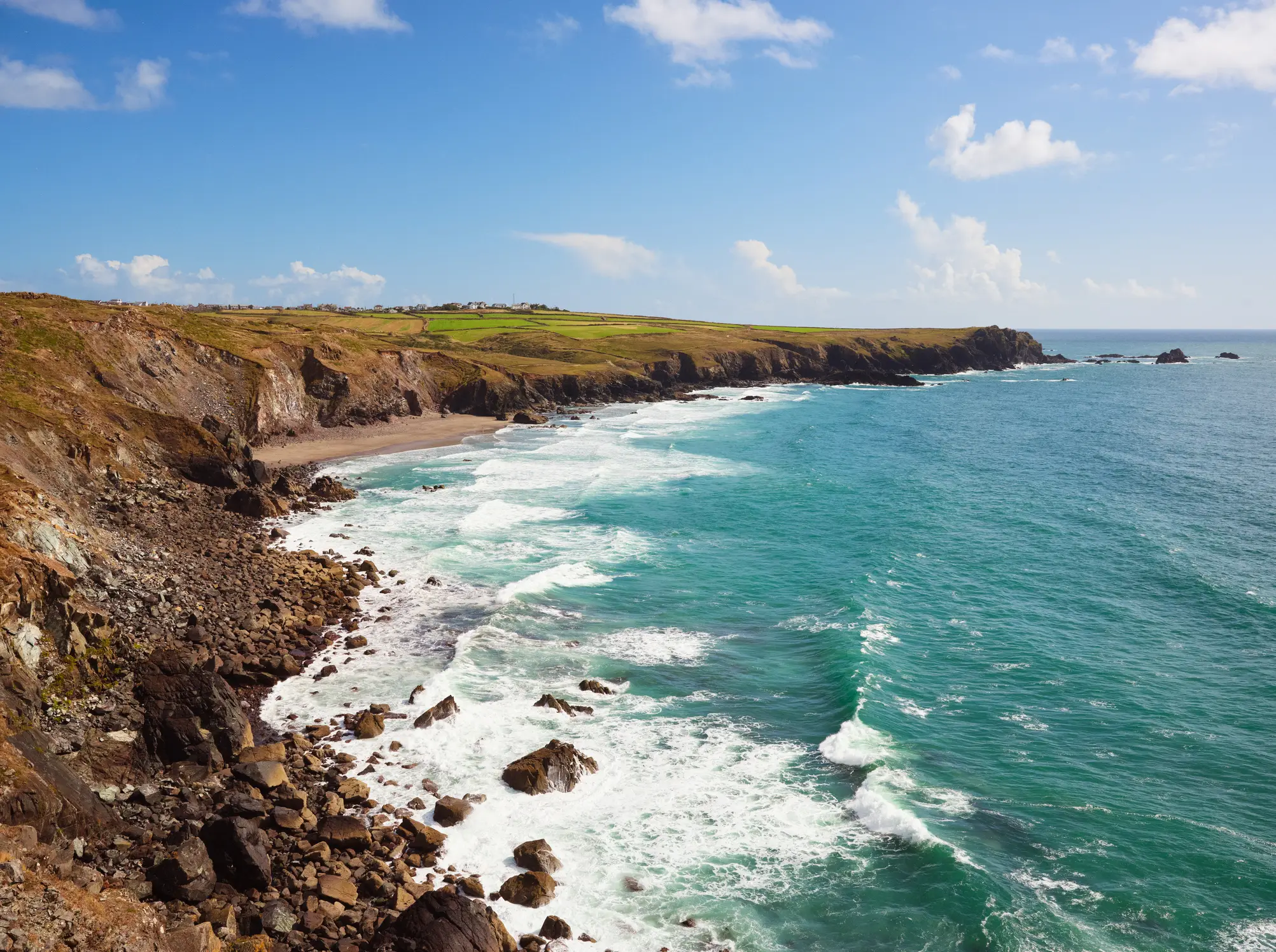
Crowds in Cornwall will have some of the the best views of the solar eclipse and are likely to see up to 95 percent from 6.15pm, with maximum sun coverage occurring to around 7.16pm. If you’re able to travel in time, experts have suggested spots with open skies, such as The Lizard peninsula to Land’s End.
The Scottish Highlands are also a good spot, including the Farore Islands and Svalbard. Edinburgh is set to witness 91 percent of the eclipse.
In Wales, the Eryri National Park (Snowdonia) is predicted to see around 90 percent coverage of the Sun.
Stargazers in Pembrokeshire could see 94 percent eclipse on Wednesday at sites like Poppit Sands National Park.
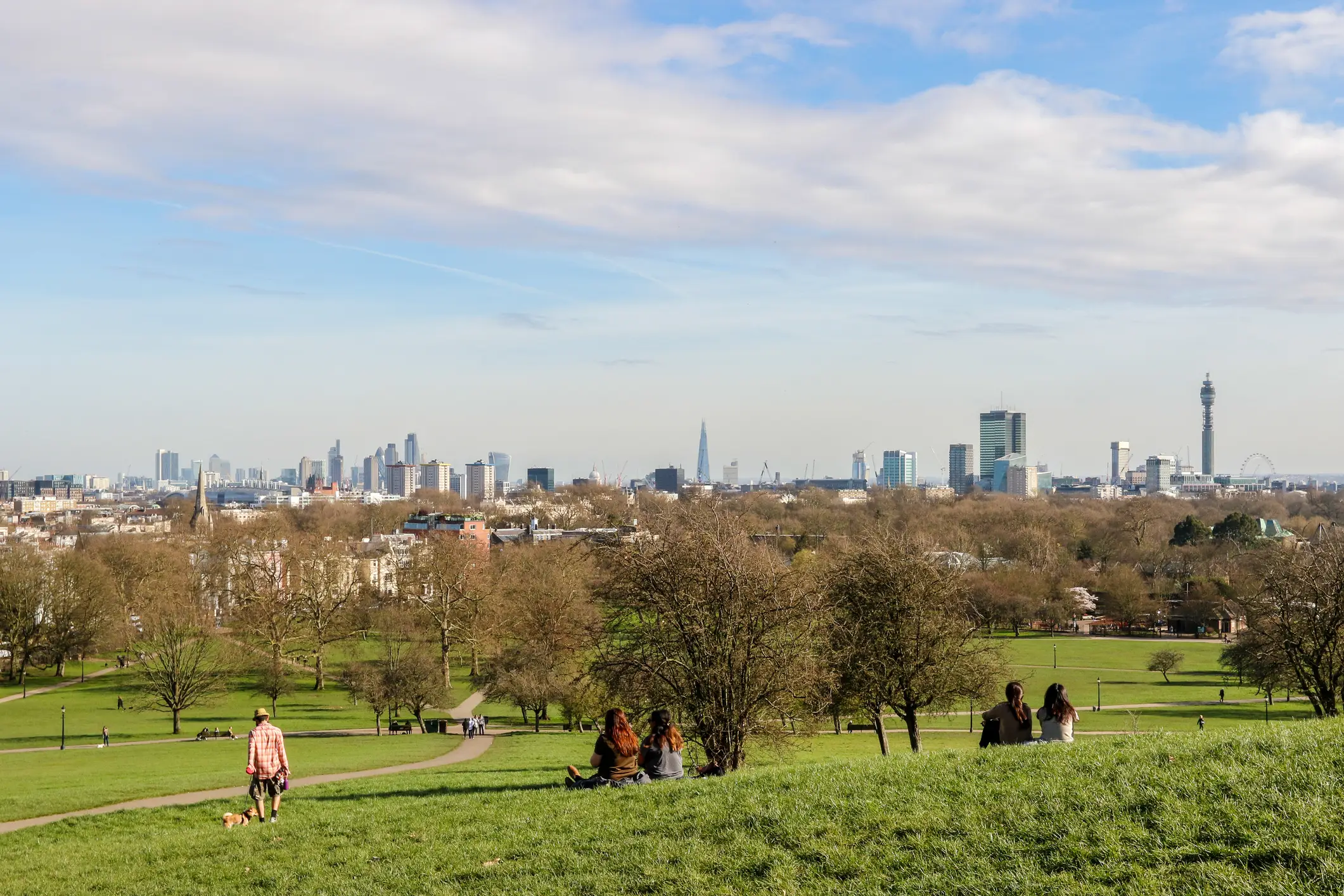
Viewpoints in London may be a little more harder to find because of all the tall buildings. People in the Capital should keep their eyes peeled (with specialist glasses or alternatives) at around 6.17pm. This is when the ‘first contact’ between the Sun and moon will take place.
It will reach 90 percent coverage from 7.12pm onwards. Experts have suggested Primrose Hill and Greenwich Park as good viewing points.
If you do go out to spot this once in a generation event, remember to avoid taking a picture using your phone.
NASA also warns that the intense sunlight can damage your phone's camera sensor if you point it directly at the Sun: "This is especially true if you're using any sort of magnifying lens attachment on the phone.
"You would need to utilise the proper filters just like on any other camera."
NASA added: "The best practice would be to hold a pair of eclipse glasses in front of your phone’s lenses when photographing the Sun at any point other than totality."
 Greg Harris