Wimbledon strict rule sees Serena Williams’ daughter banned from the court

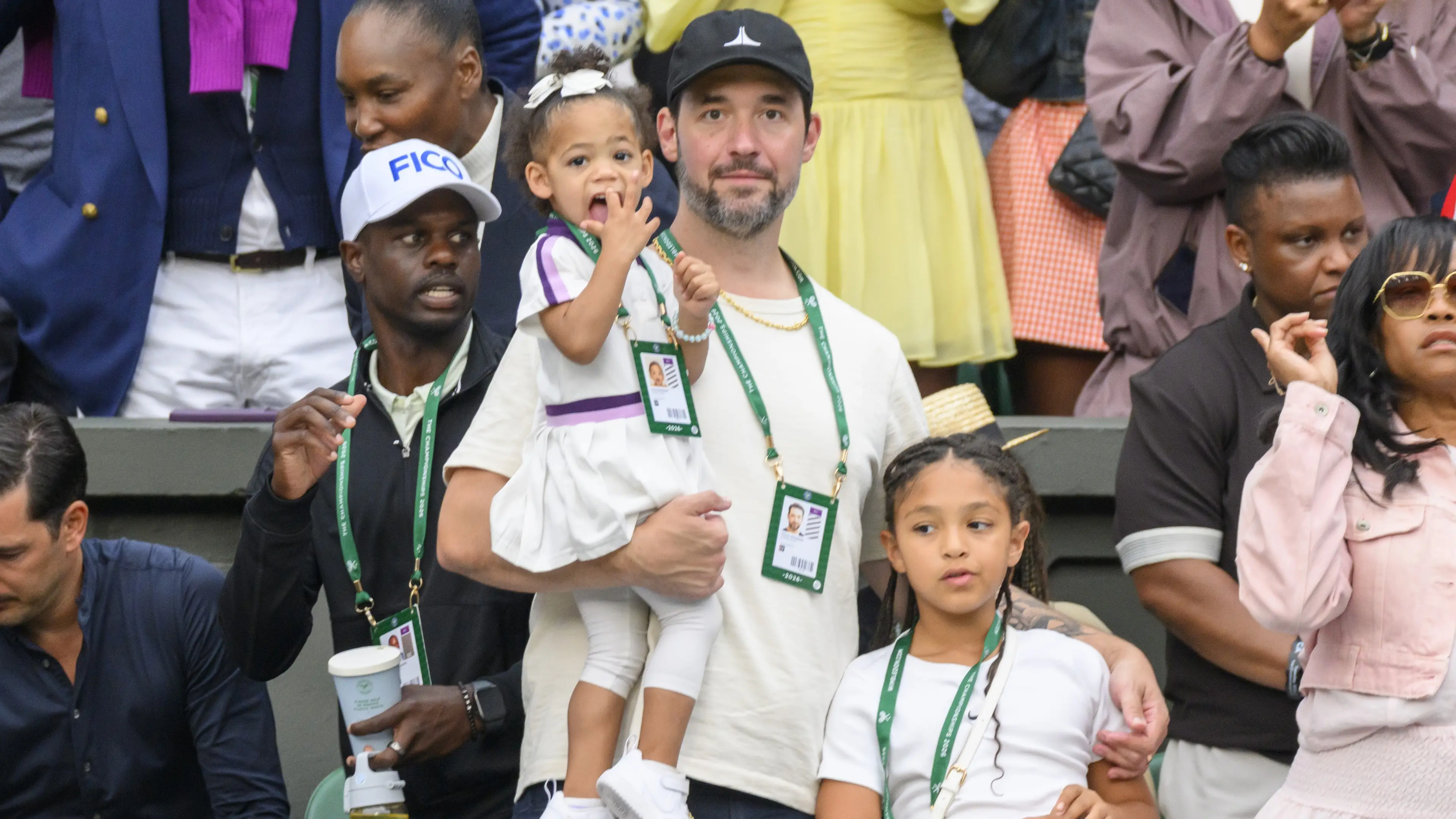
Serena Williams’ daughter was unable to watch her mum’s Wimbledon comeback because of a strict rule.
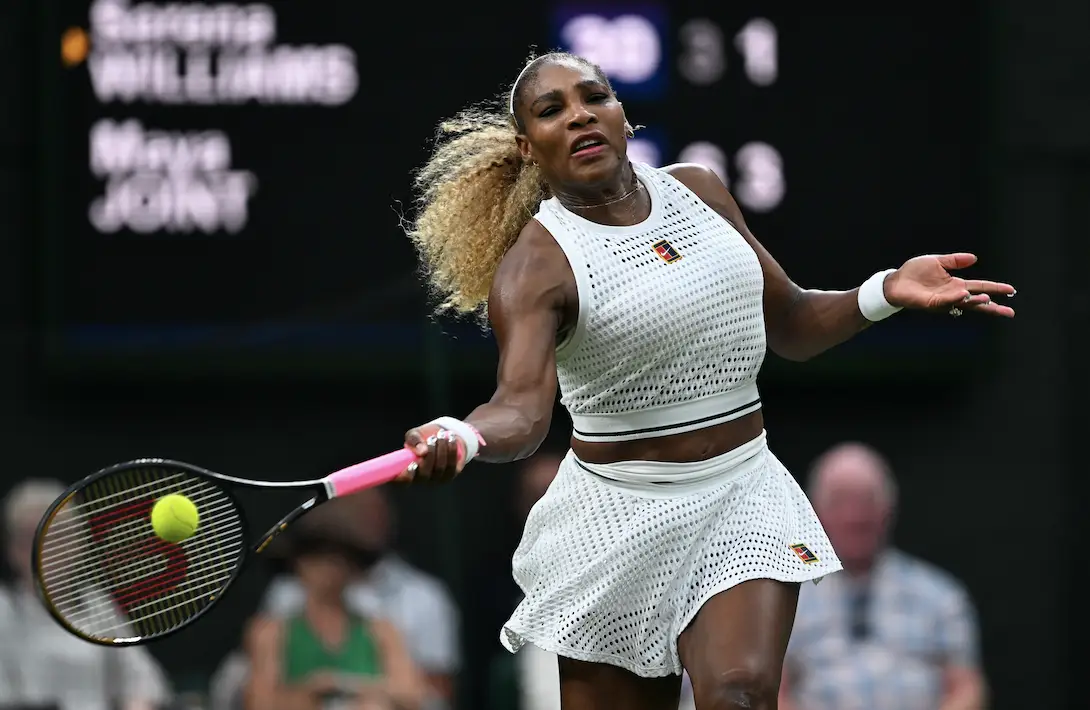
The 44-year-old tennis icon returned to the court on Tuesday (30 June) following a four-year absence, playing against Australian star Maya Joint in the first round on Centre Court.
Williams said she didn't put any pressure on herself ahead of her return to the court, saying ahead of the game: "I've had enough pressure. It's really about my kids getting to see me play."
Of course, Williams’ family were in attendence in the players’ box, including her elder sister Venus, 46, who will play doubles with her sister later this week.
Advert
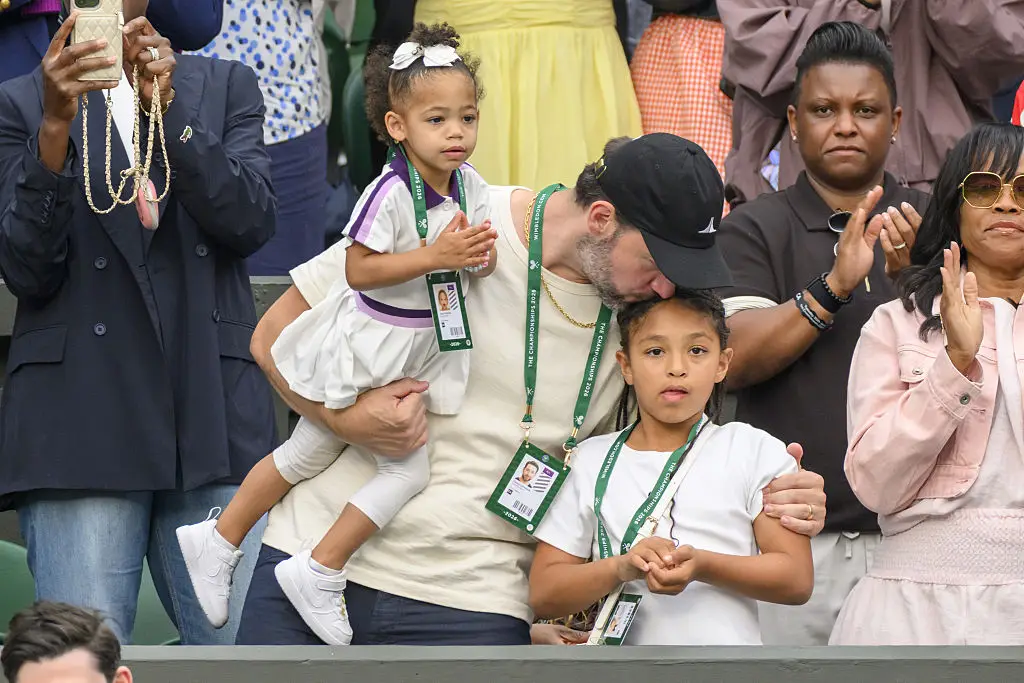
Her eldest daughter Alexis Olympia, eight, watched her mum warm-up alongside little sister Adira River, two, and their dad, Alexis Ohanian.
However, Wimbledon has a strict policy where children aged five or younger are not allowed to be courtside during the match.
This rule was also in place when Andy Murray retired two years ago and not all of his four children could watch his final appearance courtside.
The rule meant that Adira River had to be taken backstage while the match took place, which didn't begin until 7.30pm.
Williams’ return has caused some controversy already.
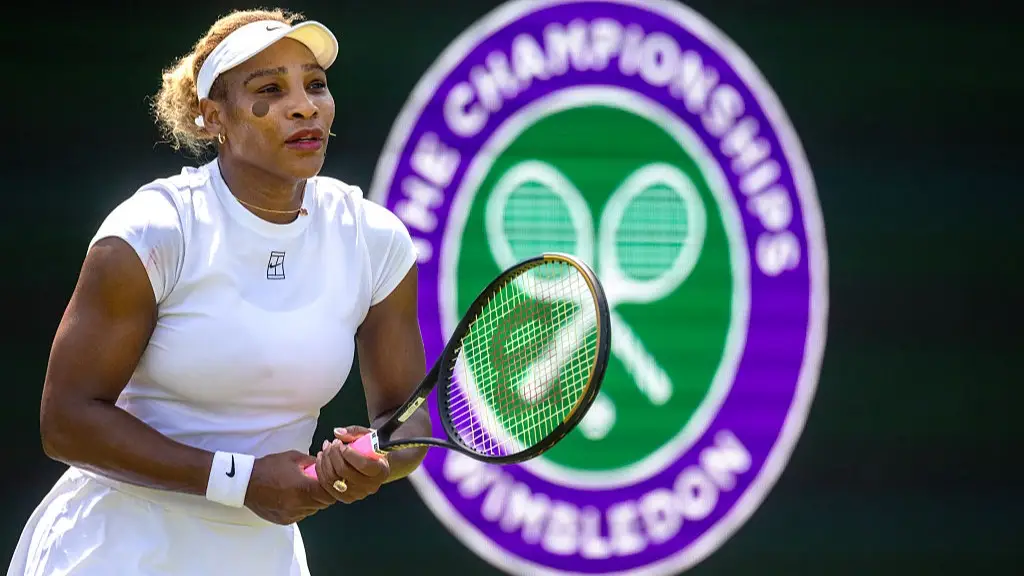
The seven-time Wimbledon singles champion was originally handed a wildcard to compete in the women's doubles alongside her sister Venus Williams, after making her competitive return to tennis earlier in June following four years away from the sport.
Neither Williams sister appeared on the initial list of singles wildcards, but after one final place remained available, Serena accepted an invitation to enter the singles draw.
Grand Slam-winning coach Calvin Betton has criticised both the wildcard and the decision to schedule Williams' opening match on Centre Court.
Speaking on the Tennis Unfiltered podcast, Betton said: "I don't think you can be doing stuff like this. Isn't it a gateway drug to getting people like Jake Paul in there? He would put bums on seats and give tournaments some marketing reach... Where's all this leading?
"I don't think it would be that by the way, that's me greatly exaggerating it, but what if one of the tournaments now says we would love to have Roger Federer playing and are willing to pay him millions?
"What if another tournament does the same with Rafael Nadal? It could get a bit silly.
"If she was coming back and saying, 'I'm having a run at this, my intention is to get back to the top of the rankings, and I want to see how well I can do', then I would be much more sympathetic to it, and I would even back it."
He continued: "But we're giving a wildcard to someone who's not seriously trying to compete at tennis anymore, and instead it's purely for promotional reasons.
"This is my biggest problem with it. We keep hearing that she wants to come back and win. But she doesn't want to win enough to stay around.”
Wimbledon’s strangest rules
Wimbledon has strict rules and regulations for pretty much everything - from the length of the grass to the temperature of the tennis balls, and you can be fined thousands of pounds for certain conduct violations.
Curfew
While at other grand slams, play continues late into the night, at Wimbledon there’s a strict 11pm curfew.
This means tennis fans sometimes have to go to bed on a cliffhanger.
Novak Djokovic and Rafael Nadal’s 2018 semi-final clash was suspended after the third set. Meanwhile, Andy Murray was particularly peeved when he was in the lead against Stefanos Tsitsipas in 2023, but went on to lose when the game was paused overnight and restarted the following morning.
Timed toilet breaks
Players are limited to one toilet break for matches up to three sets, and two if it goes on for longer.
They can only go during a set change and they have to be back within three minutes, or they risk giving a point to their opponent.
The longest ever Wimbledon match lasted a whopping 11 hours over three days, so players better get their nervous wees in before the match.
Temper tantrums
Players can be fined up to £36,900 for smashing their rackets. Djokovic is believed to have smashed over 60 of them over the course of his career.
Bad language can also result in the same maximum fine.
Countdown to serve
As soon as the ball goes out of play, the serving player has just 25 seconds to hit their serve, or the umpire can call a violation which could potentially grant a point to their opponent.
Fines for not trying hard enough
Players must demonstrate they’re giving their all to win the match. Australian player Bernard Tomic was fined an eye-watering £45,000 after he was accused of not putting in enough effort to beat French player Jo-Wilfried Tsonga, losing after just 58 minutes.
Age limits
Players have to be at least 14 to compete, which means youth sensations like Coco Gauff were initially barred from taking part.
Spectators, meanwhile, have to be accompanied by a guardian if they’re under 16. Under-fives aren’t permitted at all onto show courts.
This meant Serena Williams' two-year-old daughter Adira River couldn't watch her mum's comeback at this year's grand slam, while not all of Andy Murray's four children could watch his final doubles appearance in 2024.
The grass and the balls
Everything at Wimbledon is just so. The grass is cut to 8mm, which is apparently best suited for modern tennis play and for the grass to survive.
Meanwhile, the tennis balls are kept in a fridge in order to maintain a constant temperature of 20°C. A consistent temperature is important because it apparently affects the way the balls bounce. The more you know.
Tennis whites
It was originally just female players who were required to wear all-white on the court. According to Tennis Fashions: Over 125 Years of Costume Change, the rule was introduced because it was ‘quite unthinkable that a lady should be seen to perspire’. OK then…
Eventually, the rule was imposed on men too.
A single trim of colour is allowed around the neckline and sleeve cuffs, but this must be no thicker than 1cm.
In 2022, an exception was made so women could wear dark undershorts to feel more comfortable if they were on their periods.
 Greg Harris