
Scientists link very common eating habit to increased risk of Dementia

Scientists have shared a link between our eating habits and an increased risk of developing dementia in the future.
It's bad news if you're a fan of convenience foods, as researchers have found there is a 58 percent higher chance of developing dementia if you eat ultra processed foods.
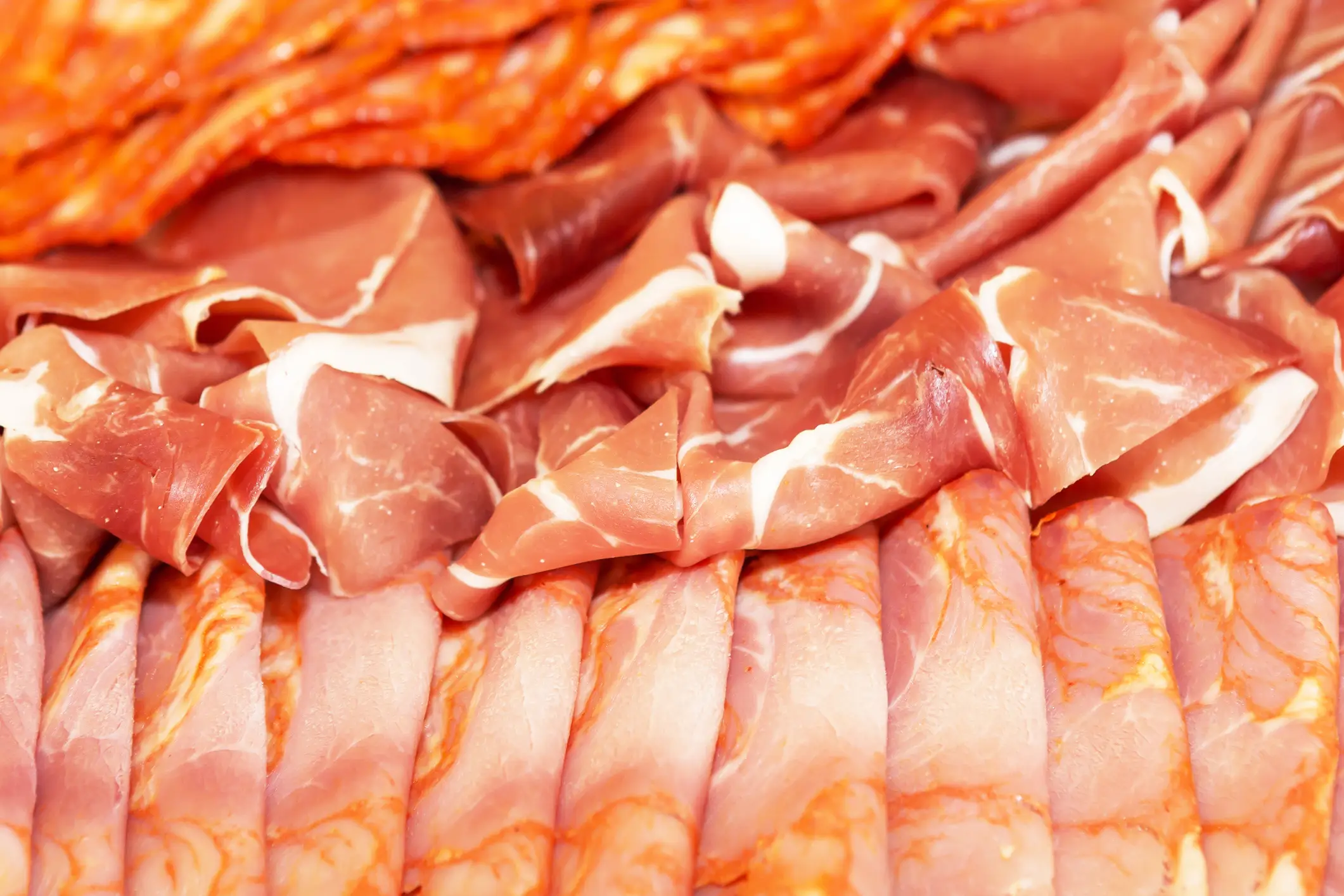
According to The Independent, the worst offenders are bacon, ham and other smoked meats.
The latest study was carried out by researchers at Harvard’s T.H. Chan School of Public Health, and looked at the health of more than 5,300 older adults over almost a decade.
Advert
They found that participants who ate more than two pounds (roughly 900g) of ultra processed foods like hot dogs and cookies per day not only has the 58 percent higher risk of dementia, but they also face a 46 percent heightened risk of cognitive impairment.

According to the Alzheimer’s Association, there are more than 7.2 million Americans living with the most common form of dementia, Alzheimer’s disease.
Shockingly, the experts predict this number could rise to 13 million by 2050, if things keep going as they are.
Researchers from Kansas University found that around 70 percent of the American diet is now made up of ultra-processed foods.
The Guardian reports that on the UK, more than half the average diet now consists of ultra processed food.
However, for some people who are younger, poorer or from disadvantaged areas, their diet may consist of up to 80 percent ult
The National Institute of Health found that ingredients were being added and tweaked in order to improve their shelf life, and to become 'hyperpalatable' thanks to the fat, salt and sugar content.
Eating smaller amounts, around a pound, counts as moderate consumption and the study found it is still causing problems for the brain.
Cindy Leung is an associate professor of public health nutrition, and she told The Wall Street Journal: “Just to say, ‘well, I don’t eat all my calories from ultra processed foods, I’m safe.’ It really shows there may not be a safe level."
Barbara Cardoso is a senior lecturer of nutrition dietetics and food at Australia’s Monash University, and she told CNN that such ultra processed foods 'have been associated with negative changes in the endocrine system and the gut microbiota, and these could lead to negative neurological outcomes."
She added that they have also been linked to 'diabetes, hypertension, obesity and high LDL cholesterol, and as such could indirectly impact cognitive health,” as they are also known risk factors for dementia.
One commenter reacted to the news: "Well duuuuuuh! 'You are what you eat' was never an empty lesson in life."
"This is a massive piece of the puzzle," added another. "It highlights that metabolic health and mental health don't exist in vacuums. When you combine the chronic neuroinflammation driven by ultra-processed diets with the accelerated cortical atrophy caused by severe social isolation, you're essentially creating a perfect storm for cognitive decline. We have to treat the lifestyle and the loneliness."
One wrote sadly: "So now even my late-night chips and frozen pizza are plotting against me? Can’t trust anybody these days."
However, one defiant commenter insisted: "I'm a grown man. I'll eat what I want."
One flaw with the system is that the study’s data is self-reported by the participants, so the researchers stress that they can’t actually prove ultra processed foods are the cause of dementia and cognitive decline, but that it looks very likely.
Topics: Health, Science, Food and Drink, Mental Health
 Jen Thomas