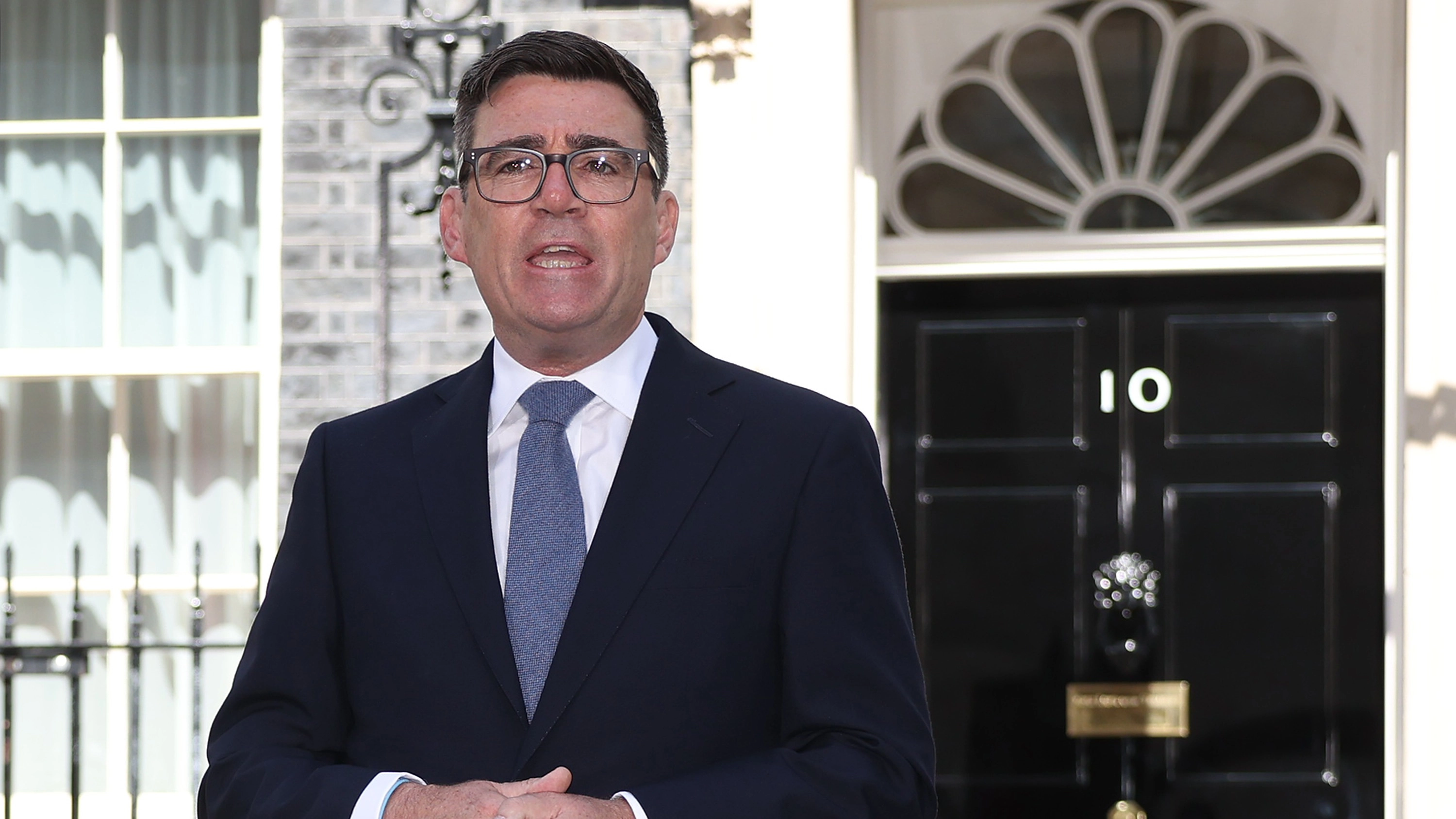
Andy Burnham becomes first-ever Prime Minister to break historic tradition during speech

He's only been Prime Minister for a couple of hours, and already Andy Burnham is shaking things up.
The former Manchester mayor became the Prime Minister of Great Britain earlier today (20 Jul), weeks after outgoing Labour leader Sir Keir Starmer announced his resignation.
Following a meeting with King Charles III, where he was asked about his plans to form a Government, Burnham rushed to 10 Downing Street, where he delivered his first speech as the nation's frontman.
Speaking to the millions of viewers tuning in from home, the 56-year-old discussed his decade-long plan to change the UK, claiming it would begin by cutting personal taxes and tending to the country's cost of living crisis.
Advert
"I am acutely conscious that I am the sixth person in the last 10 years to walk up this street, the seventh prime minister since 2016, making this a moment for reflection and new resolution," he began.
"It requires my generation of politicians to raise our game and rise to the new challenge."
Burnham added: "Britain needs to show the world that we can regain our stability once again."
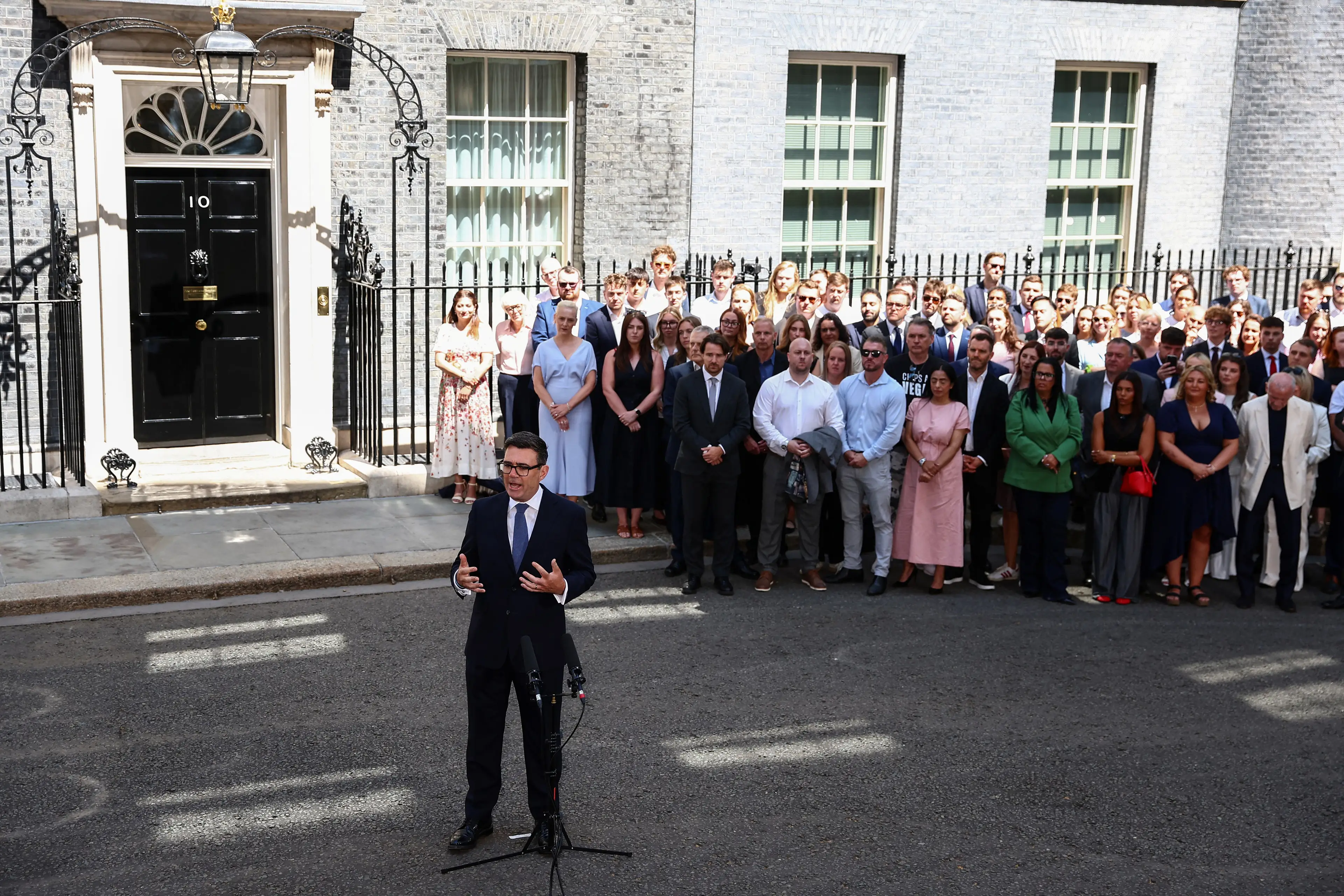
What distracted many spectators, however, was that the left-wing leader wasn't standing behind a lectern as he spoke - a protocol traditionally followed by his predecessors for decades.
In fact, he's the first Prime Minister in history not to rely on the one conventional hallmark of a Downing Street address.
Burnham even hired the famous 'hot podium guy' to remove the lectern used by Starmer hours earlier to deliver his final farewell speech.
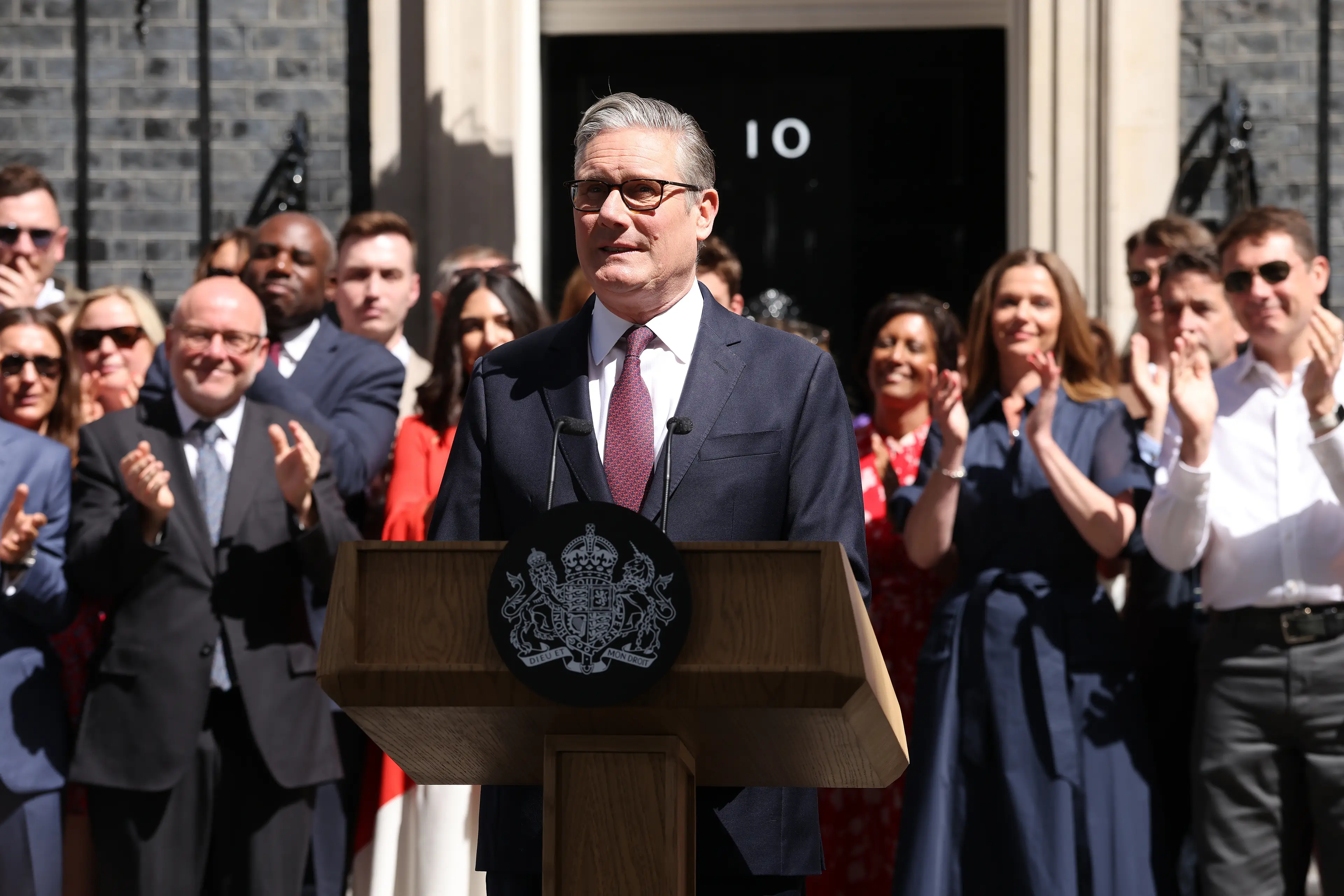
Apparently, the decision not to use it symbolised his intention of running Downing Street a little differently than residents might be used to, and the changes he intends to deliver as PM, as per The Independent.
Elsewhere in his speech, Burnham vowed he'd 'make this moment a circuit breaker for Britain', with the biggest transformation in the last 40 years.
He said: "We will change politics, to make it more collaborative, more about problem solving than point-scoring, and will take power out of here and carry it into every postcode in the land, so that they can do more, and in doing more, build a new economy where we put life’s essentials back under stronger public control to make them affordable to you again, reindustrialising Britain using public procurement to back British industry."
Topics: Andy Burnham, Politics, UK News, News
 Rhianna Benson