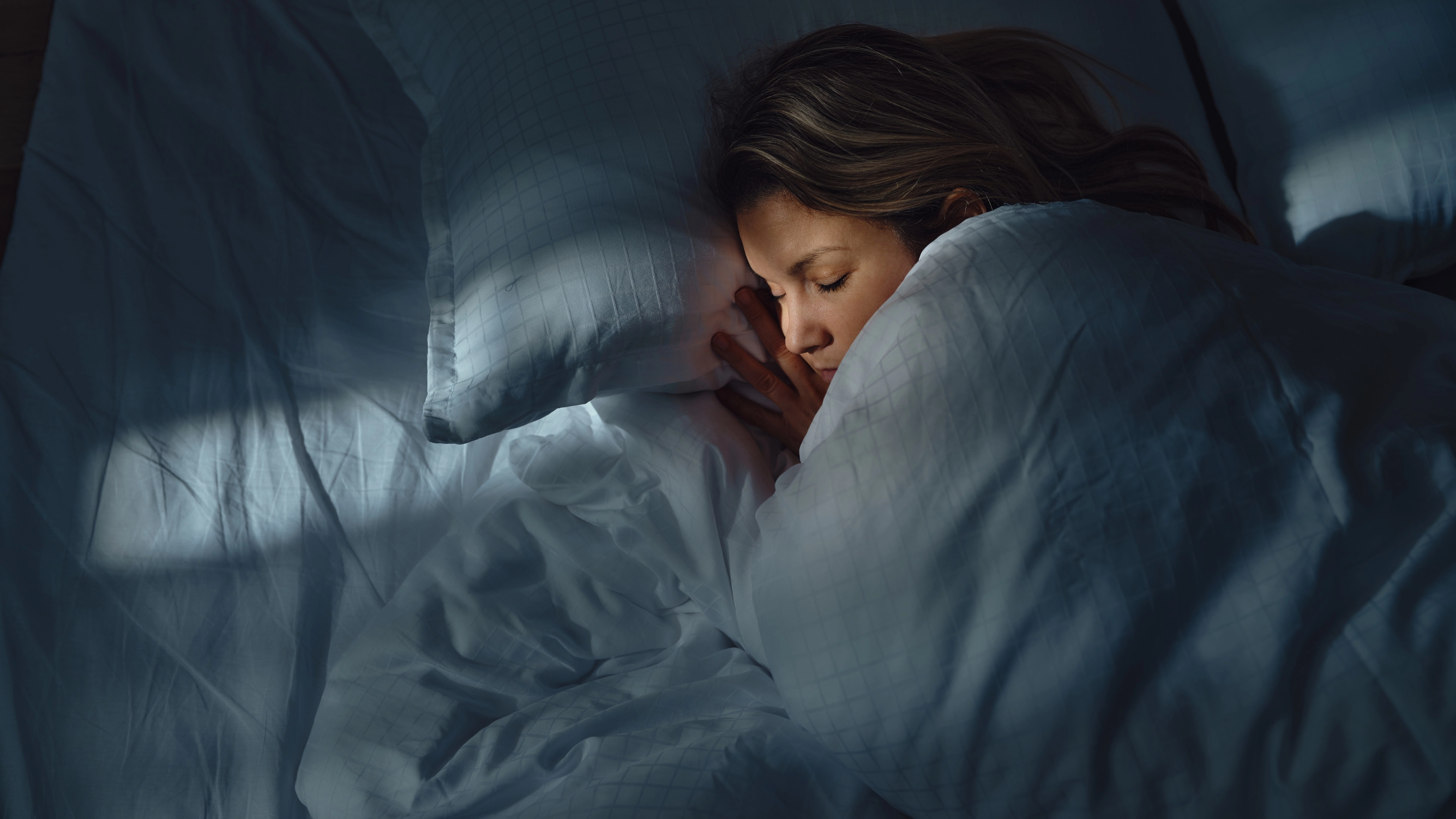
Neurologist urges people to stop common sleep habit as dementia risk revealed

A neurologist has urged people to refrain from a common sleep habit over the risk of dementia.
Dementia is a devastating syndrome associated with a decline in brain function, caused by many different factors.
Symptoms include problems with memory loss; thinking speed, and mental sharpness; language; understanding; mood; movement and completing daily activities.
There are many different types of dementia, and there are a variety of other risk factors associated with it, such as age, genetics, gender and ethnicity.
Advert
There are also more controllable risk factors, as according to Alzheimer's Research UK, almost half of dementia cases worldwide are linked to risk factors that we have some control over.
These include factors such as diet, smoking, social interaction and other medical conditions, such as diabetes or hearing loss.

Over on TikTok, neurologist @doctor.bing explained that stopping one common sleeping habit could help reduce the risk of dementia.
As a neurologist, Dr Bing explained three things that he doesn't do as a neurologist.
Avoid wearing headphones or earbuds in bed
He said: "Number one, I do not wear headphones to bed. If you are one of those people who wears headphones to bed, make sure that the sounds you are playing are quiet and not loud.
"Because loud sounds can damage the hair cells in your inner ear and over time, can raise your risk of hearing loss and dementia."

Dr Bing also added: “Also wearing earbuds and headphones for hours can trap moisture and bacteria which then increase the risk of developing ear infection. And if you're listening to loud sounds during sleep it might interrupt your deep sleep and disrupt your lymphatic system, which is your brain's nightly cleaning cycle that cleans out toxins.”
The importance of having regular check-ups
Dr Bing previously said that even mild hearing loss can increase your risk of dementia, which is why it's so important to have regular check-ups.

“If you're having trouble hearing, don't wait get it checked out and consider hearing aids if needed. It's about more than just hearing; it's about keeping your brain engaged and active," he said.
While the link between hearing loss and dementia is not fully understood, those with hearing loss may also be more likely to withdraw socially and become isolated, which can also be a risk factor for the disease.
Alzheimer's Society explains: "Hearing loss may also mean that the areas of the brain that help us understand sounds and speech have to work harder to understand what sounds are. This additional effort may lead to changes in the brain that affect our memory and thinking abilities."
Topics: Health, Sleep, Social Media
 Lucy Devine