
Which Royal Family members can go to prison as Andrew Mountbatten-Windsor is arrested

News of Andrew Mountbatten-Windsor's arrest has prompted a series of questions about how the law works surrounding the Royal Family.
For those who missed it, it emerged this morning that the former Prince and Duke of York, who turns 66 today (19 February), was arrested on suspicion of misconduct in public office, and is in police custody.
Thames Valley Police confirmed an arrest earlier this morning, following allegations made against the former prince after millions of pages of files were released by the Department of Justice last month, related to paedophile financier Jeffrey Epstein.
The force previously said it was reviewing allegations that a woman was trafficked to the UK by Epstein to have a sexual encounter with Andrew, as well as claims he shared sensitive information with the paedophile while serving as the UK’s trade envoy.
Advert
Assistant Chief Constable Oliver Wright said: "Following a thorough assessment, we have now opened an investigation into this allegation of misconduct in public office.

"It is important that we protect the integrity and objectivity of our investigation as we work with our partners to investigate this alleged offence.
"We understand the significant public interest in this case, and we will provide updates at the appropriate time."
Andrew has continuously denied any wrongdoing in relation to Epstein.
He is the first senior royal in modern history to be arrested, so questions have been popping up over exactly what's going to happen next, including whether Royal Family members can go to prison.
Can Royal Family members go to prison?
Despite seeming untouchable, members of the UK Royal Family can go to prison if they are found guilty of a crime. If they act against the law, they will find themselves in the same position as any other citizen of the country, and contrary to popular belief, they don’t have any special immunity.
However, circumstances are different for the ruling monarch, who has sovereign immunity.
Sovereign immunity is essentially a centuries-old doctrine that outlines how the monarch cannot be prosecuted or subject to civil legal action under the law.
As per Newsweek, the Royal Family's official website reads: "In the earliest times, the Sovereign was a key figure in the enforcement of law and the establishment of legal systems in different areas of the UK. As such, the Sovereign became known as the 'Fount of Justice'.
"While no longer administering justice in a practical way, the Sovereign today still retains an important symbolic role as the figure in whose name justice is carried out, and law and order is maintained.
"Although civil and criminal proceedings cannot be taken against the Sovereign as a person under UK law, the Monarch is careful to ensure that all their activities in a personal capacity are carried out in strict accordance with the law."
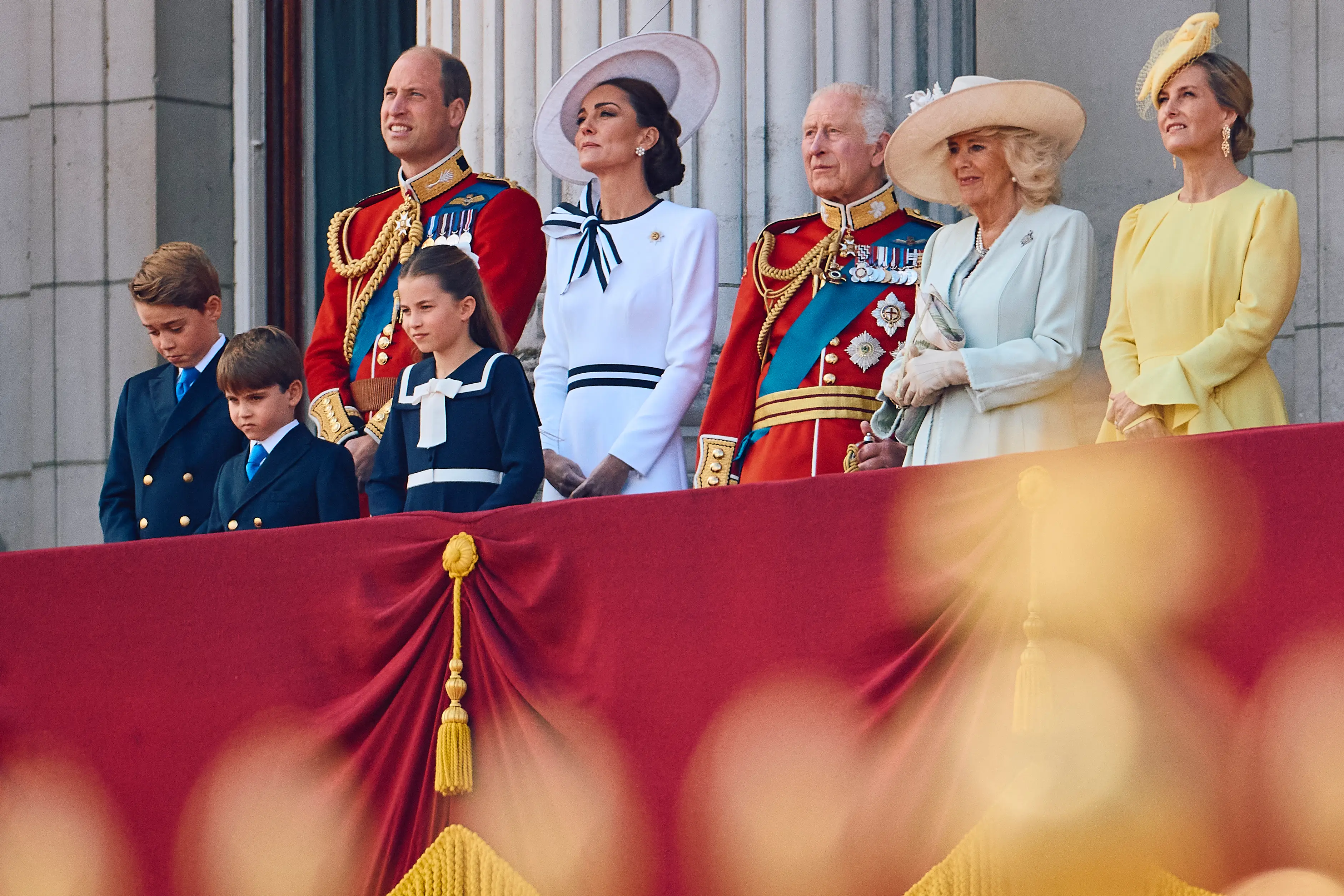
Have any British Royal Family members ever gone to prison?
No members of the UK Royal Family have ever gone to prison.
However, back in 2002, Princess Anne actually became the first member of the Royal Family to be convicted of a criminal offense.
The sister of King Charles III pleaded guilty to a charge under the Dangerous Dogs Act after her three-year-old English Bull Terrier bit two children in Windsor Great Park.
As reported by Metro, the royal was fined £500 and ordered to pay £250 in compensation, as well as £148 in costs.
Topics: Prince Andrew, Royal Family, Jeffrey Epstein, UK News, News, World News, Explained
 Madison Burgess