
UK households to have yearly bill increase and it’s down to Iran war

It's not the news anyone wants to hear when many of us are feeling strapped for cash, but bills are set to go up again due to the Iran war.
As well as flights being cancelled, shortages of jet fuel and holidays going down the drain, now most of us are probably going to have to pay more for our household bills in the midst of a cost of living crisis.
It comes as the energy cap is going to rise by a whopping 13% due to the conflict, started by US President Donald Trump, which is still waging now and causing issues with the Strait of Hormuz.
In the middle of a heatwave with temperatures soaring, it's hard to imagine a cold winter, but it will be a chilly one for many Brits as the cost of energy is going to rocket as the cap rises.
Advert

The rise was announced by Ofgem, the UK's energy watchdog, and will come into action from July.
This will work out on average to an extra £18 a month for your energy bill, to the tune of £221 per year more.
The rise is mostly due to the impact the war is having on fuel markets and oil prices.
The biggest increase will be to gas bills, which are set to go up by 24%, while electricity bills will go up by 5% for an average household from July 1.
Back in April, the cap had given some families respite and reduced bills by around £117.
Unfortunately, the cap is evaluated and reset every three months, hence this new rise.
The conflict over the Strait of Hormuz is leading to delays in crude oil, causing shortage fears.
Tim Jarvis is the Ofgem chief executive, and according to Metro he said: "Today’s price change reflects continued volatility in global energy markets. This means higher wholesale gas prices, driven by ongoing conflict in the Middle East, is impacting the price we pay for energy."
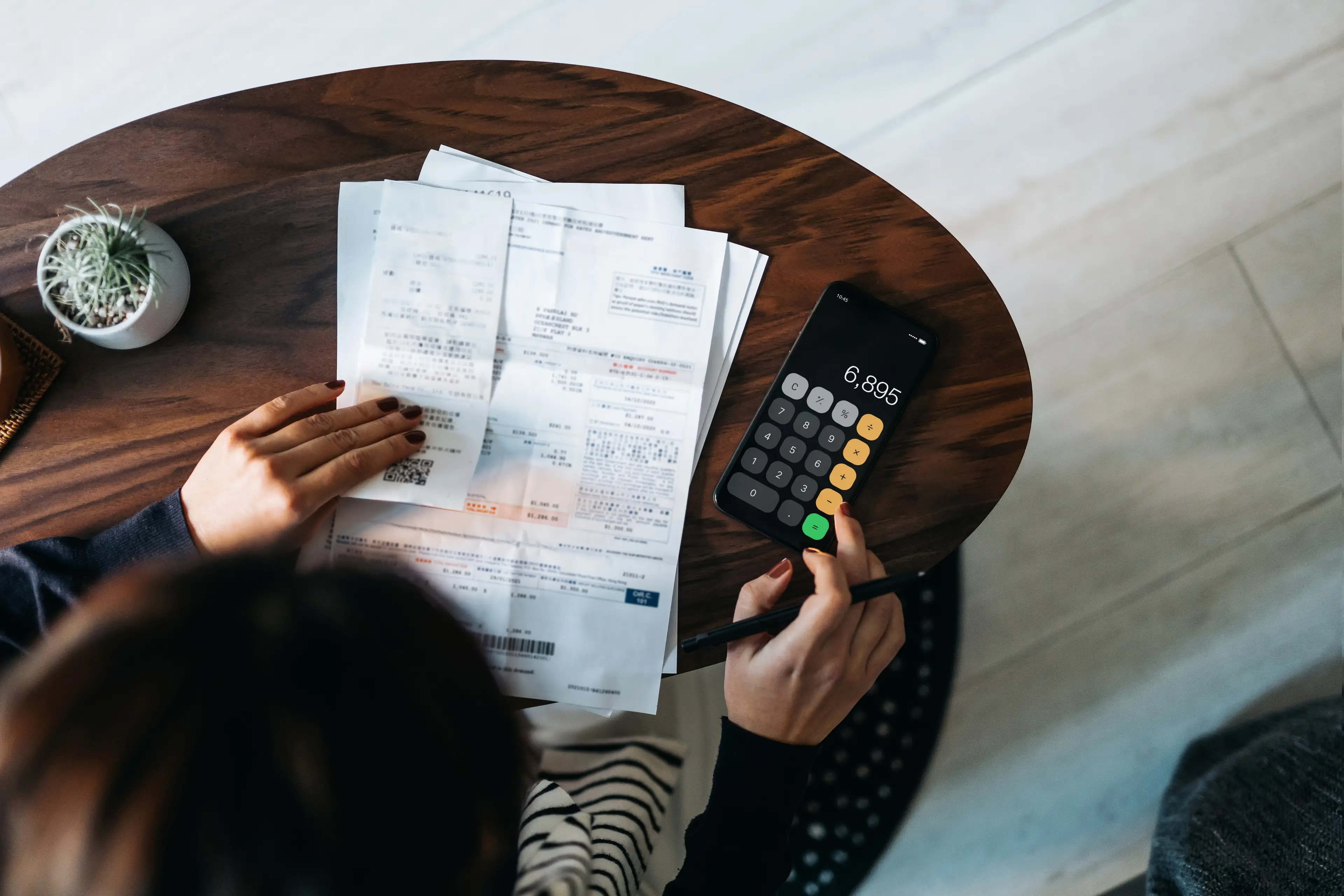
We understand many will be concerned about rising prices. While energy use typically falls over the summer months, there are still practical steps households can take to manage costs, including exploring fixed tariffs or changing their payment method. Smart meter customers can also take advantage of half-price or cheap electricity at the weekends.
‘While our energy supplies remain secure, the best way to limit this exposure is by investing in our energy network. That’s why we’re unlocking the funding needed for the biggest transformation of our lifetime to deliver a system that is secure, resilient and works for consumers across Great Britain.’
Money Saving Expert warned it could have been worse, were it not for the April reduction: "The July hike is going to be about 13%."
"But had the government not made those policy changes in April it would have been another roughly 7% higher.
"The price came down in April. It’s going up by 13%. It would have still gone up by 13%, but it would have been off a higher basis, because the April price would have been higher if we hadn’t had those changes."
Energy secretary Ed Milliband said the fact the rise is coming ‘because of a war we did not choose is deeply unwelcome news for households.’
He said: "We will continue to monitor the situation ahead of the winter and plan for all contingencies. In the immediate term, it is essential to de-escalate this conflict to bring oil and gas prices down, and as Britain faces the second fossil fuel crisis of this decade, we must learn the right lessons."
Topics: Politics, Money, UK News, Cost of Living
 Jen Thomas