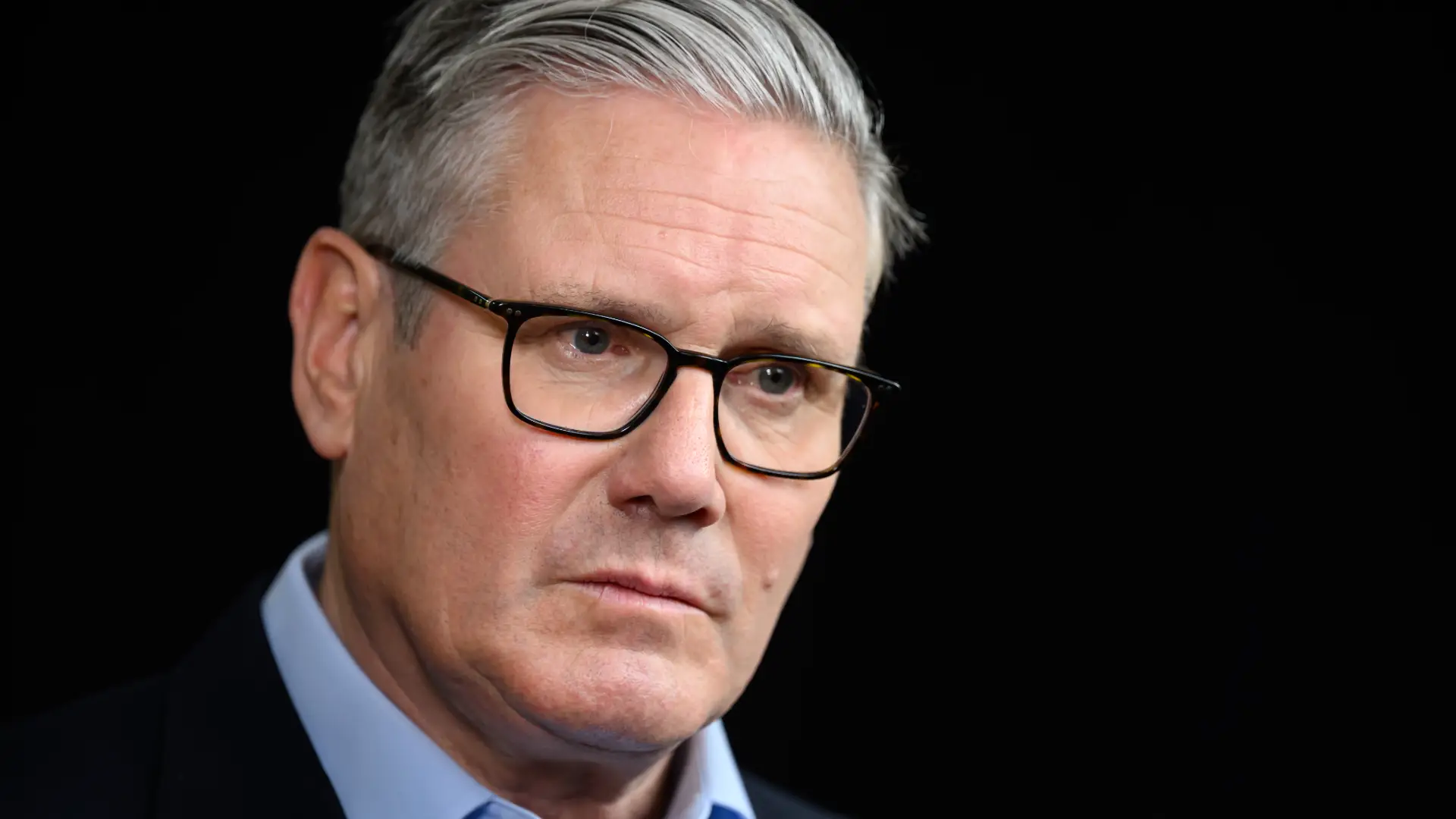
Everything that would happen if UK’s PM Keir Starmer resigned as pressure mounts

Pressure is mounting for the United Kingdom's Prime Minister, Keir Starmer, to resign following Labour's local election results.
The party lost more than 1,400 councillors in last week’s elections, while rumours of internal panic have been bouncing around Westminster ever since.
Starmer, however, is still refusing to budge. Speaking earlier this week (12 May), he said: "The Labour Party has a process for challenging a leader, and that has not been triggered.
"The country expects us to get on with governing. That is what I am doing and what we must do as a Cabinet."
Advert
Still, with more than 80 MPs reportedly urging him to stand aside, and Jess Phillips resigning from her role, talk of a leadership battle is getting louder.
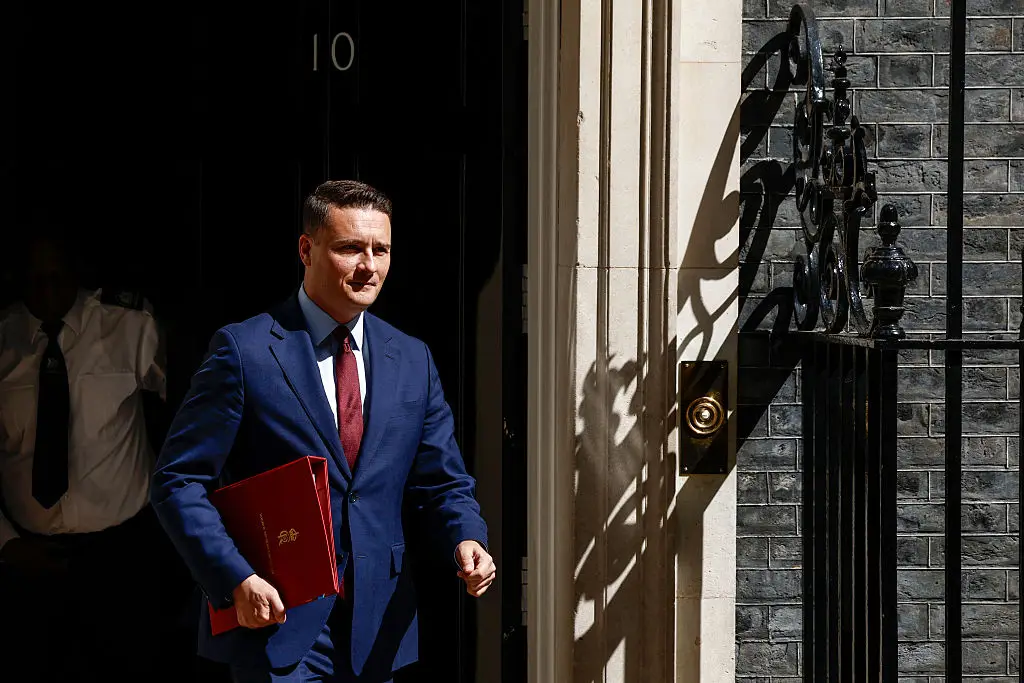
Names already being floated as possible successors include health secretary Wes Streeting and Greater Manchester mayor Andy Burnham, though nobody has formally launched a campaign.
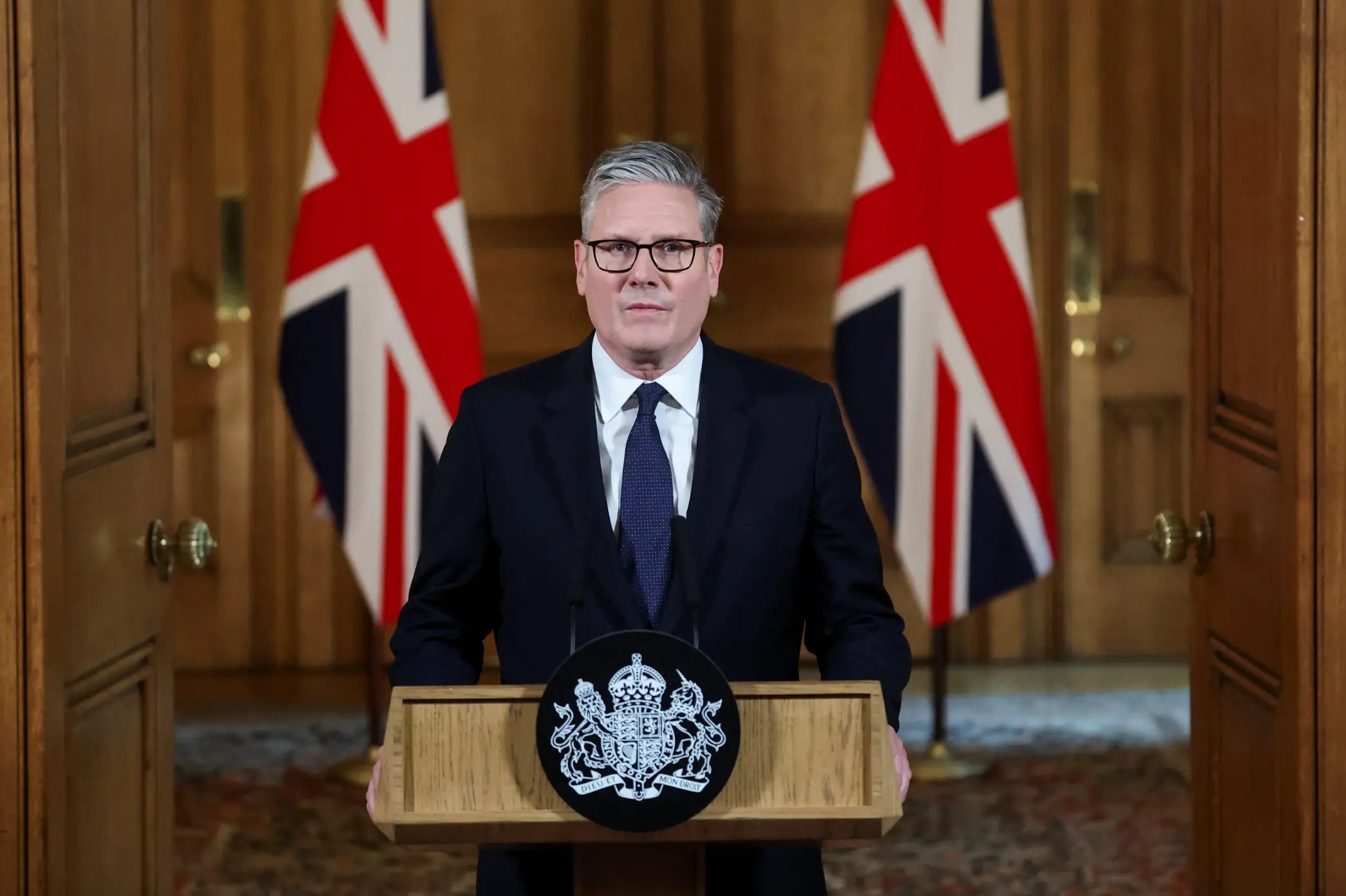
Additionally, PA reports that Labour’s affiliated unions have called for a plan to be put in place for the election of a new leader of the Labour Party.
A statement from the TULO group, which represents 11 unions, said Labour 'cannot continue on its current path'.
The unions, including Unite, Unison and the GMB, said: "It’s clear that the Prime Minister will not lead Labour into the next election, and at some stage a plan will have to be put in place for the election of a new Leader."
So, what would actually happen if Starmer did resign?
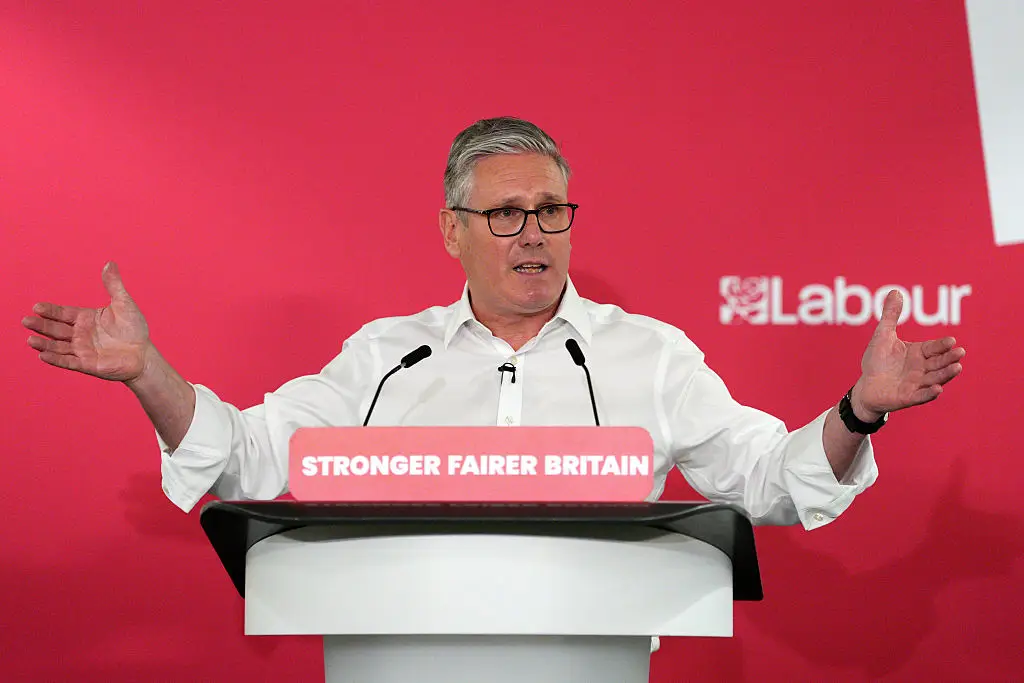
Starmer would likely stay on temporarily
The UK must always have a Prime Minister, so if Starmer offered his resignation, he would probably remain in post until a replacement was chosen.
That replacement would be decided through a Labour leadership election, which is automatically triggered if the party leader steps down.
Labour MPs would begin a leadership contest
The contest happens in two stages.
First, Labour MPs put themselves forward as candidates. Labour MPs then vote through several rounds until only two contenders remain.
After that, Labour Party members vote to choose the next leader, and whoever wins would automatically become Prime Minister.
Britain would not automatically get a general election
A new Prime Minister does not have to call a general election.
Given Labour’s local election results, the party would probably rather avoid one for as long as possible.
Several Prime Ministers have entered Downing Street this way without immediately going to the country.
Gordon Brown replaced Tony Blair in 2007 without a public vote, though he later lost the 2010 general election to David Cameron.
Theresa May also took office through a Conservative leadership contest after Cameron resigned in 2016. She later called a snap election in 2017 to strengthen her position during Brexit negotiations.
A snap election could still happen later
The next general election must legally happen by August 2029.
But the Prime Minister can choose to call one earlier, known as a snap election.
The UK has had plenty of these, with Theresa May’s 2017 election coming just two years after the previous national vote.
So even if Starmer resigns tomorrow, voters may not be heading to the polls any time soon.
Keir Starmer’s road to resignation: a timeline
Starmer’s premiership has been controversial from the off, in a government rife with U-turns on issues like the two-child benefit cap and pensioners’ winter fuel allowance.
But this is when the writing was truly on the wall for Starmer:
20 December 2024
Starmer appoints Peter Mandelson as the UK’s ambassador to the US, a decision he will come to regret
28 January 2025
We didn’t know this at the time, but on this date, UK Security Vetting (UKSV) advises that Mandelson should be denied security clearance. The following day, the Foreign Office decides to ignore UKSV’s guidance.
1 July 2025
Starmer is forced into a significant U-turn on plans to cut welfare payments, and 49 MPs still vote against the amended bill. It’s the biggest rebellion of Starmer’s premiership, and exposes tensions between Labour MPs and No 10 which aren’t going to go away.
10 September 2025
Bloomberg publishes emails from Mandelson to Jeffrey Epstein advising him to ‘fight for early release’, sent in 2008, the day before he reported to jail after being convicted of soliciting prostitution from a minor.
11 September 2025
Mandelson is sacked as US ambassador. That month, the Labour Party conference is dominated by rumours that Manchester mayor Andy Burnham is looking to mount a leadership challenge.
25 January 2026
Andy Burnham is blocked from standing as an MP in the Gorton and Denton by-election, leading to further unrest within the Labour Party
30 January 2026
The US government releases the largest tranche of documents relating to Epstein so far. Emails within the files suggest Mandelson passed on sensitive government information to Epstein, and lobbied the Treasury on his behalf during his tenure as business secretary in Gordon Brown’s government. Labour MPs are furious about the revelations.
23 February 2026
Mandelson is arrested on suspicion of misconduct in public office.
7 May 2026
A disastrous polling day for Labour, the worst local elections result for the party on record, losing almost 1,500 councillors in England, with Reform making huge gains.
9 May 2026
Labour MP Catherine West demands that a cabinet minister challenge Starmer for the leadership, or she will herself. She later backs down.
11 May 2026
It’s widely reported that four senior cabinet ministers, including Home Secretary Shabana Mahmood and Foreign Secretary Yvette Cooper, are telling Starmer to set out a timeline for his departure. Meanwhile, nearly 80 Labour MPs are thought to have signed Catherine West’s letter demanding Starmer resign. Starmer delivers a speech saying he’s ‘not walking away’, while admitting: “The British people are tired of a status quo that has failed them.”
Topics: Politics, UK News, Keir Starmer, Explained
 Rhiannon Ingle