Critically ill cruise passenger with hantavirus is now relying on an artificial lung

A French woman who’s battling hantavirus after travelling on the MV Hondius cruise ship is now critically ill and relying on an artificial lung, doctors caring for her have confirmed.
The update comes as new positive cases emerged this week, linked to the deadly outbreak on the Dutch vessel.
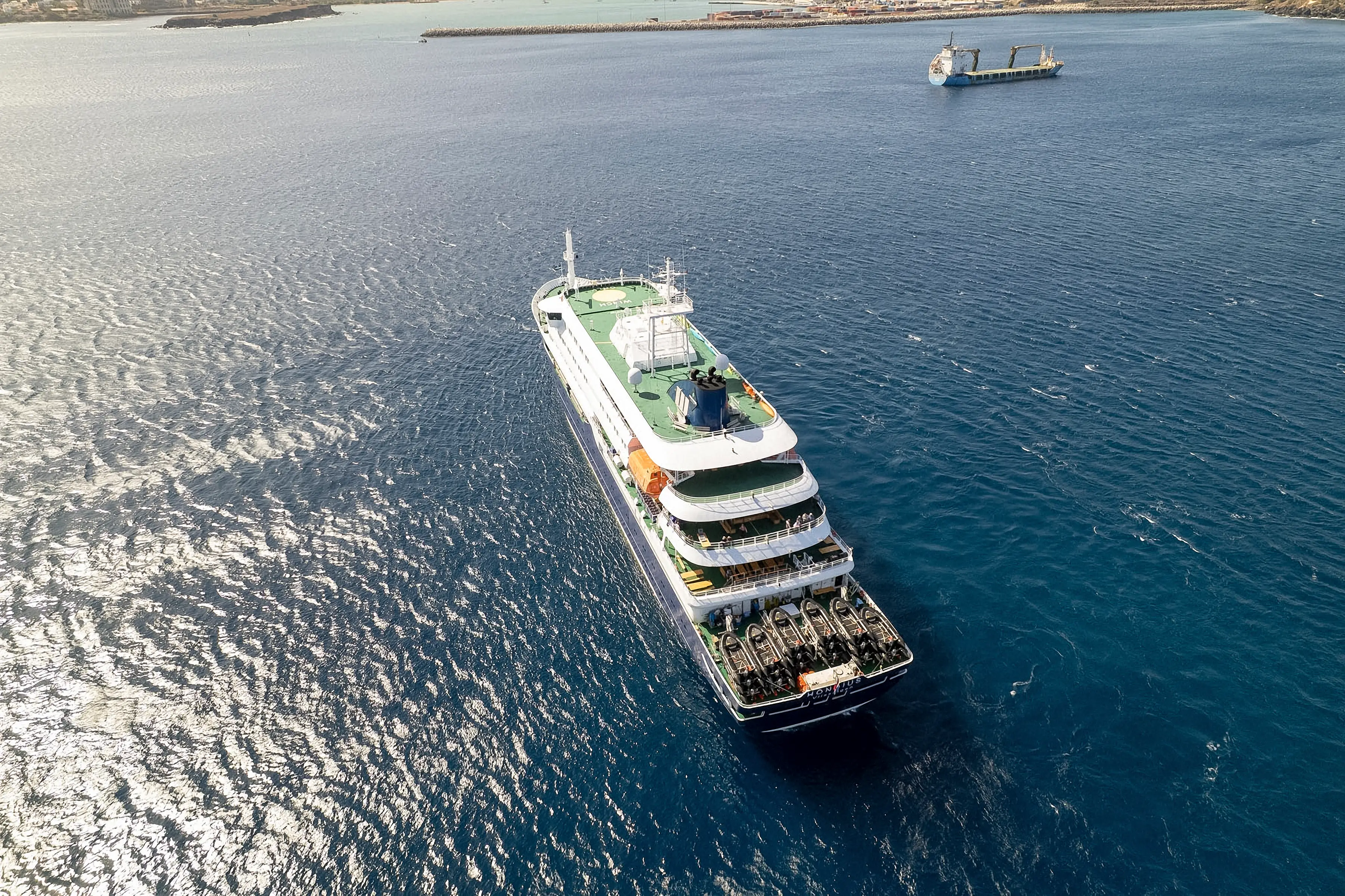
Since MV Hondius departed on 1 April, travelling from Argentina to Cape Verde, three people have died, and nine cases of hantavirus have been confirmed, as well as two suspected.
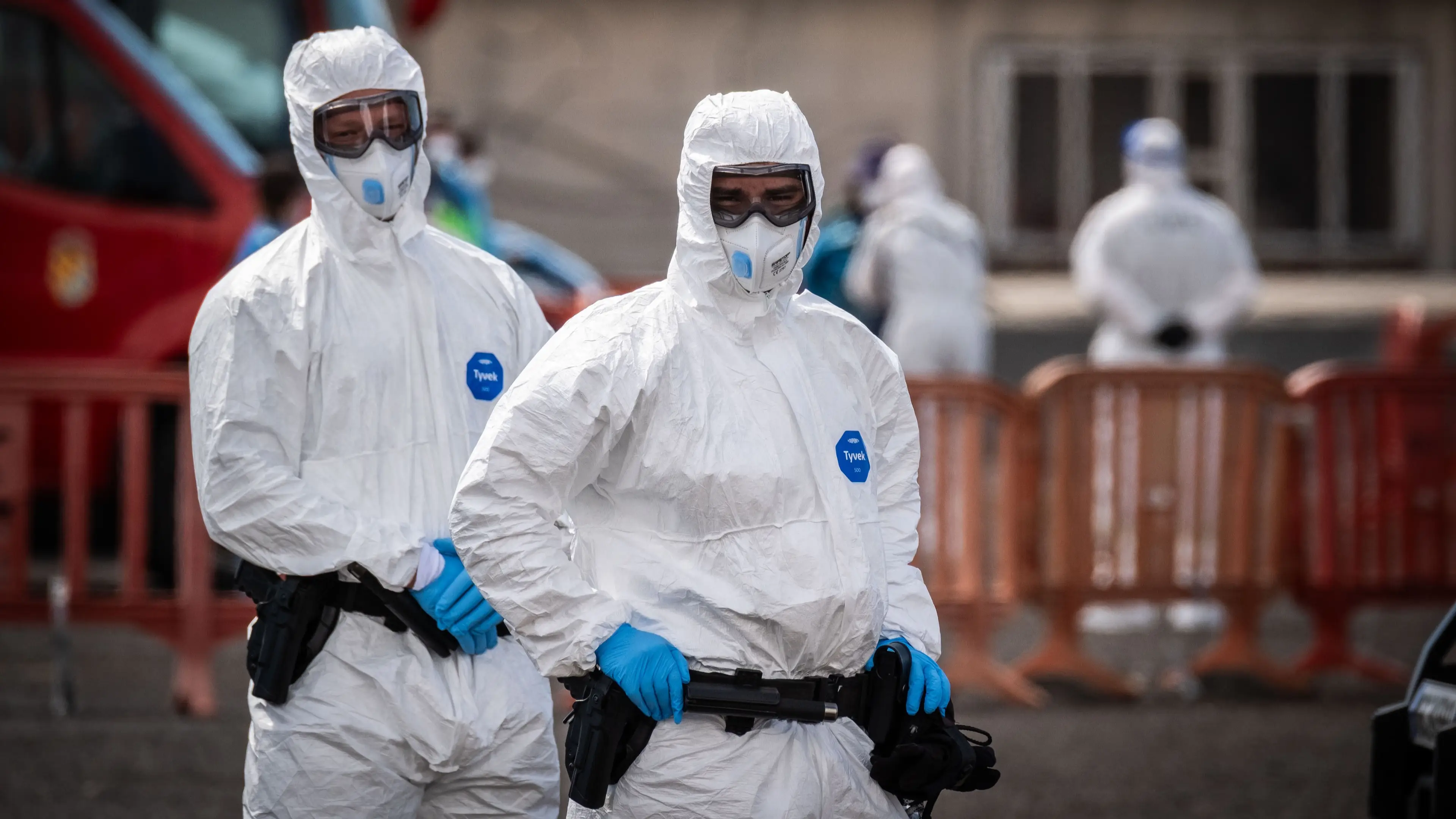
On Sunday (10 May) passengers were evacuated from the cruise ship in Tenerife and repatriated to their home countries in controlled, isolated conditions.
Advert
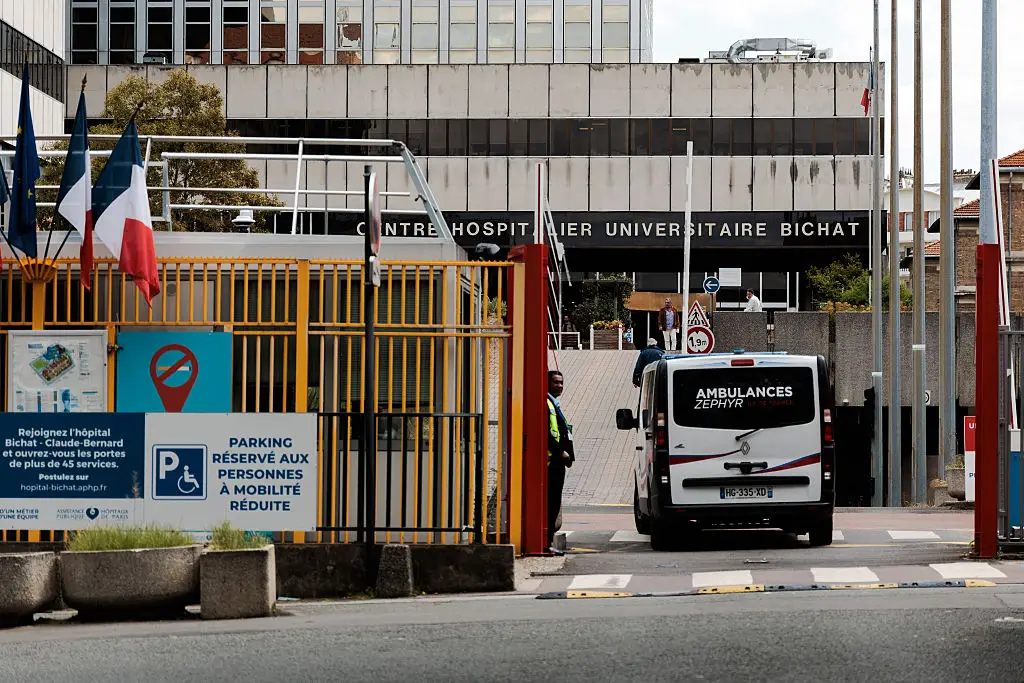
The French woman, whose identity has not been made public, was flown to a hospital in Paris and is now on a life-support device that pumps blood through an artificial lung, providing it with oxygen and returning it to the body, as per France24.
Dr. Xavier Lescure, an infectious disease specialist at Bichat Hospital, told AP News that the passenger has a severe form of the disease that has caused life-threatening lung and heart problems.
Reportedly, the aim of the device is to relieve enough pressure on the lungs and heart to give her some time to recover.
According to the publication, Lescure called it ‘the final stage of supportive care’.
It comes as Tedros Adhanom Ghebreyesus, the director of the World Health Organisation, has confirmed that suspected cases have only been reported among the cruise ship’s passengers or crew.
He said: “At the moment, there is no sign that we are seeing the start of a larger outbreak. But of course, the situation could change, and given the long incubation period of the virus, it’s possible we might see more cases in the coming weeks.”
The latest person confirmed to be infected with hantavirus is a Spanish passenger who tested positive after being evacuated from Spain’s health ministry confirmed in an update on Tuesday (12 May). The passenger was in quarantine at a military hospital in Madrid.
The WHO chief also recently admitted that some passengers on the hantavirus-hit cruise ship were ‘facing mental breakdown’.
Ghebreyesus said: “Almost 150 people from 23 countries were on this ship for weeks, in what must have been a very frightening situation.
“Some of the passengers were facing mental breakdown. They have the right to be treated with dignity and compassion.
“There were some people around the world calling for the passengers to be contained on the ship for the full quarantine period.
“Our view was that would have been inhumane, and unnecessary. Yesterday, during our press conference, I called it even cruel to suggest that.
“We were convinced it was possible to disembark these passengers in a way that was safe for them and the people of Tenerife, and that was respectful of the human rights of the passengers and crew.”
The symptoms of the Andes strain of hantavirus and how it spreads
The Andes strain of hantavirus is very rare. Microbiologist Dr Gustavo Palacios told CNN there have only ever been 3,000 known cases.
It is the only documented form of hantavirus with human-to-human transmission. One study showed that window for patients to be infectious was about a day, when they develop a fever. But they also found it was transmissible through only brief proximity to an infected person.
Andes virus (ANDV) is primarily found in South America and has a high fatality rate, between 20 and 40 percent. It can cause hantavirus pulmonary syndrome (HPS), which attacks the lungs. Symptoms start one to eight weeks after infection and the first signs can include:
- Fatigue
- Fever
- Muscles aches
- Headaches
- Dizziness
- Chills
- Nausea and vomiting
- Diarrhoea
Later symptoms include:
- Coughing
- Shortness of breath
Topics: Cruise Ship, Health, Travel, News, World News
 Madison Burgess